Float Plane Charters to a Northern Camp
There’s nothing quite like the allure of Manitoba’s true northern wilderness for a hunting adventure. But let’s be real: those remote, pristine locations that hold trophy moose, barren-ground caribou, and big black bears aren't exactly next door. Reaching these far-flung camps often means leaving the roads far behind and hopping aboard a float plane, which opens up a whole new world of planning and excitement. This guide is all about navigating the ins and outs of chartering a float plane to get you into that dream northern Manitoba hunting camp.
Why a Float Plane is Essential for Northern Manitoba Hunting
When you look at a map of Manitoba, especially as you head north past The Pas or Thompson, you quickly realize how much of this province is roadless wilderness. That's where the truly wild hunting experiences lie, away from the everyday pressures. A float plane isn't just a luxury; it's often the only way to access these incredible hunting grounds.
Reaching Untouched Wilderness
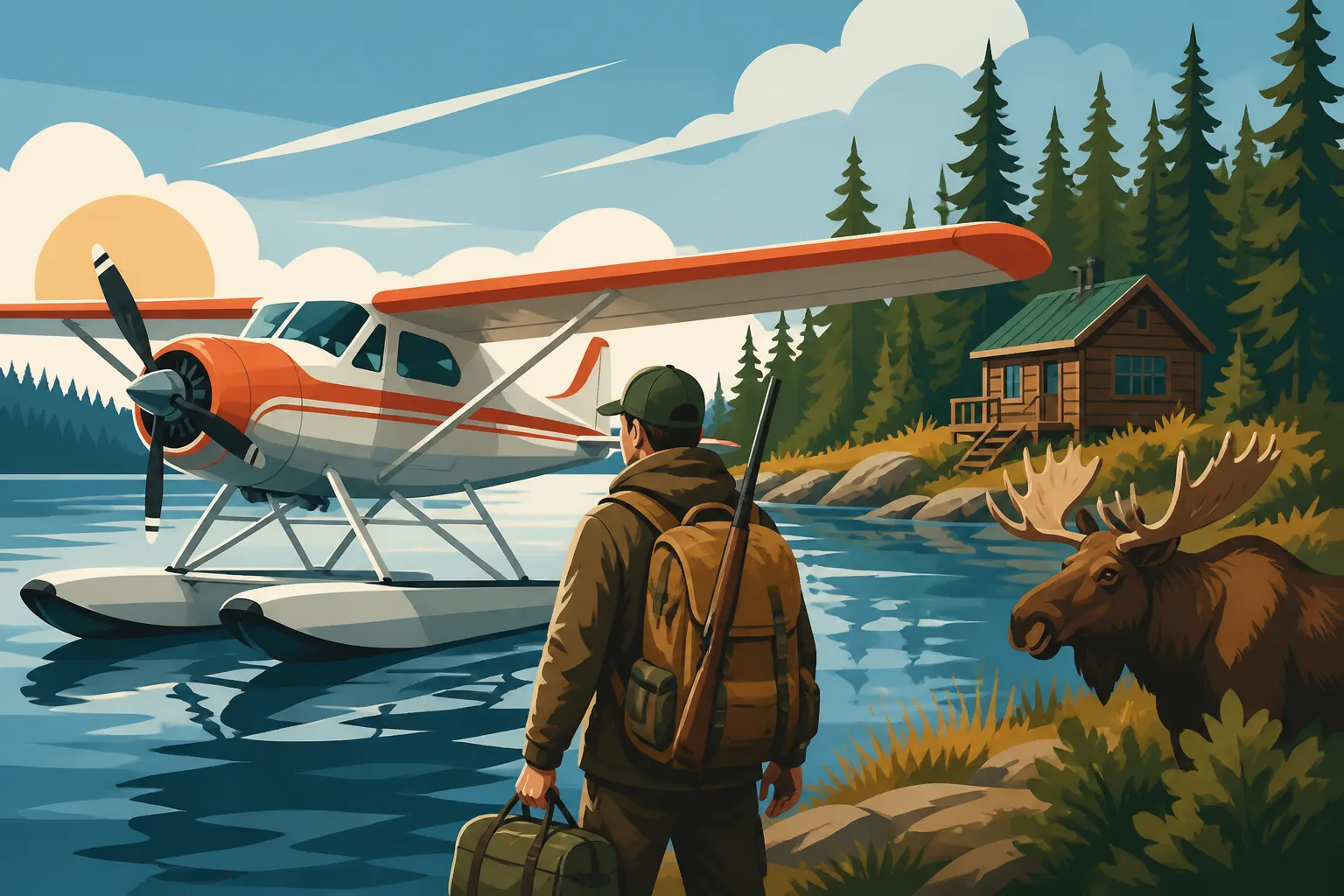
Imagine stepping out of a plane onto the shore of a remote lake, the only sounds being the gentle lapping of water and the rustle of the boreal forest. This isn't a fantasy for hunters in northern Manitoba; it's a reality made possible by float planes. These aircraft are your ticket to vast tracts of untouched wilderness, areas where game animals thrive largely undisturbed by human activity. We're talking about places where Barren-Ground Caribou in Northern Manitoba migrate in impressive numbers, where the biggest Moose Across Manitoba's Boreal Forest patrol remote lakeshores, and where Black Bears Across Manitoba's Bush Country grow old and large on natural forage.
These remote regions, often part of Hunting Manitoba's Far Northern GHAs, are inaccessible by conventional means. There are no highways, no gravel roads, and sometimes not even ATV trails. The sheer scale of the landscape means that driving in, even with the most capable off-road vehicles, would be an expedition in itself, taking days or weeks to cover distances that a plane can fly in hours. This remoteness translates directly into less hunting pressure, which often means better opportunities for mature animals and a genuine sense of solitude that's hard to find anywhere else.
The Logistical Challenges of Remote Access
Without a float plane, getting into these prime northern locations would be an immense, possibly impossible, logistical challenge. Think about the sheer effort of hauling all your gear, food, and supplies for a week or two-week hunt across trackless bush, rivers, and muskeg. It would require extensive planning, significant physical endurance, and likely multiple trips, all before you even start hunting. A float plane dramatically shrinks these distances and timeframes, transforming what would be an arduous trek into a relatively quick and comfortable journey.
Furthermore, once you're on the ground, having that float plane as your link to civilization provides a crucial sense of security. While you always need to be self-sufficient and prepared for anything, knowing that a plane can return for emergencies, or simply to take you out when your hunt is done, is invaluable. It shifts the focus from the immense challenge of just getting there to the thrill of the hunt itself. For many, it's not just about convenience; it's about making an otherwise unfeasible hunting adventure a tangible reality.
Planning Your Float Plane Charter: What You Need to Know
Booking a float plane charter isn't like booking a commercial flight. It requires careful consideration, clear communication, and a solid understanding of the unique aspects of bush aviation.
Choosing a Reputable Air Charter Service
The first step in planning your fly-in hunt is selecting a reliable air charter service. This is absolutely paramount for both safety and the success of your trip. You want a company with a strong safety record, experienced pilots who know the northern Manitoba landscape like the back of their hand, and aircraft that are well-maintained and suited for bush operations. Don't be afraid to ask about their experience flying into your specific hunting area or similar remote locations.
It's wise to book your charter well in advance, especially if you're targeting peak hunting seasons for moose or caribou. Good operators get booked up quickly. A great way to vet potential services is to ask for references from past hunting clients. Online forums and communities are also good places to gather insights, though always take individual opinions with a grain of salt. Resources like BookYourHunt or GoHunt might list outfitters that package hunts including float plane travel, but if you're going DIY, you'll need to reach out to charter companies directly. Look for transparency in their operations and a willingness to answer all your questions, no matter how small they seem.
Weight and Gear Limitations
Here’s where many hunters get a rude awakening if they haven't planned properly: float planes have strict weight and space limitations. Unlike your pickup truck, you can't just pile everything in. Every pound counts, and exceeding limits isn't just a matter of extra cost; it's a safety issue. Understanding What a Fly-In Camp Weight Limit Means is critical. Charter companies will have specific allowances per person, and you'll need to factor in your body weight, your personal gear, camp equipment, and food.
This means you'll need to be incredibly disciplined about what you bring. Think lightweight, multi-purpose, and essential. Vacuum-sealed food can save a lot of space and weight. Discuss with your hunting partners what communal gear can be shared (e.g., one large cook kit instead of three small ones). Hard-sided coolers, heavy ammunition, and unnecessary comforts are often the first things to get cut. If you're bringing an outfitters' camp equipment, clarify what they include versus what you need to supply. Often, multiple flights are required to get all hunters and gear in, especially for larger groups or longer hunts, and this significantly adds to the cost. Plan on having a detailed manifest of all your gear, with weights, ready for your charter pilot.
Understanding Costs and Booking
Float plane charter costs in Manitoba can vary considerably based on several factors, and it’s important to understand the pricing structure upfront. Typically, you'll be charged based on flight hours, the distance to your chosen camp, the type and size of aircraft required, and current fuel prices. Larger planes can carry more weight and more people but come with a higher hourly rate. The more remote your destination, the more flight time is involved, directly increasing the cost.
Always get a detailed quote from a few different charter companies. Don't just ask for a "per person" price without understanding the underlying calculations. Inquire about fuel surcharges, landing fees (if applicable), and any other potential add-ons. It's common for groups to split the charter cost, making these remote trips more accessible. Be clear about your drop-off and pick-up dates, as well as the amount of gear and anticipated harvested game weight you expect to bring back. Remember, the plane has to fly in and fly out, often with a heavier load if you're successful. This will all factor into the total price tag.
On the Ground: Logistics at a Remote Camp
Once your float plane touches down on that remote northern lake, the real adventure begins. But unlike an outfitted lodge hunt, a DIY fly-in trip means you're largely on your own for camp setup and game handling.
Setting Up Your Fly-In Camp
A fly-in camp in the Manitoba bush is all about self-sufficiency. There are no cabins waiting for you, no running water, and certainly no electricity unless you bring a generator. You'll need to pack in everything required for shelter, cooking, sleeping, and personal hygiene. This means sturdy tents, comfortable sleeping systems rated for northern temperatures (especially important if you're hunting during the colder shoulder seasons), and a reliable cooking setup. Water purification is paramount, as you'll be drawing from lakes and rivers. Consider a good filter or purification tablets.
Waste management is another critical aspect. Everything you pack in, you must pack out – including all garbage. This "leave no trace" ethic is vital to preserve the pristine nature of these remote areas. Thinking through the practicalities of a remote camp, like where to hang food to deter bears or how to keep warm if you're planning to be Sitting All Day in a Manitoba Blind, will save you a lot of discomfort and potential trouble. Preparing your camp efficiently allows you to spend more time hunting and less time dealing with basic necessities.
Game Retrieval and Transport
Successfully harvesting an animal in the remote north is exhilarating, but then the work truly begins: getting that animal from the field back to the plane, and then back home. Float planes are excellent for access, but you still have to deal with the logistics of Packing Caribou Out to a Float Plane or quartering a bull moose in the bush. This means having the right tools – sharp knives, a game bag system, and potentially a small portable game cart or sled, depending on the terrain and proximity to the lake.
You'll need a solid plan for meat care, especially in warmer conditions. Proper quartering and cooling of the meat immediately after the kill is essential to prevent spoilage. In the chill of late fall, Meat Care in Manitoba's Cold Snaps can be a bit easier, but you still need to keep the meat clean and dry. Remember those weight limits for the float plane? They apply to your harvested game as well. You'll likely need to weigh the meat and antlers to ensure you don't exceed the plane's capacity for the return flight. Communicating your anticipated harvest with your charter company is important, as they might need to adjust the plane size or plan for an additional flight if you're bringing out a very large animal like a moose.
Safety and Contingency in the Remote North
Venturing into northern Manitoba's remote wilderness is an incredible experience, but it also comes with inherent risks. Being prepared for the unexpected is not just good practice; it's essential for your safety and the success of your hunt.
Weather Delays and Contingency Planning
Northern weather, especially in the transition seasons of fall, can be incredibly unpredictable. What starts as a clear, calm morning can quickly turn into strong winds, heavy rain, or even snow, grounding float planes for days. This isn't just an inconvenience; it can be a serious safety concern if you haven't planned for it. Always pack extra food, water, and fuel beyond what you think you'll need for the planned duration of your hunt. A good rule of thumb is to have at least two or three days' worth of extra supplies.
Communication is key when you’re deep in the bush. Cell service is non-existent in most remote northern areas. A satellite phone or a satellite messenger device like an inReach is an absolute must. These devices allow you to communicate with your charter pilot, update them on your status, and, most importantly, call for help in an emergency. Discuss contingency plans with your pilot before they drop you off: what happens if they can't get back on your scheduled pick-up day? What's the protocol for an emergency extraction? Being proactive about potential delays and having robust Emergency Plans in Manitoba's Bush will give you immense peace of mind.
Wildlife Encounters and Remote Preparedness
When you're truly deep in the northern bush, you're sharing the landscape with its wild inhabitants, including predators. Being prepared for Wildlife Safety in Manitoba Bear Country is non-negotiable. This means carrying bear spray, knowing how to properly store your food (away from camp, preferably hung), and being vigilant at all times. Understanding bear behaviour and making noise while moving through thick cover can help prevent surprise encounters.
Beyond wildlife, general remote preparedness is vital. This includes a comprehensive first-aid kit capable of handling more than just minor scrapes, basic survival skills (fire starting, shelter building), and navigation tools like a GPS, map, and compass – and knowing how to use them without relying solely on electronics. If you're going during colder months, understanding Hunting Safely in Deep Winter Cold and how to prevent hypothermia and frostbite is critical. A fly-in hunt is an immersive experience, and part of that immersion is accepting responsibility for your own safety and readiness in a truly wild environment.
Disclaimer
This article is for general informational purposes only and does not constitute professional advice. Laws, prices and regulations vary by location and change over time. Consult a qualified professional for guidance on your specific situation.