Finding Manitoba Ground Others Drive Past
It's incredibly frustrating, isn't it? You spend weeks scouting, studying maps, and getting ready for the season, only to pull up to your "secret" spot on opening morning and find a half-dozen other trucks already parked there. It feels like every good piece of ground is already claimed, pushing you further and further out. But I'm here to tell you that there's still plenty of excellent hunting territory in Manitoba that gets overlooked. This guide will walk you through how to shift your mindset and employ practical strategies to find those hidden gems, giving you a distinct advantage and a more solitary, rewarding hunt.
The Mindset Shift: Looking Beyond the Obvious
The biggest hurdle for many hunters isn't a lack of game, but a lack of imagination when it comes to finding unpressured ground. We tend to gravitate towards what's easy, what's familiar, or what's been successful in the past. But to truly find ground others drive past, you need to change how you think about hunting pressure and effort.
Understanding Common Hunter Pressure Points
Let's face it, most hunters are creatures of habit. They'll drive the same main roads, park in the same pull-offs, and walk the same well-worn trails they always have. Think about why this happens. Easy access is a huge draw; nobody wants to hike miles through thick brush just to start their hunt if they don't have to. Familiarity breeds comfort, and if someone had success near a certain field or bluff once, they're likely to return, often year after year.
This creates predictable patterns. The closer you are to a paved road, a well-maintained gravel road, or even a noticeable two-track, the higher the chance you're sharing that space with other hunters. Known features like power lines, major creeks with easy crossings, or even prominent bluffs visible from the road become magnets. These areas can still hold game, of course, but that game is often more nocturnal, more skittish, and much harder to fool due to constant human disturbance. Your chances of encountering a truly mature animal in these heavily pressured spots during daylight hours drop significantly. It’s not that the deer aren’t there; they’re just experts at avoiding you.
Embracing the "Hard to Reach" Mentality
The key to unlocking new, productive hunting ground is simple: go where others aren't willing to go. This often means embracing a bit more effort, whether that's physically or mentally. If an area looks like a struggle to access, or it requires more intricate planning, many hunters will dismiss it. This is your opportunity.
Consider areas that are a significant distance from any vehicle access point. This could mean a long walk through dense timber, or perhaps navigating around a large wetland. Maybe it involves crossing a river or a wide, frozen slough that seems too much trouble for the average hunter. These "barriers" are your best friends. The more formidable the obstacle, the less competition you'll face on the other side. This doesn't mean recklessly venturing into dangerous territory, but rather thoughtfully planning how to safely and effectively overcome minor logistical challenges. Remember, for every extra kilometer you walk, or every bit of difficult terrain you traverse, the likelihood of stumbling upon undisturbed game sign and a less wary animal increases dramatically. It's about recognizing that the inconvenience for others translates directly into an advantage for you.
Digital and Ground Scouting for Overlooked Territory
Once you've adopted the "hard to reach" mindset, the next step is putting it into action. Modern tools have revolutionized how we scout, but they should always be combined with the irreplaceable knowledge gained from boots on the ground.
Leveraging Satellite Imagery and Mapping Tools
Before you ever step foot in the bush, your best friend is a good digital mapping platform. Tools like GoHunt have become indispensable for this kind of reconnaissance, allowing you to meticulously pour over topographical and satellite maps from the comfort of your home. Start by identifying large blocks of public land or areas with potential Crown land access, as detailed in guides like Manitoba's Crown Land Access.
Zoom in, and I mean really zoom in. Don't just look for big fields and obvious bush. You're searching for subtle features that might not catch the eye of a casual observer. Look for small, isolated pockets of timber in vast agricultural areas. These might appear insignificant on a wide view, but on closer inspection via GoHunt's high-resolution satellite imagery, they can reveal dense cover for deer to bed down. Search for narrow strips of bush connecting two larger blocks of cover – these are often overlooked travel corridors. Pay attention to changes in elevation, even slight ones, which could indicate a hidden bench or a subtle ridge that deer might use as a natural travel route, especially in the relatively flat prairie or aspen parkland regions. Identify areas where waterways converge or make sharp bends; these are natural pinch points that funnel animal movement. Look for dense marshlands or large slough systems that appear difficult to navigate. Most hunters avoid these, but they can be sanctuaries for deer, moose, and even bears. Guides such as Scouting With Satellite Imagery in Manitoba offer more depth on specific techniques.
Boots-on-the-Ground Reconnaissance
As powerful as digital maps are, they are no substitute for getting your boots on the ground. Digital scouting identifies potential, but physical scouting confirms it and fills in the crucial details. Head out during the off-season, long before hunting pressure builds, or during an early season like the Manitoba's September Archery Opener if you want to see how animals are using the landscape.
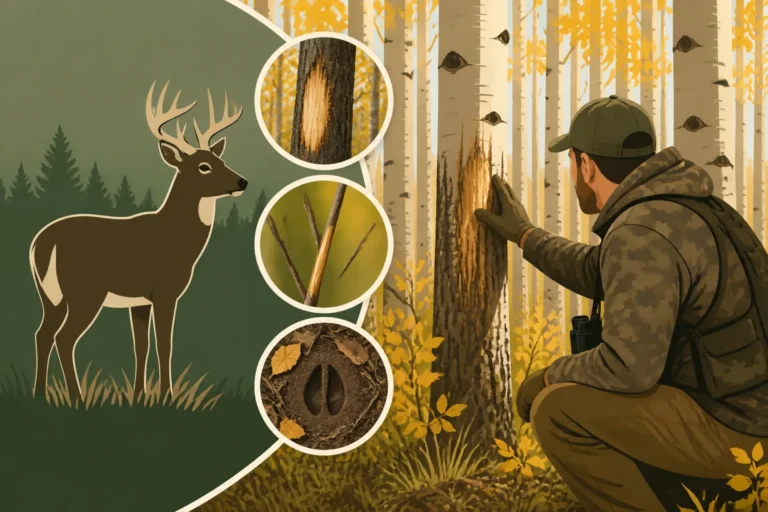
When you're out there, actively search for signs that indicate light hunting pressure. Do you see old, rusty treestands? Plenty of worn-out trails that aren't animal-made? These are clues that others have been there, perhaps for years. Instead, look for faint game trails that might not be obvious, especially those leading into dense cover or across difficult terrain. Check for fresh rubs and scrapes that aren't near obvious human entry points. These indicate resident animals that feel secure. Pay close attention to bedding areas – often characterized by thick, undisturbed cover – far from roads. You're looking for subtle details: a well-used trail weaving through a willow thicket, a deer bedded down in a cattail slough ring, or fresh tracks leading across a frozen pond that few would dare to cross. Understanding how to interpret these clues is covered in depth in resources like Reading Sign After a Fresh Snow. This hands-on experience allows you to confirm the features you identified on GoHunt and discover new ones that weren't visible from above.
Table: Overlooked Terrain Features and Scouting Tips
| Overlooked Terrain Feature | Why it's often missed | Game Potential | Scouting Tips for Hunters |
|---|---|---|---|
| Isolated Bush Pockets | Appear small on maps, require significant walk-in through open fields. | Deer bedding, thermal cover, security for mature bucks. | Use satellite imagery (e.g., GoHunt) to find small, dark green spots in vast agricultural land. Walk in during the off-season to check for bedding signs and subtle trails. Look for connecting fencelines or ditches that provide minimal cover for approach. |
| Thick Cattail/Willow Sloughs | Difficult access due to water, mud, dense vegetation; appear impenetrable. | Deer bedding, waterfowl hiding, moose travel corridors, winter thermal cover. | Scope out the edges for faint game trails leading in or out. Use chest waders for exploratory walks in spring/summer to find dry islands or natural crossings. Focus on how game might skirt the edges or cross in frozen conditions, as discussed in Hunting a Frozen Slough Crossing. |
| Deep River Valleys/Coulees | Steep, often treacherous access; hidden from main roads; can be overlooked as "too difficult." | Excellent travel corridors, thermal cover in winter, escape routes, diverse browse. | Study topographic maps to identify hidden draws and funnels where game might enter/exit the valley. Look for natural benches or breaks in the slope. Focus on transition zones where the valley edge meets the plateau, like when Hunting a River Break Above the Valley. |
| Old Burned-Over Areas | Appear barren or unattractive initially; requires knowledge of past wildfires. | New growth attracts browse, good visibility, creates natural funnels through surviving timber. | Research historical wildfire maps. On satellite, look for areas with distinct edges where new growth is occurring after 3-5 years. Animals will browse the new growth and use the surviving timber for cover. These spots are fantastic for moose, as detailed in Glassing a Burn for Northern Moose. |
| Muskeg Islands of Spruce | Wet, boggy ground makes access extremely challenging; often requires ATV or snowmobile access in winter. | Moose bedding, thermal cover, sanctuary from hunting pressure. | Identify these on satellite maps by looking for darker green, denser treed areas surrounded by lighter, open muskeg. Plan access for frozen conditions. These are prime areas to find undisturbed Hunting a Muskeg Island of Spruce. |
| Beaver Ponds and Flowages | Often require bushwhacking or navigating wet ground; appear as minor obstacles. | Excellent water source, diverse browse, natural travel corridors, moose habitat. | Look for stringers of timber connected by beaver dams and ponds. These create natural funnels for all types of game. Ideal for Hunting Moose Around Manitoba Beaver Ponds or any species moving through the bush. |
Targeting Overlooked Terrain Features
Now let's get specific about the types of terrain that often get bypassed, even though they hold tremendous potential for game. These aren't always the "pretty" spots, but they're functional and secure for animals.
The Edges and Transition Zones
Animals, especially whitetails, are masters of using the "seams" of the landscape. These are the transition zones where one habitat type meets another. Think about where a dense bush line meets an open field – that's a prime travel corridor, especially during low light. Deer will often skirt the edge, using the cover for security while still being able to feed in the open. A classic example is Hunting a Manitoba Bush Edge, where the slight variations in cover offer deer the feeling of safety.
These edges aren't always dramatic. They can be as subtle as a slight rise in elevation where a poplar stand gives way to a mixed forest, or a narrow strip of willow running alongside a fence line between two quarter sections. The key is that they offer a convenient blend of cover, food, and escape routes. Hunters often focus within the big bush or in the middle of the field, but the real action often happens right on that boundary. These areas tend to concentrate movement, making them ideal ambush points. Don't overlook the edges of old clear-cuts or partially harvested areas either, as these provide both cover and regenerating browse, attracting deer, moose, and even bears.
Utilizing Waterways and Wetlands
Manitoba is a province rich in water, from countless prairie potholes to extensive boreal lakes and rivers. Many hunters view these as obstacles, but for game, they are vital resources and often safe havens. Rivers, creeks, and even small drainage ditches provide natural travel corridors, especially where thick cover parallels the water's edge. Deer will often follow these routes, particularly when moving between bedding and feeding areas.
Larger wetlands, like sloughs, marshes, and especially beaver flowages, are frequently ignored because they're messy, wet, and difficult to navigate. However, these areas are magnets for game. Moose thrive in beaver country, finding abundant browse and sanctuary, as you'd discover when Hunting a Beaver Dam Crossing. Whitetails will often bed down on small, dry islands within a slough, or even in the dense cattails themselves, feeling secure because most predators (including hunters) avoid these boggy, noisy areas. In winter, a frozen slough or small lake can become a critical crossing point for animals that would otherwise have to detour significantly, as highlighted in Hunting a Frozen Slough Crossing. Learning to identify these crossing points and ambush the animals moving across them can be incredibly effective.
Thickets, Marshes, and Heavy Cover
When we talk about "heavy cover," we mean the stuff that’s just a pain to walk through: dense willow thickets, tangled spruce, impenetrable cattail marshes, or even areas of downed timber from an old storm. Most hunters avoid these spots, choosing easier paths. And that's exactly why game animals seek them out.
Mature bucks, in particular, prefer the thickest, nastiest cover they can find for bedding. They want to be able to hear or smell an intruder long before they're seen. A small, dense poplar bluff, for example, might not look like much, but if it offers a slight elevation advantage and visibility into surrounding terrain, it becomes prime bedding. Hunting a Poplar Bluff at First Light can yield results if you understand how deer use this cover. Similarly, dense spruce or jack pine stands provide critical thermal cover during Manitoba's brutal winters, and deer will often yard up in these areas. While difficult to penetrate, the edges of such thickets, or subtle trails leading into them, can be incredibly productive. The sheer density of these spots makes animals feel secure, allowing them to move during daylight hours without constant fear of detection. Learning to interpret these challenging landscapes will open up a whole new world of hunting opportunities beyond the well-trodden paths.
Conclusion
Finding Manitoba ground others drive past isn't about luck; it's about a combination of thoughtful preparation, diligent scouting, and a willingness to put in the extra effort. By shifting your mindset to embrace less accessible areas, meticulously studying maps and satellite imagery with tools like GoHunt, and then validating your findings with boots-on-the-ground reconnaissance, you'll start to uncover those overlooked pockets of prime habitat. Targeting the edges, waterways, and heavy cover that most hunters avoid will give you a significant advantage, leading to a more challenging yet ultimately more rewarding hunting experience. The wild places are still out there, waiting for the hunter willing to seek them out.
Disclaimer
Hunting is an inherently dangerous activity. Always prioritize safety, understand and follow all Manitoba hunting regulations, and ensure you have proper training and equipment. The information provided in this guide is for informational purposes only and should not replace official government regulations or professional advice. Always obtain necessary permits and landowner permission before hunting. Be prepared for all weather conditions, especially when Hunting Safely in Deep Winter Cold, and know What to Do If You Get Stuck in the Bush.