Hunting a Poplar Bluff at First Light
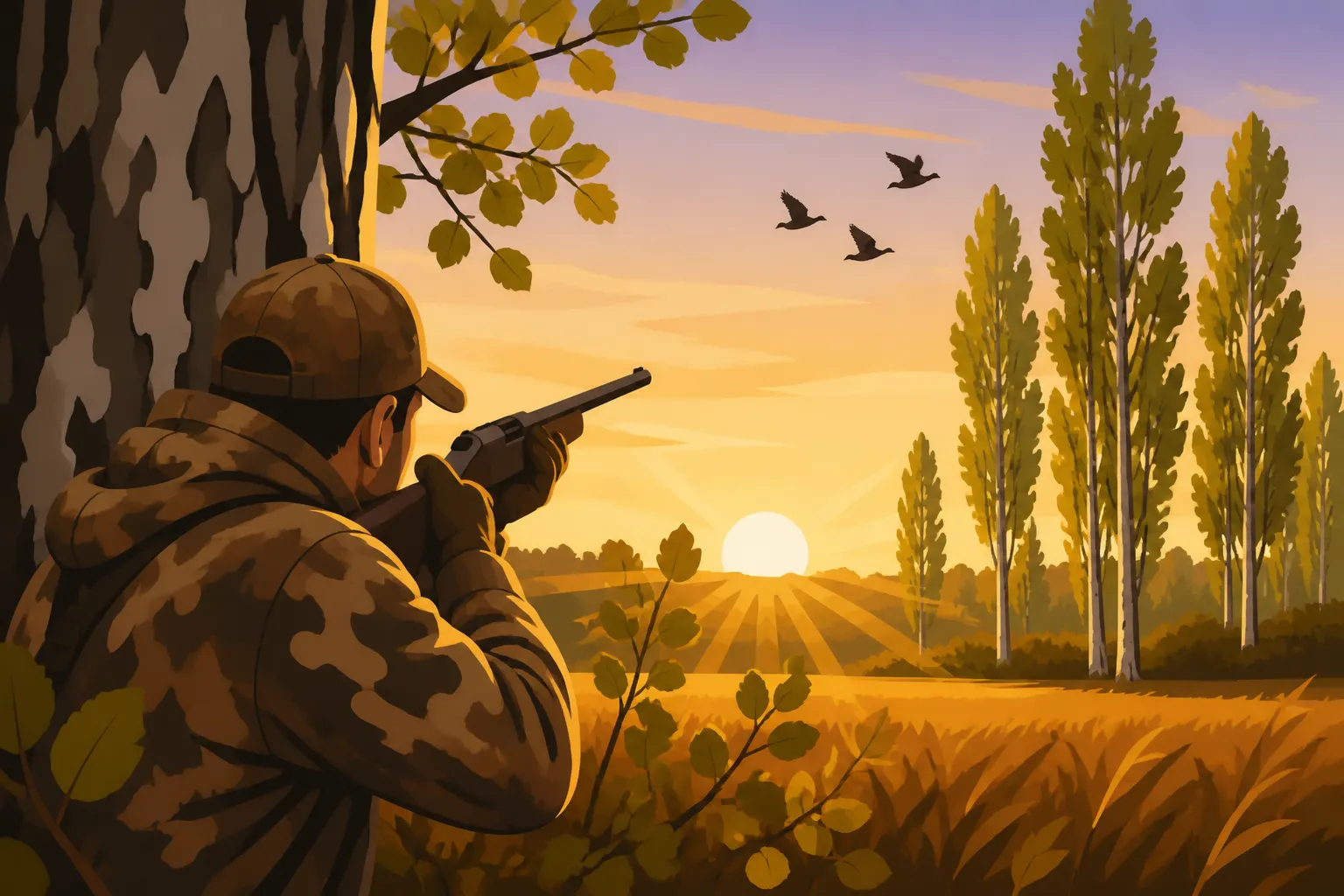
That chill you feel in the pre-dawn air, the one that makes your breath plume out in frosty clouds as you pick your way through the predawn dark? That's the feeling every Manitoba hunter knows, a mix of anticipation and determination. Many times, the most frustrating part isn't the cold, but the challenge of intercepting a wary whitetail buck as he slips from his nocturnal feeding grounds back into the security of his daytime bedding. This guide is here to unravel the secrets of hunting poplar bluffs at first light, giving you the strategies and insights to transform those chilly mornings into successful hunts.
Understanding Poplar Bluffs and Their Importance
Poplar bluffs, those distinctive stands of trembling aspen and balsam poplar, are absolute magnets for whitetail deer and a host of other wildlife across Manitoba. They're not just random clumps of trees; they're vital ecosystems providing food, cover, and sanctuary, especially as deer transition from open fields to secure bedding during the critical first hours of daylight.
Why Whitetails Gravitate Towards Poplars
Whitetail deer, particularly those mature bucks that make your heart pound, are constantly seeking security, sustenance, and thermal regulation. Poplar bluffs offer all three in abundance. The dense undergrowth often found within and around these bluffs provides incredible concealment, allowing deer to move unseen and bed down away from prying eyes. During the fall and winter, the leaves and young shoots of poplar trees can also be a supplementary food source, though not as primary as agricultural crops. More critically, the thick stands of poplars offer a significant thermal advantage. In the biting Manitoba cold, these bluffs block the wind and trap warmth, creating pockets of relatively milder air where deer can conserve energy. Conversely, on a hot early-season day, the shade provides a cool refuge. When you're Reading Whitetail Sign in Manitoba Aspen, you'll quickly learn that these areas are used heavily year-round.
Imagine a mature buck, having spent the night gorging on a nearby canola field. As the first hints of grey lighten the eastern sky, his internal clock tells him it’s time to find a safe place to lay up for the day. He won't just bed down anywhere. He'll gravitate towards the thickest, most secure cover, and more often than not, that's a dense poplar bluff with good wind advantage. Identifying these key bedding areas is half the battle won, and understanding their role in a deer's daily routine is paramount to hunting them effectively.
Sanctuary for Diverse Wildlife
While our focus here is often on whitetails, it's worth remembering that poplar bluffs are critical habitat for many other species in Manitoba. Moose will utilize the thicker sections, especially in areas where they transition from more open marsh or agricultural land into heavier timber. Black bears frequently use these bluffs for foraging, cover, and even denning, particularly during their active seasons. You might even find upland birds like ruffed grouse, who absolutely love the dense structure of young poplar stands, or sharp-tailed grouse using the edges. Even predators like coyotes and wolves will patrol the edges of these bluffs, looking for their next meal. This diversity of wildlife reinforces just how vital these patches of timber are in the greater ecosystem, and consequently, why they hold so much potential for hunters.
For a hunter, this means being aware of more than just deer sign. Seeing other animal tracks or trails can indicate a well-used travel corridor or a dense pocket of cover that attracts all sorts of critters. It speaks to the richness of the habitat and confirms that you’re in a prime area for game movement.
Pinpointing Prime Bluff Locations
Finding the best poplar bluffs isn't always about stumbling upon them; it's about systematic scouting. Start with aerial imagery and topographical maps. Services like GoHunt are invaluable for this, allowing you to zoom in and identify distinct tree lines, changes in vegetation, and areas of dense cover that scream "poplar bluff." Look for bluffs that are adjacent to known food sources—crop fields, oak stands, or even old apple orchards. Pay attention to how these bluffs connect to other cover types, forming natural travel corridors. A bluff that stands alone in a sea of fields might offer some cover, but one that is part of a larger network of timber or leads to a river bottom is often a higher percentage spot for consistent movement. This is a critical first step when Scouting a Manitoba Game Hunting Area.
Once you've identified potential bluffs on a map, it's time for boots on the ground. Walk the perimeter, looking for deer trails entering and exiting the bluff. Pay close attention to rub lines and scrape activity, especially along the edges. Look for tracks, droppings, and fresh browsing, all indicating recent use. Consider the wind patterns of the area—where would a buck likely enter or exit the bluff to maintain a scent advantage? Which sections offer the densest cover for bedding? Sometimes, the smallest, most overlooked bluff can be a hidden gem if it offers the right combination of cover and access to food.
Decoding First Light Movement Patterns
The period just before and immediately after sunrise is often referred to as "the golden hour" for a reason. It's a time of intense activity as the natural world awakens, and for whitetails, it's when they make their most vulnerable movements. Understanding these dynamics is crucial for anyone planning to hunt a poplar bluff at first light.
The Critical Transition Zone
Deer, especially mature bucks, are predominantly nocturnal or crepuscular, meaning they are most active during dawn and dusk. At first light, you're catching them in a critical transition. They've spent the night feeding, perhaps in an alfalfa field or a stubble field, and now they need to make their way back to a secure bedding area within the poplar bluff. This movement is often swift and purposeful. They're not lingering; they're making a bee-line for safety. This means you need to be in position early, anticipating their exact travel routes.
The "transition zone" refers to the area between the feeding grounds and the bedding cover. This could be a narrow fenceline, a low-lying ditch with some brush, or even just a subtle dip in the terrain. Bucks will often use the most secure, lowest-visibility routes available to them. Your success hinges on identifying these specific funnels and staging areas that lead directly into the poplar bluff. Think about where a buck would feel safest making that move in fading darkness, and that's often where you'll find your opportunity.
Maximizing the Golden Hour Window
The window of peak activity at first light is often surprisingly short, sometimes only 30 to 60 minutes, starting from legal shooting light. This means your preparation must be meticulous, and your execution flawless. You cannot afford to be late, or to make noise during your approach. The very moment legal light arrives, deer are already on the move, and they're incredibly sensitive to disturbance.
This short, intense period requires absolute focus. Your eyes need to scan constantly, looking for subtle movements, a flicker of an ear, or the outline of a deer against the improving light. It’s not just about seeing a deer; it’s about anticipating where they will appear and how they will move. For many hunters, this is why it's such an exciting challenge – the intensity and potential for immediate action are unparalleled. This is where hunters can shine, utilizing every minute of the available light.
The Unforgiving Nature of Wind and Scent
In Manitoba, especially during the fall, morning air can be calm, swirling, or consistently blowing from one direction. The wind is perhaps the single most important factor when hunting deer, and at first light around a bedding area, it's absolutely unforgiving. Deer rely heavily on their sense of smell, and any human scent carried on the wind will send them scattering before you even know they're there.
Before you even consider setting foot in the woods, you need a solid understanding of the prevailing wind direction and how it will behave at your chosen location. Bluffs can create their own microclimates and wind currents, so always check with a milkweed puff or a wind checker. Position yourself so that your scent blows away from where you expect deer to approach or bed. This might mean taking a longer, more circuitous route to your stand or blind, or choosing a different ambush point altogether. Never compromise on wind. It's better to hunt a less-ideal spot with the right wind than a "perfect" spot with the wrong wind. Many hunters find success by studying local weather patterns through apps like GoHunt's detailed weather forecasts, which often include wind predictions hour by hour, helping them to plan their approach.
Strategic Approaches for Dawn Hunts in Poplar Bluffs
Hunting a poplar bluff at first light requires a carefully thought-out strategy, from your approach in the dark to your actions once you’re in position. It’s about being stealthy, patient, and knowing when to capitalize on an opportunity.
Masterful Pre-Dawn Infiltration
Getting into your chosen ambush location before sunrise, undetected, is paramount. This means knowing your route like the back of your hand. Scout your path during daylight, marking any obstacles, noisy ground, or potential deer crossings. Use a headlamp with a red or green light setting to minimize your visibility and preserve your night vision. Move slowly and deliberately, pausing frequently to listen. The goal is to arrive at your stand or blind at least an hour before legal shooting light, allowing the woods to settle down after your disturbance and giving you time to get comfortable.
When it comes to stand placement, whether you're Hanging a Stand on a Manitoba Bush Edge or setting up a ground blind, consider the most likely entry and exit points for deer, and position yourself downwind. Look for natural funnels – narrowings in cover, saddles, or creek crossings – that deer are forced to use. A portable ground blind can be an excellent option in bluffs that lack suitable trees for a treestand, offering immediate concealment and protection from the elements. Just be sure to set it up well in advance to allow deer to get accustomed to its presence.
The Power of Patience and Observation
Once you're settled in your spot, the real work begins: waiting. It sounds simple, but maintaining patience as the darkness slowly gives way to dawn, especially when it's cold, is a skill. Resist the urge to fidget, check your phone, or make any unnecessary movements. Keep your rifle or bow ready, but remain still. Your eyes should be constantly scanning, not just for deer, but for subtle signs of their presence: the flick of a tail, the snap of a twig, the silhouette of an animal moving against the changing light.
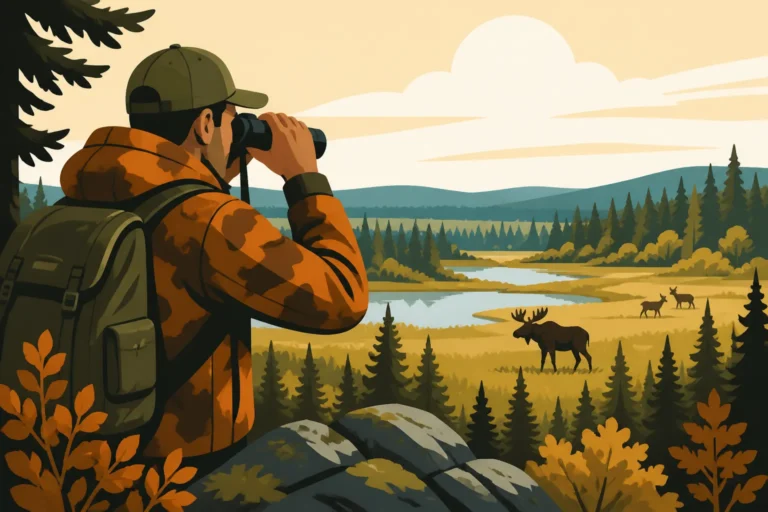
Use your binoculars to meticulously pick apart the cover, especially along the edges of the bluff and any trails leading into it. Often, a deer will appear as if from nowhere, silently materializing out of the shadows. The ability to spot game early gives you precious seconds to confirm your target, raise your weapon, and prepare for a shot. This methodical observation is key to catching a wary buck off guard, allowing you to maximize the short window of opportunity as the light improves.
Utilizing Calls and Rattling in the Bluff
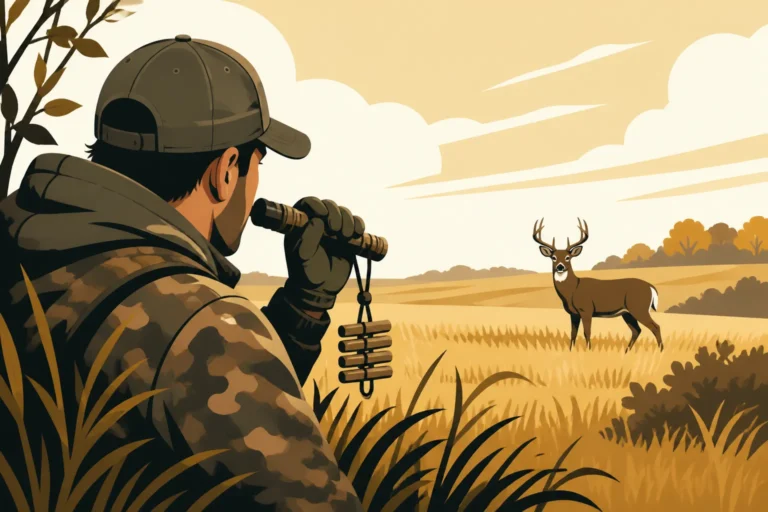
While scent and stealth are primary, selective use of calls and rattling can sometimes be the perfect complement, especially during the peak rut. During late October and early November, bucks are actively seeking does and challenging rivals. A short, subtle series of grunt calls or even a few soft bleats can sometimes pique the curiosity of a passing buck and draw him closer. However, remember that deer at first light are often moving with purpose; they’re heading to bed. Aggressive calling might spook them, so err on the side of caution.
If you're hunting during the rut, consider a light rattling sequence as the first light truly breaks, maybe 15-20 minutes into legal shooting time, particularly if you haven't seen any natural movement. Bucks will often be cruising the edges of bluffs looking for does. A short, light rattling sequence mimicking two sparring bucks can sometimes draw a curious buck in for a look. Always be ready immediately after a calling sequence, as they can appear quickly and silently. Remember, the effectiveness of these tactics can vary greatly depending on the time of year and the specific GHA you're hunting. For more specific insights, you might want to read up on Hunting the Rut in Early to Mid November or Rattling and Calling Parkland Whitetails.
Essential Gear and Safety for Early Morning Hunts
Manitoba mornings, especially during hunting season, can be bitterly cold and dark. Having the right gear isn't just about comfort; it's about safety and increasing your chances of success.
Dressing for Warmth and Concealment
Layering is your best friend when hunting in Manitoba. Start with a moisture-wicking base layer, add insulating mid-layers like fleece or down, and top it off with a windproof and waterproof outer layer. Brands like Sitka or First Lite offer excellent systems designed for cold-weather hunting, ensuring you stay warm even when sitting still for hours. Poplar bluffs, while offering some protection, can still be drafty, so gloves, a warm hat, and insulated boots are non-negotiable. For those truly frigid mornings, consider a hand warmer muff or chemical heat packs to keep your extremities functional.
Beyond warmth, concealment is crucial. Choose camouflage patterns that match the natural tones of the poplar bluff environment, often a mix of browns, greys, and muted greens, especially if there's still some leaf cover. Break up your human silhouette as much as possible. Remember, in low light, movement is what will give you away more than color. So, even with the best camo, stillness is your greatest asset.
Optics and Illumination for Low Light
A good quality pair of binoculars, at least 8x or 10x magnification, is absolutely essential. In the dim light of dawn, they can make the difference between seeing a deer and only glimpsing an indistinct shadow. Look for binoculars with excellent light-gathering capabilities (larger objective lenses, typically 42mm or 50mm) and high-quality glass. GoHunt offers reviews and comparisons of top-tier optics that can stand up to Manitoba's challenging conditions. Practice using them in low light before your hunt so you can quickly and quietly bring them to your eyes without making unnecessary movements.
For your pre-dawn approach, a reliable headlamp is a must. Opt for one with multiple settings, including a low-light red or green beam that helps preserve your night vision and is less likely to spook game. Ensure you have fresh batteries, or carry spares, as the cold can drain them quickly. You'll need it not only for navigating to your stand but also for field dressing your animal if you're successful at first light. For more comprehensive gear advice, check out Winter Truck Kit for a Manitoba Hunt.
Navigation and Emergency Preparedness
Venturing into Manitoba's bush, even a small poplar bluff, demands preparedness. Always carry a reliable GPS device or a smartphone with a robust hunting app like GoHunt, pre-downloaded maps, and a portable charger. Familiarize yourself with the area beforehand, noting key landmarks and escape routes. Always let someone know where you're going and when you expect to return. This simple step is vital for your safety.
Pack a small, basic first-aid kit that includes essentials for cuts, blisters, and any personal medications. A whistle can be invaluable for signaling in an emergency. If you're hunting in remote areas, consider carrying a satellite communication device for true off-grid connectivity. Weather in Manitoba can change rapidly, so be prepared for sudden drops in temperature, snow, or rain. Understanding Hunting Safely in Deep Winter Cold is not just for deep winter; early season mornings can be surprisingly frigid. Knowing the Manitoba Whitetail Season Dates by GHA is also key to proper planning.
| First Light Factor | Importance | Strategy | Essential Gear |
|---|---|---|---|
| Wind & Scent | Critical | Hunt downwind, check frequently | Wind checker, scent control spray/clothing |
| Visibility | High | Be in position early, use quality optics | Binoculars (8-10x), headlamp (red/green) |
| Deer Movement | Purposeful | Anticipate routes from feed to bed | Pre-scouted trails, map with funnels |
| Temperature | Variable | Dress in layers, stay warm and dry | Moisture-wicking base, insulation, outer shell, hand/foot warmers |
| Sound | Minimal | Quiet approach, soft-soled boots | Stealthy movement, well-maintained gear |
Hunting a poplar bluff at first light in Manitoba can be incredibly rewarding. By understanding the deer’s habits, planning your approach with precision, and outfitting yourself with the right gear, you'll be well on your way to a memorable and successful hunt.
Disclaimer
The information provided in this article is for general guidance and informational purposes only. Hunting regulations, seasons, and licensing requirements can change. Always consult the most current Manitoba Hunting Guide and regulations issued by Manitoba Sustainable Development before planning any hunting activity. Safety should always be your top priority.