Glassing Tundra for Manitoba Caribou
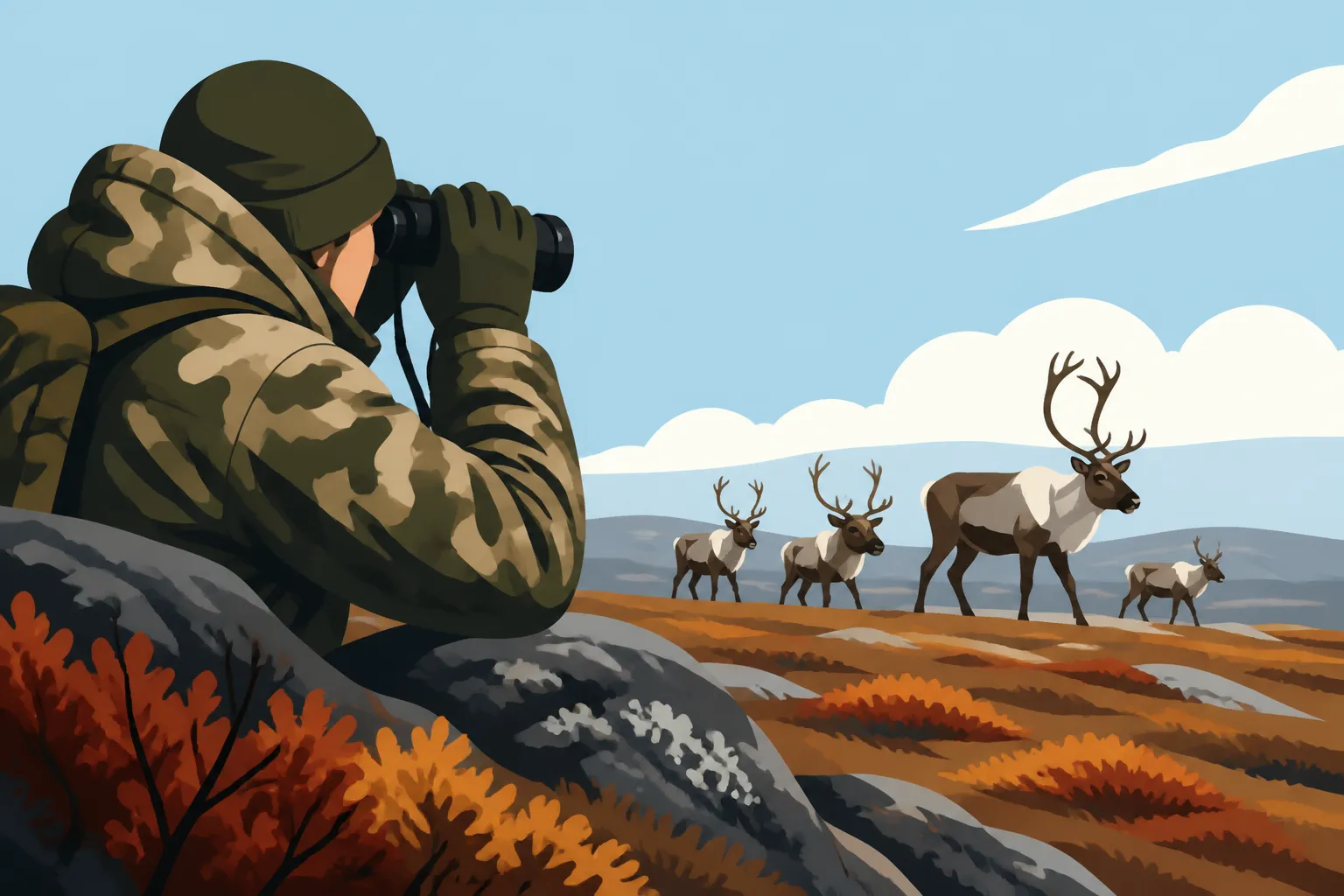
The sheer scale of Manitoba's northern tundra can be utterly daunting when you're trying to locate a specific animal, especially something as nomadic as a caribou. It's not like hunting deer in a woodlot where you can predict travel corridors. The open, expansive landscape can play tricks on your eyes, making distant objects shimmer and disappear. This guide aims to demystify the art of glassing for barren-ground caribou, providing you with practical strategies to effectively spot these magnificent animals in their remote habitat.
Understanding the Vast Tundra Landscape
The northern reaches of Manitoba are characterized by immense, treeless plains, punctuated by countless lakes, rivers, and low-lying eskers. It's a land of seemingly endless horizons, which, while beautiful, presents a unique challenge for hunters. Unlike forested areas where cover dictates animal movement and visibility is limited, the tundra offers little to hide in and almost unlimited sightlines – if you know how to use them.
Caribou Habitat and Movement Patterns
Barren-ground caribou are migratory animals, constantly on the move, driven by instinct, weather, and food availability. In Manitoba, we're primarily talking about the Qamanirjuaq herd, which migrates seasonally between Saskatchewan, Manitoba, Nunavut, and the Northwest Territories. Understanding their general migratory routes and seasonal patterns is paramount. For instance, when caribou reach Northern Manitoba, they might be scattered or concentrated, depending on the phase of their migration. They often follow subtle topographical features like river valleys, eskers, or even old ice-gouged channels, which, from a distance, can look like minor wrinkles in the landscape. These subtle features offer them slight shelter from the wind or provide access to lichen and other forage. Knowing these tendencies helps you predict where to focus your glassing efforts. They rarely stay in one spot for long, so constant scanning and patience are key.
Terrain Features and Vantage Points
While appearing flat, the tundra has subtle undulations, rocky ridges, and eskers – long, winding ridges of sand and gravel left by glaciers. These eskers are your best friends for glassing. They offer the highest ground, allowing you to survey immense swathes of land. River cutbanks, although less common than eskers, can also provide elevated positions. Identifying these natural high points on a map before you even set foot in the field is a critical first step. Tools like GoHunt's mapping features can be incredibly useful for pre-scouting these terrain features from the comfort of your home, helping you pinpoint potential vantage points. Once you're on the ground, always prioritize gaining elevation. Even a rise of 20-30 feet can exponentially increase your effective viewing range. Remember that the wind can be relentless on the open tundra, so look for vantage points that offer some natural shelter if possible, allowing you to glass for longer periods without getting chilled to the bone.
Essential Gear for Effective Glassing
Effective glassing on the tundra demands specialized equipment designed to handle the vastness and the often harsh conditions. This isn't a place for cheap binoculars or a flimsy tripod. Your optics are your most critical tool, and investing wisely here will dramatically increase your chances of success.
High-Quality Optics: Binoculars and Spotting Scopes
When it comes to glassing for caribou, you absolutely need quality optics. For general scanning and locating large groups, a good pair of 10×42 or 12×50 binoculars are ideal. They offer a wide field of view, making it easier to pick up movement or identify a distant shape. However, to truly pick apart the landscape, confirm what you're seeing, and judge the animal, a high-power spotting scope is indispensable. Many hunters opt for scopes in the 20-60x or 25-75x range with objective lenses of 60mm to 85mm. The larger objective lens gathers more light, which is crucial during the low light of early morning and late evening, or on overcast days common in the far north.
Optics Comparison for Tundra Glassing
| Feature | Binoculars (10x-12x) | Spotting Scope (20x-75x) |
|---|---|---|
| Primary Use | Broad scanning, locating movement, general observation | Detailed inspection, judging animals, long-range ID |
| Magnification | Moderate (10-12x) | High (20-75x variable) |
| Field of View | Wider, easier to track moving objects | Narrower, focused detail |
| Light Gathering | Good, but limited by objective size | Excellent, especially with larger objective lenses |
| Stability | Handheld for short periods, tripod recommended | Tripod mandatory for steady viewing |
| Weight/Portability | Lighter, more compact | Heavier, bulkier, requires tripod |
| Cost Range | Moderate to High | High to Very High |
The Indispensable Tripod
A spotting scope, and even high-power binoculars, are utterly useless without a sturdy, stable tripod. On the tundra, wind is a constant factor, and even the slightest wobble can make it impossible to effectively glass at high magnification. Look for a carbon fiber tripod that offers a good balance of weight and stability, with a fluid head for smooth panning and tilting. A quality tripod allows you to lock your optics in place, preventing arm fatigue and allowing for hours of meticulous scanning without a shaky image. This is particularly important when you're glassing a small, suspicious dark spot on a distant ridge for several minutes, waiting for it to move or reveal itself as a caribou. Remember, you'll be spending a lot of time behind your glass, so comfort and stability are paramount.
Other Critical Gear
Beyond optics and tripods, a few other items are essential for a productive glassing session in the remote north. Layered clothing is a must, even in late summer, as the weather can change rapidly. A comfortable sitting pad or a small, lightweight chair will make hours of glassing much more tolerable. A rangefinder is invaluable for accurately gauging distances once you spot an animal, preventing costly misjudgments. A good quality map, whether paper or digital like those found on GoHunt, combined with a GPS device or a reliable GPS app on your phone, is crucial for navigation and marking potential caribou sightings or good glassing points. Don't forget extra batteries for all electronic devices, as cold weather can drain them quickly. For your safety and communication in remote areas, consider a satellite messenger or phone.
Glassing Techniques for Northern Manitoba Tundra
Glassing isn't just pointing your binoculars in a random direction; it's a systematic approach that requires patience, discipline, and understanding of how light and terrain interact. The tundra’s vastness makes efficient scanning critical.
Systematic Scanning and Grid Patterns
The sheer expanse of the tundra can be overwhelming. To avoid missing animals, you need a methodical approach. Start by selecting a manageable section of landscape – perhaps a ridge system or a valley that's 2-3 miles wide and 5-6 miles deep. Using your binoculars, perform a wide scan of this area to pick up any obvious movement or large groupings. Once you've done that, switch to your spotting scope mounted on your tripod. Pick a distant landmark at the far edge of your selected area, and slowly move your scope horizontally in small, overlapping sections, as if you're reading a book. When you reach the end of that horizontal strip, drop your scope slightly and scan back in the opposite direction. This "grid pattern" ensures you cover every inch of ground thoroughly, without unnecessary overlap or missed areas. Pay extra attention to edges where different terrain features meet, like the base of an esker, the fringe of a wet area, or a subtle draw. These are often places where caribou might travel or bed down. Remember, you are looking for anything that seems "out of place" – a dark spot that shouldn't be there, a horizontal line in a vertical world, or a patch of color that doesn't quite match the surroundings.
The Importance of Light and Angle
Light conditions profoundly affect your ability to glass effectively. Early morning and late evening, when the sun is low on the horizon, create long shadows that can highlight contours and obscure animals. However, this softer light also reduces glare and mirage, making it easier to see distant objects clearly. Midday sun, while bright, often creates significant mirage – the shimmering heat waves that distort images over long distances. During these times, focus your glassing efforts on closer terrain or take a break.
The angle of the sun relative to your glassing position and the terrain you're viewing is also critical. Try to position yourself so the sun is behind you or to your side, illuminating the area you're scanning. Glassing directly into the sun is almost impossible due to glare. Understanding these nuances of light will help you maximize your glassing time. This also ties into the best times to go about Hunting Manitoba's Far North on a Fly-In and how critical those prime hours are.
Dealing with Mirage and Atmospheric Conditions
Mirage is the bane of long-range glassing, especially on hot, still days on the tundra. The shimmering heat waves can make a caribou look like it's dancing or appear much larger or smaller than it actually is. There's no magic bullet for mirage, but you can minimize its impact. Glassing earlier or later in the day helps. Sometimes, simply waiting 15-20 minutes for a slight breeze to pick up can clear the air enough to make a difference. Reducing your magnification slightly can also help, as mirage is less noticeable at lower powers. If mirage is severe, focus on identifying larger features or movement rather than fine details. Fog, rain, or snow can also severely limit visibility. In these conditions, you may need to adjust your strategy to closer-range scanning, or simply wait for the weather to break.
Reading Caribou Behavior and Movement Patterns
Spotting a caribou is only half the battle; understanding what they're doing and where they might go next is crucial for planning your stalk. Caribou have distinct behaviors that can be observed from a distance.
Identifying Bachelor Groups and Cow/Calf Herds
Barren-ground caribou often segregate by sex, especially outside the rut. You might spot large bachelor groups of bulls, distinguished by their larger antlers and robust bodies. These groups tend to be less wary and might move more predictably, often in single file. Cow/calf herds, on the other hand, are typically more vigilant and can be more scattered. Their movements might be more erratic as they graze or attempt to keep calves safe. For those interested in Judging a Barren-Ground Caribou Bull, observing them for an extended period through a spotting scope is essential to assess antler size, mass, and overall trophy potential. Pay attention to how they are interacting; contented feeding usually means they are less likely to be spooked, while nervous head-lifting or snorting could indicate they've detected something.
Predicting Travel Routes and Bedding Areas
Caribou, despite their nomadic nature, aren't entirely random in their movements. They often follow lines of least resistance – the subtle changes in elevation, hardened trails across tussocks, or even old game trails. If you spot a group moving, watch for patterns in their travel. Are they heading towards a prominent esker, or perhaps a river crossing? These natural funnels are prime locations to intercept them.
Bedding areas on the tundra are typically found on slight rises that offer a commanding view of the surrounding landscape, allowing them to spot predators from a distance. They also prefer areas that offer some protection from the wind. If you see caribou bedded down, note the direction they're facing; they often face into the wind or downhill to better detect scent or movement. This information is invaluable when planning your approach. The knowledge of What a Barren-Ground Bull Weighs can also help you appreciate the challenge of extraction, further emphasizing the need for smart glassing and stalking to reduce effort.
The Impact of Weather on Caribou Behavior
Weather significantly influences caribou behavior. In strong winds, they might seek the leeward side of eskers or other elevated features for shelter, often bedding down or grazing in these protected pockets. During heavy rain or snow, they tend to move less and might hunker down. In contrast, on hot, sunny days, they may seek higher, breezier ground to escape insects and heat, or even stand in shallow water. Understanding these weather-driven responses can help you predict where caribou might be holding and where to focus your glassing efforts. Keep in mind that Hunting Safely in Deep Winter Cold is a serious consideration, as extreme weather can change caribou patterns dramatically, making them harder to locate.
Overcoming Challenges of Tundra Hunting
Hunting in Manitoba's far north presents unique challenges that go beyond just finding animals. The environment itself is a formidable adversary, and being prepared for its extremes is critical for a successful and safe hunt.
Physical Demands and Remote Access
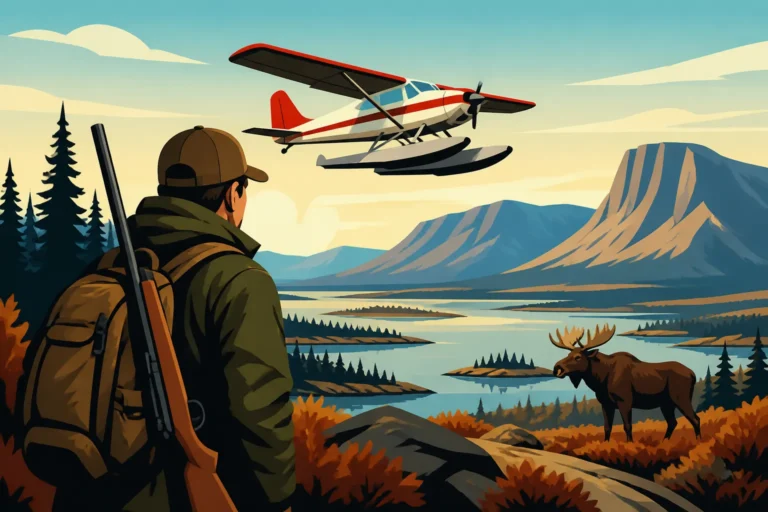
The tundra is unforgiving. There are no roads, no trails, and often no familiar landmarks for miles. Access is typically by float plane to a remote lake, making your hunting area a true wilderness. This means you'll be covering vast distances on foot, often over uneven ground, tussocks, and wet muskeg. The physical demands are immense, and a high level of fitness is essential. Packing heavy optics and tripods across this terrain adds to the challenge. When considering Barren-Ground Caribou Hunting in Northern Manitoba, remember that self-sufficiency is key. Carrying enough water, high-energy snacks, and emergency supplies is non-negotiable. It's an adventure that tests both your physical endurance and mental fortitude.
Adapting to Rapidly Changing Weather
Manitoba's northern weather is notoriously unpredictable. A calm, sunny morning can quickly turn into a fierce blizzard or a torrential rainstorm within hours. Temperatures can swing wildly, especially during the shoulder seasons. You must be prepared for everything. Layered clothing made from synthetic or wool materials is crucial, allowing you to add or shed layers as conditions change. Waterproof outer shells are indispensable. This constant variability often means you might have short windows of optimal glassing conditions, and you need to be ready to capitalize on them. Always carry extra gloves, hats, and a spare change of warm socks. For comprehensive preparation, learning about When Caribou Reach Northern Manitoba will help you understand typical weather patterns for your chosen season.
Navigation and Communication in the Wilderness
Navigating the featureless tundra can be incredibly disorienting, especially in low light or fog. A reliable GPS unit with pre-loaded maps, along with a compass and physical map as backup, is absolutely essential. Mark your camp, critical waypoints, and any caribou sightings. Never rely solely on a single device. Given the complete lack of cell service in most northern areas, a satellite communication device (such as a Garmin inReach or a Zoleo) is not just a convenience, but a critical safety tool for emergencies or for checking in with your outfitter or family. Even with advanced mapping systems like those offered by GoHunt, understanding how to use traditional navigation methods can be a lifesaver if electronics fail. Good communication within your hunting party is also vital, especially when splitting up to stalk or recover an animal. If you're planning a Caribou and Wolf Combination Hunts, effective communication becomes even more important for coordinating efforts.
Disclaimer
Hunting involves inherent risks, including but not limited to adverse weather conditions, dangerous terrain, and wildlife encounters. This guide is for informational purposes only and should not replace professional guidance, thorough personal preparation, or adherence to all local hunting regulations and safety protocols. Always prioritize safety and responsible hunting practices.