Flying North for Manitoba Caribou
The dream of heading into the vast, untouched wilderness of Northern Manitoba for a caribou hunt is something many hunters yearn for, but the thought of planning such a remote trip can feel overwhelming. From understanding specific regulations and booking float planes to preparing for the unpredictable northern climate, it’s a far cry from a local whitetail hunt. This guide will demystify the process, walking you through everything you need to know to turn that dream of chasing barren-ground caribou into a thrilling reality.
The Allure of a Northern Caribou Hunt
There's something incredibly primal and rewarding about hunting in the vast, untamed expanses of Northern Manitoba. It's a journey into true wilderness, far removed from the hustle and bustle, offering an experience unlike any other in the hunting world. The barren-ground caribou themselves are magnificent creatures, adapted to thrive in an environment that demands respect and resilience from both animal and hunter.
Why Manitoba's Barren-Ground Caribou are Special
Manitoba is home to some incredible hunting opportunities, and the barren-ground caribou in the far north are truly a gem. These are not the more commonly discussed woodland caribou, which are a threatened species in many parts of Canada and often closed to hunting. Instead, we're talking about the migratory herds of barren-ground caribou, specifically a portion of the Qamanirjuaq herd, that push south into Manitoba's tundra and taiga transition zones. These herds are vast, and their migrations are one of nature's great spectacles. Hunters are drawn not just by the chance to harvest a unique animal, but by the immersion in an ecosystem that feels ancient and wild. The sheer scale of the landscape and the robust nature of these animals make for an unforgettable adventure.
Hunting Barren-Ground Caribou in Northern Manitoba offers a glimpse into a world few ever see. The caribou here are typically in prime condition, their thick winter coats already growing in during the late summer and fall seasons. Their antlers, unique among deer species for often having a downward-projecting brow tine and shovel, make for an impressive trophy. Beyond the rack, the lean, rich meat of caribou is highly prized, a true taste of the north that makes the effort of getting it out of the bush entirely worthwhile.
The Unique Challenge of Fly-In Hunting
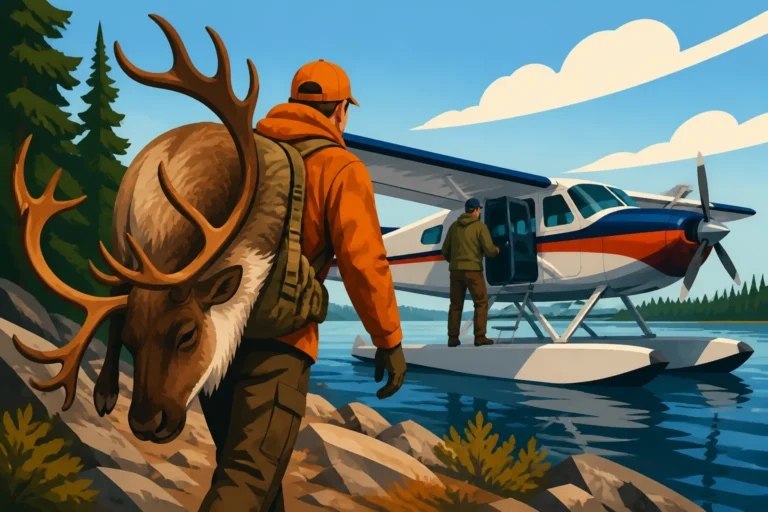
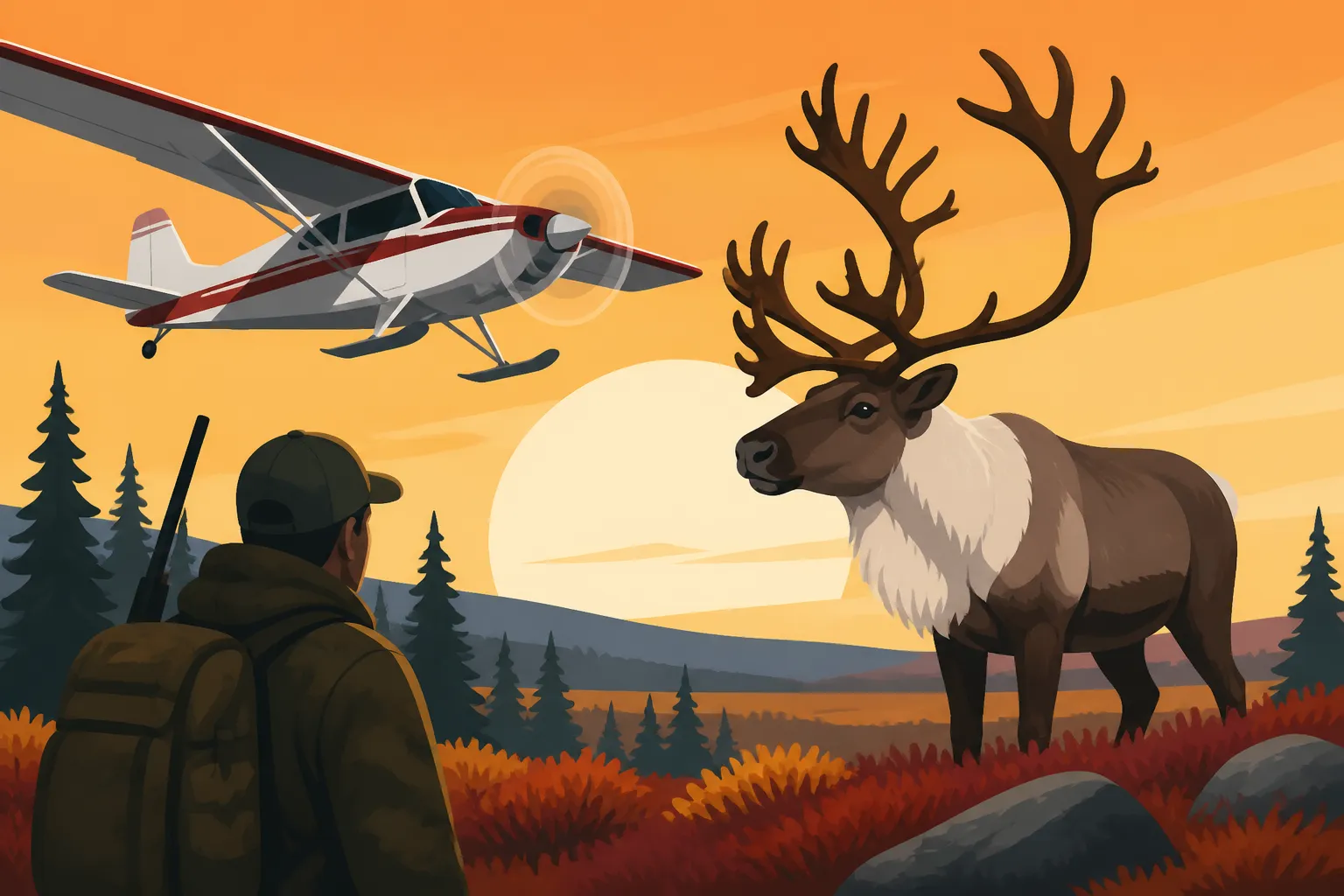
Forget driving your truck right to your hunting spot; a caribou hunt in Northern Manitoba often means a fly-in adventure. This immediately adds layers of logistics and excitement. You'll likely start your journey in a northern community like Thompson or Gillam, and then board a float plane or a wheeled aircraft designed for remote strips, flying deeper into the wilderness to a pre-arranged camp. This remoteness is a double-edged sword: it promises solitude and unspoiled hunting grounds, but it also means you're entirely dependent on your pilot and outfitter for access, supplies, and crucially, your exit.
The challenge isn't just getting there; it's being entirely self-sufficient (or guided by someone who is) in a place where resources are limited and help is far away. Weather can change in an instant, grounding planes and impacting hunting conditions. Weight restrictions on aircraft mean you have to be incredibly strategic about what you pack, making every item count. It forces you to simplify, to focus on the essentials, and truly embrace the rugged nature of the hunt. This is where the true adventure begins, separating those who simply hunt from those who truly immerse themselves in the wild.
Essential Pre-Trip Planning and Logistics
Embarking on a fly-in caribou hunt isn't something you decide to do on a whim. It requires meticulous planning, understanding specific regulations, selecting the right outfitter, and packing with purpose. Overlooking any detail can quickly turn a dream hunt into a frustrating ordeal.
Licensing, Season Dates, and Regulations
Before you even start looking at plane tickets, you need to understand the regulatory landscape. Manitoba's hunting regulations for caribou, especially for non-residents, are quite specific. First, ensure you have the appropriate hunting license. For non-residents, this typically means booking with a licensed outfitter, as foreign residents are generally required to hunt with a guide for caribou. Canadian non-residents may have different rules, so always check the latest Manitoba Hunting Guide. You’ll need a Manitoba resident or non-resident hunting license, along with a specific caribou tag.
Season dates for caribou can vary, but generally fall within late summer to early fall when the caribou are migrating and accessible. Checking the official Manitoba Sustainable Development website or your chosen outfitter's information for specific Manitoba Caribou Season Dates is crucial. These dates are designed to coincide with migratory patterns that bring the caribou into huntable areas. Be aware of any special rules regarding weapon types (archery, rifle, muzzleloader), bag limits, and evidence of sex requirements, which are often in place to protect the herd and ensure responsible harvesting. A good resource for understanding these complexities is the annual Manitoba Hunting Guide, always available online.
Choosing an Outfitter and Understanding Costs
For a fly-in caribou hunt, especially if you're a non-resident, selecting a reputable outfitter is paramount. They handle the complex logistics of air travel, camp setup, guiding, and often even meat and trophy preparation. Look for outfitters with a proven track record specifically in Northern Manitoba caribou hunts. Don't be shy about asking for references from past clients, and make sure their services align with your expectations, whether you're looking for a fully guided, luxurious camp experience or a more rustic, bare-bones drop camp. Platforms like GoHunt can be useful for researching outfitters and reading reviews, giving you a broader perspective on available options.
When it comes to costs, be prepared for a significant investment. A guided fly-in caribou hunt typically includes the cost of the guide, accommodation, food, and air transport to and from the remote camp. Additional expenses will include your hunting license and tags, potential taxidermy or meat processing, shipping fees for your trophy and meat, and gratuities for your guide and camp staff. It’s wise to get a detailed breakdown of what is and isn't included in the package. For a deeper dive into financial planning, consult resources like What a Manitoba Guided Hunt Costs, which outlines typical expenses for various species.
Gear, Weight Limits, and Packing Smart
This is where planning gets critical for a fly-in hunt. Every pound counts, literally. Float planes and small aircraft have strict weight limits for both passengers and gear, typically ranging from 50 to 75 pounds per person, sometimes including your rifle case. Exceeding this means leaving gear behind or paying hefty surcharges, which can quickly add up. Therefore, multi-functional, lightweight gear is your best friend. Prioritize clothing that can be layered, offering warmth without bulk. Quality rain gear is non-negotiable; northern weather is notoriously unpredictable.
Think about your rifle and ammunition. A sturdy, reliable rifle in a caliber suitable for caribou, like a .270, .30-06, or .300 Win Mag, is ideal. Pack only the necessary ammunition. Optics are key – a good pair of binoculars (10×42 or 12×50) and a spotting scope will be invaluable for glassing the vast tundra. Don't forget a quality knife, a first-aid kit, fire-starting supplies, and emergency communication devices like a satellite phone or Garmin InReach. Remember, you're going into truly remote country where cell service is non-existent. For insights on packing specifically for these constraints, consider "What a Fly-In Camp Weight Limit Means" as a resource.
Understanding Caribou Behavior and Habitat
To successfully hunt barren-ground caribou, you need to understand their intricate relationship with the vast northern landscape. These animals are masters of survival in harsh environments, driven by ancient migratory instincts and finely tuned senses.
Migration Patterns and Seasonal Movements
Barren-ground caribou are defined by their incredible migrations. Unlike some other deer species that stay within a relatively confined home range, these caribou can travel hundreds or even thousands of kilometers each year between their calving grounds on the tundra and their wintering areas in the boreal forest. The timing and routes of these migrations are influenced by factors like weather, snow depth, forage availability, and predator pressure. Hunters in Northern Manitoba are generally targeting caribou during the late summer and fall, when segments of the Qamanirjuaq herd move south from Nunavut and the Northwest Territories into Manitoba.
These movements aren't always predictable, which adds to the challenge and excitement of the hunt. Sometimes the main migration might be slightly west or east of your camp, or delayed by unseasonably warm weather. A good outfitter will have a deep understanding of these historical patterns and recent movements, often scouting ahead or relying on reports from other camps. Understanding these broad movements is key for Hunting Caribou on the Migration Route and setting realistic expectations for your hunt. You're not just looking for a single animal; you're hoping to intercept a portion of a larger, moving herd.
Reading the Tundra Landscape
The tundra landscape of Northern Manitoba is deceptively simple yet complex. It's often treeless or sparsely dotted with stunted black spruce and tamarack, interspersed with vast expanses of mosses, lichens, low-lying shrubs, and countless small lakes and ponds. This open environment means caribou rely heavily on their eyesight and sense of smell to detect predators, and hunters must use the terrain to their advantage. Small rises, rock outcrops, or willow thickets can provide crucial cover for approaching animals.
Caribou are often found on higher ground, where they can catch a breeze to escape insects and have a better vantage point for scanning for danger. They also frequent areas with good forage, moving constantly to graze on lichens, sedges, and dwarf birch. Learning to "read" this landscape involves understanding where caribou are likely to feed, bed down, and travel. Look for signs like tracks, droppings, and areas where lichens have been recently grazed. This terrain knowledge is vital for successful spot and stalk hunting, as detailed in guides like Glassing Tundra for Manitoba Caribou.
Identifying Trophy Animals
While any caribou harvested in the remote north is a trophy in its own right, many hunters hope to take a mature bull with a magnificent rack. Judging caribou can be tricky because their antlers are so unique and variable. Key characteristics to look for include the length and mass of the main beams, the presence and size of the brow tines (often called shovels), and the number and size of the points on the bez and back tines. A mature bull will typically have a wider, more massive rack with well-developed shovels.
Unlike deer, caribou antlers aren't always symmetrical, and often one side will be larger or more uniquely shaped than the other. Look for an overall impression of size and maturity. While some bulls might have extremely long main beams, others might have exceptional palmation on their shovels. Your guide will be invaluable here, as they're experienced in quickly assessing a bull's potential. It helps to study photos and videos beforehand to familiarize yourself with the nuances of caribou antler growth. Resources like Judging a Barren-Ground Caribou Bull can provide excellent visual guidance to help you make informed decisions in the field.
Strategies for a Successful Caribou Hunt
Hunting caribou in Northern Manitoba is an exercise in patience, resilience, and adaptability. The sheer scale of the landscape and the unpredictable nature of migratory herds mean that successful hunters need to employ specific strategies and be prepared for anything the north throws at them.
Glassing, Spot and Stalk Tactics
In the vast, open tundra, glassing is your most powerful tool. You won't be still-hunting through thick timber like you might for a whitetail. Instead, you'll spend hours on elevated positions, systematically scanning the distant landscape with high-quality binoculars or a spotting scope. Caribou, even from a distance, can look like rocks or shadows, so a slow, deliberate scan is essential. Look for movement, differences in texture or color, or distinct outlines against the horizon. When you spot animals, evaluate their size, sex, and potential trophy quality before making a move.
Once a target animal or herd is identified, the real work of the spot and stalk begins. This often involves long, arduous walks across uneven, boggy, or rocky terrain. Cover is minimal, so you'll need to use every small rise, depression, or willow clump to conceal your approach. Pay close attention to wind direction; caribou have an excellent sense of smell. Plan your route meticulously, always considering escape routes for the caribou and how to stay out of their line of sight. It's not uncommon for a stalk to take hours, only for the caribou to suddenly move, requiring a whole new approach. Patience and physical endurance are absolutely vital.
Dealing with Weather and Terrain Challenges
Northern Manitoba's weather is famously fickle. A beautiful, sunny morning can quickly turn into a bone-chilling, windy afternoon with driving rain or even snow, even in late summer or early fall. Hunters must be prepared for extreme cold, especially when sitting still, driving wind, and wet conditions. Dressing in layers is crucial, with a waterproof and windproof outer shell being non-negotiable. Good quality, insulated, waterproof boots are essential, as you'll likely be traversing wet, boggy ground.
The terrain itself presents significant challenges. The tundra can be a mosaic of spongy moss, sharp rocks, willows, and countless shallow waterways. Walking long distances is physically demanding and can be slow-going. Navigating without established trails requires careful attention to maps, GPS, and natural landmarks. Always carry enough water and snacks, as hydration and energy are key to maintaining performance. Be aware of your surroundings, especially when alone; sprains, falls, or getting disoriented are real risks in such remote areas. This is where preparing for scenarios like Hunting Safely in Deep Winter Cold can provide invaluable insights, even if you're hunting in fall.
Adding to Your Hunt: Wolves and Other Opportunities
While caribou is the primary objective, Northern Manitoba offers other exciting possibilities that can enhance your hunting experience. Wolves are often found in caribou country, trailing the herds as a natural predator. If you’re lucky enough to encounter one, and have the appropriate tag and season available, it can make for an incredible bonus animal. Many outfitters offer combination hunts that include a wolf tag, and the opportunity to harvest such an intelligent and elusive predator is a truly unique challenge. Check the local regulations for Wolf Season Dates and Limits if this interests you.
Beyond wolves, the northern landscape is teeming with other wildlife. You might spot black bears, moose (especially in the taiga transition zones), various furbearers, and a wide array of birdlife. Even if you don't have tags for these animals, simply observing them in their natural habitat adds immense value to the trip. Some outfitters might offer add-on opportunities for certain species, so it’s worth discussing with them when booking. Just remember that the focus of a caribou hunt is primarily the caribou, and any additional opportunities should be secondary to your main objective.
After the Shot: Meat Care and Transport
Harvesting a caribou in the remote north is a tremendous accomplishment, but the job isn't done until the meat is properly cared for and safely transported home. In these conditions, efficient processing and preservation are not just about respect for the animal, but also about necessity.
Field Dressing and Quartering in Remote Conditions
Once a caribou is down, the clock starts ticking, especially if the weather is mild. Field dressing must be done quickly and cleanly to allow the carcass to cool down as fast as possible. Remove the entrails promptly and completely. In cold conditions, the natural refrigeration of the north works in your favor. If you're fortunate enough to hunt when temperatures are low, hanging the carcass or quartered sections to air out and cool overnight can significantly improve meat quality.
Quartering the animal into manageable pieces is usually the next step, especially since you'll be packing it out, either by foot to a nearby pick-up point or directly to a float plane. This typically means separating the four quarters, backstraps, and tenderloins. If you intend to save the cape for taxidermy, ensure you make clean cuts and keep it cool and free from dirt. Always use sharp knives and be mindful of hygiene to prevent contamination. Your guide will be experienced in this process and can assist in making sure your harvest is handled properly. Learning to Quartering a Moose Alone in the Bush can provide useful techniques transferable to caribou.
Preserving Your Harvest in Northern Climates
The cool, dry air of Northern Manitoba is often a natural ally in preserving game meat, but vigilance is still required. After quartering, the meat should be hung or laid out on clean tarps or game bags to cool completely. Game bags are essential for protecting the meat from insects, dirt, and debris while allowing air circulation. Avoid stacking warm meat, as this can trap heat and lead to spoilage.
If your hunt is several days long, your outfitter will have a system for storing meat. This might involve a dedicated meat shed, a cool tent, or even hanging it in a naturally cold spot. For longer periods, some outfitters have access to facilities where meat can be frozen or kept at refrigeration temperatures. The goal is to keep the meat cold and dry until it can be transported to a butcher or directly home for processing. This attention to detail is critical to ensure the quality of your hard-earned harvest. Consult guides on Meat Care in Manitoba's Cold Snaps for more specific tips on colder weather preservation.
Logistics of Getting Your Meat and Trophy Home
This can be one of the most complex parts of a fly-in hunt. Your outfitter will generally handle the initial transport of your meat and cape from the remote camp back to the main staging area (e.g., Thompson or Gillam) via float plane. From there, you'll need a plan. If you're driving, you'll need coolers, often large chest freezers, to keep the meat frozen or very cold for the journey home. Consider bringing dry ice if your drive is long.
If flying commercially, shipping meat and antlers requires careful planning and adherence to airline regulations. Meat often needs to be frozen solid and packed in airline-approved coolers or insulated boxes. Antlers need to be properly prepared, often cleaned and skull-plated, and packaged to prevent damage. Be sure to check with your specific airline about their policies, weight restrictions, and any required documentation for transporting game meat and trophies. Crossing international borders, especially into the United States, requires additional customs paperwork and inspections, so make sure all your tags and licenses are in order. Resources like Taking Meat and Antlers Across the Border are invaluable for navigating these requirements.
Disclaimer
Please note that hunting regulations, season dates, and licensing requirements can change. Always consult the most current Manitoba Hunting Guide and relevant government websites (e.g., Manitoba Sustainable Development) before planning any hunting trip. This guide provides general information and should not be considered a substitute for official regulations. Ensure you have all necessary permits and adhere to all safety protocols while hunting.