Getting Permission for a Goose Field
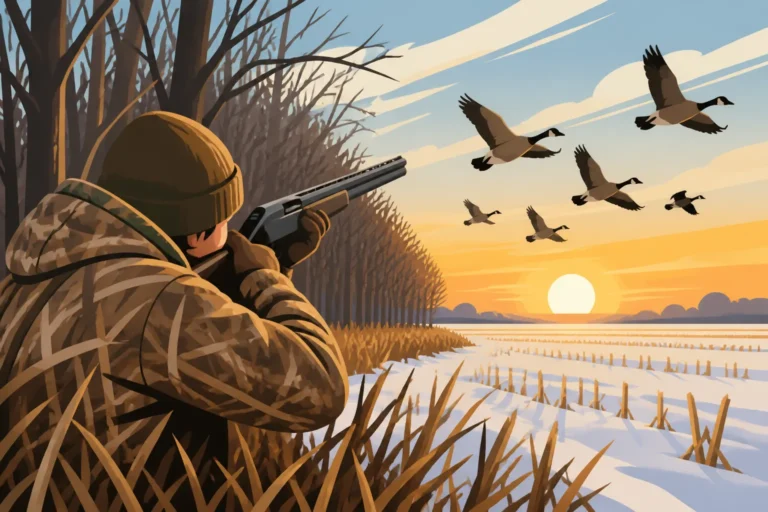
Finding that perfect goose field in Manitoba, where the birds are piling in and the hunting looks absolutely incredible, only to realize it's private land, can be a real punch to the gut. It's a common dilemma for many waterfowl hunters: how do you get access to those prime feeding grounds without trespassing or offending landowners? This guide will walk you through the essential steps and etiquette for successfully securing permission to hunt goose fields across Manitoba.
Understanding Manitoba's Landowner Permission Laws
Navigating land access for hunting can feel like a minefield if you're not sure about the rules. In Manitoba, respecting private property rights isn't just common courtesy; it's the law. Understanding these regulations is the crucial first step before you even think about setting foot on someone else's field.
The Legalities of Trespass and Access
Manitoba has clear laws regarding access to private property. Simply put, if land is privately owned, you need explicit permission from the landowner or occupier to hunt on it. This isn't just about avoiding a fine; it's about maintaining a positive image for hunters and ensuring future access for everyone. Walking onto a field without permission is trespassing, plain and simple, and it can lead to legal penalties, strained relationships with the local community, and a bad reputation for hunters. Many landowners are already wary of strangers on their property, and an uninvited presence only reinforces negative stereotypes. Remember, it’s not just about the act of hunting; it’s also about the presence of vehicles, potential damage to crops or fences, and the general disturbance to their operations or livestock. Understanding the nuances of Manitoba Landowner Permission Law is vital.
The onus is entirely on the hunter to know who owns the land and to secure permission. There's no "implied" permission. If you're not absolutely certain it's public land, assume it's private and seek permission. This proactive approach shows respect and responsibility. The penalties for trespassing can range from fines to confiscation of equipment, and even more severely, a loss of hunting privileges. It's just not worth the risk, especially when a polite conversation can often open doors to fantastic hunting opportunities. Furthermore, the province's Trespass Law for Hunters means landowners can post their land to explicitly deny access, and even if not posted, permission is still required.
Identifying Different Land Types
Manitoba offers a mosaic of land types, and knowing the difference is paramount for any hunter. We have vast stretches of Crown land, which is generally open to public hunting unless otherwise specified, but also extensive private holdings, especially in the prime agricultural zones where geese congregate.
- Private Land: This is the most common type of land in Manitoba's agricultural belt. It includes farm fields, pastures, woodlots, and homesteads. For any of these, you must obtain explicit permission. Many of the best goose fields are on private farms because they offer abundant food sources like swathed barley or standing corn, which are irresistible to migrating waterfowl.
- Crown Land: This is public land managed by the provincial government. While generally open to hunting, specific rules and restrictions can apply based on the Game Hunting Area (GHA) or whether it falls within a Provincial Forest or Wildlife Management Area. Even on Crown land, always double-check local regulations. While you don't need landowner permission here, you still need to know its boundaries. Tools like digital mapping apps (e.g., GoHunt) can be invaluable for identifying Crown land parcels and their boundaries, helping you avoid accidental trespass.
- Municipal Lands and Community Pastures: Some municipalities own land, and there are also community pastures, often managed by local groups or the province. Access to these can vary. For municipal land, you might need to contact the local municipal office. For community pastures, often used for cattle grazing, contacting the pasture manager or board is usually necessary. They might have specific seasons or rules to prevent conflicts with livestock. It's often easier to get permission for these if you approach them with clear intentions and respect for their primary use.
Understanding these distinctions helps you focus your efforts. While hunting on Crown land is simpler from a permission standpoint, the density of prime goose fields often lies within private agricultural areas, making permission a critical skill to master.
The Art of Asking for Permission
Asking for permission can be intimidating, especially if you're new to it. It feels a bit like knocking on a stranger's door and asking for a favour. But when approached correctly, it can lead to incredibly rewarding hunting experiences and even new friendships. Think of it as building a relationship, not just asking for a one-time pass.
Preparation is Key
Before you even think about approaching a farmer, a little homework goes a long way. This isn't just about finding a good field; it's about showing respect and professionalism.
First, scout the area thoroughly. You need to know which field the geese are using and who owns it. Observe flight patterns, feeding times, and entry/exit points. Don't just pick any field; focus on the ones that are actively holding birds or seeing significant traffic. Knowing this information helps you make a compelling case to the landowner. You can even use satellite imagery tools, like those found within applications such as GoHunt, to identify potential hot spots and verify property lines from your armchair before you head out. This preparatory scouting minimizes wasted time and helps you pinpoint exactly which property you need to approach. For those serious about scouting, checking out guides like Scouting a Manitoba Game Hunting Area can offer additional tips.
Next, identify the landowner. This can be done through a few methods:
- Local knowledge: Often, the best way is to ask around at the local co-op, gas station, or diner. Locals usually know who owns what land in the area.
- Municipal tax rolls: In some areas, municipal offices might be able to provide landowner information, though this varies.
- Online mapping tools: Again, platforms like GoHunt are invaluable. Many offer property boundary overlays with landowner names, which can be a game-changer. Just be aware that these databases aren't always 100% up-to-date, so verify if possible.
Once you know who owns the land, try to learn a bit about their operation. Do they farm grain, raise livestock, or both? Are there specific crops in the field? This information can help you tailor your conversation and demonstrate that you're considerate of their livelihood. For instance, if they have cattle, you might emphasize how careful you'll be around fences and livestock.
Finally, timing is everything. Don't show up during harvest, planting, or calving season, when farmers are incredibly busy and stressed. Early morning or late evening after chores are done, or even on a Sunday afternoon, might be better. And always be prepared to be flexible; if they say it's not a good time, politely ask when might be better.
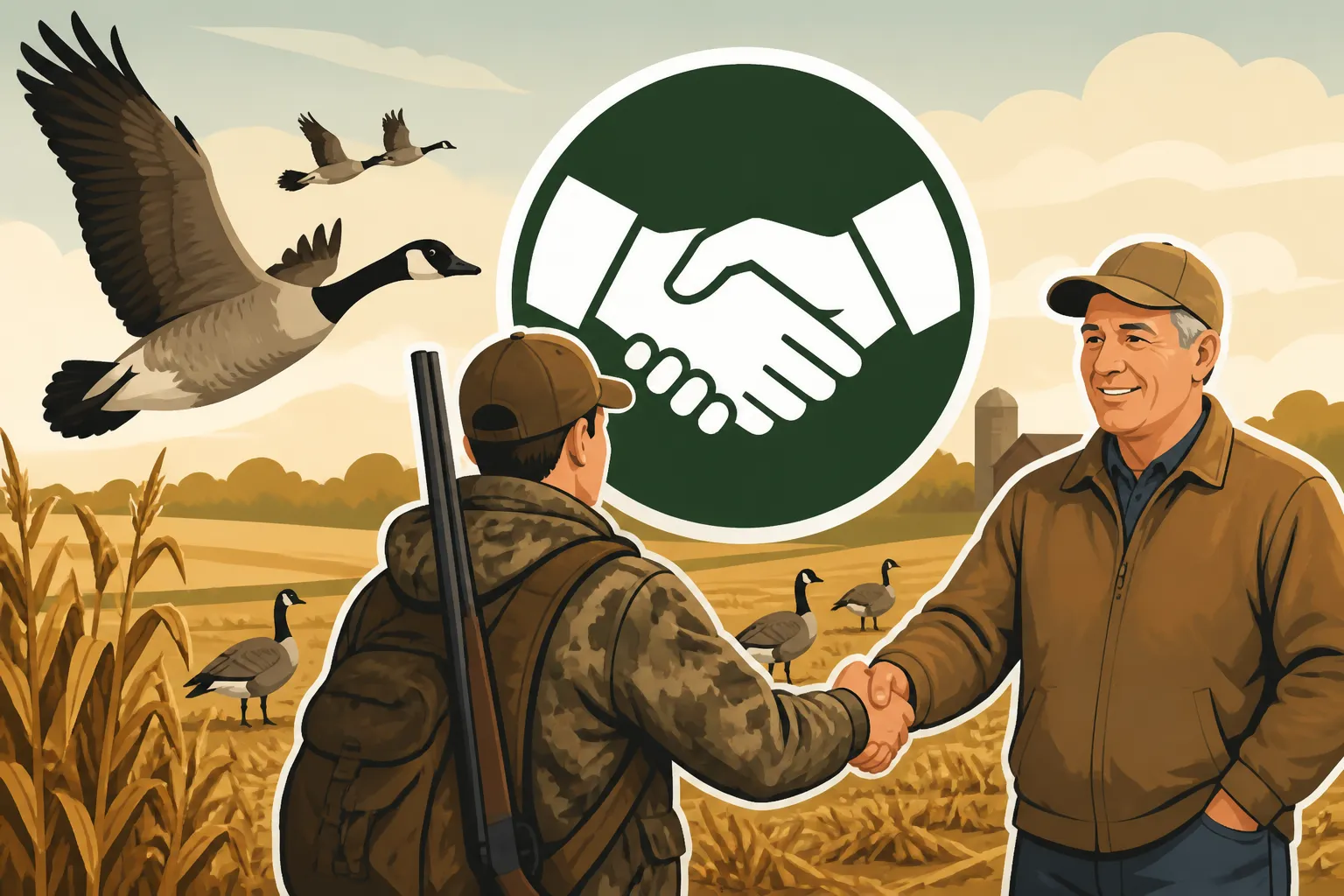
The Face-to-Face Approach
This is often the most effective method. A personal connection builds trust.
- Dress Respectfully: You don't need to wear a suit, but don't show up in your grungiest hunting clothes. Present yourself neatly and respectfully.
- Be Polite and Introduce Yourself Clearly: State your name, where you're from, and why you're there. "Hi, my name is [Your Name], and I'm a hunter from [Your Town]. I noticed a lot of geese using your [specify field, e.g., barley stubble field] and I was hoping to ask for permission to hunt."
- Explain Your Intentions: Be clear about what you want to hunt (geese) and when. Mention that you've done your homework, like seeing "a lot of activity in your stubble field near Highway 240." This shows you're not just randomly knocking on doors.
- Emphasize Safety and Respect: Assure them you are a safe hunter, fully licensed, and understand the importance of being considerate of their property. Mention that you will park in a designated area, close all gates, pick up all your shells, and be mindful of any livestock or equipment. If you've taken a Manitoba Hunter Education course, mention that you understand firearm safety and ethical hunting practices.
- Listen More Than You Talk: Allow the landowner to voice any concerns they might have. They might be worried about safety, property damage, or disturbance to their family or animals. Address these concerns directly and honestly. Perhaps they've had bad experiences with hunters in the past; your goal is to show you're different.
- Be Prepared for "No": It's not personal. They might have valid reasons (other hunters, safety concerns, family hunting, livestock, liability). Thank them for their time regardless and move on.
What to Offer and Expect
When you ask for permission, think about what you can offer in return. This can make your request more appealing and help solidify a relationship.
- Offer to Share the Harvest: A common and often appreciated gesture is to offer some of the geese you harvest. "If I'm successful, I'd be happy to drop off a few geese for you and your family."
- Offer Assistance: Farmers are busy people. "Is there anything I can do to help out while I'm here? Close a gate, check a fence line?" Sometimes a small offer of help can go a long way.
- Emphasize Cleanup: Reiterate that you will leave no trace. "I'll pick up every single spent shell casing, I promise." This is crucial, as litter is a major complaint from landowners. When Setting a Goose Spread in Swathed Barley, the last thing a farmer wants is a field full of plastic and shells after you're gone.
- Discuss Specifics: Be prepared to discuss specific dates, times, and even the number of hunters in your party. If you're going Hunting Snow Geese Over a Big Spread, you'll likely have multiple hunters and a fair amount of gear, which needs to be communicated.
- Liability: Landowners might express concerns about liability. While Manitoba has some protections for landowners, reassuring them that you are a responsible adult and carry appropriate insurance (if you do) can help. Some hunters even carry personal liability insurance specifically for hunting.
Don't expect immediate access. Sometimes, it takes a few conversations or a season of respectful interactions to build the trust needed for permission. Be patient and persistent, but never pushy. The goal is a mutually beneficial relationship.
Navigating Challenges and Building Relationships
Getting permission isn't always a one-and-done deal. It often involves overcoming initial hesitations, gracefully accepting rejections, and fostering long-term relationships built on trust and respect.
Dealing with Rejection
Let's face it, you're going to hear "no" sometimes, maybe even often. It’s part of the game. The key is how you handle it. When a landowner declines your request, thank them sincerely for their time and move on. Do not argue, plead, or complain. Getting upset or disrespectful will only burn bridges and make it harder for the next hunter (and yourself, should you encounter them again).
There are many reasons a landowner might say no:
- Already has hunters: They might have family or friends who hunt, or they've already granted permission to others.
- Safety concerns: They might have livestock nearby, or their children play in areas close to where you want to hunt.
- Bad past experiences: Unfortunately, some landowners have had negative encounters with irresponsible hunters, leading them to close off access completely. Your respectful approach can help to counteract these negative perceptions over time.
- Liability worries: Despite protections, some landowners are simply not comfortable with the perceived risk.
- Busy schedule: They might just not have the time or energy to discuss it.
Whatever the reason, respect their decision. A polite "Thank you for your time, I understand completely" can leave a positive impression, even if you don't get permission. You never know when circumstances might change, or if they might recommend another landowner who is open to hunters. Keep scouting different areas, looking for those specific conditions that attract birds, whether it's Hunting a Swathed Grain Field at Dusk or a Hunting a Standing Canola Field Edge.
Maintaining Long-Term Relationships
Securing permission for one season is great, but building a lasting relationship with a landowner is the ultimate goal. This ensures future hunting opportunities and paints a positive picture of hunters in the community.
- Follow Through on Your Promises: If you said you'd close gates, clean up shells, and avoid certain areas, do it. Every time. Consistency builds trust.
- Show Appreciation: A simple thank you note, a small gift (like a gift card for coffee or a local shop), or sharing some game meat can go a long way at the end of the season. Don't wait until you want to hunt again to connect.
- Check In (Briefly): A quick wave if you see them in town, or a brief stop to say hello (when they're not busy), can reinforce the connection. You might even offer to help with a small chore if the opportunity arises.
- Report Anything Unusual: If you notice a downed fence, strange vehicle tracks, or anything out of the ordinary on their property while you're there, let them know. It shows you care about their land beyond just the hunting opportunity.
- Be Mindful Beyond Hunting: Remember, you're on their home or workplace. Keep noise levels down, especially early morning or late evening. Drive slowly on their access roads.
- Respect Their Privacy: Don't bring extra guests without clearing it first. Their permission was granted to you, not an entire party. If you're planning a trip with a group for Field Hunting Geese in Manitoba Stubble, ensure the landowner knows how many will be present.
Alternative Strategies When Direct Access is Tough
Sometimes, despite your best efforts, direct landowner permission just isn't happening. Don't despair; there are other avenues for a successful goose hunt in Manitoba.
- Focus on Public Lands: While prime goose fields are often private, there are still excellent opportunities on Crown land, especially in areas with scattered agricultural pockets or near larger water bodies that attract birds. Wildlife Management Areas (WMAs) can offer fantastic waterfowl hunting. Research Manitoba's Wildlife Management Areas to find areas near you. Use online mapping systems and provincial resources to identify these public hunting grounds.
- Guided Hunts: If you're consistently striking out on securing private land access, or if you're a non-resident hunter, booking a guided hunt can be an excellent option. Manitoba has many reputable waterfowl outfitters who have established relationships with landowners and access to prime fields. They handle all the logistics, from scouting to decoy spreads, making for a less stressful and often highly successful hunt. Exploring Manitoba Waterfowl Outfitter Packages can reveal some great options, especially for species like Hunting Specklebellies Over Decoys which often require specialized setups.
- Consider "Hunting Manitoba's Second Deer Licence GHAs": While not directly about geese, this concept highlights that some GHAs have different rules or less pressure. Applying this idea to waterfowl, certain less-pressured public areas might hold geese.
- Join Hunting Organizations: Local chapters of hunting and conservation organizations often have members who share information on access or even coordinate group hunts. They can also offer valuable advice on local customs and land access strategies.
- Obtain Proper Licences and Permits: Always ensure you have your federal Manitoba Migratory Bird Permits and a provincial hunting license. You can even explore Getting a Manitoba Licence Online for convenience. This isn't an alternative strategy, but a fundamental requirement for any hunting, and landowners will expect you to be fully compliant.
Remember, Manitoba's diverse landscape means geese are moving through many different regions, as discussed in Manitoba's Ducks and Geese by Flyway. With persistence, preparation, and a respectful attitude, you can definitely find a fantastic goose hunting spot.
Here's a quick look at different ways to approach securing permission:
| Method | Pros | Cons | Best For |
|---|---|---|---|
| In-Person | Builds immediate rapport; personal connection; harder to say no. | Time-consuming; can be awkward; farmers might be busy; requires travel. | First-time requests; building long-term relationships; specific fields. |
| Phone Call | Less time-consuming than in-person; can cover more ground quickly. | Lacks personal touch; easier for landowner to say no; requires finding phone numbers. | Initial inquiries; checking availability after previous contact. |
| Referral/Networking | High trust factor; often leads to immediate permission. | Relies on existing connections; not always an option. | Expanding hunting areas; finding new opportunities. |
| Online Tools (GoHunt, etc.) | Identifies landowners and property lines; aids in scouting. | Doesn't grant permission directly; info might be outdated; requires follow-up. | Pre-scouting; identifying who to contact; non-resident planning. |
| Outfitter/Guide | Guaranteed access to prime land; all logistics handled; high success rate. | More expensive; less independent hunting experience. | Non-residents; first-time hunters; those short on time/local knowledge. |
Ultimately, getting permission for a goose field in Manitoba boils down to respect, preparation, and persistence. Treat landowners how you'd like to be treated, be a responsible hunter, and you'll open doors to incredible hunting experiences across our beautiful province.
Disclaimer
The information provided in this article is for general guidance and informational purposes only. Hunting regulations and land access rules in Manitoba can change, and specific situations may require unique considerations. Always consult the most current Manitoba Hunting Guide and relevant provincial legislation before planning any hunting activity. It is the hunter's responsibility to understand and comply with all applicable laws and regulations.