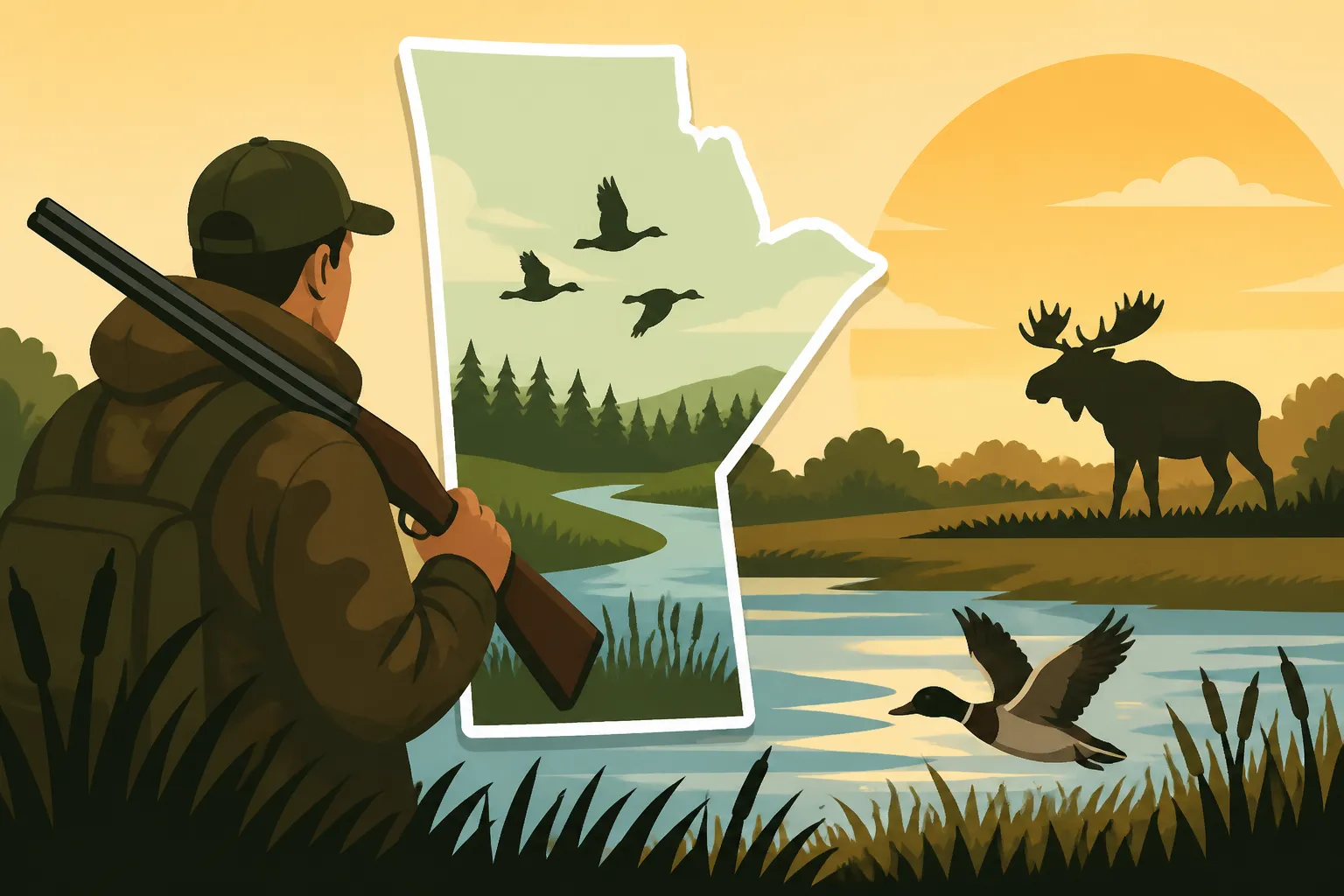
Manitoba’s Wildlife Management Areas
Feeling overwhelmed by the sheer size of Manitoba and trying to figure out where you can actually stretch your legs and hunt without running into "No Trespassing" signs? It’s a common frustration, especially for those new to the province or exploring new zones. This comprehensive guide is here to shed light on Manitoba's Wildlife Management Areas (WMAs), offering a detailed look at these crucial public hunting grounds, how to access them, and what you can expect when you venture out.
Understanding Wildlife Management Areas (WMAs) in Manitoba
When you're looking at a map of Manitoba, trying to find a place to hunt, the vastness can be daunting. You see private land, Crown Land, provincial parks, and then these specific areas marked as "Wildlife Management Areas." It's easy to get them confused or wonder what makes them special. In short, WMAs are pieces of land, often significant in size, that the province has set aside specifically for wildlife conservation and, critically for us, for public recreational uses like hunting, trapping, and fishing. They're not just random plots; they're strategically managed to sustain healthy wildlife populations.
The Purpose Behind WMAs
WMAs aren't created by accident. They are often established in areas that represent critical habitat for various species, whether it's migratory bird staging grounds, deer wintering areas, or key furbearer corridors. The primary goal is to ensure that these vital landscapes remain intact and productive for wildlife, allowing populations to thrive away from the constant pressures of urban development or intense agricultural conversion. This focus on habitat translates directly into better hunting opportunities for us. Imagine a vast marsh teeming with ducks and geese, or a sprawling block of bush that provides security cover and food for whitetails; that’s the vision behind a WMA. They offer a counterbalance to habitat loss elsewhere, providing secure havens for game.
The provincial government acquires and designates these lands with long-term ecological health in mind. This means active management practices might be in place, such as controlled burns, habitat restoration projects, or even specific farming agreements designed to leave food for wildlife. These efforts directly benefit hunters by fostering stronger game populations and more diverse ecosystems to hunt within. Think of it as an investment in the future of hunting and conservation, ensuring that future generations can enjoy the same rich outdoor experiences we do.
For example, many WMAs in the Interlake region are critical staging areas for waterfowl, offering food and resting spots during migration. Without these protected and managed areas, birds would have fewer safe havens, and our hunting opportunities would diminish significantly. Similarly, other WMAs preserve critical bush habitat in areas dominated by farmland, acting as vital refuges for deer, moose, and bear. It’s a deliberate, long-term strategy to ensure robust wildlife populations.
Legalities and Regulations Within WMAs
Now, while WMAs are indeed public hunting grounds, that doesn't mean it's a free-for-all. Every WMA comes with its own set of rules and regulations, often more specific than those applied to general Crown Land. These rules are designed to balance conservation goals with recreational use and to ensure hunter safety. You absolutely need to know what you can and cannot do before you step foot in one. Common restrictions might include specific vehicle access limitations, prohibitions on certain types of blinds, or rules about camping. Manitoba Wildlife Management Area Rules are a critical read before any trip.
Beyond general provincial hunting regulations, WMAs often have rules unique to their specific area. For instance, some might have restrictions on motorized vehicle use during certain times of the year to protect wet trails or reduce disturbance during critical wildlife periods. Others might have specific zones where only archery hunting is permitted, or where baiting is prohibited to manage disease risk or hunter ethics. These aren't meant to make your life harder; they're put in place to maintain the integrity of the area and the quality of the hunting experience. Ignoring these rules can lead to fines, loss of privileges, and damage to the very resource we cherish.
It's also important to remember that WMAs are multi-use areas. While hunting is permitted, other activities like hiking, birdwatching, and trapping also occur. Courtesy and respect for all users are paramount. This means knowing your shooting lanes, being aware of other people, and always following safe hunting practices. Always check the current year's hunting guide and any specific WMA signage or online resources for the most up-to-date regulations. Don't just assume what applies in one WMA applies in all of them; each one can have its own nuances.
Distinguishing WMAs from Other Public Lands
It's easy to lump all public land together, but WMAs are distinct from other categories like Provincial Forests, Provincial Parks, or general Crown Land. While all offer public access, their primary mandates and associated rules can differ significantly. General Crown Land, for example, might have fewer specific restrictions on things like camping or vehicle use, though it’s always wise to check local regulations. Provincial Forests are often managed for timber production in addition to recreation, which can influence habitat structure over time. Public Hunting Land in Manitoba explains these categories in more detail.
Provincial Parks, on the other hand, often have very strict rules regarding hunting, with many outright prohibiting it or only allowing it in designated, very limited zones under special permits. WMAs are explicitly established with wildlife conservation and public hunting as core components of their management. This focused approach means that WMAs are generally more reliable for hunting opportunities than, say, a random patch of Crown Land you found on a map, which might be less actively managed for game.
The "management" in Wildlife Management Area is key. These aren't just tracts of wild land left untouched; they are actively cared for. This could involve habitat enhancement, population monitoring, or regulating access to prevent over-use. This proactive approach sets them apart and often results in more consistent game populations and better hunting experiences. When you're planning your trip, using mapping apps like onX Hunt can help you distinguish between these different land classifications, showing clear boundaries and ownership, which is incredibly helpful when you're in unfamiliar territory.
Navigating Access and Boundaries
So, you've identified a WMA that looks promising for your next hunting adventure. Great! But now comes the practical part: how do you actually find it, get in, and ensure you're staying within its boundaries? It can be tricky, especially in areas where WMAs abut private farmland or where access roads aren't clearly marked. A little pre-scouting and relying on the right tools can make all the difference between a successful hunt and a frustrating day getting lost or inadvertently trespassing.
Finding WMAs with Digital Tools
In today's hunting world, digital mapping tools are an absolute game-changer, especially for navigating public lands like WMAs. Services like onX Hunt or GoHunt provide detailed satellite imagery overlaid with property boundaries, showing exactly where public lands begin and end, and often indicating specific WMA boundaries. This kind of information is invaluable for pre-hunt scouting from your couch, allowing you to identify access points, potential bedding areas, water sources, and travel corridors without ever setting foot in the bush. Scouting a Manitoba Game Hunting Area is much easier with these tools.
When you're out in the field, having these apps on your phone or a dedicated GPS unit means you always know exactly where you are in relation to the WMA boundary. This is crucial for avoiding accidental trespass onto private land, which can quickly ruin a hunt and damage landowner relations. You can mark waypoints for your truck, a good stand location, or a game trail, and navigate confidently. Many WMAs are bordered by private land, often with subtle changes in vegetation or fencing, making digital aids almost essential for responsible hunting.
Beyond just boundaries, these tools can also help you understand the terrain. Contour lines can reveal subtle elevation changes that might hold deer, while different vegetation layers can indicate transitions from open prairie to dense bush. You can identify potential pinch points, food plots (if applicable within the WMA), or remote pockets that might hold less-pressured animals. Always download offline maps before you head out, as cell service can be spotty or non-existent in many Manitoba WMAs, ensuring you have critical information even without a signal.
Physical Markers and Signs on the Ground
While digital tools are fantastic, you should never rely solely on them. Always be on the lookout for physical signage and markers on the ground when hunting WMAs. Provincial signs, often green or yellow, clearly mark the start and end of a WMA. These signs are there for a reason and serve as the official confirmation of where you are. Along the boundaries, you might find posts, painted trees, or even changes in fencing that indicate the transition from private to public land.
Sometimes, especially in older or more remote WMAs, signage can be sparse or damaged. Don't be surprised if you don't find a sign at every conceivable access point. This is where your pre-scouting with digital maps becomes even more critical. However, when you do see official signage, pay close attention. They often include specific rules or warnings relevant to that particular WMA, such as "No Motorized Vehicles Beyond This Point" or "Archery Only Zone." These physical markers are your legal indicators, and they take precedence.
When approaching a WMA, especially one that borders agricultural fields or farmyards, always assume that the land is private unless clearly marked as public. Look for obvious signs of cultivation, fences, or residential structures. If there's any doubt, err on the side of caution. If you're on a multi-day hunt, taking photos of entry point signs can also serve as a useful reference later, especially if you're navigating in low light or adverse weather conditions.
Respecting Adjacent Private Land Boundaries
This point cannot be stressed enough: respecting private land boundaries is paramount. Many WMAs are checker-boarded with private agricultural lands, farm woodlots, or even residential properties. While WMAs are public, the land directly beside them might not be, and accidentally trespassing can lead to serious consequences, including legal trouble and negatively impacting the reputation of all hunters. Even if you're just a few feet over the line, it's still trespassing. Manitoba Trespass Law for Hunters is very clear on this.
Before heading into a WMA, take a moment to study the adjacent properties on your mapping app. Note any distinctive features, like a specific treeline, a small pond, or a building, that can help you orient yourself on the ground. When you're actively hunting, constantly be aware of your surroundings and cross-reference with your GPS. If a deer or other game animal runs onto private land, you cannot pursue it without explicit permission from the landowner. It's frustrating, I know, but it's the law and a matter of ethical hunting.
Building good relationships with local landowners, even if you're primarily hunting WMAs, can be beneficial. They might grant permission to retrieve game that crosses onto their property, or even allow access through their land to a more remote part of the WMA, which can be a huge time-saver. Always ask politely, respect their decision, and leave no trace. This kind of courtesy helps maintain access for everyone in the long run.
Hunting Opportunities Within WMAs
Now for the exciting part – what can you actually hunt in Manitoba's Wildlife Management Areas? The answer is: quite a lot! WMAs are often strategically located in prime habitat for various game species, making them excellent choices for both big game and bird hunting. However, the specific opportunities will vary greatly depending on the WMA's location, habitat type, and the prevailing game populations in that particular region.
Common Game Species in Manitoba WMAs
Manitoba's WMAs offer a diverse range of hunting opportunities. For many hunters, whitetail deer are the primary draw. Many WMAs, particularly those in the Parkland and Interlake regions, provide excellent habitat for deer, often featuring a mosaic of bush, agricultural fields (sometimes managed for wildlife food plots), and wetland edges. These areas can hold significant numbers of deer, including some impressive bucks, especially if you're willing to venture deeper away from common access points.
Beyond deer, you'll find strong populations of upland birds like sharp-tailed grouse and ruffed grouse in various WMAs. Look for sharptails in areas with open grasslands and pockets of shrubs, while ruffed grouse prefer denser deciduous and mixed forest cover. Waterfowl hunting is also a huge draw in many WMAs, especially those with significant marshland or adjacent to major lakes and rivers. WMAs like the Delta Marsh or Lake Francis are legendary for their duck and goose hunting. Manitoba's Upland Birds and Where They Live and Manitoba's Ducks and Geese by Flyway offer great insights into these species.
In some of the larger, more remote WMAs, particularly those bordering provincial forests or further north, you might even find opportunities for black bear. These areas provide the expansive, undisturbed habitat bears need to thrive. While less common, depending on the WMA and its proximity to suitable habitat, you might also encounter coyotes or other furbearers. Always check the specific GHA (Game Hunting Area) regulations for the WMA you intend to hunt, as species availability and season dates can vary.
Special Seasons and Restrictions
It's crucial to understand that WMAs often have specific seasons or restrictions that might differ from the broader GHA they are located within. This is where your research comes in. For example, some WMAs might be designated "Archery Only" zones for big game, or they might have specific timeframes when certain types of hunting are permitted. These special rules are usually in place for safety, to manage hunter pressure, or to achieve specific conservation objectives for that particular area.
You might also find that WMAs have staggered opening dates for different species or different weapons. For instance, the general rifle season might open later in a WMA than in surrounding private land, or there might be an extended archery season within its borders. Always consult the official Manitoba hunting guide for the current year. This guide will outline any WMA-specific regulations, season dates, and weapon restrictions. Don't rely on information from previous years, as regulations can and do change. Manitoba Big Game Season Dates and Manitoba Game Bird Seasons and Limits are essential resources.
In some cases, specific WMAs might even host special draw hunts for antlerless deer or other species as part of population management efforts. These are unique opportunities that require a separate application process and are typically designed to target specific animal demographics. Keeping an eye on the provincial draw announcements is key if you're interested in these specialized hunts.
General Regulations for Hunting in WMAs
Beyond the specific seasons and restrictions, all general provincial hunting regulations apply within WMAs. This includes things like tag validation requirements, blaze orange mandates (where applicable), legal shooting hours, and ethical hunting practices. You are still required to carry your valid hunting license and species tags, and to ensure your firearm or bow meets all legal requirements. Manitoba Hunting Licences and What They Cost and Legal Firearms and Bows for Big Game provide necessary details.
It's also important to remember rules around baiting, possession limits, and evidence of sex requirements for certain animals. While baiting might be permitted for some species (like bear) in certain GHAs, it might be prohibited within specific WMAs due to their unique management plans or disease control measures. Always verify. The goal is to hunt responsibly and sustainably, preserving the resource for everyone.
Transporting game out of a WMA also falls under general regulations. Ensure your animal is properly tagged, and that you comply with any carcass transport rules, especially if the WMA is within a Chronic Wasting Disease (CWD) surveillance zone. This means understanding exactly what parts of the animal you can remove and what must be left behind or submitted for testing. Your diligence in following all rules contributes to the overall health of Manitoba's wildlife and the perception of hunters as responsible conservationists.
Specific Challenges and Considerations for WMA Hunting
While Wildlife Management Areas offer incredible public hunting opportunities, they aren't without their unique set of challenges. Thinking these through beforehand can save you a lot of grief and make your hunt more enjoyable and successful. It’s all about realistic expectations and being prepared for what you might encounter.
Dealing with Hunter Pressure
One of the biggest realities of hunting public land, including WMAs, is hunter pressure. Especially on opening weekends, during peak rut, or in easily accessible WMAs near population centers, you're likely to encounter other hunters. This can be frustrating when you're seeking solitude and unpressured game. Deer, in particular, quickly learn to adapt to hunter presence, becoming more nocturnal or moving into the densest cover.
To mitigate the impact of hunter pressure, consider hunting mid-week if your schedule allows, or targeting later in the season when many fair-weather hunters have packed it in. Another effective strategy is to "go where others won't." This often means walking further from main access roads, or navigating into areas that are less convenient to reach. Many hunters stick close to their vehicles, so simply pushing an extra half-mile or through a swampy patch can put you into less disturbed territory. Hunting a Manitoba Quarter Section or Finding Ground Other Hunters Drive Past delves into this.
Pre-scouting with tools like onX Hunt can help you identify these harder-to-reach pockets. Look for deep timber blocks, dense willow runs, or marsh edges that might deter casual hunters. Remember that game animals are adept at finding refuge, and if you can locate those sanctuaries within a WMA, you significantly increase your odds. Having a plan B, or even a WMA C, D, and E in your back pocket, is also a smart strategy in case your primary spot is overrun.
Understanding Diverse WMA Habitats
Manitoba's WMAs boast an incredible diversity of habitats, from vast marshes to dense boreal forests, aspen parkland bluffs, and rolling grasslands. This diversity is fantastic for wildlife, but it means you need to adapt your hunting approach to the specific environment you're in. What works for a whitetail in a willow run in a prairie WMA won't necessarily work for a bear in a northern boreal WMA. Each habitat type presents its own set of challenges and opportunities.
For instance, hunting a marshland WMA like the Delta Marsh for waterfowl requires specialized gear: waders, decoys, calls, and potentially a boat or robust retrieving dog. Your tactics will revolve around setting up in natural flyways, understanding wind direction, and being camouflaged perfectly. On the other hand, hunting a bush-country WMA for deer might involve still-hunting through thick cover, setting up ground blinds near food sources, or rattling during the rut. Hunting a Manitoba Bush Edge or Hunting a Frozen Slough Crossing will offer more specific advice for these terrains.
Before you even head out, research the primary habitat types of your chosen WMA. Satellite imagery on your mapping app is invaluable for this. Look for distinct changes in vegetation, water bodies, and terrain features. Understand what game species prefer those habitats and plan your gear and tactics accordingly. Don't go into a dense forest WMA expecting open field shots, or into a dry prairie WMA looking for moose wallows. Be adaptable and respectful of the environment.
Logistics of Hunting Remote or Larger WMAs
Some of Manitoba's WMAs are truly massive, sprawling over thousands of acres, and can be quite remote. Hunting these larger, more remote areas presents significant logistical challenges that need careful planning. Access might be limited to seasonal gravel roads, old logging trails, or even require ATVs or boats. Manitoba Road and Winter Access and Quad and Side-by-Side Rules on Crown Land are good reads. Cell service is often non-existent, making communication and navigation critical considerations.
For larger WMAs, consider the effort involved in game retrieval. A successful hunt deep in a remote WMA means you'll have to get that animal out, potentially over difficult terrain, through thick bush, or across water. This might require multiple trips, game carts, or specialized equipment. Always over-prepare for game retrieval, especially for larger animals like moose or elk if they are present in the WMA (though moose are typically in more northern, designated areas). Quartering a Moose Alone in the Bush or Getting a Deer Out on a Frozen Trail offer practical advice.
Packing enough food, water, first-aid supplies, and emergency gear is non-negotiable for remote WMA hunts. A sudden change in weather, an unexpected injury, or getting turned around can quickly become serious when you're hours from the nearest help. Always tell someone exactly where you're going and when you expect to return. Consider carrying a satellite communication device for true off-grid peace of mind. The sense of accomplishment from a successful hunt in a truly wild WMA is immense, but it demands respect for the wilderness and meticulous preparation.
Key Manitoba Wildlife Management Areas to Explore
Manitoba is home to dozens of Wildlife Management Areas, each with its own character, habitat, and primary species. It's impossible to cover them all in detail, but let's highlight a few prominent ones that offer fantastic opportunities and exemplify the diversity of WMAs across the province.
The Interlake WMAs: Lake Francis and Alonsa
The Interlake region, nestled between Lake Winnipeg and Lake Manitoba, is a mosaic of fertile farmland, extensive marshes, and aspen bluffs. This makes it a hotspot for waterfowl and deer, and some of the most famous WMAs are located here.
Lake Francis Wildlife Management Area is a prime example. This WMA is renowned for its incredible waterfowl hunting. Located just north of the community of Woodlands, it encompasses vast tracts of marshland and associated uplands, providing critical staging and nesting habitat for ducks, geese, and other migratory birds. Hunters flock here in the fall for the spectacle of thousands of birds moving across the landscape. The sheer numbers can be astounding, offering fast-paced action, especially early in the season. Access typically involves navigating seasonal roads and trails, and a boat or good waders are often essential to reach prime spots. While waterfowl is the main draw, the surrounding uplands and bush pockets can also hold deer. Hunting the Lake Francis Wildlife Area is an excellent resource for planning a trip here.
A bit further north, the Alonsa Wildlife Management Area presents a different kind of Interlake experience. While it also has wetland components, Alonsa is perhaps better known for its mix of aspen forest, oak bluffs, and agricultural fields, making it excellent deer habitat. It’s a fantastic WMA for whitetail hunters, offering a blend of dense cover for bedding and open areas for feeding. The terrain can be varied, with some rolling hills and numerous sloughs and potholes. Hunter pressure can be significant on opening weekend, but there’s enough ground for those willing to walk. The mix of cover types means you can employ various tactics, from stand hunting field edges to still-hunting the bush. Hunting the Alonsa Wildlife Area will provide more in-depth information.
Both Lake Francis and Alonsa WMAs require careful attention to boundaries, as they are often bordered by private agricultural land. Digital mapping tools are invaluable here to ensure you're always on public ground.
Western Parkland WMAs: Duck Mountain and Whitemouth Lake
Moving west, the Parkland region of Manitoba offers a blend of rolling hills, deciduous and coniferous forests, and agricultural pockets, providing diverse hunting opportunities.
The Duck Mountain Provincial Forest also contains significant WMA sections and is a vast, rugged wilderness on the western edge of the province. While much of it is provincial forest, specific WMA designations within or adjacent to it protect key wildlife corridors and habitats. This area is known for its mixed forest habitat, which supports robust populations of deer, black bear, and in some zones, even elk. The terrain can be challenging, with steep ridges, deep valleys, and numerous lakes and streams. Hunting here often means getting off the beaten path, using quads or just pure leg power to access remote blocks. The sheer size of the Duck Mountain area means that even with other hunters around, you can often find solitude and undisturbed game. It’s a fantastic place for hunters who love a true wilderness experience.
Further south and east, near the US border, the Whitemouth Lake WMA offers a different landscape. This WMA is characterized by its large shallow lake, extensive marshlands, and surrounding boreal transition forest. It's a critical area for waterfowl, acting as a significant staging ground during migration. The wetland areas are teeming with ducks and geese, and hunters can expect excellent opportunities. Beyond waterfowl, the mixed forest and brushy uplands around the lake also support whitetail deer and black bears. Access can be challenging in wet conditions, and knowing the lay of the land, especially water depths and marsh crossings, is vital for success. This WMA embodies the rich biodiversity of Manitoba's southeastern corner.
These Western Parkland WMAs offer a more rugged experience than the Interlake, often demanding more physical effort and a deeper understanding of bush navigation.
Eastern and Southern WMAs: Mars Hill and Pembina Valley
Manitoba's eastern and southern regions also feature critical WMAs, each with unique characteristics.
The Mars Hill Wildlife Management Area, located in the eastern region, is another excellent example of a WMA managed for both big game and waterfowl. It features a mix of treed uplands, marsh, and agricultural land, providing a varied habitat for multiple species. It's a popular spot for whitetail deer, with the dense bush offering security cover and the adjacent fields providing food. The wetland portions attract migratory birds, making it a versatile hunting destination. Being relatively close to Winnipeg, it can experience significant hunter pressure, but diligent scouting and a willingness to explore beyond the obvious can yield success. This WMA is a great place to experience the transition between agricultural land and the edge of the boreal forest.
In the south-central part of the province, the Pembina Valley Wildlife Management Area offers a stunning and challenging hunting landscape. Nestled within the Pembina Escarpment, this WMA features rugged river valleys, steep wooded slopes, and pockets of farmland. It's prime habitat for whitetail deer, and its topography can create natural funnels and bedding areas that bucks love. Hunting here is physically demanding, involving significant elevation changes and navigating dense timber. The rewards, however, can be substantial, with the potential for mature deer that thrive in the security of the valley's broken terrain. While primarily a deer destination, the diverse habitats also support various small game species. Hunting the Pembina Valley Slopes is an essential read for anyone planning a hunt in this unique WMA.
These WMAs showcase the incredible diversity of Manitoba's landscapes and the tailored opportunities they present for hunters. Each one requires specific knowledge and planning to hunt effectively.
Here's a quick overview of some highlighted WMAs:
| WMA Name | Primary Species (Common) | Key Habitat Types | General Location | Special Considerations |
|---|---|---|---|---|
| Lake Francis WMA | Waterfowl, Whitetail Deer | Extensive Marshland, Uplands | Interlake (North of Wpg) | Legendary waterfowl, requires waders/boat, high pressure |
| Alonsa WMA | Whitetail Deer, Waterfowl | Aspen/Oak Bluffs, Wetlands, Agriculture | Interlake (West of Lake Wpg) | Good deer numbers, varied terrain, moderate pressure |
| Duck Mountain Area | Whitetail Deer, Black Bear, Elk | Mixed Forest, Rugged Hills, Lakes | Western Parkland | Wilderness feel, physically demanding, great bear habitat |
| Whitemouth Lake WMA | Waterfowl, Whitetail Deer, Bear | Shallow Lake, Marsh, Boreal Transition Forest | Southeastern Manitoba | Critical waterfowl staging, challenging access in wet conditions |
| Mars Hill WMA | Whitetail Deer, Waterfowl | Treed Uplands, Marsh, Agricultural Land | Eastern Manitoba | Versatile, close to Winnipeg, can have high pressure |
| Pembina Valley WMA | Whitetail Deer | Rugged River Valleys, Wooded Slopes, Farmland | South Central Manitoba | Physically demanding, great for mature deer, unique topography |
Conservation and Responsible Hunting in WMAs
Hunting in Wildlife Management Areas isn't just about bagging an animal; it's also about being a steward of the land and the wildlife that calls it home. As hunters, we play a crucial role in conservation, and practicing responsible hunting is key to ensuring these valuable resources remain healthy for generations to come.
The Hunter's Role in WMA Conservation
Hunters are often among the most passionate conservationists, and WMAs are a prime example of where that passion can translate into direct impact. The existence and maintenance of these areas are, in many ways, supported by hunters through licence fees and excise taxes on equipment. This funding goes towards habitat improvement projects, wildlife research, and enforcement that directly benefits the ecosystems within WMAs. We don't just take; we contribute significantly to the health and vitality of the resource.
Beyond financial contributions, hunters are often the "eyes and ears" on the ground in these remote areas. Reporting unusual wildlife sightings, signs of disease, or illegal activities like poaching or habitat destruction to conservation officers helps protect the WMA and its inhabitants. We are uniquely positioned to observe changes in game populations, habitat conditions, and the presence of invasive species. This information is invaluable to wildlife managers.
Participating in local conservation efforts, such as clean-up days, habitat restoration projects, or even just advocating for sound wildlife management policies, further solidifies our role as conservation partners. When you hunt a WMA, you are part of a larger system, and your actions reflect on the entire hunting community. Being a responsible, ethical hunter is the best way to ensure continued public access to these incredible lands.
Low-Impact Hunting Practices
To truly uphold our conservation responsibilities, it's vital to adopt low-impact hunting practices within WMAs. This means minimizing your footprint and leaving the environment as undisturbed as possible. Pack out everything you pack in – and then some. Don't leave trash, spent shell casings, or any other debris behind. The "Leave No Trace" principles are particularly applicable when hunting public lands.
Vehicle use should strictly adhere to designated trails and roads. Going off-road can damage sensitive habitats, create erosion, and disturb wildlife. If the trail is wet and muddy, consider walking or finding an alternative route to avoid creating deep ruts that degrade the land for everyone. Vehicle Rules on Manitoba Crown Land are important to remember. When setting up treestands or ground blinds, choose locations that minimize disturbance to trees or vegetation, and always remove them after the season is over unless explicitly permitted to leave them.
Ethical shot placement and diligent tracking are also part of low-impact hunting. A clean kill minimizes suffering and ensures that game meat isn't wasted. If you wound an animal, make every effort to recover it. This not only prevents waste but also reflects respect for the animal and the resource. Respecting other users of the WMA, whether they are other hunters, hikers, or birdwatchers, also falls under low-impact practices. Be courteous, share the space, and contribute to a positive outdoor experience for all.
Reporting Violations and Wildlife Sightings
Seeing something amiss in a WMA? Don't hesitate to report it. Whether it's illegal dumping, suspicious hunting activity outside of legal seasons or hours, or even just an unusual wildlife sighting like an animal displaying signs of illness, your report can make a real difference. Conservation officers rely heavily on public assistance to monitor and protect Manitoba's natural resources.
For urgent matters like suspected poaching, use Manitoba's Turn In Poachers (TIP) line. For less urgent observations, like seeing a deer with a strange growth or evidence of habitat damage, contact your local conservation office. Provide as much detail as possible: location, date, time, description of individuals or vehicles involved, and any specific observations. Photos or videos, taken safely and without interfering, can also be incredibly helpful.
Even positive wildlife sightings are valuable. Noticing an increase in a certain species, or the presence of a rare bird, can contribute to ongoing wildlife surveys and management decisions. By actively engaging with wildlife authorities, you become an integral part of the WMA's management and conservation efforts, ensuring these vital public hunting grounds remain vibrant and healthy for all.
Disclaimer
This article is for general informational purposes only and does not constitute professional advice. Laws, prices and regulations vary by location and change over time. Consult a qualified professional for guidance on your specific situation.