Hunting Huns Along a Manitoba Shelterbelt
For many upland bird hunters in Manitoba, the elusive Hungarian Partridge, or "Hun," presents a thrilling challenge. These small, fast-flying birds often seem to vanish into thin air, leading to frustrating days in open fields. But for those who learn to read the landscape, particularly the humble shelterbelt, the rewards can be plentiful, offering an exciting and accessible hunt right here in our prairies.
Understanding Hungarian Partridge Behavior and Habitat in Manitoba Shelterbelts
Hungarian partridge are truly creatures of the agricultural landscape, thriving where grain fields meet cover. While they're known for exploding out of stubble fields, shelterbelts offer them something crucial: consistent, reliable refuge. Knowing why these birds choose shelterbelts, and how to spot the most promising ones, is half the battle won.
Why Huns Love Shelterbelts: Food, Cover, and Warmth
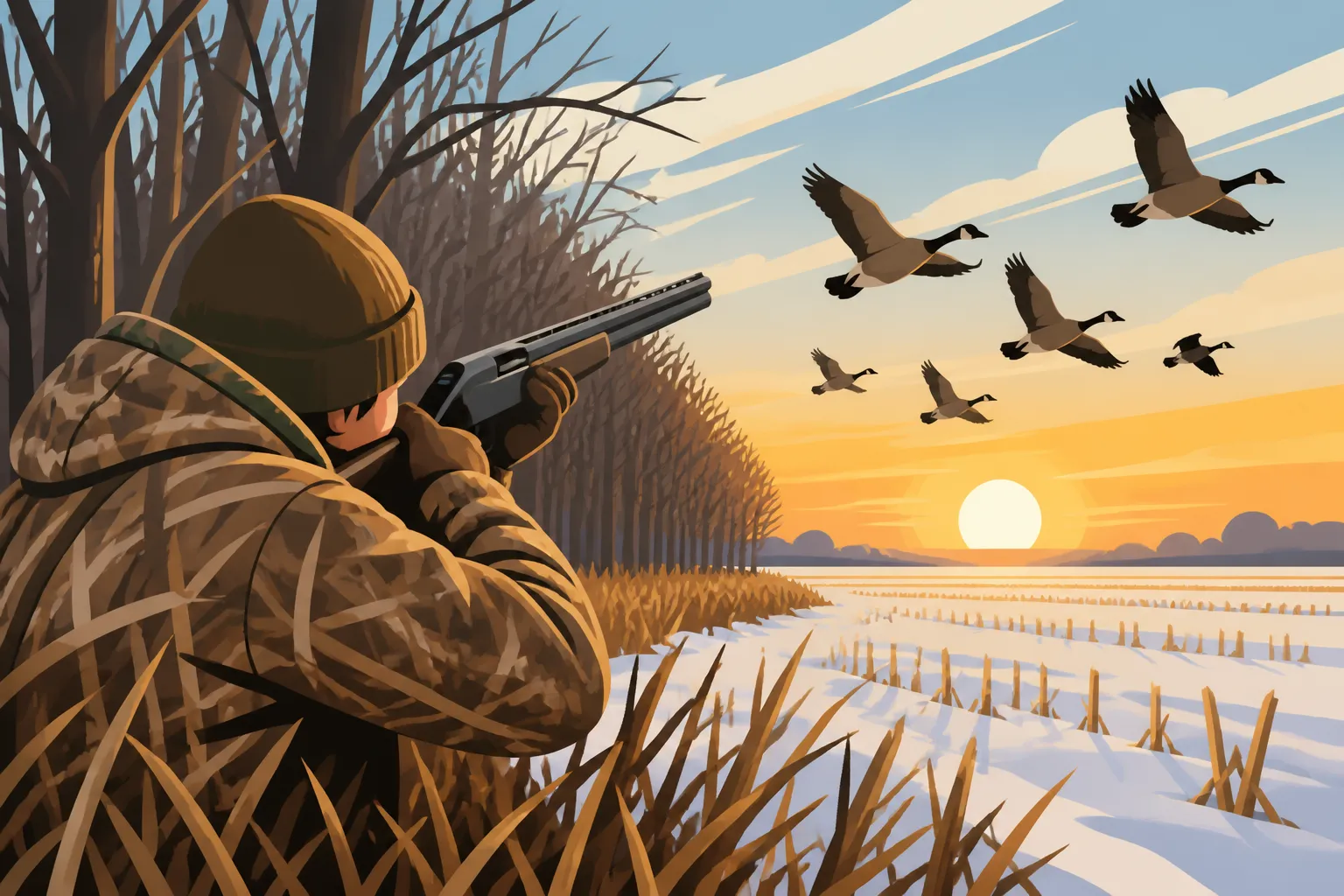
Shelterbelts, those linear plantings of trees and shrubs that crisscross Manitoba's farmland, are absolute magnets for Huns. Think about it from a bird's perspective. In an otherwise open, windswept prairie, these narrow strips of vegetation offer immediate protection from the elements. A biting north wind on a cold November morning? A thick caragana hedge provides an invaluable windbreak and thermal cover. When the snow starts to fly, these sheltered areas become critical for survival, offering insulation from freezing temperatures.
Beyond protection, shelterbelts are often bordered by ditch lines and uncultivated edges that offer a buffet of food sources. Huns aren't picky eaters; they'll readily forage on weed seeds, clover, and spilled grain, especially if the adjacent fields are wheat, barley, or canola. These edges also provide insects and grubs during warmer months, rounding out their diet. And perhaps most importantly, shelterbelts offer excellent escape cover from aerial predators like hawks and owls, and ground predators such as coyotes and foxes. The dense branches and thorny bushes create a maze that makes it hard for a larger predator to pursue them effectively, giving Huns a much-needed sanctuary in an otherwise exposed world.
Reading the Landscape: Identifying Productive Shelterbelts
Not all shelterbelts are created equal when it comes to holding Huns. To become a more successful hunter, you need to develop an eye for what makes a good one truly productive. First, consider the composition of the shelterbelt itself. While a single row of mature spruce can offer some protection, a multi-row planting featuring a mix of caragana, poplar, and spruce often provides the best habitat. The lower, denser shrubs like caragana offer excellent ground-level cover, while the taller trees provide overhead protection. Look for shelterbelts that are particularly thick and perhaps a bit overgrown, as these offer the best hiding spots.
The surrounding environment is also key. The most productive shelterbelts are usually those that run alongside or near active grain fields. Birds will feed in the stubble or standing crops, then retreat into the shelterbelt for loafing, roosting, or to escape danger. Access to water, even a nearby ditch or low-lying area, can also make a shelterbelt more appealing. Pay attention to fence lines and areas where different types of cover converge, as these "edge habitats" are often prime locations. Using satellite imagery, perhaps with a tool like GoHunt, can be incredibly useful for Scouting With Satellite Imagery in Manitoba before you even step foot in the field, helping you identify promising shelterbelts and understand the surrounding land use patterns. This way, you can narrow down your search and focus your efforts on the areas most likely to hold birds.
Essential Gear and Tactics for Hunting Huns in Shelterbelts
Successfully hunting Hungarian partridge in shelterbelts requires a combination of the right equipment and smart field tactics. These birds are renowned for their explosive flush and rapid flight, so being prepared for quick shots and understanding how to effectively work the cover is paramount.
Shotguns, Loads, and Chokes: Optimized for Fast-Flying Birds
When it comes to firearms, a lightweight 12 or 20-gauge shotgun is generally preferred for Hungarian partridge. You'll be carrying it a lot, potentially through dense cover, so a lighter gun makes a real difference. The ability to swing quickly and get on a fast-flushing bird is crucial, and a shorter barrel (26 or 28 inches) can help with this in tight quarters. For ammunition, standard field loads with 1 1/8 oz of lead shot for a 12-gauge, or 7/8 oz for a 20-gauge, are perfectly adequate. Shot size 7.5 is a popular choice, offering a good balance of pellet count and energy for these smaller birds. Some hunters might even opt for 6s if they anticipate slightly longer shots or are also targeting a mix of other upland birds.
Choke selection is also important. Given the typical flushing distances in a shelterbelt – often close and chaotic – an Improved Cylinder (IC) choke in the first barrel is an excellent choice, providing a wider pattern for those close-range, reactionary shots. If you're running a double barrel or an over/under, a Modified (Mod) choke in the second barrel gives you a bit more reach for any birds that might escape the initial flurry. For single-barrel repeaters, starting with an IC or Light Modified choke is usually a safe bet, balancing pattern density with spread. Remember, Huns can be tough little birds, so a good pattern is essential to ensure clean kills.
Working the Cover: Flushing Techniques and Dog Work
Hunting Huns in shelterbelts is often a team effort, whether that team is you and a hunting partner, or you and a well-trained dog. The key is to systematically work the cover. If you're hunting with a partner, it's often effective to have one hunter walk on each side of the shelterbelt, moving in a coordinated fashion. The person walking inside the shelterbelt should focus on pushing birds out, while the outside hunter is ready for birds that flush towards the open field. Be mindful of safety, always knowing where your partner is and what's beyond the line of fire.
Dogs can be absolute game-changers when Hunting Hungarian Partridge on Manitoba Farms, especially in dense shelterbelts. A good flushing dog, like a Springer Spaniel or Labrador Retriever, can methodically work the cover, getting birds airborne that you might have otherwise walked past. Their keen noses help locate birds that are holding tight, and their retrieving skills are invaluable for finding downed birds in thick vegetation. If you're using a pointing dog, like a German Shorthaired Pointer or English Setter, they'll lock up on scent, giving you a chance to prepare for the flush and walk in for the shot. Even if you don't have a dog, walking slowly, pausing frequently, and varying your pace can sometimes make nervous birds flush. Pay close attention to any sudden movements or sounds, as Huns are notoriously adept at sneaking away unnoticed. Remember, patience is key; these birds often hold tighter than you'd expect, especially in cold or windy conditions.
Navigating Access and Regulations for Shelterbelt Hunting in Manitoba
Hunting in Manitoba's agricultural areas, particularly along shelterbelts which are often on private land, means understanding and respecting both landowner rights and provincial regulations. Getting this part right ensures a safe, legal, and enjoyable hunt for everyone involved.
Gaining Permission: Respecting Private Land and Landowners
This is arguably the most crucial aspect of hunting Huns in shelterbelts. The vast majority of these prime habitats exist on privately owned farmland. Simply put, you must obtain permission from the landowner before stepping foot on their property. There's nothing more frustrating for a landowner, or more damaging to the reputation of hunters, than unannounced access. A good rule of thumb is to seek permission well in advance of the season, if possible. Approach landowners politely, ideally in person, and ask if you can hunt their land. Be specific about what you want to hunt and where. Offer to share your contact information and leave the gate exactly as you found it, or better yet, close it behind you.
Many landowners are happy to grant permission, especially if you build a good relationship over time. Offering to share some of your harvested game, or simply checking in after your hunt to report what you saw (even if you didn't get anything), can go a long way. Always be respectful of crops, livestock, and farm infrastructure. Never drive off-road without explicit permission, and be extremely careful around farmyards and buildings. It's also a good idea to know the boundaries of the property you have permission for, perhaps by using a GPS mapping app on your phone. This respect for private property is not just good etiquette; it's the law in Manitoba, as outlined in the Manitoba Landowner Permission Law and crucial for the future of hunting access.
Key Regulations: Seasons, Limits, and Safety
Before heading out, you absolutely must be familiar with the specific regulations for Hungarian partridge in Manitoba. These details can vary by Game Hunting Area (GHA) or change slightly year to year, so always consult the most current Manitoba Hunting Guide. Generally, the Manitoba Upland Bird Seasons for Hungarian partridge typically run from early September into December, but verify exact dates for your chosen GHA. Daily bag limits are usually generous, often around 8 birds per day, with a possession limit twice that, but again, confirm these specifics.
Safety is paramount, especially when hunting in agricultural areas. Always wear blaze orange; in Manitoba, the Blaze Orange Rules and Exceptions require you to wear an outer garment of blaze orange or white (or a combination) that covers a minimum of 400 square inches above the waist, visible from all sides. This is essential for visibility, especially when hunting with partners or in areas where others might be present. Be aware of your surroundings: never shoot towards roads, buildings, or livestock. Always identify your target clearly and what lies beyond it. When hunting along a shelterbelt, consider its proximity to roads. Shooting across a road is illegal and dangerous. Your hunter education course covered these fundamentals, but it’s always worth a refresher to ensure a safe and successful day afield.
Strategies for Maximizing Your Success and Enjoyment
Hunting Huns along a Manitoba shelterbelt can be incredibly rewarding, but a few strategic considerations can significantly increase your chances of success and make the entire experience more enjoyable. From timing your hunt to proper game care, these details can make all the difference.
Timing Your Hunt: Best Conditions and Times of Day
Hungarian partridge are most active during specific times, and certain weather conditions can concentrate them into predictable locations. Early mornings, shortly after sunrise, and late afternoons, leading up to dusk, are generally the prime times to find Huns feeding or moving to roosting cover. During these periods, they're more likely to be out of the densest cover and therefore easier to locate and flush. However, Huns can be notoriously difficult to find in the middle of a warm, sunny day, when they tend to "hole up" and become inactive.
Weather plays a huge role. Cold, windy, or snowy conditions often drive Huns into the shelterbelts for protection. On a blustery day, birds will seek refuge on the leeward (downwind) side of the shelterbelt, hunkering down to escape the wind. A fresh snowfall can be a fantastic time to hunt them, as it often concentrates birds and can make their tracks visible, helping you determine their travel patterns. Overcast days, or those immediately following a rain shower, can also be productive, as the birds tend to be more active. Conversely, avoid hunting in extremely hot weather, both for your comfort and the welfare of any hunting dogs, as birds will be scarce and easily stressed. Remember that Hunting Safely in Deep Winter Cold requires extra precautions, so always dress appropriately and be aware of the signs of frostbite or hypothermia.
Field Care and Culinary Delights: From Bird to Table
Once you've successfully harvested a Hungarian partridge, proper field care is essential to ensure you get the best possible table fare. These birds have delicious, lean white meat, and with a little care, they can be a gourmet treat. The first step is to cool the bird down as quickly as possible. This means field dressing them by removing the entrails. You can simply make a small incision and scoop them out, or, if you're comfortable, some hunters prefer to breast out the birds in the field, leaving the rest of the carcass. If you breast them out, remember to keep evidence of sex attached to the carcass or breast until you've reached your final destination, as per regulations.
After field dressing, get the birds into a cooler with ice as soon as possible, especially on warmer days. Avoid piling them in a warm game bag in the back of a truck for hours. Once home, clean them thoroughly. The meat is excellent roasted whole, pan-fried, or even used in stews and casseroles. Their small size means they cook quickly, so be careful not to overcook them. Many hunters enjoy them simply seasoned with salt, pepper, and herbs, allowing their natural flavor to shine. From the thrill of the flush in a Manitoba shelterbelt to the delicious meal on your plate, Hungarian partridge offer a complete and rewarding hunting experience.
| Shotgun Gauge | Shot Size | Recommended Choke (First Shot) | Notes |
|---|---|---|---|
| 12-Gauge | 7.5 or 6 | Improved Cylinder (IC) | Good pattern for close flushes; versatile. |
| 20-Gauge | 7.5 | Improved Cylinder (IC) | Lighter carry, still effective. |
| All Gauges | 7.5 or 6 | Modified (Mod) | Good for second shot or slightly longer ranges. |
Disclaimer
The information provided in this guide is for general informational purposes only and is not a substitute for official hunting regulations. Hunters are responsible for consulting the current Manitoba hunting guide and all applicable federal, provincial, and municipal laws before hunting. Always prioritize safety and ethical hunting practices.