Non-Toxic Shot for Manitoba Waterfowl
The shift to non-toxic shot for waterfowl hunting in Manitoba can often feel like a complicated and sometimes frustrating hurdle for even the most seasoned hunters. Between understanding the legal requirements, navigating the various types of shot available, and dealing with the sometimes-steeper price tag, it’s easy to feel overwhelmed. This guide is here to cut through the confusion, helping you confidently choose and effectively use non-toxic shot for your next Manitoba waterfowl adventure, ensuring you stay legal and bring birds home.
The Essential Shift to Non-Toxic Waterfowl Shot in Manitoba
For decades, lead shot was the standard for waterfowl hunting. It was cheap, readily available, and its density provided excellent downrange energy and tight patterns. But as our understanding of environmental impacts grew, it became clear that this long-standing tradition had a significant downside, leading to a necessary and universal change in how we pursue ducks and geese.
Why Lead Shot Became a Problem for Waterfowl
Imagine countless lead pellets raining down into wetlands and grain fields season after season. Over time, these pellets accumulate, settling into the mud and soil where waterfowl feed. Ducks, geese, and other migratory birds, especially dabblers like mallards, are bottom feeders. As they forage for seeds and grit, they inadvertently ingest these spent lead pellets. What happens next is a slow, agonizing process of lead poisoning.
Lead is a neurotoxin. Once ingested, it begins to break down in the bird’s gizzard, entering its bloodstream. This leads to a cascade of debilitating effects: neurological damage, kidney failure, anemia, and ultimately, starvation or predation because the birds become too weak to fly or feed properly. The suffering is immense, and the impact isn't limited to the birds directly ingesting it. Scavengers and raptors, like bald eagles, can suffer secondary poisoning when they prey on or scavenge lead-contaminated waterfowl, extending the toxic reach through the food chain. The scientific consensus on this issue is undeniable, demonstrating a clear and devastating long-term environmental impact that demanded action.
Federal and Provincial Regulations Mandating Non-Toxic Use
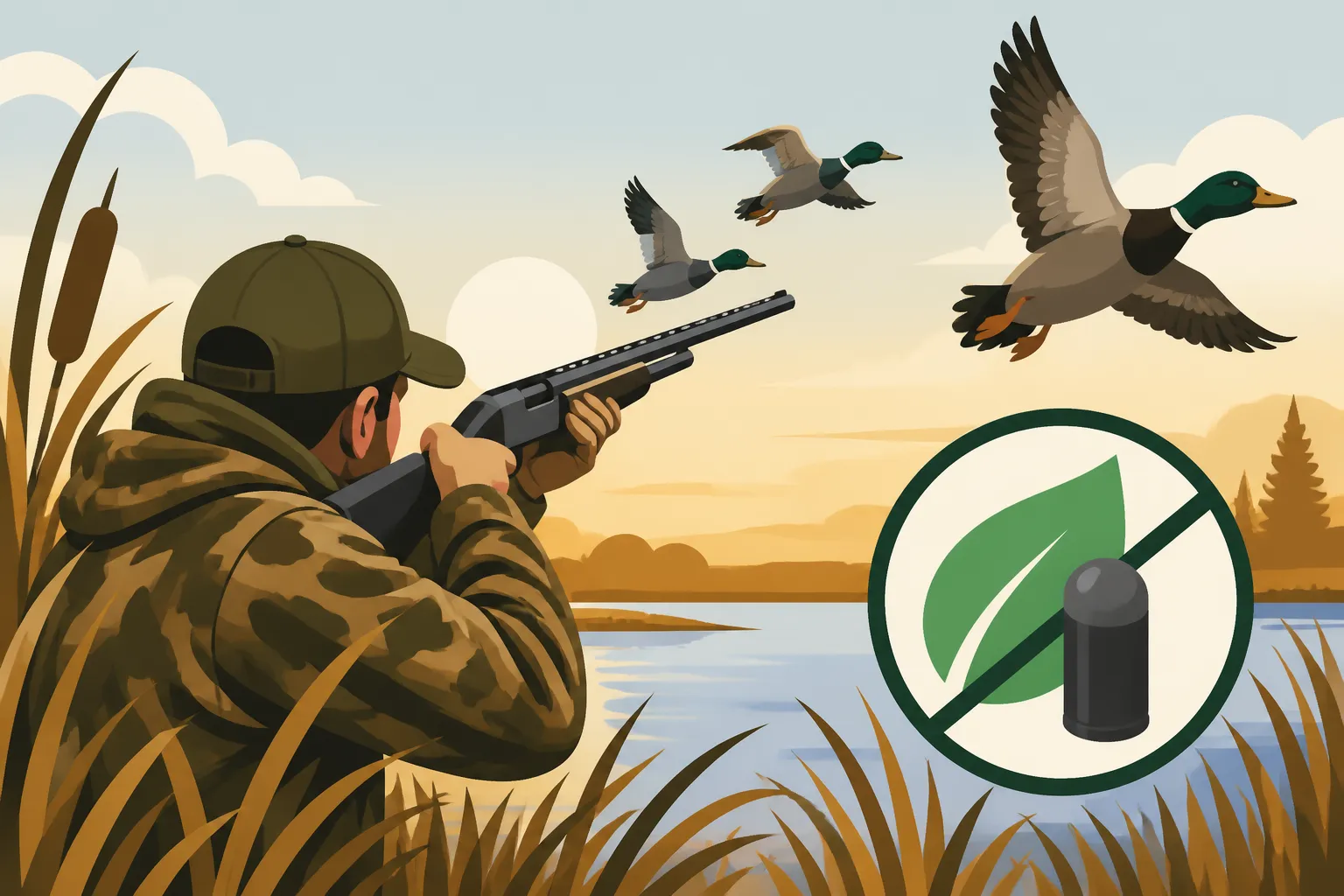
Recognizing the widespread problem, the Canadian federal government, like many jurisdictions worldwide, implemented a ban on lead shot for all migratory game bird hunting. This isn't just a Manitoba regulation; it's a nationwide mandate under the Migratory Birds Convention Act, 1994, and its associated regulations. This means that if you are hunting any species classified as a migratory game bird – that includes all ducks, geese (Canada geese, snow geese, specklebellies), coots, snipe, and sandhill cranes – you must use non-toxic shot, no exceptions.
While other game species in Manitoba, such as upland birds (like ruffed grouse or sharp-tailed grouse) or big game (deer, moose, bear), may still be hunted with lead-based ammunition in certain contexts, the line is crystal clear for waterfowl. This distinction is crucial to understand to avoid legal trouble and ensure you are contributing to healthier ecosystems for future generations of birds and hunters.
Navigating Manitoba's Non-Toxic Shot Requirements
It’s one thing to know why non-toxic shot is required; it’s another to understand precisely where and when these rules apply and what materials are actually legal to use. Getting this wrong can quickly turn a fantastic day afield into a frustrating encounter with a conservation officer.
Where and When Non-Toxic Shot is Mandatory
Let's be absolutely clear: in Manitoba, if you're hunting migratory game birds, non-toxic shot is mandatory across the entire province. There are no special zones, no specific wildlife management areas (WMAs), or particular times of year where lead shot for ducks and geese is permitted. From the vast grain fields where you might be Field Hunting Geese in Manitoba Stubble to the cattail marshes of the Interlake when you're Hunting a Delta Marsh Style Wetland, or even jump-shooting a lone duck from Hunting a Manitoba Dugout at Dusk, non-toxic is the rule.
Conservation officers are well-versed in these regulations and are vigilant in their enforcement. Ignorance of the law is, unfortunately, no excuse. Before you even head out, ensure your shells are compliant. Many hunters use apps like GoHunt or check the official Manitoba hunting guide and federal migratory bird regulations to confirm all current rules, including season dates like Manitoba Duck Season Dates and Goose Season Dates by Zone. Staying informed is your best defense against unintentional infractions.
Understanding Legal Materials and Prohibited Practices
So, what is considered legal non-toxic shot? The regulations approve several materials, each with different properties and price points. The most common and widely available is steel, but bismuth and various tungsten alloys are also legal and offer superior performance at a higher cost.
Approved Non-Toxic Materials Include:
- Steel: The most common and economical option.
- Bismuth: Denser and softer than steel, closer to lead in performance and safe for older shotgun barrels.
- Tungsten-Iron, Tungsten-Nickel-Iron, Tungsten-Polymer, Tungsten-Tin-Iron: These are various tungsten-based alloys, often marketed under brand names like Hevi-Shot, Kent, and Federal. They are typically very dense, offering excellent ballistic performance.
What's strictly prohibited is anything containing lead. This means traditional lead target loads or older lead hunting loads cannot be used for migratory game birds. Be mindful of mixed loads. Some hunters might carry lead shot for upland birds and non-toxic for waterfowl. While this might be legal if clearly separated and only used for their respective species, the safest practice when explicitly hunting waterfowl is to leave all lead shot at home. This avoids any ambiguity if you're checked by a conservation officer.
Remember that beyond the shot itself, you also need to ensure you have your Manitoba Migratory Bird Permits and The Federal Migratory Game Bird Permit and The Habitat Conservation Stamp Requirement. These are fundamental to legal waterfowl hunting in Canada.
A Closer Look at Non-Toxic Shot Options
The good news is that advancements in ammunition technology have given hunters more non-toxic options than ever before. While the switch away from lead initially brought some performance concerns and cost increases, today's choices offer a spectrum of effectiveness and price points, meaning there’s likely a perfect fit for your hunting style and budget.
Steel Shot: The Workhorse of Waterfowling
Steel shot emerged as the primary alternative to lead, mainly due to its affordability and the relative ease of manufacturing. It’s significantly lighter than lead, which means individual pellets carry less energy and decelerate faster. However, steel is also much harder than lead, which has its own implications for shotgun barrels and chokes.
Many hunters initially found steel shot frustrating. It tends to pattern more openly than lead, and its lighter weight often means hunters had to "size up" their shot (e.g., using #2 steel instead of #4 lead) to achieve similar energy on target. Its hardness also meant concerns about barrel damage, especially in older shotguns or with tighter chokes. Modern steel loads, however, have come a long way. They feature improved wad technology designed to protect barrels and deliver tighter patterns. Brands like Federal Speed-Shok, Winchester Xpert Steel, and Kent Fasteel are widely available and perform reliably.
For general waterfowl hunting, especially when Hunting Snow Geese Over a Big Spread where you might shoot many rounds, steel remains the workhorse. It’s an economical choice that, when paired with the right choke and shot size, is highly effective within reasonable ranges. The key is understanding its limitations and adjusting your expectations and shooting habits accordingly.
Bismuth and Tungsten Alloys: Premium Performance
For hunters seeking performance closer to, or even exceeding, traditional lead, bismuth and various tungsten alloys are the answer. These options offer increased density, leading to better energy retention and tighter patterns, but they come at a higher price.
Bismuth Shot:
Bismuth is denser than steel but softer. This makes it a fantastic option for hunters using older shotguns, especially those with fixed or full chokes that aren't rated for modern steel shot. Because it’s softer, it won’t damage older barrels, providing a lead-like option for vintage firearms. Bismuth also retains energy better than steel, leading to cleaner kills at slightly longer ranges. However, it is significantly more expensive than steel. Some hunters have reported bismuth pellets can be a bit more brittle than lead or steel, potentially fracturing on impact, though this isn't a widespread issue with quality brands like Kent Bismuth or Boss Shotshells. If you own a cherished older shotgun or want a noticeable step up in performance from steel without the top-tier cost of tungsten, bismuth is an excellent choice.
Tungsten Alloys (e.g., Hevi-Shot, TSS):
When cost is less of a concern than absolute performance, tungsten alloys are the crème de la crème of non-toxic shot. Tungsten is incredibly dense – some alloys are nearly twice as dense as lead. This translates to phenomenal energy retention, tighter patterns, and the ability to use much smaller shot sizes (like #7 or #9 TSS) to achieve devastating lethality on even the toughest birds. Brands like Federal Heavyweight TSS or Hevi-Shot are renowned for their long-range capabilities and consistent performance.
Tungsten is particularly favored for challenging birds like late-season Canada geese or Hunting Manitoba's Sandhill Cranes, where penetration and energy are paramount. While the price per shell can be very high, a single tungsten pellet often carries the punch of a much larger steel pellet. For those who want the absolute best performance and are willing to invest in it, tungsten alloys are unmatched. You might find specialty loads or specific brands through resources like GoHunt, which can help you track down these premium options.
| Shot Type | Density (g/cm³) | Hardness | Cost (relative) | Barrel Safety (older guns) | Performance (relative) | Best Use Cases |
|---|---|---|---|---|---|---|
| Lead (historical) | 11.3 | Soft | Low | Safe | Excellent | N/A (banned for waterfowl) |
| Steel | 7.8 | Hard | Low | Okay (use open chokes) | Good | General waterfowl, high volume shooting, economical |
| Bismuth | 9.6 | Medium-Soft | Medium-High | Safe | Very Good | Older guns, improved performance over steel, traditional feel |
| Tungsten Alloys | 10.0 – 18.0 | Hard (varies) | High | Check manufacturer | Excellent | Long range, tough birds, smaller shot sizes, ultimate lethality |
Maximizing Your Success with Non-Toxic Shot
Simply buying non-toxic shot isn't enough; you need to understand how it performs and how to adapt your equipment and shooting style to get the most out of it. This proactive approach will prevent frustration and ensure ethical, clean kills.
Choke Selection and Patterning Your Shotgun
The number one mistake new non-toxic shot users make is not patterning their shotgun with their chosen load. Because steel is harder and lighter than lead, it behaves differently as it travels down the barrel and exits the muzzle. Using the same full choke you always used with lead might lead to "blown" patterns – essentially, the shot is too constricted, resulting in a donut-shaped pattern with a hole in the middle, or incredibly erratic spread.
For steel shot, most experts recommend starting with a more open choke, such as a Modified or even a Light Modified. These chokes allow the steel shot column to expand more naturally, often resulting in a much more consistent and dense pattern at typical waterfowl ranges. For bismuth, you can generally use tighter chokes due to its softer nature, often matching what you’d use for lead. For tungsten, consult the manufacturer, but tighter chokes are often effective given its exceptional density.
Patterning is crucial. Take your shotgun and chosen non-toxic loads to the range before the season. Set up large sheets of paper (or patterning targets) at distances you anticipate shooting (e.g., 20, 30, and 40 yards). Fire a few shots and analyze the pattern:
- Density: Are there enough pellets within a 30-inch circle to ensure vital hits?
- Uniformity: Is the pattern evenly distributed, or are there significant gaps?
- Point of Impact: Is the pattern centered where you aimed?
This hands-on testing will reveal your shotgun's true effective range with that specific load and choke combination. Don't skip this step; it will save you crippled birds and wasted shells in the long run.
Adapting Your Shooting Style and Ethical Considerations
Beyond equipment, non-toxic shot, especially steel, demands a slight adjustment to your shooting approach compared to lead. Since steel often retains less energy and can be a bit slower, hunters need to be more disciplined with their range and lead.
First and foremost, limit your range. Just because your gun can send pellets 50 yards doesn't mean your chosen load creates a lethal pattern at that distance. Know your effective kill zone based on your patterning results, and stick to it. Over-committing to long shots with steel often results in wounded birds that fly off to suffer. This is why good Scouting Fields for Manitoba Waterfowl is so important; getting birds into optimal range minimizes the chance of a marginal hit.
Second, adjust your lead. Steel shot can be a bit slower out of the muzzle compared to equivalent lead loads, and its lighter weight means it loses velocity more quickly. This often requires a bit more lead on crossing shots. Practice at the range or on sporting clays to refine your swing and lead with your chosen non-toxic loads. Resources like GoHunt often have forums and articles where experienced hunters discuss specific lead adjustments for various non-toxic ammunition.
Finally, always prioritize ethical considerations. Our responsibility as hunters extends beyond just legal compliance. We owe it to the animals we pursue to make clean, quick kills and recover every bird. If a shot feels marginal, pass on it. Work on your calling and decoy setups to bring birds in closer. For example, when pursuing Duck Daily Bag Limit by Species, ensuring each bird is taken cleanly is part of responsible hunting. The transition to non-toxic shot is an opportunity to become a more skilled and ethical hunter, one who deeply understands their equipment and its capabilities.
Disclaimer
Please be aware that hunting regulations are subject to change. While this guide provides comprehensive information, it is always your responsibility to consult the most current Manitoba hunting regulations and federal migratory bird regulations before heading afield. Neither the author nor this content hub assumes liability for any errors or omissions, or for any regulatory violations committed by the reader. Stay safe, informed, and enjoy your time in Manitoba's incredible outdoors.