Hunting the Rut in Early to Mid November
The crisp, biting air of early to mid-November in Manitoba brings with it a unique blend of excitement and intense frustration for whitetail hunters. This is the heart of the rut, a time when big bucks throw caution to the wind, but it’s also when weather conditions can be incredibly challenging, and deer patterns can seem utterly unpredictable. This guide is designed to help you navigate the complexities of this crucial period, offering insights and strategies to increase your chances of success during Manitoba’s most anticipated hunting window.
Understanding the Rut's Peak in Manitoba
The whitetail rut isn't a single "on" switch; it's a dynamic phase that builds, peaks, and then tapers off. In Manitoba, early to mid-November typically represents the absolute zenith of breeding activity, meaning bucks are actively seeking, chasing, and breeding does. This understanding is foundational to your hunting strategy.
The Build-Up to Full Breeding Activity
As we move into early November, the pre-rut energy from late October really starts to ignite. Bucks are no longer just making scrapes and rubs; they're checking them with genuine intensity, desperate to locate receptive does. You’ll see increased daylight movement, not necessarily because they’re feeding, but because they're driven by hormones. This is when younger bucks start getting brave, and mature bucks become almost single-minded in their pursuit. The initial week of November often sees a surge in chasing, with bucks pushing does all over their territories. It’s chaotic, exciting, and if you’re in the right place, incredibly productive. This frantic period often culminates around the second week of November, where the majority of does come into estrus, leading to peak breeding. Understanding When Manitoba's Whitetail Rut Peaks is critical for timing your hunts.
Regional Variations in Rut Timing
While early to mid-November is generally considered the peak across most of Manitoba, it's worth noting that some subtle regional variations can occur. In the vast northern zones, where winters arrive earlier and more severely, the rut might feel a touch more condensed, potentially peaking slightly earlier as deer rush to breed before extreme cold sets in. Conversely, in the southern agricultural belt, with more stable food sources and slightly milder conditions, the peak might stretch a bit longer. However, these are minor shifts. The core principle remains: the second and third weeks of November are prime time regardless of whether you’re Hunting Whitetails in Manitoba's Bush Country or stalking the edges of farmland. Pay attention to local reports and scout for fresh sign to confirm what the deer are doing in your specific Game Hunting Area (GHA).
Strategies for Early to Mid-November Rut Hunting
Hunting during the rut’s peak demands adaptable strategies. You can’t just sit over a food plot and expect the magic to happen like in early archery season. Now, it's about intercepting deer that are on the move, driven by instinct.
All-Day Stand Hunting
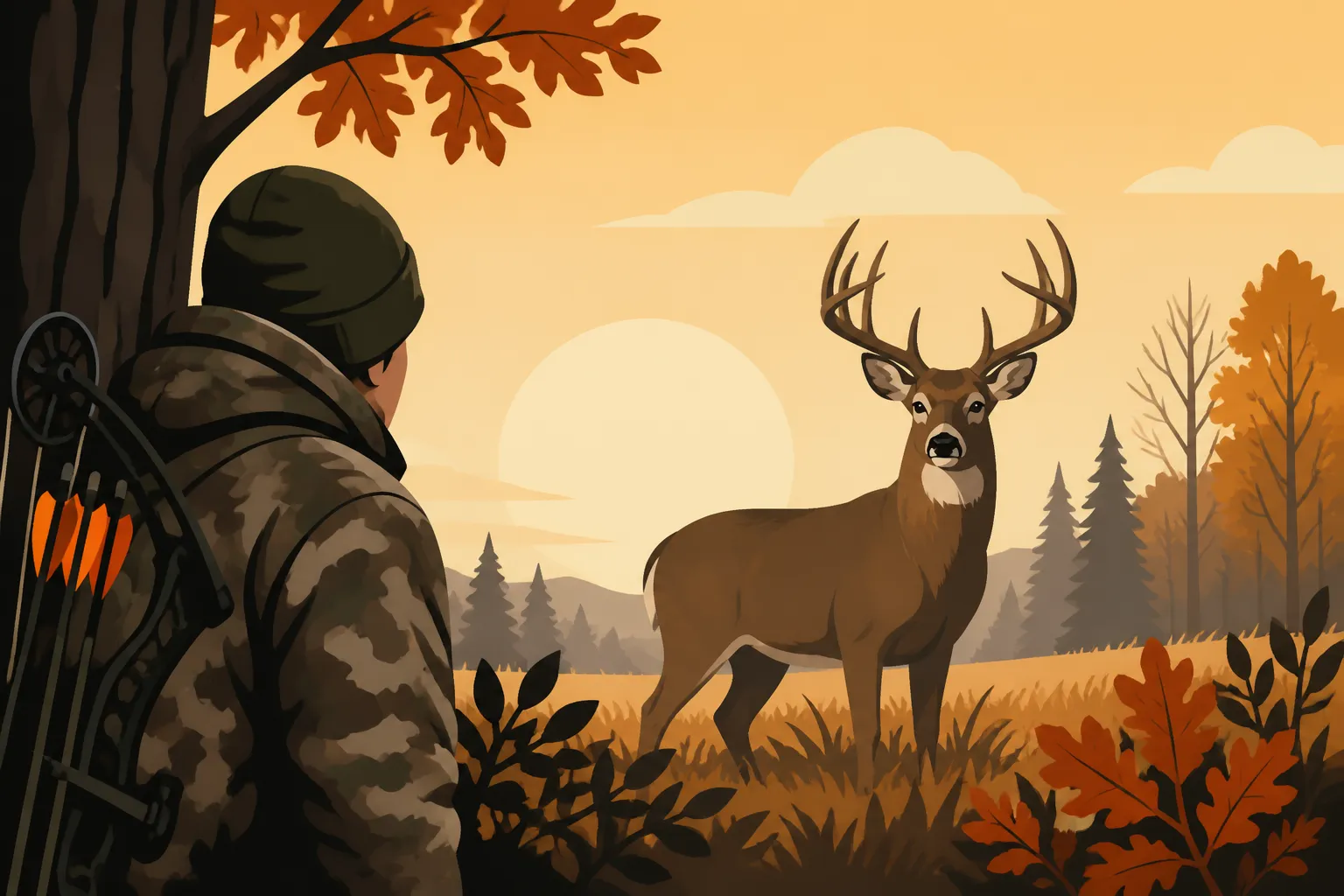
This is, arguably, the most effective strategy for the rut. Bucks are cruising constantly, checking traditional doe bedding areas, travel corridors, and even open fields in their relentless search. A mature buck might only pass through your stand location once in a week, and that could be at 11 AM or 2 PM. If you're not there, you miss him. Committing to Sitting All Day in a Manitoba Blind or treestand from dawn until dusk dramatically increases your odds. It's a mental and physical challenge, especially with Manitoba's November temperatures often dropping well below freezing, but the reward can be immense.
- Identifying Prime Stand Locations: Focus on pinch points, funnels between bedding and feeding areas, creek bottoms, and thick cover edges. A "pinch point" could be a narrow strip of timber connecting two larger woodlots, or a bottleneck created by a marsh. Bucks will use these to scent-check for does. Also, consider areas where multiple deer trails converge, or a lone stand of cover in an otherwise open area. These are natural congregation spots.
- The Importance of Patience: During the rut, the deer you see at 8 AM might be completely different from the deer you see at noon or 3 PM. Bucks are covering miles. Don't get discouraged if the morning hunt is slow; the action can pick up at any moment. Bring snacks, water, and enough layers to ensure you can stay put comfortably. A good Thermos of hot coffee or soup can make all the difference.
Aggressive Calling and Rattling
When bucks are actively seeking does, their ears are tuned to the sounds of other deer. This makes calling and rattling incredibly effective. It's not just about replicating a fight; it's about signaling competition or the presence of a receptive doe.
- Rattling Sequences: Early to mid-November is prime time for aggressive rattling. Mimic a realistic buck fight – short, intense bursts of antler clashing, followed by grunts, snorts, and breaks where you listen intently. Don’t be afraid to put some real energy into it. Mature bucks are territorial and will often investigate to assert dominance or steal a doe. If you're Rattling Volume in Open Parkland, you might need to be louder and longer, allowing the sound to carry across greater distances, compared to the more subtle approach often needed when Rattling and Calling Parkland Whitetails in tighter cover.
- Grunts and Estrus Bleats: Combine rattling with grunt calls, especially tending grunts that signal a buck is with a doe. Estrus bleats, mimicking a hot doe, can also be highly effective in drawing curious bucks in. Remember to use these calls judiciously and realistically. Don't overdo it. A series of 3-5 grunts after a rattling sequence, or a single estrus bleat every 15-20 minutes, can be deadly. Pay attention to how the deer in your area respond; some populations are more call-shy than others. For a deeper dive into vocalizations, exploring Grunt Calls Late in Manitoba's Rut can provide valuable insights into timing and technique.
Still Hunting and Spot-and-Stalk
While often challenging, still hunting or spot-and-stalk can be incredibly rewarding, especially in areas with thick cover or after a fresh snowfall. This method involves moving slowly and deliberately through cover, stopping frequently to scan and listen.
- Leveraging Terrain and Cover: Look for natural funnels, ridges, and creek beds where deer are likely to travel. Use the wind to your advantage, always moving into it or across it to keep your scent from blowing ahead. Areas like Hunting a Manitoba Bush Edge or a dense willow run can be excellent for this tactic. The key is to be extremely patient, taking only a few steps at a time, and glassing constantly.
- Post-Snow Strategies: A fresh layer of snow can transform the woods into a giant tracking canvas. This is when still hunting becomes particularly exciting. Fresh tracks, especially those of a lone, large-bodied buck, are worth following. The soft snow also deadens sound, making silent movement easier. However, be prepared for Hunting Safely in Deep Winter Cold when the snow flies and temperatures drop.
Gear and Tactics for Cold Weather Rut Hunting
Manitoba in November isn't for the faint of heart. Temperatures can plunge, often accompanied by biting winds or snow. Having the right gear isn't just about comfort; it's about safety and your ability to stay on stand long enough to connect with a buck.
Layering for Extreme Cold
Staying warm is paramount. The secret is layering, allowing you to add or shed clothing as activity levels or temperatures change.
- Base Layers: Start with moisture-wicking synthetic or merino wool base layers. These pull sweat away from your body, preventing the chilling effect when you stop moving.
- Mid-Layers: Add insulating layers like fleece, down, or synthetic puff jackets. Multiple thinner layers often trap warmth more effectively than one thick layer.
- Outer Shell: Your outermost layer should be windproof and waterproof. This is your shield against Manitoba's notorious winds and snow. Brands like Sitka, First Lite, and Kuiu offer excellent cold-weather hunting gear designed for extreme conditions. Don't forget a warm hat, neck gaiter, and heavily insulated gloves or mitts. Hand warmers and foot warmers are also invaluable for long sits. When considering Boots for Sitting Still in Deep Cold, look for models rated for extreme temperatures, with ample insulation and waterproof membranes.
Essential Cold Weather Accessories
Beyond clothing, a few key items will significantly enhance your cold weather hunting experience.
- Portable Heater: For stand hunters, a small, safe propane heater (like those from Mr. Heater) can make an enormous difference in a blind. Ensure proper ventilation.
- Insulated Seat Pad: Sitting on a cold surface will drain your body heat quickly. An insulated seat pad or cushion is a small investment with a huge return on comfort.
- Food and Hydration: Pack calorie-dense snacks like nuts, trail mix, and energy bars. A thermos filled with hot coffee, tea, or soup will not only warm you but also keep you hydrated. Dehydration can happen even in cold weather.
- Safety Gear: Always carry a communication device (satellite messenger for remote areas where cell service ends, or a fully charged phone), a first-aid kit, a headlamp with extra batteries, and fire-starting materials. Knowing What to Do If You Get Stuck in the Bush is also crucial, especially if hunting solo.
| Tactic | Pros | Cons | Ideal November Conditions |
|---|---|---|---|
| All-Day Stand | Intercept cruising bucks, covers all daylight hours | Requires extreme patience, cold tolerance, and comfortable setup | Any conditions, especially peak chasing |
| Aggressive Calling | Attracts curious/dominant bucks from a distance, highly engaging | Can spook deer if overused or unrealistic, less effective post-breeding | Peak rut, bucks actively searching |
| Still Hunting | Active, allows you to cover ground, find fresh sign | Demands stealth and attention to wind, can push deer if not careful | Fresh snow, dense cover, light wind |
| Spot-and-Stalk | Highly effective in open terrain, allows assessment of deer | Requires good optics, open country, and skill in reading terrain | Open fields, bluffs, calmer days |
Scouting and Reading Sign During the Rut
The rut radically changes deer behavior, and your scouting needs to adapt. Pre-season knowledge is important, but fresh sign during early to mid-November tells the true story of current deer movement. This is where tools like GoHunt become incredibly useful for mapping and understanding the landscape.
Interpreting Fresh Scrapes and Rubs
While bucks start making scrapes and rubs in the pre-rut, during early to mid-November, they take on a new significance.
- Active Scrapes: Look for scrapes that are actively being tended. These will have fresh dirt, often with a distinct "pawing" action, and the overhead licking branch will be chewed and frayed. A strong musky odor in the scrape means a buck has recently visited. Hunting near a string of these, especially where a secondary scrape line parallels a primary travel corridor, can be highly effective. Bucks will repeatedly check these, especially if does are in the area.
- Rub Lines: Rubs communicate a buck's presence and dominance. During the peak rut, new rubs will continue to appear, often on larger trees, indicating a mature buck's increased aggression. A "rub line" leading from bedding to feeding areas, or along a ridge, can be an indicator of a buck's travel route. Understanding Reading Whitetail Sign in Manitoba Aspen or other specific habitat types helps tailor your approach. Using a platform like GoHunt, you can map these observations to identify patterns and potential ambush points.
Tracking Movement and Patterns
The rut means deer are on the move, but not randomly. There are still patterns driven by food, cover, and the presence of does.
- Doe Groups: Find the does, and you'll often find the bucks. During the rut, bucks will be constantly circulating through traditional doe bedding and feeding areas. If you know where does congregate or prefer to bed down, those become high-priority stand locations. This is particularly true in areas like Hunting the Parkland Fringe for Big Bucks, where dense pockets of cover can hold multiple does.
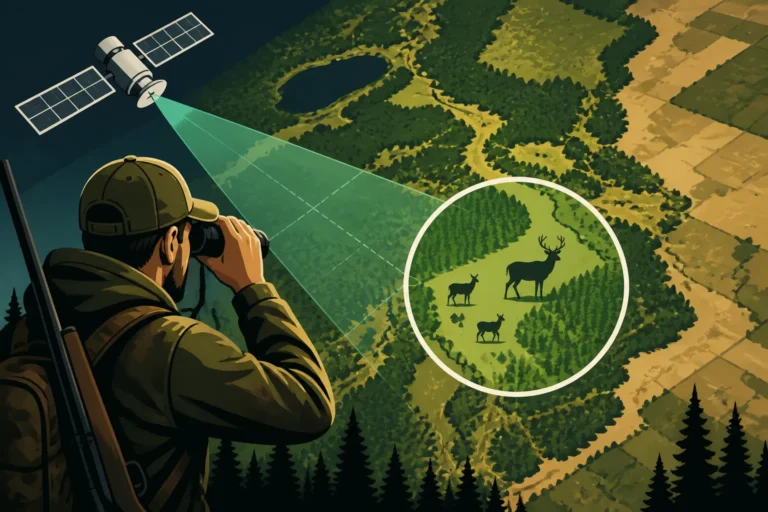
- Travel Corridors and Funnels: Bucks are covering significant ground in search of does. They'll use the easiest, most sheltered travel routes available. This includes creek bottoms, fence lines, edges of thick cover, and natural funnels that force deer into narrower paths. Hunting a Bluff Between Two Fields or Hunting a Willow Run for Whitetails can be extremely productive as bucks traverse these natural features. GoHunt's satellite imagery can help you identify these topographical advantages even before you step foot in the woods. Pay attention to fresh tracks; during this period, you’ll often find signs of a buck trailing a doe.
Legal Considerations and Safety During the Rut
Hunting in Manitoba comes with specific rules and safety guidelines, especially during the busy rut.
Blaze Orange and Firearm Regulations
Manitoba has strict regulations regarding hunter orange and firearm use to ensure safety.
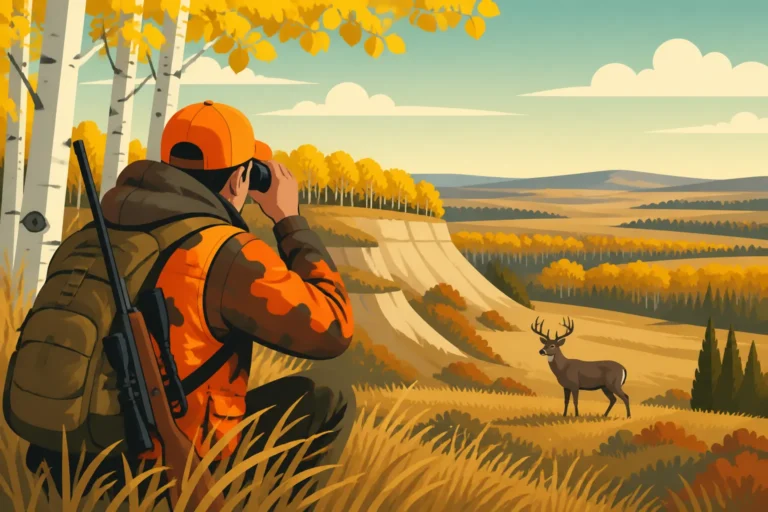
- Blaze Orange: For rifle and muzzleloader seasons, wearing How Much Blaze Orange Manitoba Requires is mandatory. This includes a minimum of 400 square inches above the waist and a blaze orange head covering. This visibility is crucial, especially during the rut when hunters are often intently focused and deer can move erratically.
- Legal Firearms: Ensure your firearm meets the Legal Rifle Calibres for Big Game requirements for big game in Manitoba. Always confirm your ammunition is appropriate for the species and conditions. Review all regulations in the current Manitoba Hunting Guide to ensure full compliance.
Processing Your Harvest in the Cold
Successfully harvesting a deer during the rut in November means dealing with cold temperatures, which can be both a blessing and a curse.
- Field Dressing Quickly: While cold helps preserve meat, it's still critical to field dress your animal as quickly as possible. This removes internal organs, allowing the carcass to cool down efficiently and prevent spoilage. Even in freezing temperatures, internal body heat can cause rapid bacterial growth if not properly vented. For detailed instructions, refer to Field Dressing in Manitoba's Deep Cold.
- Transport and Storage: Once field dressed, transport your deer carefully. If temperatures are consistently below freezing, the meat can be hung to age. However, if there's any chance of warmer daytime temperatures, you'll need a plan for cold storage. Keeping the meat clean and dry is essential. Don't let it freeze solid too quickly, as this can impede proper aging. Knowing Meat Care in Manitoba's Cold Snaps is vital for ensuring high-quality venison.
- CWD Sampling: Be aware of Manitoba's Chronic Wasting Disease (CWD) sampling requirements. Certain GHAs have mandatory or voluntary CWD sampling, and understanding Manitoba's CWD Sampling Requirements is part of being a responsible hunter. Your deer may need to be presented for sampling, or you might need to collect and submit samples yourself. Always check the current regulations for your hunting zone.
Hunting the rut in early to mid-November in Manitoba is an experience unlike any other. It's a period of intense activity, unpredictable encounters, and often challenging conditions. By understanding deer behavior, employing smart strategies, preparing with the right gear, and staying vigilant with your scouting, you can maximize your chances of success and create lasting memories in the Manitoba wilderness.
Disclaimer
Hunting involves inherent risks, and it is the responsibility of each individual to understand and comply with all applicable hunting regulations, obtain necessary licenses, and practice safe hunting procedures. This guide provides general information and should not replace official government regulations or professional advice. Always prioritize safety and ethical hunting practices.