Hunting the Parkland Fringe for Big Bucks
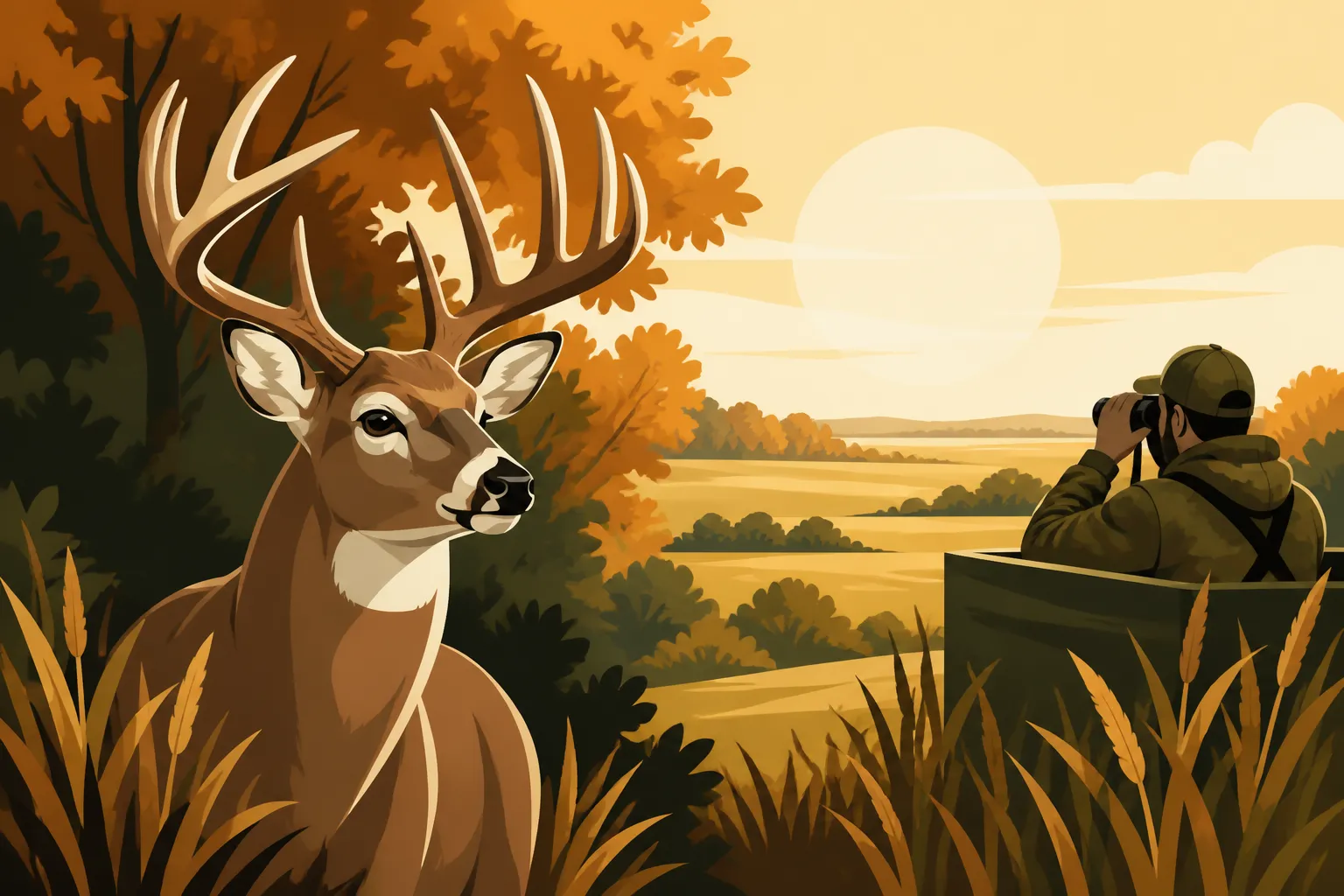
Hunting big, mature whitetail bucks in Manitoba’s parkland fringe can feel like a monumental challenge. It’s a landscape that often seems to hide its biggest secrets, leaving many hunters frustrated by fleeting glimpses or well-worn trails that suddenly vanish. This guide is dedicated to peeling back the layers of this unique habitat, offering detailed strategies and insights to help you consistently find and successfully pursue those elusive trophy whitetails that call the parkland fringe home.
Understanding the Parkland Fringe Ecosystem
The parkland fringe is a fascinating and complex landscape, a transition zone where the vast agricultural fields of the prairies meet the dense boreal forest. This isn't just a simple line on a map; it's a dynamic environment teeming with diverse habitats, each playing a crucial role in how big bucks live, feed, and move. Many hunters overlook the subtleties of this zone, treating it like either open farmland or thick bush, when in reality, it demands a specialized approach.
Habitat Diversity and Deer Movement
Imagine a patchwork quilt: that's the parkland fringe. You've got towering aspen and poplar bluffs, dense willow thickets, scattered oak stands, and often a network of sloughs and small wetlands, all interspersed with cultivated fields of wheat, barley, canola, and corn. This incredible diversity is precisely what makes it such a magnet for big bucks. They thrive on the reliable food sources of the agricultural land but demand the security cover provided by the thicker bush.
Bucks in this zone are masters of utilizing these edges. They’ll often bed deep within a bluff or a willow-choked slough during the day, emerging under the cloak of dusk to feed in adjacent crop fields. Their travel corridors are often narrow, defined by changes in elevation, natural drainage systems, or dense brush lines that offer concealment from both predators and human activity. Understanding these "linear highways" and "secure pockets" is fundamental. For example, a small, isolated bluff, perhaps only a quarter-section in size, might seem insignificant, but if it's surrounded by open fields, it can be a sanctuary for a mature buck, allowing him to survey his domain from safety before venturing out. Similarly, old fence lines or overgrown field edges provide excellent cover for movement without exposing themselves. If you're looking to understand how these animals move, studying Hunting a Manitoba Bush Edge can offer invaluable insights into how whitetails navigate these transitions.
Food Sources and Water
The abundance of food and water is another reason why Manitoba's parkland fringe supports such healthy deer populations, including those giant-bodied bucks. Throughout the year, their diet shifts, influencing where you'll find them. In spring and summer, they gorge on lush forbs and grasses, often found along creek bottoms or within less disturbed pockets of native pasture. As fall approaches and the hunting seasons open, their focus shifts dramatically to agricultural crops. Standing corn, swathed cereals like barley or wheat, and even the nutritious remnants left behind after a canola harvest are huge draws. A big buck will spend a significant portion of his night filling his belly in these fields.
Water, too, is rarely an issue here. The parkland fringe is dotted with countless sloughs, ponds, and drainage ditches. While deer don't always need to drink daily, especially when feeding on green vegetation or during periods of dew, these water sources provide critical refuge in hot weather and act as natural travel funnels. A frozen slough crossing, for instance, can become a bottleneck during late season, channeling deer movement predictably. Paying attention to these resources, and understanding how they change seasonally, is key to patterning a mature deer. When considering what a big Manitoba whitetail needs to thrive, you quickly understand Why Northern Bucks Carry More Body Mass—it's directly linked to the abundance of high-quality forage available in this diverse environment.
Seasonal Influences on Buck Behavior
A buck's behavior is a year-round narrative, constantly changing with the seasons. Early season, When Manitoba's Archery Season Opens, bucks are still mostly in their summer patterns, often in bachelor groups, focused heavily on feeding to gain weight. They're more predictable in their movements between bedding and feeding areas. This is a great time to capitalize on food sources, especially standing crops or natural browse that hasn't been pressured.
As October rolls into November, everything changes. The pre-rut begins, and bucks start to become more aggressive, rubbing trees and making scrapes. Then comes the frenetic activity of the rut itself, typically peaking around Hunting the Rut in Early to Mid November. During this period, all previous patterns can be thrown out the window. Bucks are driven by the urge to find does, meaning they'll travel further, often in broad daylight, and take risks they wouldn't normally. Post-rut, bucks are exhausted and quickly retreat to secure cover to recover, focusing again on feeding. Understanding these phases and how they influence deer movement and vulnerability is absolutely critical for success. Knowing Manitoba Big Game Season Dates for your specific region will help you align your tactics with these natural cycles.
Scouting Strategies for Big Bucks in the Parkland
You can't just show up on opening day and expect to consistently tag big bucks in the parkland fringe. These animals are smart, secretive, and masters of their environment. Successful hunting here starts long before the season with dedicated and intelligent scouting. It’s about being a detective, piecing together clues, and building a comprehensive picture of where and how these elusive animals operate.
Pre-Season Digital and Field Reconnaissance
Before you ever set foot in the woods, the best scouting begins from your desk. Utilize digital mapping tools to study the landscape. Identify potential bedding areas—dense bluffs, swampy pockets, thick willow runs—and primary food sources like standing crop fields. Look for natural funnels: narrow strips of bush connecting larger blocks, river bends, drainage ditches, or even old railway lines that cut through fields. These are often high-traffic areas. Pay special attention to hidden pockets of cover that might be overlooked by other hunters. Tools like GoHunt can be invaluable for pinpointing these overlooked areas, allowing you to mark potential stand sites and plan your entry and exit routes without disturbing the deer.
Once you have a digital overlay, it’s time for boots on the ground, but with caution. Early season, before hunting pressure mounts, is the best time for in-depth field scouting. Focus on walking edges, observing from a distance with good optics, and looking for subtle signs. Avoid stomping through bedding areas unless absolutely necessary. Remember, these bucks often use the same secure corridors year after year. Learning to identify these patterns from aerial views is a huge advantage, and understanding how to apply these techniques is a key aspect of Scouting With Satellite Imagery in Manitoba.
Interpreting Whitetail Sign
When you are in the field, every rub, scrape, and track tells a story. Fresh rubs, especially on larger diameter trees, indicate an active buck in the area. The higher the rub, often the larger the deer. Scrapes, particularly those with an active "licking branch" above them, are communication hubs for deer. Look for clusters of scrapes, or "scrape lines," along travel corridors or near bedding areas, as these can be dynamite spots during the pre-rut and rut.
Tracks in the mud or soft soil reveal not only presence but also direction of travel and sometimes even the size of the animal. Large, deep tracks with dewclaws showing indicate a heavy-bodied animal. While it’s hard to judge a buck solely by his track, consistently finding big tracks in a specific area is a good sign. Droppings can give you an idea of deer density and diet. Bedding areas, marked by flattened grass or leaves and often surrounded by heavy cover, are critical finds. Note which direction they are facing (often into the wind to catch scent, or towards an open area to observe). Learning to effectively interpret these clues is crucial, and dedicated practice at Reading Whitetail Sign in Manitoba Aspen can significantly enhance your field skills.
Utilizing Trail Cameras Effectively
Trail cameras are an extension of your eyes in the woods and are absolutely indispensable for scouting big bucks in the parkland fringe. Don't just set them on a random trail. Strategically place cameras on natural funnels, pinch points, active scrapes, or overlooking food plots and field edges where deer transition. Set them on video mode sometimes; you'll learn so much more about deer behavior and interaction.
Check your cameras sparingly to minimize human disturbance. Deer in the parkland fringe can be very sensitive to pressure. A week or two between checks is often ideal. Analyzing the photos and videos will help you understand specific buck patterns: when they're moving, which routes they prefer, and if a particular buck is daylighting or only moving at night. This intelligence is gold. If you identify a mature buck that's consistently moving in daylight, even if it's only once or twice a week, that's your cue to move in. GoHunt's ability to overlay camera locations and game activity can help you consolidate this information and visualize patterns more clearly.
Hunting Tactics for Parkland Fringe Whitetails
Once you've done your homework and identified potential hotspots, it's time to transform that knowledge into action. Hunting the parkland fringe requires adaptability, patience, and a keen understanding of how to position yourself for success without alerting these wary animals.
Stand Placement and Blind Selection
The key to stand placement in the parkland fringe is maximizing concealment while optimizing shot opportunities. For ambush hunting, tree stands are often preferred as they offer a higher vantage point, aiding in scent dispersal and allowing you to see over dense undergrowth. Place your stand along known travel corridors, on the edge of bedding cover, or overlooking a prime food source. Consider prevailing wind directions meticulously, always setting up so your scent blows away from where you expect deer to approach. For deeper insights, exploring how to get your setup right by reading about Hanging a Stand on a Manitoba Bush Edge can provide a wealth of practical advice.
Ground blinds are another excellent option, especially where suitable trees for stands are scarce or in open field edges. They provide excellent concealment and warmth during colder weather, which is a major bonus during late fall hunts in Manitoba. Ensure your blind is brushed in thoroughly and set up well in advance of your hunt to allow deer to grow accustomed to its presence. Whether in a stand or a blind, always have multiple entry and exit routes planned to minimize disturbance, especially to and from bedding areas.
Still Hunting and Stalking Approaches
Sometimes, sitting and waiting isn't the most effective strategy, especially if deer patterns are unpredictable or if you're trying to cover ground. Still hunting (moving slowly and deliberately through cover, pausing frequently to observe) can be incredibly effective in the diverse habitats of the parkland fringe. Focus on moving into the wind or crosswind, utilizing terrain features and dense vegetation for cover. Look for slight movements, horizontal lines that don't belong, or flashes of white tail. This requires extreme patience and slow movement, sometimes only covering a few hundred yards in an hour.
Stalking, while more challenging, can be employed when you spot a buck from a distance or have a good idea of its location. This is often successful in standing cornfields or dense willow bottoms. The key is to move incredibly slowly, silently, and use every bit of available cover. Noise discipline is paramount. Ensure your gear is silent, your clothing doesn't rustle, and every step is placed with care. This method is high-risk, high-reward, but can put you face-to-face with a big buck.
Calling and Rattling in the Parkland Fringe
Calling and rattling can be incredibly effective tactics in the parkland fringe, particularly during the pre-rut and rut. Buck grunts, fawn bleats, and doe estrus bleats can all pique a buck's curiosity or invoke an aggressive response. Start subtly, especially in higher-pressure areas. A few soft grunts can often be enough to stop a cruising buck or draw one closer.
Rattling is another potent tool. The sounds of two bucks fighting can tap into a mature buck's territorial instincts. In the open country of the parkland fringe, the sound can carry a long way. However, you need to understand Rattling Volume in Open Parkland to use this tactic effectively. Sometimes, soft rattling sequences with pauses are more effective than aggressive, continuous sequences, especially if deer have become accustomed to heavy rattling pressure. Always be ready for a buck to come in quickly and from an unexpected direction when calling or rattling. Combine these vocalizations with visual decoys for an even more compelling setup, but remember to always confirm your target and surroundings.
Gear and Preparation for Success
Hunting Manitoba’s parkland fringe, especially later in the season, demands the right gear and a solid understanding of how to prepare yourself. The weather can be unforgiving, and a big buck might require a significant effort to retrieve. Being prepared isn't just about comfort; it's about safety and increasing your odds of success.
Essential Clothing and Optics
Manitoba weather in the fall and early winter is famously unpredictable. You might start a hunt in mild temperatures and finish it in a blizzard. Layering is not just recommended; it's essential. Start with a moisture-wicking base layer, add insulating layers like fleece or down, and top it with a waterproof, windproof outer shell. Don't forget high-quality gloves, a warm hat (you lose most of your body heat from your head!), and insulated, waterproof boots. Sitting still for hours in a cold stand demands specialized gear; consider boot blankets or heated insoles for late-season hunts. Remember that Hunting Safely in Deep Winter Cold requires meticulous attention to these details.
Good optics are non-negotiable in the parkland fringe. A quality pair of binoculars (10×42 or 12×50) will allow you to pick apart distant bush edges, identify subtle movements in thick cover, and confirm your target without unnecessary movement. A spotting scope can be invaluable for glassing expansive fields from a distance. And, of course, a reliable rangefinder is critical for ethical shot placement.
Firearms and Ammunition Considerations
When choosing a firearm for big bucks in the parkland fringe, versatility is key. Shots can range from close-quarters in thick bush to longer distances across open fields. A flat-shooting rifle in a common big game caliber like .270, .30-06, .308, or 7mm Rem Mag is a solid choice. Ensure your rifle is zeroed correctly and that you practice shooting from various positions you might encounter in the field (standing, kneeling, from a tree stand). Always check Legal Rifle Calibres for Big Game to ensure compliance with Manitoba regulations.
Ammunition choice is equally important. Use high-quality, reliable hunting bullets designed for controlled expansion and deep penetration. Examples include bonded core bullets or monolithic designs. Avoid varmint rounds, which are designed for rapid fragmentation and may not provide sufficient penetration on a heavy-bodied whitetail. Carry enough spare ammunition, and keep it protected from moisture.
Physical and Mental Readiness
Hunting big bucks is often as much a mental game as a physical one. Being in good physical condition will make long walks into distant stands, still-hunting through challenging terrain, and the eventual task of field dressing and retrieving an animal much easier. Incorporate regular exercise into your routine, focusing on cardiovascular fitness and strength.
Mentally, patience is your greatest asset. Big bucks don't just appear on command. There will be long hours of sitting, cold fingers, and perhaps even some self-doubt. Stay positive, remain focused, and trust your scouting. Have a plan for dealing with boredom or cold, whether it's bringing a thermos of coffee, some quiet snacks, or simply having a mental checklist to go through. Ethical hunting also means knowing your limits—both your shooting capabilities and your endurance. Don't take risky shots or push yourself beyond safe limits in extreme weather. Understanding Sitting All Day in a Manitoba Blind is about more than just staying warm; it's about mental fortitude.
| Tactic/Feature | Parkland Fringe Application | Pros | Cons |
|---|---|---|---|
| Tree Stand | Ideal for key travel corridors, bluff edges, or overlooking crop fields. Needs suitable trees. | Excellent visibility, elevated scent control, often less human footprint. | Limited mobility, can be cold, requires safe climbing, visible to deer if not well placed. |
| Ground Blind | Perfect for open field edges, dense willow pockets, or areas lacking suitable stand trees. | Great concealment, warmth, comfortable for long sits, easy setup/takedown. | Limited visibility (especially in thick cover), scent control more challenging, deer can spot if not brushed in. |
| Still Hunting | Effective in diverse cover, moving slowly through aspen bluffs, sloughs, or transition zones. | Highly adaptable, covers ground, allows active searching for deer. | Requires immense patience, silent movement, high risk of spooking deer if careless. |
| Rattling/Calling | Best during pre-rut/rut in open parkland or along bush edges. Combine with good cover. | Can pull curious/aggressive bucks in close, exciting, covers large areas with sound. | Can also spook deer, depends heavily on deer mood and season, requires careful execution. |
Disclaimer
The information provided in this guide is for general educational and informational purposes only. Hunting regulations, seasons, and requirements can change frequently. Always consult the official Manitoba hunting regulations and obtain all necessary licenses and permits before planning or undertaking any hunting activity. Safety should always be your top priority.