Which Airport to Fly Into for Your Hunt
Hunters coming to Manitoba often find themselves scratching their heads, staring at a map, and wondering where to even begin their travel planning. It's a big province, and flying into the wrong spot can add hours of driving, unnecessary costs, and serious logistical headaches to what should be an exciting adventure. This guide will walk you through the key considerations for choosing the best airport for your Manitoba hunting trip, ensuring a smoother journey from touchdown to your first day in the field.
Understanding Manitoba's Vast Geography and Diverse Game Regions
Manitoba isn't just a place; it's a tapestry of diverse landscapes, each offering unique hunting opportunities. From the fertile farmlands of the south to the vast boreal forests and the rugged tundra of the far north, the geography dictates not only what you'll hunt but also how you'll get there. Understanding this geographical spread is the first crucial step in deciding which airport will serve you best, as a misstep here can mean literally hundreds of extra kilometers on the road or even a missed connection for a remote fly-in camp. We're talking about a province that stretches from the US border all the way up to Hudson Bay, so distances are significant.
Southern Manitoba's Accessibility
The southern portion of Manitoba, broadly speaking, is the most accessible. This region encompasses the rich agricultural lands, the aspen parkland belt, and the beginning of the boreal forest transition. Here, you'll find excellent hunting for white-tailed deer, waterfowl, upland birds, and sometimes even elk or black bear in the larger provincial forests. This area is crisscrossed by well-maintained highways, making ground travel relatively straightforward once you land. Most resident hunters, and many non-residents targeting these species, will focus their efforts in this more populated and road-friendly zone. Think of areas like the Interlake, the Pembina Valley, or the southwest agricultural belt – all within a few hours' drive of a major airport. These areas are popular for Whitetail Hunting in Manitoba and offer a more conventional hunting experience.
Northern Manitoba's Remote Access
As you push further north, Manitoba transforms into vast expanses of boreal forest, countless lakes and rivers, and eventually, the sub-arctic and arctic tundra. This is the domain of moose, barren-ground caribou, and black bear, often in truly wild, untouched settings. However, with this pristine wilderness comes significantly reduced road infrastructure. Many of the best hunting spots in Northern Manitoba are only accessible by float plane, boat, or winter road. This means that while you might fly into a commercial airport, your journey will almost certainly involve a secondary leg – a charter flight, often on a smaller aircraft, or a long drive followed by a rugged bush plane hop. Planning for this multi-stage journey is absolutely critical, as these smaller charter operations often have strict baggage limits and schedules. For trophy Moose Hunting Manitoba's Boreal Country or Barren-Ground Caribou Hunting in Northern Manitoba, these remote options are often the only way to go.
Central Manitoba's Mix of Terrain
In between the easy-access south and the remote north lies a transitional zone that offers a blend of both. Areas like the Duck Mountain or Porcupine Hills Provincial Forests, or the expansive regions around Lake Winnipeg and Lake Manitoba, provide incredible hunting for deer, bear, moose, and elk. While some of these areas are reachable by highway, many of the prime spots require significant gravel road travel, or even ATV access. This "middle ground" often presents a logistical puzzle: you're close enough to the main air hub to land, but far enough that the final leg of your journey might still be quite an adventure. Outfitters in these areas might offer pick-up services, or you might need to coordinate a long-term rental vehicle that's suitable for varied road conditions. This is where understanding your specific Manitoba's Game Hunting Areas becomes really important.
Winnipeg Richardson International Airport (YWG): Your Primary Gateway
For the vast majority of hunters travelling to Manitoba, Winnipeg Richardson International Airport (YWG) will be their first and often only port of entry by air. Located in the provincial capital, it's the largest and busiest airport in Manitoba, offering the widest range of direct flights from major cities across Canada and the United States. Think of it as your main logistical hub, regardless of your ultimate hunting destination. Its size and connectivity mean more flight options, generally better pricing, and a much wider array of services for arriving travelers.
Connections to Southern Hunting Regions
If your hunt is planned for southern or central Manitoba, flying into YWG is almost always the most logical choice. Many world-class Whitetail Hunting in Manitoba opportunities, as well as prime waterfowl and upland bird locations, are within a 2 to 4-hour drive of Winnipeg. From the airport, you can easily access major highways leading in all directions. Renting a vehicle is straightforward, with all major car rental agencies represented directly at the airport. This convenience means you can land, pick up your truck, grab any last-minute supplies in Winnipeg, and be on your way to camp with minimal fuss. For those looking to hunt the famous Interlake region or the farmland areas to the west, YWG provides a direct shot at your destination. This is often the starting point when Planning a Manitoba Hunting Trip.
Logistics for Far North Fly-In Hunts
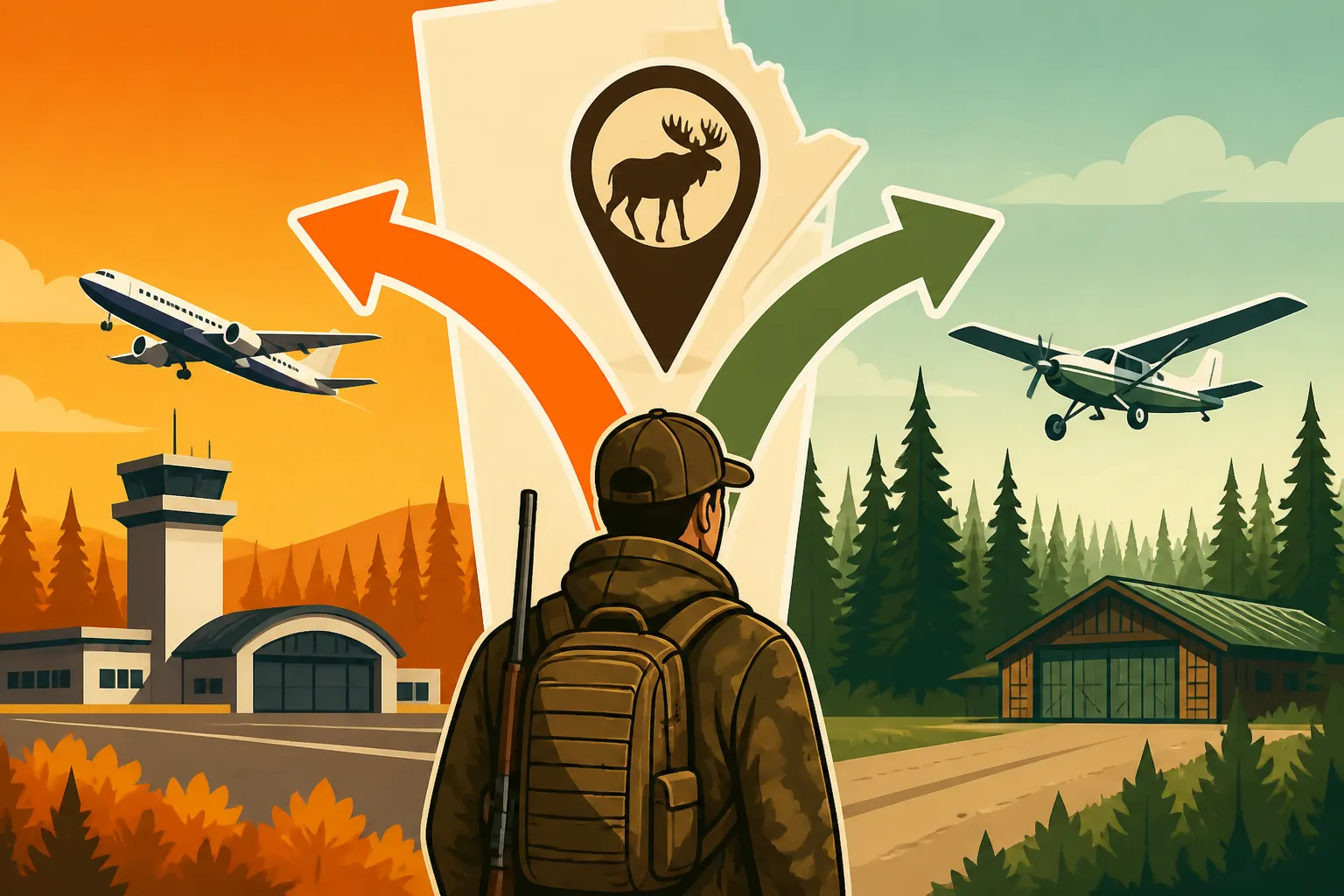
Even if your ultimate destination is a remote fly-in camp for Barren-Ground Caribou Hunting in Northern Manitoba or Moose Hunting Manitoba's Boreal Country, YWG typically serves as the initial staging point. From Winnipeg, you'll often connect with a smaller charter air service, usually operating out of specific float plane bases or smaller regional airstrips a short drive from the city. These services specialize in flying into the truly remote locations where roads simply don't exist. Your outfitter will typically provide detailed instructions for this secondary leg of your journey, often including ground transportation from YWG to the charter base. It's vital to coordinate these details well in advance, as the charter schedules can be tight, and weight limits on bush planes are very real. You don't want to show up with an oversized duffel bag only to find it won't fit or exceeds the weight allowance. Many hunters use platforms like GoHunt or BookYourHunt to research outfitters who specialize in these types of remote excursions, ensuring they understand the full travel itinerary. Remember, even for a Flying Into Winnipeg for a Hunt, the final leg might be much more involved.
Ground Transportation Options from YWG
Beyond rental cars, Winnipeg Richardson International Airport offers several ground transportation options. Taxis, ride-sharing services, and hotel shuttles are readily available for transport within the city or to nearby areas. If your outfitter is picking you up, they'll usually meet you directly at the airport. For those driving themselves, the airport is well-signed and connecting to the provincial highway network is simple. You'll find plenty of amenities nearby, including gas stations, grocery stores for camp supplies, and sporting goods stores for any forgotten gear or last-minute ammunition. This accessibility makes YWG a truly convenient hub for all your pre-hunt preparations. When looking at Manitoba Hunting Lodges and Camps, many are within reasonable driving distance of Winnipeg. If your outfitter handles Getting From the Airport to a Manitoba Camp, they'll likely specify YWG as your arrival point.
Regional Airports and Their Role in Specific Hunts
While Winnipeg's YWG is the main player, Manitoba does have a handful of smaller regional airports that can sometimes offer a more direct, albeit often more expensive or less frequent, route to certain hunting areas. These regional hubs can be particularly beneficial if your hunt is located far from Winnipeg and you want to minimize ground travel. However, the trade-off usually involves fewer flight options and potentially higher ticket prices.
Brandon's James A. Richardson International Airport (YBR)
Brandon's James A. Richardson International Airport (YBR) is Manitoba's second-largest airport, located in the western part of the province. It offers limited commercial flights, typically connecting to Calgary or Winnipeg. If your hunting destination is in southwestern Manitoba, perhaps for Elk Hunting in Manitoba in the Duck Mountain area or Upland Bird Hunting in Manitoba in the rolling farmlands, flying into YBR could save you a significant amount of driving compared to flying into YWG. However, you'll need to check flight availability and pricing carefully, as direct flights might be infrequent, and connections could add considerable time. Rental car options are more limited at YBR, so booking well in advance is crucial, especially during peak hunting seasons.
Northern Community Airstrips
Further north, various smaller communities like Thompson, The Pas, Flin Flon, and Gillam have airstrips with regular scheduled service from Winnipeg via regional carriers. These airports serve as vital lifelines for northern communities and can also be gateways for hunters targeting specific northern regions. For example, a hunt near Thompson might make flying into Thompson (YTH) directly from Winnipeg a better choice than a long, sometimes challenging drive. However, these flights are typically more expensive than flying into Winnipeg, and onward ground transportation can be sparse unless arranged directly with an outfitter. These strips are often the jumping-off points for chartered flights into even more remote camps. If your outfitter operates in one of these areas, they'll usually specify the nearest major community airport for your arrival. These regional airports are often the hubs for Manitoba's Northern Fly-In Access.
Float Plane Bases for Remote Camps
Beyond the commercial airstrips, Manitoba is dotted with numerous float plane bases, particularly around large lakes and major river systems. These aren't "airports" in the conventional sense but are critical for accessing truly remote hunting camps. Lakes like Sasaginnigak, Aikens, or many others in the eastern and northern Shield Country are only reachable by float plane. Your journey might involve flying into YWG, then taking ground transport to a float plane base, or even flying commercially to a northern community airstrip, and then chartering a float plane from there. These float plane charters are specialized services, and your outfitter will always coordinate this final leg. They're experts at Float Plane Charters to a Northern Camp and will provide precise details on meeting points and baggage restrictions. It's a truly iconic Manitoba experience, but one that requires meticulous planning.
Making Your Airport Decision: Factors to Consider
Choosing the right airport for your Manitoba hunting adventure is a crucial piece of the puzzle. It's not just about finding the cheapest flight; it's about optimizing your travel time, minimizing stress, and ensuring you arrive at your destination refreshed and ready to hunt. Consider these factors carefully, and don't hesitate to reach out to your outfitter or hunting partners for advice.
Your Hunt Location and Species
The most significant factor influencing your airport choice is, without a doubt, the specific location of your hunt and the species you're pursuing. Are you targeting Rifle Hunting Manitoba's Whitetail Rut in the parkland near Brandon, or are you flying deep into the boreal forest for a Black Bear Hunting in Manitoba adventure? If your camp is in southern Manitoba, YWG is almost certainly your best bet. If you're heading to the far north, YWG will still be your likely initial destination, but you'll have to factor in the additional leg of a charter flight.
- Example Scenario: Imagine you've booked a guided Moose Hunting Manitoba's Boreal Country trip north of The Pas. You'd fly into YWG, then likely take a connecting regional flight to The Pas (YTH), or arrange for your outfitter to pick you up in Winnipeg for a long drive. Conversely, if you're hunting ducks near Portage la Prairie, YWG is a short drive away. Always verify the closest practical airport with your outfitter or the private landowner granting you access. Some outfitters list their preferred arrival airport on their BookYourHunt or GoHunt profiles, which is a great place to start your research.
Rental Car Availability and Drive Times
If your hunt isn't a fly-in only affair, and you plan to drive yourself from the airport, rental car availability and the estimated drive time are paramount. YWG offers an abundance of rental vehicles, from economy cars to full-size SUVs and trucks, which are often necessary for navigating gravel roads or carrying all your gear. However, rental options become much more limited at smaller regional airports like YBR or the northern community airstrips. Booking your rental vehicle far in advance, especially a truck or SUV for a hunting trip, is non-negotiable, particularly during busy seasons. Think about the distances: a "short drive" in Manitoba can still be 2-3 hours! Consider Manitoba Road and Winter Access if you're hunting late in the season, as conditions can impact your drive time significantly.
| Airport Name | IATA Code | Primary Access Type | Major Hunting Regions Served (Approx.) | Typical Drive Time from Airport (Hours) | Rental Car Availability | Notes |
|---|---|---|---|---|---|---|
| Winnipeg Richardson International Airport | YWG | Commercial Flights | All of Manitoba | 0-6+ (depending on destination) | Excellent | Main hub, usually requires onward driving or charter connection for north. |
| Brandon James A. Richardson International | YBR | Limited Commercial Flights | Southwest, Parkland | 0-3 (depending on destination) | Limited | Good for western hunts, but check flight frequency. |
| The Pas Airport | YTH | Regional Flights | Central Boreal, North Central | 0-4 (onward from The Pas) | Very Limited | Access to central northern areas, float plane connections. |
| Thompson Airport | YTH | Regional Flights | Northern Boreal, Sub-Arctic | 0-6 (onward from Thompson) | Very Limited | Key hub for far northern hunts, gateway to fly-in camps. |
| Float Plane Bases (e.g., Lac du Bonnet) | N/A | Charter Only | Remote Boreal, Eastern Shield | N/A (Accessed by ground from YWG) | N/A | Final leg for true wilderness hunts. |
Cost-Benefit Analysis of Flights vs. Driving
Finally, weigh the cost of flights against the time and expense of driving. A cheaper flight into YWG might seem appealing, but if it adds an extra 6-8 hours of driving and necessitates a more expensive rental vehicle, the savings might evaporate quickly. Conversely, a direct flight to a regional northern airport might be pricier, but if it shaves off an entire day of travel and allows you to start your hunt sooner, it could be worth the extra investment. Consider the total travel time, potential overnight stays, fuel costs, and the wear and tear on yourself. For those with limited vacation time, paying a bit more for a more efficient travel route can be invaluable. Don't forget to look into potential costs for Transporting Game Meat in Manitoba and your trophies, as this can sometimes influence your return flight logistics. Sometimes your outfitter will coordinate Getting Meat Processed in Manitoba which can simplify things greatly for your departure.
No matter your choice, ensure you have all your necessary documentation, including your Manitoba Hunting Licences and What They Cost and any The Non-Resident Firearm Declaration forms if you're bringing a rifle. Safe travels, and here's to a fantastic Manitoba hunt!
Disclaimer
This article is for general informational purposes only and does not constitute professional advice. Laws, prices and regulations vary by location and change over time. Consult a qualified professional for guidance on your specific situation.