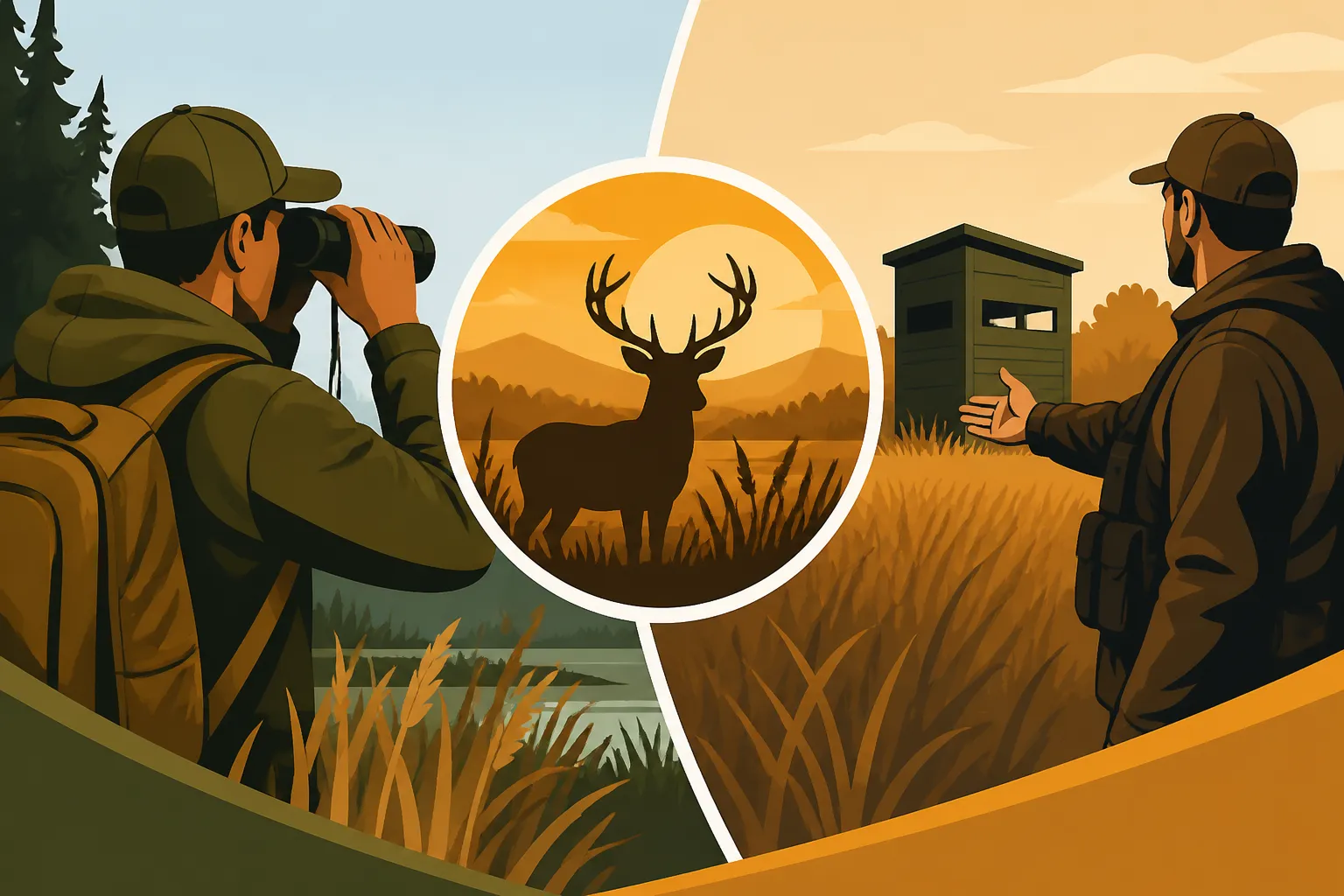
Accessible Blinds and Guides Who Offer Them
For many hunters who experience mobility challenges, the idea of getting out into the Manitoba bush, finding a comfortable and safe spot, and patiently waiting for game can feel like an impossible dream. Rough terrain, steep banks, and standard ground blinds or tree stands just aren't always built for everyone, and that can be incredibly frustrating. But I want you to know that those barriers don't have to define your hunting journey here in Manitoba. This guide is all about exploring the options available for accessible hunting, specifically focusing on specialized blinds and the dedicated guides and outfitters who can make your outdoor aspirations a reality.
The Quest for Inclusive Hunting: Why Accessibility Matters in Manitoba
Hunting is a deeply ingrained part of Manitoba's culture, offering unparalleled opportunities to connect with nature, provide for your family, and experience the thrill of the chase. However, for individuals living with disabilities or mobility limitations, participating in this tradition can present significant hurdles. It's not just about getting to the hunting area; it's about navigating uneven terrain, safely getting into a blind, and maintaining comfort and vigilance for extended periods.
These challenges often go unaddressed in general hunting discussions, leaving many feeling overlooked. Traditional hunting setups, like tree stands or basic pop-up ground blinds, simply aren't designed with wheelchair users, those with prosthetic limbs, or individuals with limited stamina in mind. The desire to hunt, to be out there in the crisp Manitoba air, is as strong for these individuals as for anyone else, and it's essential that we recognize and support their access to the field.
Defining Accessible Hunting Opportunities
When we talk about "accessible hunting," we're really talking about a spectrum of adaptations designed to remove physical barriers. This can range from simple considerations like choosing flatter hunting grounds with easier paths to more specialized equipment and services. At its core, it means ensuring that a hunter with a disability can participate as independently and safely as possible, allowing them to focus on the hunt itself rather than struggling with their environment.
This often involves things like wider doors, ramps, stable flooring, and sufficient interior space in blinds to accommodate wheelchairs or other mobility aids. It also means having guides who understand the specific needs of hunters with disabilities and are prepared to assist thoughtfully and respectfully. It’s about more than just a blind; it’s about the entire experience, from getting to the site to field dressing and egress. The goal is a seamless, enjoyable, and successful hunt for everyone.
Common Barriers for Hunters with Mobility Challenges
Let's be realistic – Manitoba's diverse landscapes, while beautiful, can be tough. From the dense boreal forests and thick bush country to the wide-open prairies and marshy lowlands, each presents its own set of obstacles. Imagine trying to navigate a rocky Shield country outcrop in a wheelchair, or setting up a standard ground blind in deep snow if you have limited hand dexterity. It’s not just difficult; it can be downright impossible without specific accommodations.
Beyond the terrain, there are other considerations. The cold Manitoba winters, for example, can exacerbate certain conditions, making warmth and shelter even more critical. Standard blinds might not offer adequate insulation or space for bulky adaptive gear or companion animals. Simply finding an outfitter who understands these nuances, or even knowing where to begin looking for such services, can be a significant barrier in itself. It's a journey that often requires extra planning and a bit more detective work to ensure a truly successful and comfortable experience.
Beyond the Basics: Types of Accessible Blinds for Manitoba Hunters
When you're planning an accessible hunt, the blind itself is often the cornerstone of your comfort and success. These aren't just your run-of-the-mill pop-up blinds; they're purpose-built structures designed to accommodate a variety of mobility needs, offering stability, space, and protection from the elements.
The right accessible blind can transform a challenging day into an enjoyable one, allowing a hunter to focus on the game rather than on discomfort or logistical struggles. They offer a dignified and effective way for hunters with disabilities to participate fully in the outdoor experience.
Wheelchair-Accessible Ground Blinds
These are arguably the most common and versatile type of accessible blind. They are designed with ample interior space, often at least 6×6 feet or larger, to allow for easy maneuverability of a wheelchair, power chair, or scooter. The key features include wide, level entrances, often with a low-slope ramp or no lip at all, eliminating any tripping hazards or barriers to entry.
Inside, the layout is typically open, with shooting windows placed at various heights to accommodate seated hunters, ensuring clear sightlines. Some even feature adjustable chairs or benches for those who can transfer out of a wheelchair. These blinds are usually sturdy, often constructed from wood or durable composite materials, providing excellent protection from wind, snow, and rain. Many are insulated and can be easily heated, which is a huge bonus during Manitoba's colder seasons. They can be placed in strategic locations, like Hunting a Bluff Between Two Fields or overlooking a Hunting a Willow Run for Whitetails, offering prime opportunities.
Elevated Accessible Blinds
While ground blinds are fantastic, sometimes elevation is necessary for better visibility or to escape scent dispersion, especially for certain species or in specific terrains. Elevated accessible blinds combine the benefits of height with full accessibility. These structures feature robust, stable platforms accessed by a wide, gentle ramp or even a specialized lift system. The blind itself mirrors the features of an accessible ground blind: spacious interior, wide doorways, and carefully positioned, adjustable shooting windows.
The construction of an elevated accessible blind is crucial; stability is paramount. These are often custom-built, fixed structures, making them a significant investment for outfitters but providing an invaluable resource for hunters. Imagine having a commanding view over a large field or dense bush, perfectly positioned with your mobility device, waiting for that trophy buck. This type of blind requires careful placement and often professional installation due to the structural demands, but offers an unparalleled vantage point.
Custom Builds and Adaptive Modifications
Beyond standard designs, many outfitters, or even individual hunters, will invest in custom-built blinds or modify existing structures to meet specific needs. This might involve widening an existing door, adding a sturdy ramp to a permanent blind, or installing specialized shooting rests that accommodate different shooting positions or prosthetic devices. The beauty of custom builds is their ability to cater precisely to an individual's unique requirements, maximizing comfort and functionality.
Some modifications might include things like installing specific climate control systems, adding communication devices, or setting up specialized scent control systems within the blind. These adaptive solutions show a real commitment to inclusive hunting, reflecting an understanding that one size doesn't fit all. If you have unique needs, don't hesitate to discuss them with potential guides; many are incredibly resourceful and willing to go the extra mile to ensure your success.
| Accessible Blind Type | Key Features | Best For | Considerations |
|---|---|---|---|
| Ground Blind | Wide, level entry; spacious interior; multiple shooting windows at seated height; sturdy construction. | Wheelchair users; limited mobility; stable shooting platform. | Excellent weather protection; easy to heat; less prone to sway. |
| Elevated Blind | Ramps or lifts for access; stable elevated platform; spacious interior; high vantage points. | Improved visibility; scent control; wider field of view. | Requires sturdy construction and level ground for base; ramp slope must be gentle. |
| Custom Modified | Tailored ramps, door widths, shooting rests, climate control to individual needs. | Highly specific mobility requirements; unique adaptive equipment. | May require more lead time to build/modify; close communication with outfitter is crucial. |
Partnering for Success: Finding Accessible-Friendly Guides and Outfitters
Finding the right guide or outfitter who truly understands and caters to accessible hunting needs can feel like searching for a needle in a haystack. It's not enough for them to simply have a ground blind; they need to have the experience, the equipment, and most importantly, the right mindset to ensure a comfortable, safe, and successful hunt. This often requires a bit of research and asking the right questions upfront.
An outfitter's willingness to engage in a detailed conversation about your specific needs is a strong indicator of their commitment to accessibility. Look for those who see your abilities, not your limitations, and who are genuinely excited to help you achieve your hunting goals. Platforms like BookYourHunt can be a good starting point for finding various outfitters, but remember to always follow up with direct, specific inquiries about accessibility. Similarly, resources like GoHunt often have forums or community sections where you might find recommendations or share experiences with other hunters who have faced similar challenges.
Qualities of an Accessible-Friendly Outfitter
What truly sets an accessible-friendly outfitter apart? It's more than just having a ramp. First and foremost, they will possess a deep understanding of varying mobility needs. This means their staff are not just guides, but patient, experienced assistants who know how to safely transport, position, and support a hunter with disabilities. They should have a strong track record of successful hunts with accessible clients, and ideally, can provide references from previous hunters.
Secondly, their infrastructure needs to match their intentions. This includes not only the accessible blinds themselves but also transportation options like ATVs or UTVs modified for easier access, or even truck access to key hunting spots. They should be able to navigate the terrain in a way that minimizes discomfort and maximizes safety for you. This might mean knowing flatter routes or planning for longer travel times to ensure a smooth journey to and from the blind. Communication is also key; they should be proactive in discussing your specific needs and willing to adapt their plans accordingly. For more on what a guide should provide, check out What a Licensed Manitoba Guide Provides.
Questions to Ask Potential Guides and Outfitters
Once you've identified a few potential outfitters, it's time to dive into the specifics. Don't be shy about asking detailed questions – this is your hunt, and you deserve to have all the information you need. Here’s a checklist of crucial questions:
- Specific Blind Features: "Can you describe your accessible blinds in detail? What are the interior dimensions? How wide is the door/ramp? Are the windows adjustable? Is there room for a caregiver or additional equipment?"
- Terrain and Access: "What is the terrain like between the drop-off point and the blind? What's the maximum distance? How do you handle transportation for hunters with mobility devices?"
- Assistance Level: "What level of physical assistance can your guides provide? Are they trained in safe transfer techniques? Can they assist with field dressing or retrieval if needed?"
- References: "Can you provide references from other accessible hunters who have hunted with you?"
- Emergency Preparedness: "What are your emergency procedures for hunters with mobility issues in remote locations? Do you have communication devices or specialized rescue equipment?"
- Comfort and Amenities: "Are your blinds heated? Do they have toilet facilities or can accommodations be made? What about overnight stays if applicable?"
- Booking and Customization: "How far in advance do I need to book? Are you willing to customize a hunt package based on my specific needs?"
- Licensing and Regulations: "Are you familiar with Rules for Non-Residents Hunting Manitoba or Manitoba Hunting Licences and What They Cost and how they apply to accessible hunting?"
A good outfitter will welcome these questions and provide clear, reassuring answers. Their transparency will speak volumes about their dedication to serving all hunters.
Crafting Your Accessible Hunt: Essential Planning Steps
Planning any hunting trip requires careful consideration, but an accessible hunt demands an even greater level of detail. From understanding the specific regulations to ensuring your gear is appropriate for the conditions, every step needs to be thought through to maximize your comfort, safety, and chances of success. It's about empowering you to have the best possible experience in Manitoba's beautiful outdoors.
Don't let the planning phase overwhelm you. Break it down into manageable steps, and remember that reputable outfitters are there to help guide you through much of this process. The more prepared you are, the more you can relax and truly enjoy the hunt when the time comes. This dedication to upfront planning is a hallmark of truly successful outdoor experiences, especially when accessibility is a key factor. For a broader overview of planning, check out Planning a Manitoba Hunting Trip.
Researching Regulations and Specific Needs
Before you even start looking at outfitters, familiarize yourself with Manitoba's hunting regulations. While specific accessible hunting permits or programs might exist in some jurisdictions, it's vital to understand the general rules, season dates, and tag requirements that apply to all hunters. Knowing these basics will help you communicate effectively with outfitters and ensure you're in compliance.
Beyond regulations, take a good, honest look at your own needs. What are your physical limitations, and what specific accommodations will make your hunt possible and enjoyable? Do you require specialized equipment beyond a wheelchair, like a shooting rest or specific clothing for temperature regulation? Thinking through these details beforehand will enable you to have a much more productive conversation with potential guides. Consider reading up on topics like Manitoba Hunter Education Requirements to ensure all prerequisites are met.
Essential Gear for an Accessible Hunter
Your gear list for an accessible hunt in Manitoba might look a little different from a standard packing list. Here’s what to prioritize:
- Adaptive Mobility Equipment: Ensure your wheelchair, power chair, or scooter is fully charged, serviced, and has appropriate tires for uneven terrain if you plan on any self-propelled movement. Consider a spare battery or charging options if your device allows.
- Comfort and Climate Control: Manitoba weather can be unpredictable. Pack layers of warm, waterproof, and breathable clothing. If you'll be stationary in a blind, extra insulation, heated vests, or even portable heaters (if allowed and safe) can make a huge difference. Don't forget insulated boots and hand warmers, especially if you're hunting in the late season. Hunting Safely in Deep Winter Cold has excellent tips.
- Shooting Aids: Depending on your specific needs, this could include specialized shooting rests, bipods, or even adaptive triggers. Practice with all your equipment beforehand to ensure comfortable and accurate shooting from your typical hunting position.
- Communication Devices: While many outfitters will provide these, having your own satellite messenger or two-way radio for emergencies is always a good idea, especially in areas with limited cell service.
- Personal Care Items: Pack any necessary medications, hygiene products, and anything else that contributes to your personal comfort and well-being. Don't assume these will be readily available in a remote hunting camp.
- Food and Drink: While most outfitters provide meals, bring plenty of water and snacks that meet your dietary needs and can keep your energy up during long waits in the blind.
Logistics and Travel Considerations
Manitoba is a large province, and getting to your chosen hunting area, especially with adaptive equipment, requires careful planning.
- Transportation: Discuss transportation options to and from the hunting area with your outfitter. Will they provide accessible transport from the nearest airport or town? If you're driving, ensure your vehicle can accommodate your mobility device and hunting gear.
- Accommodations: Ask about accessible lodging options both at the hunting camp and potentially for overnight stays before or after your hunt in nearby towns.
- Medical Preparedness: Inform your outfitter of any medical conditions or emergencies that might arise. Ensure they know how to administer any necessary medications or first aid. Carry a clearly marked emergency kit with all your essential information.
- Travel Insurance: Consider travel insurance that covers trip cancellation, medical emergencies, and equipment damage, especially for out-of-province or international hunters.
By meticulously planning these elements, you're not just preparing for a hunt; you're setting yourself up for an empowering and memorable experience, proving that the call of the wild is accessible to all who answer it.
Disclaimer
This article is for general informational purposes only and does not constitute professional advice. Laws, prices and regulations vary by location and change over time. Consult a qualified professional for guidance on your specific situation.