Getting From the Airport to a Manitoba Camp
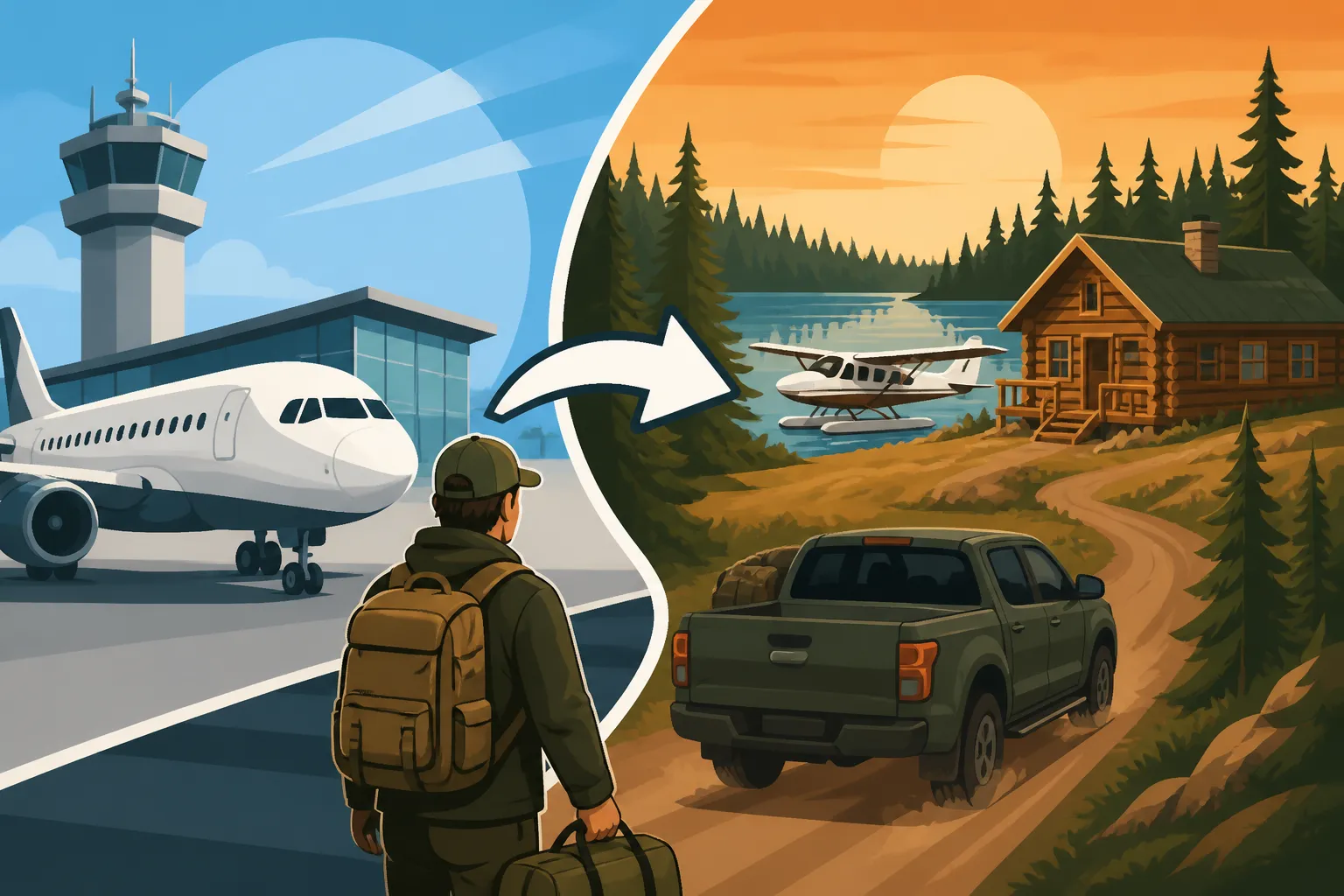
You've just landed at Winnipeg James Armstrong Richardson International Airport, the smell of jet fuel still lingering, but the real adventure of your Manitoba hunt is calling! While the thrill of big game in the boreal forest or vast marshlands is within reach, the journey from the bustling airport to your quiet, remote camp can often feel like the most intimidating part of the entire trip. This guide will walk you through the various options, potential pitfalls, and essential preparations to ensure your transfer from the airport to your Manitoba hunting camp is as smooth and stress-free as possible, letting you focus on the hunt itself.
The Initial Arrival: Winnipeg James Armstrong Richardson International Airport (YWG)
Stepping off the plane at YWG, you're officially in Manitoba, but often far from your final destination. For many hunters, especially those coming from outside the province, Winnipeg is the primary gateway. It's a modern, well-equipped airport, but it presents its own unique challenges when you're arriving with hunting gear and an anticipation for the wild.
Navigating the Airport with Hunting Gear
Let's be real, you're not just carrying a carry-on and a laptop bag. You've got rifle cases, archery bows in their protective sleeves, duffel bags overflowing with cold-weather gear, and maybe even a cooler for the journey back. This isn't your average vacation luggage, and handling it efficiently at the airport is step one.
First and foremost, if you're traveling with firearms, you'll have already gone through the process of Declaring a Firearm at the Canadian Border upon entry into Canada. This typically involves filling out a Non-Resident Firearm Declaration Form (CAFC 909) and presenting it to a Canada Border Services Agency (CBSA) officer. At YWG, this process usually happens smoothly, but it's important to have all your documentation in order. Once cleared, retrieving your firearm case from oversized baggage can take a little extra time. Don't be surprised if it's not on the main carousel with your other bags; often, special items are brought to a separate counter. Make sure your cases are clearly marked and secured.
For all your other hunting gear, particularly those bulky duffels and specialized packs, be prepared for a bit of a lug. While carts are available, navigating them through the busy arrival area can be a workout in itself. It’s always a good idea to consolidate as much as possible, or better yet, travel with a hunting buddy who can lend an extra set of hands. Consider the What to Bring to a Manitoba Deer Camp article for tips on efficient packing.
Initial Logistics: Rental Cars, Shuttles, and Guides
Once you've collected all your gear, the next big question is: how do you get out of the airport and onto the road (or air) to camp? You've got a few immediate choices, each with its own set of advantages and considerations depending on your hunt's location and whether you're dealing with an outfitter.
Rental cars are readily available at YWG from all the major companies. If your camp is within a few hours' drive on well-maintained roads and your outfitter hasn't arranged transport, this can be a viable option. However, be mindful of the type of vehicle you rent. Many hunting camps, especially deeper in the bush or off main highways, require a four-wheel-drive truck or SUV, particularly in adverse weather conditions like a sudden snowstorm or heavy rain. A compact car might save you money upfront, but it could leave you stranded miles from camp. Always confirm road conditions and vehicle requirements with your outfitter or host beforehand.
Shuttle services or taxis can get you from the airport to a local hotel or even to a specific drop-off point within the city or nearby communities. However, these are often not practical for long distances or for camps in truly remote areas. They also might have limitations on the amount of gear they can comfortably accommodate, and the cost can quickly add up for a specialized, long-distance trip. For most hunters heading to a camp, especially those further afield, personal transport or outfitter-provided services are usually more suitable.
The easiest and often most recommended option for non-resident hunters, or anyone booking through a licensed guide, is direct coordination with your outfitter. Many Manitoba hunting packages include airport pick-up and drop-off as part of the service. This removes the stress of navigating an unfamiliar city, handling specialized luggage, and figuring out directions to a remote location. It's always best to clarify these arrangements well in advance when you're booking your trip, perhaps through platforms like BookYourHunt or GoHunt, to avoid any last-minute surprises.
Options for Reaching Your Hunting Camp
Once you're past the initial airport hurdle, the real journey to camp begins. Manitoba is a vast province, and hunting camps can range from a short drive outside Winnipeg to deep wilderness locations accessible only by air. Your choice of transport will largely depend on the specific location of your hunt and the services offered by your outfitter.
Outfitter Pick-Up: The Easiest Route
For many, especially those who've traveled a long way, the sight of their outfitter waiting for them at arrivals is a huge relief. This truly is the path of least resistance. When you've booked a guided hunt, especially with a reputable Manitoba Hunting Lodges and Camps, airport transfers are frequently built into your package.
The benefits here are multifold. Firstly, your outfitter knows the terrain, the roads (or lack thereof), and the quickest, safest way to get to camp. They’ll often have a robust truck or SUV capable of handling whatever Manitoba throws at it, from muddy gravel roads to freshly fallen snow. Secondly, they're accustomed to transporting hunting gear, including firearms, and can ensure it's loaded securely. This completely bypasses the need for you to rent a vehicle, worry about directions, or navigate potentially tricky routes in an unfamiliar environment. For non-residents, particularly, this service can be invaluable, removing much of the logistical headache associated with Rules for Non-Residents Hunting Manitoba and local travel.
When coordinating an outfitter pick-up, clear communication is paramount. Provide your outfitter with your exact flight number, airline, and estimated arrival time well in advance. Keep them updated on any delays once you've landed. They'll appreciate knowing when to expect you, especially if they're driving a long distance to meet you or if they have other hunters arriving on different flights. Many outfitters also offer assistance with initial paperwork, like validating your hunting licence, making your transition from traveler to hunter even smoother.
Rental Vehicles: Freedom and Flexibility (with caveats)
Choosing to rent a vehicle gives you ultimate control over your schedule and can be a good option if your camp is easily accessible, or if you plan to do some independent exploration before or after your hunt. However, this freedom comes with significant responsibilities and potential drawbacks.
If you opt for a rental, carefully consider the vehicle type. A standard sedan is rarely sufficient for most Manitoba hunting areas, especially if you're venturing off main highways. You'll likely need a full-size pickup truck or a rugged SUV with four-wheel drive, and preferably good ground clearance. Even paved roads can quickly turn to gravel, and then to less-maintained bush trails, particularly as you approach more remote Manitoba's Game Hunting Areas. Winter conditions, especially during the deer rut in November or late season hunts, make 4×4 almost a necessity for safe travel. You can find more details on preparing for winter conditions in Hunting Safely in Deep Winter Cold.
Another critical aspect is mileage. Manitoba is a big province. Drives to certain camps can be many hours long, and rental agreements often have mileage restrictions or additional charges for excessive distance. Factor this into your budget. Also, be aware of fuel stops. While major highways have plenty of services, once you turn off onto secondary roads or head north, gas stations become much scarcer. Plan your fuel stops carefully and consider carrying extra fuel in approved containers if your journey takes you truly off the beaten path. Cell service also becomes spotty, if not non-existent, in many parts of rural and northern Manitoba, so don't rely on your phone for navigation or emergencies.
Shuttle Services and Ride-Sharing (Limited Options)
While prevalent in urban centres, dedicated shuttle services or ride-sharing options like Uber or Lyft are generally not practical for getting from YWG to a remote hunting camp. Their operational areas are typically confined to larger towns and cities, and they are not equipped or insured for long-distance travel on rough roads, especially with specialized hunting gear.
However, if your hunting camp is located relatively close to a major town that has public transportation links or a small private shuttle service, it might be an option for the first leg of your journey. For example, if your outfitter is picking you up from a smaller regional airport a few hours away from Winnipeg, a pre-booked shuttle could get you to that regional hub. This is a very niche scenario, though.
For the vast majority of Manitoba hunting trips, particularly those that are wilderness-focused, relying on commercial shuttle services beyond the immediate Winnipeg area is not a realistic or recommended solution. Always confirm with your outfitter if this is even remotely viable, but generally, expect to use either their service, your own rental, or a chartered flight for more remote access.
The Journey Itself: Road Tripping to Camp
Once you've sorted out your transportation, whether it's an outfitter vehicle or your own rental, the actual drive to camp can be an adventure in itself. Manitoba's landscape changes dramatically as you move from the southern farmlands to the northern boreal forest, and each region presents its own unique driving conditions and scenic beauty.
Planning Your Route: Maps, GPS, and Offline Access
Gone are the days of relying solely on paper maps, but the digital age brings its own set of challenges, especially in areas with limited connectivity. Before you even leave the airport, ensure your route is thoroughly planned.
If you're driving yourself, invest in reliable GPS navigation, but more importantly, download offline maps to your smartphone or a dedicated GPS device. As you venture into Manitoba's more remote regions, cellular service can become non-existent for long stretches. A map app that relies on live data will become useless. Many hunters use apps like onX Hunt or similar services that allow pre-downloading of topographical and satellite maps, which can be invaluable for navigating logging roads, bush trails, or even understanding the terrain around your camp. You can often find additional information about routes and access by looking at Scouting With Satellite Imagery in Manitoba.
Beyond digital tools, don't discount a good old-fashioned paper map of Manitoba. Batteries die, screens crack, and sometimes the clearest path isn't what the GPS indicates. Your outfitter should provide you with detailed directions to camp, including landmarks, mileage between turns, and any specific advice about road conditions. Take photos of these directions with your phone as a backup. The "roads" to some camps might be barely more than two ruts through the bush, easily missed if you're not paying close attention.
Preparing for the Drive: Essential Supplies
A long drive to a remote hunting camp, especially in Manitoba, isn't just about getting from A to B; it's about being prepared for anything in between. The province can throw extreme weather at you, from blazing summer heat to bitter winter cold, and services can be few and far between.
Start with your vehicle. If it's a rental, do a quick check of tire pressure, fluid levels, and ensure you have a spare tire, jack, and lug wrench. For winter hunts, confirm the vehicle has winter tires or is at least all-season rated. Beyond the vehicle, pack an emergency kit. This isn't just for breakdowns, but for comfort and safety during long stretches with no services. This kit should include:
- Extra food and water: Non-perishable snacks, a cooler with drinks, enough water for a full day.
- First-aid kit: Comprehensive, not just band-aids.
- Warm blankets/sleeping bag: Essential in cold weather if you break down.
- Flashlight/headlamp: With extra batteries.
- Jumper cables: A classic that can save the day.
- Shovel and tow strap: Especially important if you might be on unmaintained roads or in snowy conditions.
- Basic tool kit: Pliers, screwdrivers, duct tape.
- Communication device: A satellite phone or a Garmin inReach/Spot device is highly recommended if you're driving through areas without cell service. Don't rely solely on your phone.
- Extra fuel: If your outfitter suggests it, especially for deeper forays into the bush.
Think about the time of year. If it's spring or early fall, bug spray is your friend, even for short stops along the road. If it's late fall or winter, Dressing for Manitoba's November Cold is critical, and that applies to your travel gear too. You want to be comfortable and safe, not just focused on getting there.
Navigating Remote Roads and Unmarked Turns
This is where the rubber meets the road, quite literally. Many of Manitoba's hunting camps are located off primary highways, requiring travel on gravel roads, provincial roads (which can sometimes feel like glorified gravel paths), and even unmarked bush trails. The reality is that "roads" can vary drastically.
You might start on a perfectly paved highway, transition to a well-maintained gravel road, and then suddenly find yourself on a winding, narrow dirt track that barely looks like a road at all. These remote tracks often have little to no signage. A simple instruction from your outfitter like "turn left after the big rock" or "look for the old logging trail" becomes crucial. This is why good offline maps and clear directions, possibly with photos or GPS coordinates, are your best friends.
Pay attention to your surroundings, particularly when cell service is gone. Notice landmarks, note mileage from significant turns, and don't be afraid to pull over and double-check your map if you feel unsure. Trying to rush or push through uncertainty can lead to getting lost, which wastes valuable hunting time and can even be dangerous in extreme weather. Take your time, enjoy the changing scenery, and trust your pre-planned route and your outfitter's guidance. When hunting, finding Manitoba Ground Others Drive Past is often key to success, and sometimes that starts with the drive into camp itself.
Special Considerations for Remote Fly-In Camps
For those seeking truly wild, untouched hunting experiences in Manitoba, especially for species like moose, bear, or caribou in the far north, a fly-in camp is often the only option. While exhilarating, this adds an entirely new layer of logistical planning and consideration to your journey.
Coordinating with Float Plane Charters
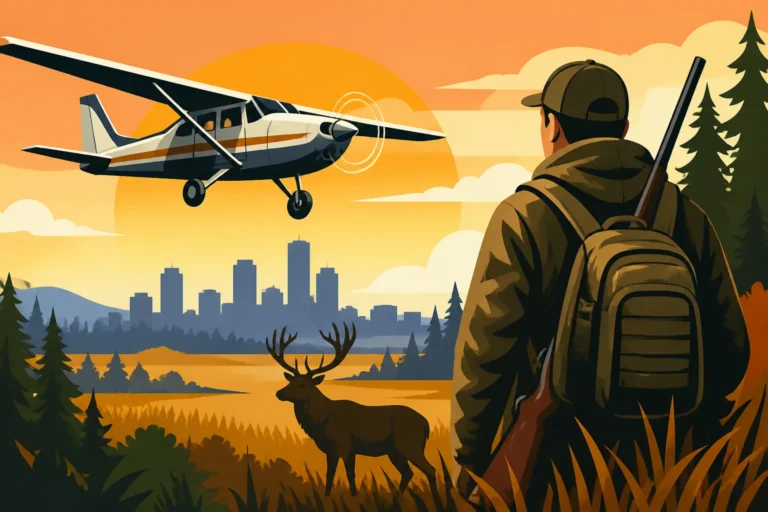
A fly-in hunt means your journey doesn't end when you arrive at a road-accessible community. From the main airport (usually YWG), you'll often have a connecting flight on a regional airline to a smaller northern hub like Thompson or The Pas, or you might drive to a float plane base located near a larger body of water. From there, your real bush plane adventure begins.
Your outfitter will typically arrange the float plane charter directly. However, it's crucial to understand the full itinerary. This often means coordinating flight times between your commercial airline and your charter flight, allowing ample buffer time for potential delays. Don't book a commercial flight that arrives an hour before your float plane departs; you're just asking for trouble! Many outfitters recommend arriving a day early to the float plane base, allowing for a relaxed transfer and mitigating any commercial flight delays.
The float plane company will have strict schedules and protocols. You'll need to know where and when to meet them, and what to do with your luggage before boarding. Be prepared for potentially small, rustic airstrips or lake docks. This is part of the charm of a northern Manitoba hunt, but it requires a flexible mindset. You can gain more insight into this type of travel by reading Flying Into a Remote Manitoba Camp.
Weight Limits and Gear Restrictions on Float Planes
This is perhaps the single most important consideration for any fly-in hunt. Float planes, by their nature, have very strict weight and balance limitations. Unlike a commercial jet where an extra 10 pounds might not be noticed, every ounce counts on a bush plane. Overloading is not an option; it's a safety hazard.
Your outfitter will provide you with specific weight limits per person, which often includes your body weight plus all your gear. These limits are usually much lower than what you'd expect from commercial airlines. You might be looking at 50-70 pounds per person, sometimes even less. This means you need to pack incredibly strategically. Forget carrying a huge, hard-sided cooler full of snacks; your outfitter will likely provide camp food. You can find detailed information about this specific challenge in What a Fly-In Camp Weight Limit Means.
Here's what to keep in mind:
- Soft-sided bags: Ditch the rigid suitcases. Soft duffel bags are preferred as they can be squeezed into irregular spaces in the plane's hold.
- Consolidate: Pack efficiently. Do you really need three pairs of boots?
- Essential items: Prioritize. Your hunting clothes, rifle, and critical personal items come first.
- Leave non-essentials: Anything you can do without, leave it at home or with your outfitter at the base.
- Communicate: If you have exceptionally heavy items (e.g., specialized camera gear, an unusually heavy rifle case), discuss this with your outfitter beforehand. They might be able to make special arrangements or advise on shipping alternatives.
Contingency Planning for Weather Delays
The weather in northern Manitoba is notoriously unpredictable, and float planes can only fly in suitable conditions. Fog, high winds, heavy rain, or sudden snowstorms can ground planes for hours, or even days. This is not just an inconvenience; it can significantly impact your hunt schedule.
It's absolutely critical to build buffer days into your travel plans, both on the front end and back end of your trip. Arriving a day early at the float plane base, and planning to depart a day or two after your scheduled fly-out, can save you a world of stress. If you're grounded, you won't miss your commercial flight home, and you won't lose precious hunting time at the start. Many outfitters will have contingency plans for accommodating hunters if they are delayed, but it's wise to discuss this upfront.
Consider purchasing travel insurance that specifically covers flight delays or trip interruptions. This can cover costs for unexpected hotel stays, missed connections, or even rebooking flights. Given the significant investment of a fly-in hunt, a little extra peace of mind can go a long way. You can learn more about protecting your investment by looking into Travel Insurance for a Hunting Trip.
Practical Tips for a Smooth Journey
Beyond the major logistical choices, a few practical habits can make all the difference in ensuring your airport-to-camp transfer is a success. It's often the small details that trip us up, so being proactive and communicating effectively are your best defenses.
Communication is Key: Before and During Travel
I can't stress this enough: communicate, communicate, communicate with your outfitter. This begins weeks or even months before your hunt and continues until you're safely tucked into your bunk at camp.
- Before Travel: Confirm all pick-up details, flight numbers, estimated arrival times, and any specific luggage requirements (especially for float planes). Reconfirm a few days before departure.
- During Travel: As soon as you experience a flight delay or cancellation, notify your outfitter. A quick text or email from the airport can allow them to adjust their schedule to meet you. If you land and are delayed retrieving luggage or clearing customs, let them know. They'll appreciate the heads-up.
- Contact Information: Ensure you have multiple ways to contact your outfitter and vice-versa. Phone numbers, email addresses, and emergency contact details for both parties are essential.
Remember, your outfitter wants you to arrive safely and on time, just as much as you do. They've often got complex schedules to manage, especially during peak hunting seasons, so helping them out with timely information will benefit everyone. Reputable outfitters, often listed by organizations like Manitoba Outfitter Associations and Standards, understand these challenges and are typically excellent communicators.
Packing Smart for the Journey
Efficient packing isn't just about saving space; it's about making your journey smoother and ensuring you have what you need when you need it. Think about the phases of your travel: airport, road trip, and finally, camp.
- Essentials in Carry-On: Keep critical items like your hunting licence, passport, The Non-Resident Firearm Declaration form, medications, and a change of clothes in your carry-on bag. If your checked luggage is delayed, you'll still have the absolute necessities.
- Layered Clothing: Dress in layers for travel day. Airport temperatures can vary wildly, and you might transition from a warm terminal to a cold vehicle quickly. This is also good practice for Dressing for Manitoba's November Cold on the hunt itself.
- Secure Firearm/Bow Case: Ensure your firearm or bow case is TSA/CATSA approved, locked securely, and clearly labeled. Remove ammunition from the firearm and pack it separately in an approved container, usually with your checked luggage. Consult Flying to Manitoba With a Rifle for specific regulations.
- Empty Cooler: If you're planning to bring a cooler for meat on the way home, often it's best to travel with it empty or collapsible, especially if flying. Your outfitter might provide a cooler or assist with Manitoba Meat Processing and Cold Storage for your harvest.
Understanding Canadian Regulations for Travelers
For non-resident hunters, understanding and adhering to Canadian regulations is paramount, not just for hunting, but for travel. Ignorance of the law is not an excuse, and violations can lead to significant delays, fines, or even refusal of entry.
- Firearms: Beyond the declaration, be aware of prohibited firearms. Some firearms legal in other countries might not be allowed in Canada. Research this well in advance.
- Alcohol and Tobacco: Be aware of personal import limits for alcohol and tobacco. Exceeding these limits can result in duties and taxes.
- Restricted Goods: Certain food items, plants, and animal products are restricted or prohibited from entering Canada to prevent the spread of diseases. If you're bringing snacks, check regulations carefully.
- Documentation: Always carry your valid passport, hunting licence, Manitoba Resident Licence Options or non-resident licence, and any other required permits (e.g., export permits for trophies). Keep copies of all important documents in a separate location, or digitally on your phone/cloud storage.
By being prepared and informed, you can avoid unnecessary headaches and ensure your journey from the airport to your Manitoba hunting camp is the smooth start to the incredible adventure you've been dreaming of.
Comparison of Transportation Options
To help visualize your choices, here's a quick comparison of the most common ways to get from the airport to a Manitoba hunting camp:
| Option | Pros | Cons | Best For |
|---|---|---|---|
| Outfitter Pick-up | Zero stress, local knowledge, handles gear. | Less flexibility, relies on outfitter's schedule. | Non-residents, remote camps, first-time Manitoba hunters, guided hunts. |
| Rental Vehicle | Full control, flexibility, stops along the way. | Navigation challenges, rough roads, vehicle limitations, cost. | Easily accessible camps, hunters wanting independence, longer stays. |
| Float Plane Charter | Access to truly remote wilderness, scenic. | Strict weight limits, weather delays, expensive, complex logistics. | Deep wilderness hunts (moose, caribou, remote bear), unique experiences. |
| Shuttle/Taxi | Convenient for short distances to city locations. | Limited range, expensive for long distances, gear limits. | Getting to a local hotel, connecting to a regional bus/train (rare for hunts). |
Disclaimer
This article is for general informational purposes only and does not constitute professional advice. Laws, prices and regulations vary by location and change over time. Consult a qualified professional for guidance on your specific situation.