Why Late November Weeks Sell Out First
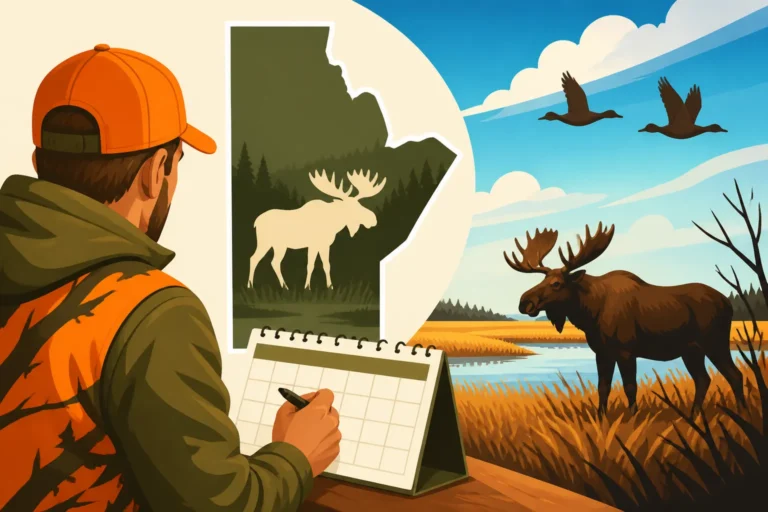
It's a common lament among hunters looking to book a guided whitetail trip in Manitoba: trying to secure a spot for that magical late November period often feels like trying to win the lottery. The best outfitters, the ones with a solid reputation for big bucks, see those prime weeks vanish from their calendars faster than a wary old buck disappears into the thickest bush. This guide will help you understand why those specific weeks are so coveted and what you can do to put yourself in a position to snag one.
The Biological Peak: Why the Rut Matters So Much
For whitetail deer, there's simply no more exciting — or predictable — time of year than the breeding season, commonly known as the rut. This short window of intense activity is what every serious whitetail hunter dreams of, and for good reason.
Understanding the Whitetail Rut Cycle
While the exact timing can fluctuate a bit depending on factors like geography, herd health, and even moon phase, late November consistently hits the sweet spot for the peak of the whitetail rut in Manitoba. This isn't just a casual observation; it's backed by countless hours in the field and biological studies. During this period, the does are receptive, and the bucks are singularly focused on finding them. It's a primal drive that overrides much of their usual caution.
Before this peak, you might see bucks sparring and making scrapes (the pre-rut), and after it, they'll be exhausted and focused on recovery. But those few weeks when the does are truly ready, that's when the bucks go into overdrive. It means more deer on the move, often in daylight, and more opportunities to intercept a mature buck that might otherwise be strictly nocturnal. For more on this, check out Hunting the Rut in Early to Mid November.
Increased Buck Activity and Predictability
During the peak rut, the usual patterns of whitetail movement can be thrown out the window, but in a way that actually makes them more predictable for hunters. Bucks, especially mature ones that have been reclusive all year, start covering vast amounts of ground in search of does. They'll venture into areas they usually avoid, driven by scent and the urge to breed. This heightened activity isn't just about chasing; it involves a lot more cruising, checking traditional scrape lines, and scent-checking bedding areas.
For a hunter, this translates to better chances of seeing a wide range of deer, and crucially, an increased likelihood of catching a big buck off guard. They're no longer thinking about food or safety as much as they are about perpetuating their genes. This means they are vulnerable to calls, rattling, and simply being in the right place at the right time. You can learn more about these tactics in Rattling and Calling Parkland Whitetails.
Trophy Potential During This Window
Let's be honest, many hunters are dreaming of a trophy buck, and the late November rut is absolutely when those dreams have the highest chance of becoming reality in Manitoba. Mature bucks are at their physical peak, carrying heavy antlers and a full winter coat, making them magnificent animals to pursue. The combination of increased movement and reduced caution means that a buck that might have been impossible to hunt a month earlier is now susceptible to a well-planned strategy.
It's not just about seeing more deer; it's about seeing those specific deer that have been masters of evasion all season. Outfitter success rates, especially for larger deer, often see a significant bump during these peak rut weeks. This is the time when those truly heavy-bodied Manitoba bucks, the ones that have grown old and wise in the bush, become active enough to present a shot opportunity. This pursuit of the big one is a major driver of demand for guided hunts.
Hunter Psychology: The Drive for Rut Action
Beyond the biological realities, there's a strong psychological component that fuels the demand for late November rut hunts. Hunters, myself included, are drawn to the drama, the intensity, and the sheer potential that this short season offers.
The Lure of High-Action Hunting
There's an undeniable allure to hunting during the rut. It's often portrayed in hunting media as the ultimate test, where strategy and patience meet explosive action. The idea of a mature buck responding aggressively to a grunt call or crashing through the timber to a rattling sequence is what gets many hunters' blood pumping. It's a dynamic experience, far removed from the more sedentary early season sits.
This promise of high-octane hunting is a huge draw. Hunters want to be there when the woods come alive, when anything feels possible. The excitement of seeing multiple bucks chasing does, of hearing antlers clash, or watching a wary old deer make a mistake driven by instinct is a powerful motivator. It creates an expectation of a truly memorable, action-packed hunt, and outfitters know this is what hunters are craving.
Word-of-Mouth and Success Stories
The hunting community thrives on stories of success, and tales from the Manitoba rut are often legendary. When hunters come home with incredible stories and pictures of a buck they harvested during that specific late November window, it spreads like wildfire. These stories, whether shared around a campfire, on social media, or in hunting forums, create a powerful ripple effect. They solidify the idea that "this is the time to be in Manitoba."
Many hunters book their trips based on recommendations from friends or what they've seen others accomplish. If an outfitter consistently posts pictures of successful rut hunts from a particular week, it's natural for others to want to secure a spot during that same magical time. It’s a self-fulfilling prophecy of demand, driven by genuine success and the powerful influence of personal testimonials.
The Fear of Missing Out (FOMO)
Let's face it, FOMO is real, and it applies strongly to hunting, especially when it comes to the rut. No hunter wants to hear about their buddies having an incredible, action-packed rut hunt while they're stuck at home or, worse, hunting a less productive week. This fear drives many to prioritize booking those peak weeks, even if it means planning far in advance or paying a premium.
There's a sense that if you don't hunt the rut, you're missing out on the best chance at a trophy, or at least the most exciting hunting experience of the year. This psychological pressure, combined with the genuine biological advantages of the rut, creates a perfect storm of demand that sees those late November weeks scooped up almost immediately once an outfitter's calendar opens. It emphasizes the importance of staying ahead of the game in your booking process.
Outfitter Logistics: Managing Peak Demand
For outfitters, the late November rut period is a double-edged sword: it’s their busiest and most profitable time, but also the most challenging to manage due to overwhelming demand.
Limited Capacity and Guide Ratios
Even the largest and most well-established Manitoba outfitters have a finite capacity. They can only accommodate so many hunters at one time, dictated by the number of guides they employ, the available lodging, and the sheer amount of prime hunting ground they can effectively manage. Quality outfitters often pride themselves on a low hunter-to-guide ratio, ensuring each client gets personalized attention and a better hunting experience.
This commitment to quality means they can't simply pack in more hunters during the peak rut. If they did, it would dilute the experience for everyone, potentially over-pressuring their hunting areas and damaging their reputation. So, when you combine high demand with inherently limited capacity, those coveted spots become a scarce commodity very quickly. For more details on what a guided hunt entails, see What a Licensed Manitoba Guide Provides.
Demand Outstripping Supply
It’s a simple economic principle: when demand far exceeds supply, prices rise, and availability dwindles. This is precisely what happens with late November rut hunts in Manitoba. There are more hunters eager to book those specific weeks than there are spots available, especially with top-tier outfitters. Many hunters book their trips a year or even two in advance just to ensure they get into the window they desire.
This intense competition means that if you're not planning your trip well ahead of time, you'll likely find yourself out of luck for those prime dates. It’s a stark reality for many who wait until spring or summer to start looking, only to find the calendar for November has already been completely filled. That's why platforms like BookYourHunt and GoHunt, which allow you to view available dates and contact outfitters, become essential tools for early bird planners.
Premium Pricing for Peak Weeks
Given the immense demand, it's not uncommon for outfitters to price their peak rut weeks at a premium. This isn't necessarily about price gouging; it's a reflection of the market value and the additional resources and efforts often dedicated to ensuring a successful rut hunt. Longer hours, more intense scouting, and higher expectations from clients all contribute to the operational costs during this crucial period.
While the cost might be higher, many hunters view it as a worthwhile investment for the increased odds and the potential for a truly memorable experience. It’s a decision each hunter has to weigh: whether the higher price for a rut hunt aligns with their budget and their desire for that specific experience. Don't be surprised if the price tag for a mid-November week is noticeably higher than an early October or late December hunt. Here's a quick comparison of booking timelines:
| Hunting Period | Typical Booking Window (Prior to Hunt) | Availability for Peak Rut Weeks | Potential for Discounts/Flexibility |
|---|---|---|---|
| Early Season (Sept) | 6-12 months | Moderate | Higher |
| Peak Rut (Late Nov) | 12-24 months+ | Very Limited | Very Low |
| Late Season (Dec) | 6-12 months | Moderate | Moderate |
| Spring Bear (May/Jun) | 12-18 months | Moderate | Moderate |
Planning Ahead: Securing Your Dream Hunt
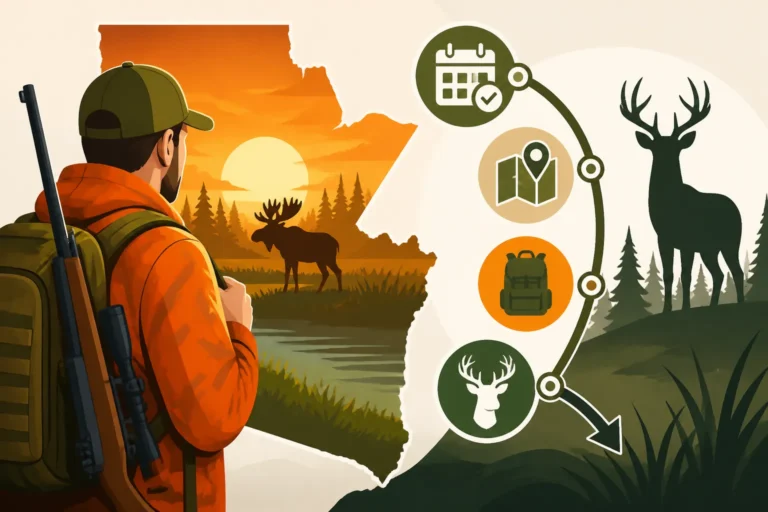
If you're serious about experiencing the Manitoba rut, the key isn't luck – it's diligent planning and proactive booking.
Booking Early is Non-Negotiable
Seriously, I can't stress this enough: if you want to hunt during those prime late November weeks, you need to book early. We're talking 12 to 24 months in advance for the most sought-after outfitters. As soon as an outfitter opens their calendar for future seasons, those coveted rut dates are the first to go. Many hunters rebook their spots for the following year right as they finish their current hunt.
Don't wait until the last minute, thinking you'll find a cancellation. While cancellations do happen occasionally, they are extremely rare for prime rut dates, and they're usually snapped up immediately by someone on a waiting list. Get in touch with outfitters well ahead of time, express your interest, and be prepared to put down a deposit. This is the only way to guarantee your spot. Knowing When Manitoba Outfitters Book Up is crucial for planning.
Leveraging Online Platforms and Resources
In today's digital age, online platforms have become invaluable tools for finding and booking guided hunts. Websites like BookYourHunt and GoHunt act as directories and booking portals, allowing you to browse various Manitoba outfitters, read reviews, and check for available dates. These platforms can give you a head start by showing you who has openings and what their typical booking lead times are.
When using these resources, pay close attention to the outfitter's calendar, and don't hesitate to reach out directly through the platform or their own website. Be clear about your desired dates and be prepared to be flexible if your absolute top choice isn't available. Sometimes, even shifting your hunt by a few days can open up possibilities. You might also find valuable information on How to Vet a Manitoba Outfitter on these sites.
Considering Shoulder Season Alternatives
While late November is undeniably popular, it's worth remembering that excellent hunting opportunities exist just outside that peak rut window. The early November pre-rut, for example, can be incredibly productive for hunters willing to put in the time rattling and calling. Bucks are still very active, cruising for the first receptive does, and often haven't been pressured as heavily as they will be during the peak.
Similarly, the late season in early December can offer unique challenges and rewards. Bucks are often exhausted but still moving, and with colder temperatures and potentially snow, deer may concentrate in food sources or bedding areas, making them easier to pattern. Don't discount these "shoulder" seasons, as they can provide an exceptional hunting experience without the intense competition for dates. Sometimes, a slightly earlier or later hunt means a more intimate experience with your guide and less pressure on the deer. Consider Hunting the Late December Season for another perspective.
The demand for late November rut hunts in Manitoba isn't just hype; it's a confluence of biological reality, hunter psychology, and outfitter logistics. By understanding these factors and planning far in advance, you significantly increase your chances of securing one of those coveted spots and experiencing the thrill of a Manitoba whitetail rut hunt firsthand.
Disclaimer
This article is for general informational purposes only and does not constitute professional advice. Laws, prices and regulations vary by location and change over time. Consult a qualified professional for guidance on your specific situation.