Booking a Sandhill Crane Field Hunt
Trying to organize a successful sandhill crane field hunt in Manitoba can feel like trying to solve a puzzle with half the pieces missing. You hear stories of incredible hunts, but figuring out how to get into those fields, understand the regulations, and find a reputable guide can be overwhelming. This comprehensive guide is here to walk you through the entire process, from understanding what makes Manitoba prime crane country to successfully booking your ultimate guided experience.
The Allure of Sandhill Crane Hunting in Manitoba
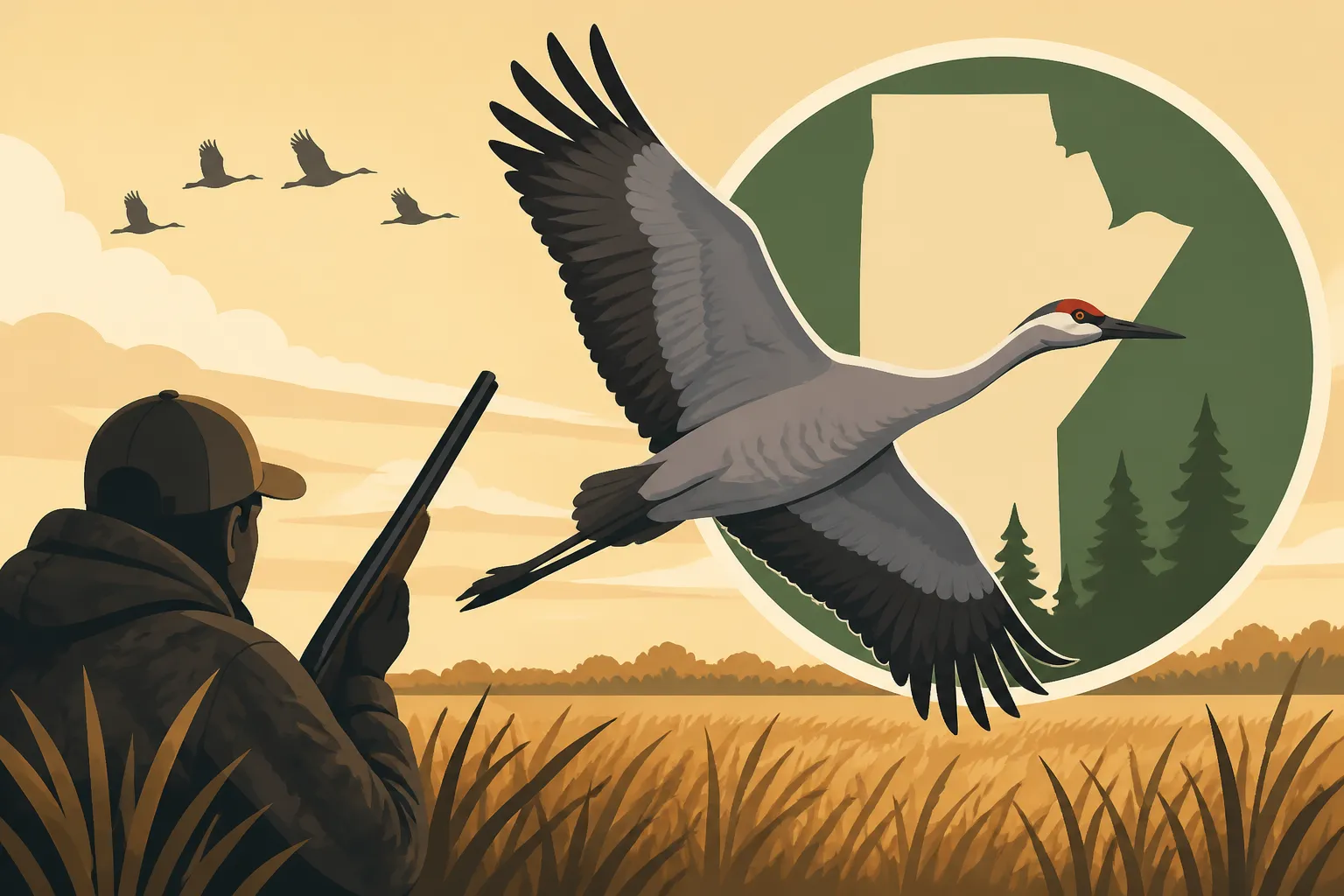
Manitoba offers some truly spectacular migratory bird hunting, and for those in the know, sandhill cranes are often high on the list. These majestic birds, sometimes affectionately called the "ribeye of the sky" for their delicious meat, provide a unique and challenging hunting experience that combines decoy setup, expert calling, and fast-paced shooting. But it's not just about the harvest; it's about witnessing the incredible migration, feeling the ground tremble as they fly overhead, and experiencing a hunt unlike any other.
The 'Ribeye of the Sky': Why Cranes Are a Premier Hunt
Let's be honest, for many, the draw of sandhill crane hunting comes down to the table fare. Their meat is dark, rich, and incredibly flavorful, earning them that famous nickname. But beyond the culinary appeal, these birds are magnificent creatures. They possess a keen eyesight and a wary nature that makes decoying them into range a true test of skill and patience. Unlike some waterfowl hunts where birds might commit quickly, cranes often circle, studying the spread from high above, demanding perfection in your setup and calling. The anticipation as a flock slowly descends, wings cupped, is an experience that stays with you long after the hunt is over. It's a challenging hunt, but the reward, both in experience and on the plate, is immense.
Understanding Manitoba's Sandhill Crane Migration
Manitoba sits squarely in the Central Flyway, a superhighway for millions of migratory birds each fall, including vast numbers of sandhill cranes. As the summer breeding grounds in the far north begin to cool, these birds commence their journey south, staging in various agricultural regions of the province. They seek out vast grain fields, especially those with harvested peas, barley, or wheat, to refuel for their long flight ahead.
This staging period, typically from late August through September, offers prime hunting opportunities. The sheer numbers can be astounding, with thousands of birds congregating in specific areas. Understanding their flight paths, feeding habits, and roosting patterns is crucial for a successful hunt. Guides who have spent years in these fields know the subtle shifts in migration patterns and where the birds are likely to be. They're constantly Scouting Fields for Manitoba Waterfowl, which includes these magnificent cranes. The birds will often fly from a water roost, like a large marsh or shallow lake, directly to feeding fields at first light, and then return later in the afternoon.
Regulatory Considerations for Cranes
Hunting sandhill cranes in Manitoba comes with its own set of rules and regulations, just like any migratory game bird. First and foremost, you'll need both a provincial hunting licence and the federal Manitoba Migratory Bird Permits and a Canadian Wildlife Habitat Conservation Stamp. These are non-negotiable and ensure you're hunting legally and contributing to conservation efforts.
It's vital to be aware of the specific season dates and bag limits for sandhill cranes, as these can vary slightly year to year and by management zone. The season generally opens around late August or early September, giving hunters a fantastic opportunity before the full swing of the duck and goose migration. Unlike some other waterfowl, cranes typically have a more conservative bag limit, so it's essential to know your daily and possession limits to stay within the law. Most outfitters will handle the details of informing you about these specific regulations, but it's always smart to double-check and familiarize yourself with the current Manitoba hunting guide before your trip. Knowing the When Sandhill Crane Season Opens is your first step.
Finding and Vetting Outfitters for Sandhill Cranes
So, you're convinced that a sandhill crane hunt in Manitoba is for you. Now comes the exciting, but sometimes daunting, task of finding the right outfitter. A good outfitter can make or break your trip, turning a potentially frustrating experience into an unforgettable one. It's not just about finding someone with access to birds; it's about finding a guide who prioritizes safety, ethics, and your overall experience.
Starting Your Search: Online Resources and Recommendations
The internet is your friend when beginning your search for a Manitoba sandhill crane outfitter. Websites like BookYourHunt and GoHunt are fantastic starting points, acting as directories where you can browse various outfitters, read reviews, and get a general idea of what's available. They often have detailed profiles of guides, outlining their services, hunt types, and available dates. This can save you a lot of time sifting through individual outfitter websites.
Don't stop there, though. Word-of-mouth recommendations are golden in the hunting community. Ask friends, fellow hunters, or people in online forums for their experiences. A personal referral often carries more weight than any online review. Look for outfitters who specialize in waterfowl or migratory bird hunting, as they are more likely to have the specific expertise, equipment, and access needed for successful crane hunts. Pay attention to how long they've been operating in the area, as experience often translates to better knowledge of local bird movements and patterns.
Key Questions to Ask Potential Guides
Once you've narrowed down a few potential outfitters, it's time to pick up the phone and ask some detailed questions. Don't be shy! This is your investment of time and money, and you deserve to have all your questions answered thoroughly.
Here are some crucial questions:
- What is your experience specifically with sandhill crane hunting in Manitoba? Do they actively scout for cranes, or do they just hunt them opportunistically while targeting geese? You want a guide who is passionate about cranes.
- What kind of fields do you typically hunt for cranes? Do they have access to prime pea or grain fields? Do they hunt Hunting a Swathed Grain Field at Dusk?
- What is your typical field setup? Ask about decoy spreads, blind types, and how they ensure concealment. Will they be using a full spread of crane decoys, or will they mix them with goose decoys? A good guide knows the difference.
- What are the average group sizes? A smaller group often means more personalized attention and better shooting opportunities.
- What are the success rates like for crane hunts? While no reputable guide guarantees success, they should be able to give you a realistic idea based on previous seasons. Remember, "success" might mean opportunities, not just limits. What Success Rates Actually Mean can be very important here.
- What happens in case of bad weather or slow hunting? Do they have contingency plans or alternative hunting options?
- Are licences and stamps included in the package, or do I need to purchase them separately? Most often, you'll need to buy your own, but it's good to confirm.
- Can you provide references from past crane hunters? A confident outfitter will gladly put you in touch with previous clients. Make sure to call those references!
Evaluating Hunt Packages and What They Include
Outfitters offer a variety of Manitoba Waterfowl Outfitter Packages, and it's essential to understand what you're getting for your money. Crane hunts are often combined with goose or duck hunts, as the birds utilize similar habitats and seasons often overlap.
A typical package might include:
- Guided hunting: This is the core service, providing access to private land, decoys, blinds, and an experienced guide to call and manage the hunt.
- Meals and lodging: Many outfitters offer all-inclusive packages with comfortable accommodations and delicious home-cooked meals. This is often a huge bonus, taking the hassle out of post-hunt logistics.
- Bird cleaning and packaging: Some outfitters will clean and process your birds, preparing them for transport. Confirm if this is included or an additional service.
- Transportation to and from the field: Often, you'll meet at a central location and travel to the fields with the guide.
Be wary of packages that seem too good to be true, or those that don't clearly outline what's included. Always ask for a detailed breakdown of costs and confirm any hidden fees. Understand the deposit and cancellation policies, especially for a hunt booked well in advance. While some booking platforms like BookYourHunt try to standardize this, individual outfitters may have their own specific terms. Remember to ask What a Guided Waterfowl Trip Costs and what exactly that fee covers.
What to Expect on a Guided Sandhill Crane Hunt
You've booked your trip, the excitement is building, and you're ready to head to Manitoba! Knowing what to expect on the actual hunt day can help you prepare mentally and ensure you have the right gear. A guided hunt means much of the heavy lifting is handled, but your participation is still key to success.
The Field Setup: Decoys and Blinds
A typical morning for a sandhill crane hunt begins early, often before dawn. You'll meet your guide and head to a pre-scouted field. This is where the magic starts. Your guide, having done their homework, will have identified where the birds have been feeding. They'll likely have a substantial spread of sandhill crane decoys – often full-body or silhouette decoys that mimic the tall, grey birds. Sometimes, they might mix in a few large goose decoys, especially if geese are also working the area, or use a Setting a Goose Spread in Swathed Barley as a base.
Concealment is paramount. Cranes have exceptional eyesight, and any glint or unnatural shape will send them veering off. You'll likely hunt from layout blinds or pit blinds, designed to keep you completely hidden while offering a comfortable shooting position. These blinds are typically camouflaged to blend perfectly with the surrounding stubble or vegetation. The guide will position everyone to ensure safe shooting lanes and optimal coverage.
The Calling Experience
This is where an experienced guide truly shines. Sandhill cranes are vocal birds, and their distinctive, rattling calls are a hallmark of the hunt. Your guide will be an expert caller, using specialized crane calls to mimic the sounds of feeding or resting birds, attempting to lure passing flocks into your decoy spread.
As birds approach, the guide will often use hand signals or quiet verbal cues to direct your attention and prepare for the shot. There's an art to calling these wary birds, knowing when to be aggressive and when to back off. Listening to your guide and following their instructions is absolutely critical. They know the birds, they know the wind, and they know the field dynamics. The experience of hearing those wild bugles high overhead, watching the guide work them, and then having them commit to the spread is truly exhilarating.
Shooting and Retrieval Logistics
When the birds commit and drop into range, your guide will give the command to shoot. Sandhill cranes are large birds, but they are incredibly tough, and their wingspan can make them appear closer than they are. Proper shot placement is key. You'll need to use Non-Toxic Shot Requirements for Waterfowl, as is mandatory for all migratory bird hunting. Shot size generally ranges from BB to 2, providing enough knockdown power for these resilient birds.
After the shooting, the work of retrieving birds begins. Many outfitters will have trained retrievers on hand, which adds another enjoyable element to the hunt. If not, the group will typically assist in locating and gathering the fallen birds. It's crucial to mark your birds carefully and ensure every effort is made to recover them quickly and ethically. Your guide will oversee this process, ensuring all regulations regarding evidence of sex and tag validation are followed.
Planning Your Trip and Making the Most of It
A guided sandhill crane hunt is an investment in an experience, so a bit of pre-trip planning can go a long way in ensuring it's a memorable one. From packing the right gear to understanding the financial commitment, being prepared will help you relax and enjoy the hunt.
Essential Gear for a Crane Hunt
While your outfitter provides the decoys and blinds, there's still personal gear you'll need to bring to be comfortable and effective in the field.
Here's a checklist:
- Shotgun: A reliable 12-gauge shotgun is standard. An autoloader or pump with a 3-inch or 3.5-inch chamber is ideal. Make sure it's clean and patterned with your chosen non-toxic shot.
- Ammunition: Bring plenty of non-toxic shot (steel, bismuth, tungsten), sizes BB, 1, or 2 are common. Calculate how many rounds you typically shoot on a busy waterfowl hunt and bring extra.
- Clothing: Manitoba weather in late summer/early fall can be unpredictable. Layers are your best friend. Start with a moisture-wicking base layer, add insulating layers (fleece or down), and top with a good waterproof/windproof outer shell in a camo pattern that blends with stubble or dry fields. Don't forget a warm hat and gloves, even if the forecast is mild; mornings can be chilly.
- Footwear: Waterproof, comfortable boots are essential. You'll be walking in fields, which can be damp, uneven, and sometimes muddy.
- Hearing Protection: Crucial for protecting your ears from repeated gunfire.
- Eye Protection: Safety glasses are a must in the field.
- Hunting Licence and Permits: Have them readily accessible.
- Coolers: If you plan to take meat home, bring a good quality cooler for transport. Check regulations for Transporting Game Meat in Manitoba.
- Binoculars: Useful for spotting distant flocks.
- Snacks and Water: Stay hydrated and energized throughout the day.
- Camera: Capture the memories!
Understanding Costs and Booking Timelines
Booking a guided sandhill crane hunt involves several costs beyond the outfitter's package fee. You'll need to account for:
- Licences and Permits: Provincial licence, federal migratory bird permit, and conservation stamp.
- Travel: Transportation to and from Manitoba (fuel, flights), and any local travel if not included in your package.
- Ammunition: This can add up!
- Gear: Any new clothing, shotgun, or other equipment you might need to purchase.
- Meat Processing/Shipping: If not included, or if you opt for professional services.
- Taxidermy: If you plan to mount a trophy bird (though typically sandhill cranes are pursued for meat).
- Gratuities: Tipping your guide is customary and a sign of appreciation for their hard work. How Much to Tip a Manitoba Guide is often 15-20% of the hunt cost, but always given based on effort and service, not solely on limits bagged.
For booking, it's wise to plan well in advance, especially for popular seasons like the early fall migration. Many reputable outfitters book up a year or even two in advance. Start researching and contacting guides as soon as you know your desired timeframe. This gives you the best chance of securing your preferred dates and allows you ample time for questions and preparations.
Maximizing Your Success and Enjoyment
To make the most of your guided sandhill crane hunt, approach it with an open mind and a willingness to learn.
- Listen to your guide: They are the experts on the ground. Follow their instructions regarding shooting times, calling, and safety. Their knowledge of How Waterfowl Guides Scout Fields Daily is invaluable.
- Practice your shooting: Sandhill cranes are large targets, but they fly with deceptive speed. Spend time at the trap or skeet range beforehand to ensure you're comfortable with swinging on birds and making quick follow-up shots.
- Be patient: Hunting isn't always fast-paced action. There will be periods of waiting. Enjoy the camaraderie, observe the nature around you, and appreciate being in the field.
- Be prepared for all weather: Manitoba weather can change on a dime. Having the right layers will ensure you stay comfortable no matter what Mother Nature throws at you.
- Respect the game: Practice ethical hunting, ensure clean kills, and make every effort to recover all downed birds.
- Embrace the experience: A guided hunt is more than just pulling the trigger. It's about the entire journey, the landscape, the sounds of the birds, and the stories shared in the blind. Even if the hunting is slow, enjoy the unique opportunity to be out in Manitoba's incredible wild.
A guided sandhill crane hunt in Manitoba is an incredible experience for any bird hunter. With proper planning, a good guide, and the right attitude, you're set for an adventure that will create lasting memories and fill your freezer with some of the finest wild game meat out there.
Disclaimer
This article is for general informational purposes only and does not constitute professional advice. Laws, prices and regulations vary by location and change over time. Consult a qualified professional for guidance on your specific situation.