What a Guide Does When Someone Gets Hurt
Imagine you're deep in the Manitoba bush, the crisp autumn air filling your lungs, and suddenly, a hunting partner takes a nasty fall, or a severe allergic reaction sets in. Your heart races – what happens now? When an accident or injury strikes on a guided hunting trip in Manitoba, knowing what your guide is trained and equipped to do can be the difference between a minor scare and a serious emergency, and it's a concern every hunter should address long before the hunt begins. This guide will walk you through the critical steps a professional guide takes when an unfortunate incident occurs.
Initial Response and Immediate Care
When an accident happens, the very first moments are crucial. A good guide isn't just an expert hunter; they're also a first responder in remote environments, often far from immediate medical assistance. Their training and instincts kick in to assess the situation rapidly and provide immediate care, which can be life-saving.
Assessing the Situation and Scene Safety
The guide's immediate priority is always scene safety. This means quickly evaluating if there's any ongoing danger – like a falling tree, unstable ground, an agitated animal, or a firearm discharge risk – that could put the injured person, themselves, or others at further risk. They’ll work to secure the area, ensuring everyone is out of harm's way before anything else. This might involve moving an injured hunter a short distance to a safer, more stable spot, or ensuring firearms are unloaded and secured.
Once the immediate danger is managed, the guide will perform a rapid assessment of the injured person. This isn't just a quick glance; it's a systematic check for responsiveness, breathing, severe bleeding, and any obvious breaks or dislocations. They need to understand the nature and severity of the injury to determine the best course of action. This initial assessment guides all subsequent steps, from what first aid to administer to how urgently external help is needed.
First Aid and Stabilization
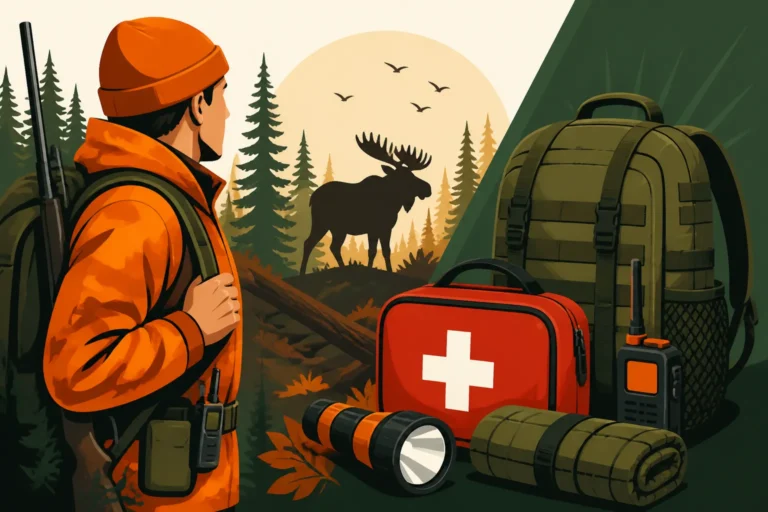
Most professional Manitoba guides, especially those operating in remote areas, possess basic or advanced first aid certifications, often including Wilderness First Aid (WFA) or Wilderness First Responder (WFR). This training goes beyond standard urban first aid, equipping them to manage injuries for extended periods in challenging conditions. They’ll have a comprehensive first aid kit on hand, far more extensive than what most hunters carry, stocked with everything from trauma dressings and splints to pain relievers and allergy medications.
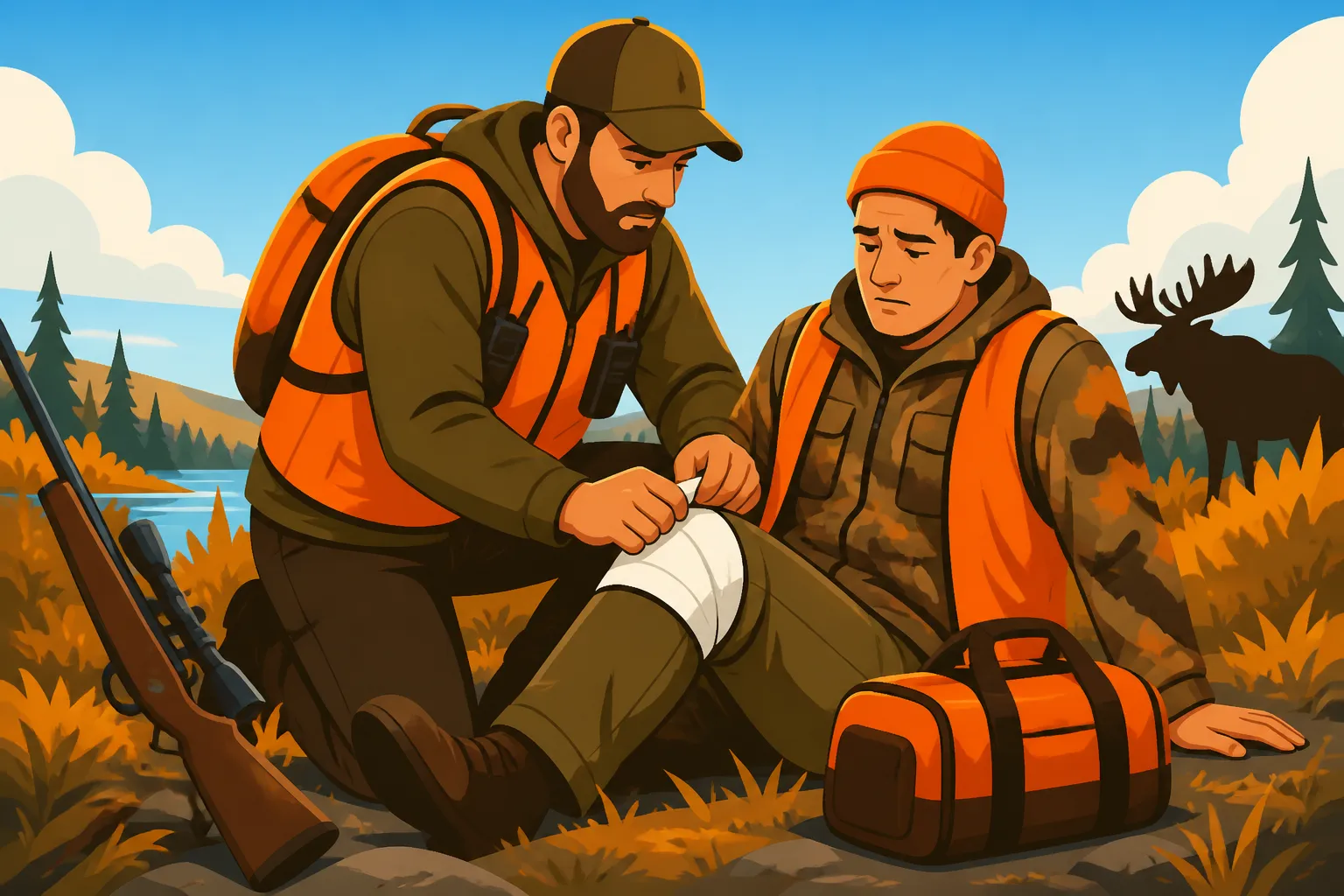
Their goal is to stabilize the injured person, prevent further injury, and make them as comfortable as possible while waiting for higher-level medical care or evacuation. This could involve stopping severe bleeding, immobilizing a suspected fracture, addressing shock, or managing an allergic reaction. For instance, if a hunter has a serious cut, the guide will apply direct pressure, elevate the wound, and use a tourniquet if necessary. If someone has fallen and suspects a broken leg, the guide will carefully splint it using materials at hand, whether it's specialized medical gear or improvised items like sticks and tape. They understand the importance of keeping the injured person warm, especially in Manitoba's often chilly hunting seasons, to prevent hypothermia. This critical period of stabilization is a testament to why choosing a reputable guide is so vital.
Communication and Emergency Services
Even the best first aid can only do so much. The next crucial step is communicating the emergency and coordinating external help. This is where a guide's preparedness for remote operations truly shines, particularly in areas with limited cell service.
Activating the Emergency Plan
Every professional outfitter and guide should have a detailed emergency plan in place, and they will activate it immediately. This plan outlines specific protocols for different types of emergencies, contact lists, and designated communication methods. It’s not just about calling 911; it's about navigating the unique challenges of a remote environment. For instance, in vast stretches of Manitoba's Northern Boreal or the Manitoba Interlake Between the Lakes, cellular service is often non-existent.
This is why guides carry specialized communication devices. Satellite phones, two-way satellite communicators like an inReach or Spot device, or even VHF radios are common. These devices allow them to send precise GPS coordinates and detailed messages about the situation, ensuring rescuers know exactly where to go and what to expect. During the pre-hunt briefing, your guide should explain their emergency communication plan, giving you peace of mind. It’s a good idea to ensure your chosen outfitter, perhaps one you found through platforms like BookYourHunt, has robust communication protocols in place.
Contacting External Support
Once the emergency plan is activated, the guide will contact the appropriate external services. This usually means starting with the provincial emergency line, or 911, which can then coordinate with local authorities such as the Royal Canadian Mounted Police (RCMP), Manitoba Conservation Officers, or local search and rescue teams. For a specific type of injury or location, they might directly contact air ambulance services if it's clear a rapid, specialized evacuation is needed.
The guide will provide a clear, concise report, including:
- The exact location (GPS coordinates are paramount).
- The nature and severity of the injury.
- The number of people involved.
- Any immediate first aid administered.
- Weather conditions and terrain details relevant to rescue.
They will maintain regular communication, providing updates and following instructions from emergency responders. This ongoing dialogue ensures that incoming help is well-informed and prepared. It’s not uncommon for Conservation Officers to be involved, as they often have local knowledge of remote areas and sometimes access to specialized equipment or vehicles. Understanding Manitoba Conservation Officer Powers can give you an idea of their role in such situations.
| Aspect | Guide's Responsibility | Hunter's Responsibility |
|---|---|---|
| Pre-Hunt | Provide safety briefing, share emergency plan, verify communication devices, ensure first-aid kit is stocked, confirm hunter's medical info. | Disclose medical conditions, carry personal meds, ask about guide's emergency plan, understand risks. |
| Immediate Response | Assess scene safety, rapid injury assessment, administer first aid. | Follow guide's instructions, remain calm, provide clear injury details. |
| Communication | Activate emergency plan, use satellite devices, contact 911/authorities, provide clear updates. | If able, assist with communication (e.g., relay messages), keep personal phone charged. |
| Evacuation | Coordinate transport, assist medical personnel, ensure safe movement of injured. | Cooperate with rescuers, adhere to medical advice, prepare for transport. |
| Post-Incident | File reports, assist with investigation, offer support. | Participate in reporting, seek necessary medical follow-up, provide feedback. |
Evacuation and Follow-Up Procedures
Once emergency services are engaged, the focus shifts to safe and efficient evacuation of the injured person. This stage can be complex, depending on the remoteness of the location and the nature of the injury.
Coordinating Transport and Evacuation
Manitoba's hunting grounds can range from easily accessible farmland to incredibly remote wilderness. The method of evacuation will vary dramatically. In more accessible areas, a truck or ATV might be sufficient to get the injured person to a waiting ambulance on a main road. Guides operating in such zones typically have appropriate vehicles and training for rough terrain transport. They know the local roads, cutlines, and trails intimately. For example, if you're Hunting Whitetails on Manitoba Farmland, road access might be relatively straightforward.
However, deep in the boreal forest or far north, conventional vehicles are useless. This is where air transport, such as a helicopter or float plane, becomes essential. The guide will assist in preparing a landing zone if required, ensuring it's clear and safe for the aircraft. They will also assist medical personnel upon arrival, providing a detailed handover of the situation and the care already provided. This coordination is critical for a seamless transition of care from the guide to paramedics or flight nurses. It's a huge undertaking that highlights the value of a truly professional outfit. Many hunters researching trips on sites like GoHunt will look for outfitters that clearly articulate their evacuation capabilities.
Post-Incident Reporting and Support
After an incident, the guide's responsibilities don't end once the injured hunter is on their way to medical care. There are often mandatory reporting requirements to provincial authorities, such as Manitoba Sustainable Development or the RCMP, especially if a firearm was involved or if the injury was severe. The guide will typically be responsible for filing these reports, accurately documenting the incident, the response, and any contributing factors. This is part of the accountability that comes with being a licensed professional guide in Manitoba.
Furthermore, a compassionate guide will offer ongoing support to the uninjured members of the hunting party, and if possible, to the injured hunter's family. This might involve debriefing the group, helping them process the event, or assisting with logistics like getting back to camp or arranging travel home. They might also help coordinate with personal insurance providers, if the hunter had travel or medical insurance for their trip. While a guide isn't a medical professional or a social worker, their role extends to ensuring the well-being of their entire party throughout the hunt, and after an incident. This aspect of care, while not always explicitly stated, is a hallmark of a truly ethical and professional operation.
Prevention and Preparedness: A Shared Responsibility
While it's reassuring to know what a guide does when someone gets hurt, the best-case scenario is preventing injuries in the first place. This is a shared responsibility between the guide and the hunter.
Pre-Trip Briefings and Safety Protocols
A professional Manitoba guide will conduct thorough pre-trip briefings that cover not just hunting strategies, but also comprehensive safety protocols. This isn't just a formality; it's a vital part of risk mitigation. They’ll discuss:
- Terrain hazards: Identifying dangerous areas, slippery conditions, or unstable ground.
- Wildlife safety: Protocols for encounters with bears or other potentially dangerous animals. You'll want to review aspects of Wildlife Safety in Manitoba Bear Country before heading out.
- Firearm safety: Emphasizing safe handling, muzzle control, and proper loading/unloading procedures.
- Weather conditions: How to dress appropriately for Manitoba's unpredictable climate, especially when Hunting Safely in Deep Winter Cold, and recognizing signs of hypothermia or frostbite.
- Buddy system: The importance of staying together or having clear communication plans if separating.
They will also ensure all hunters understand and respect local regulations, such as Manitoba Blaze Orange Rules and Exceptions or Manitoba Rules on Hunting From a Vehicle. A good guide will also have a clear understanding of the hunter education requirements for all participants, whether they are new to the sport or seasoned veterans. It's their job to ensure everyone is on the same page regarding safety.
Hunter Responsibilities and Personal Readiness
As a hunter, you have significant responsibilities in ensuring your own safety and contributing to the overall safety of the group. This begins long before you even step foot in Manitoba. First, be completely honest with your guide about any medical conditions, allergies, or medications you're taking. This information is critical for them in an emergency. If you have severe allergies, carry your EpiPen and know how to use it, and make sure your guide knows too.
Secondly, ensure you are physically prepared for the hunt. An injury is far more likely if you're not in good enough shape to handle the terrain or weather. Dress appropriately in layers, wear sturdy, broken-in boots, and bring essential personal gear like a small first aid kit, headlamp, and sufficient water. Reviewing What to Bring to a Manitoba Deer Camp is always a good idea. Consider investing in a personal satellite communicator, even if your guide has one; redundancy is key in remote areas. Finally, actively listen to your guide's instructions, ask questions if anything is unclear, and follow their lead without exception. They are the expert in that environment. Being a responsible and prepared hunter is the first line of defense against accidents, and it allows your guide to focus on what they do best: leading a safe and successful hunt.
Disclaimer
This article is for general informational purposes only and does not constitute professional advice. Laws, prices and regulations vary by location and change over time. Consult a qualified professional for guidance on your specific situation.