What a Guided Waterfowl Trip Costs
So, you're dreaming of those incredible Manitoba sunrises, the air thick with the roar of thousands of geese lifting off a field, or the whistle of duck wings over a marsh. A guided waterfowl trip here is truly an experience, but often, the big question mark is, "What's this going to set me back?" It's a fair question, and honestly, the answer isn't always straightforward, which can be super frustrating when you're trying to plan your budget. This guide is here to pull back the curtain on the costs, helping you understand where your money goes and how to make the most informed decision for your unforgettable Manitoba waterfowl adventure.
Understanding the Investment: What Goes Into a Guided Waterfowl Trip
When you start looking at guided waterfowl hunts in Manitoba, it can feel a bit like reading a menu without any prices listed. You know you want the incredible experience, but the actual investment can vary wildly. It's not just a simple dollar figure; it's an aggregation of services, expertise, equipment, and logistics that all contribute to the final price. These aren't just casual outings; they are highly organized operations designed to put you in the best possible position for success on some of the most sought-after waterfowl hunting grounds in North America.
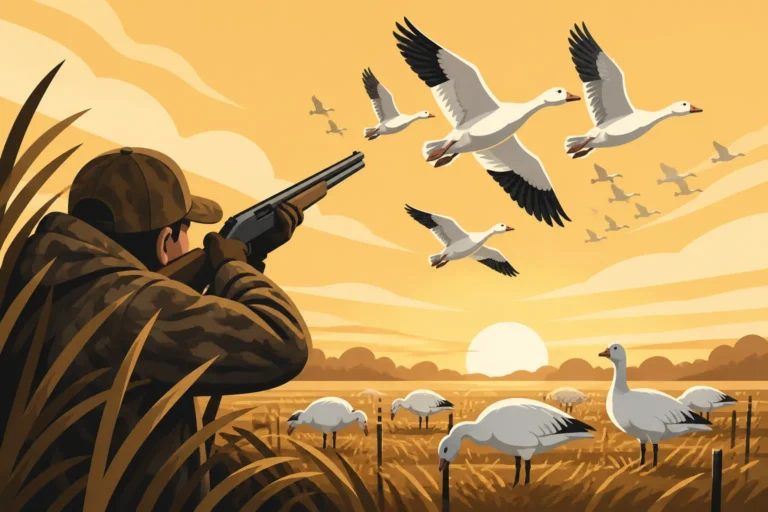
Think about it from the outfitter's perspective. They're spending countless hours, long before you even arrive, scouting fields, securing permissions from landowners, setting up elaborate decoy spreads, maintaining their blinds and equipment, and employing knowledgeable guides. They're investing in huge spreads of decoys – sometimes hundreds, even thousands, for a Hunting Snow Geese Over a Big Spread operation. They’re running specialized vehicles to get you to remote spots, often before dawn, and they're maintaining relationships with farmers who allow access to their land. All of this groundwork ensures that when you step out into that field or marsh, you're not just hoping for the best, you're walking into a meticulously planned hunt. This upfront investment and ongoing operational cost are what ultimately dictate the price you see for a guided trip.
The Value of Expertise and Equipment
One of the biggest components of the cost is the expertise of the guide and the quality of the equipment provided. A good Manitoba waterfowl guide isn't just someone who knows where the birds are; they understand bird behavior, migration patterns, calling techniques, and how to effectively set a spread that fools wary ducks and geese. They've put in the time to learn the nuances of the local landscape, whether it's understanding the best stubble fields for Field Hunting Geese in Manitoba Stubble or knowing which potholes are holding mallards. This isn't knowledge you can gain in a weekend; it's often years of dedication.
Beyond the human element, there's the gear. We're talking about top-of-the-line decoys, comfortable and effective blinds, reliable transportation, and often, well-trained hunting dogs. Imagine trying to set up a spread of 500 snow goose decoys in the dark, in freezing temperatures, without experience. It's a huge undertaking! Outfitters provide all of this, meaning you don't have to invest thousands in gear you might only use once or twice a year. The cost reflects the convenience and effectiveness of stepping into a ready-made, highly functional hunting scenario, allowing you to focus purely on the thrill of the hunt.
Key Factors That Influence the Price Tag
So, what exactly makes one guided waterfowl trip cost more than another? There are several key variables that play a significant role in determining the final price. Understanding these can help you better compare packages and find one that aligns with both your expectations and your budget. It’s never just one thing; it's a combination of choices and circumstances.
Duration and Type of Hunt
The length of your trip is, understandably, a major factor. A single day hunt will naturally be less expensive than a multi-day package. Many outfitters offer 2-day, 3-day, or even longer packages. The longer you stay, the more opportunities you have, but also the more resources (guides, lodging, meals) the outfitter needs to commit.
Furthermore, the type of waterfowl you're targeting can influence the price. While many hunts are "mixed bag" affairs, focusing on geese and ducks, some specialized hunts, like those exclusively for Hunting Manitoba's Snow Goose Migration during a specific conservation season, might have different pricing structures due to the intensity of the operation or specific regulations. For example, a hunt requiring an elaborate "tornado" snow goose spread will likely be more labor-intensive and require more decoys than a typical Canada goose hunt.
Inclusions in the Package
What's bundled into the package makes a huge difference. Does it include lodging? Meals? Transportation during the hunt? Field processing of birds? All these amenities add convenience and value, but they also increase the overall price. A "lodge-based" hunt with all meals provided will almost always be pricier than a "field-only" package where you're responsible for your own accommodation and food. When you're browsing options, whether on a platform like BookYourHunt or directly with an outfitter, pay close attention to the fine print of what's explicitly included.
| Feature | Low Cost Package Implication | Higher Cost Package Implication |
|---|---|---|
| Duration | Single day or half-day hunt | Multi-day package (2-5 days) |
| Lodging | Hunter's responsibility, local motel | Included, comfortable lodge/cabin |
| Meals | Hunter's responsibility | All meals, snacks, beverages provided |
| Transportation | Meet at specific field location | Pick-up from local airport/hotel, field transport |
| Decoy Spreads | Standard spreads, maybe smaller for ducks | Elaborate, massive spreads for geese, multiple options |
| Guide Ratio | Higher hunter-to-guide ratio (e.g., 6:1) | Lower hunter-to-guide ratio (e.g., 2:1 or 4:1) |
| Scouting | Daily scouting, but less extensive | Intensive, continuous scouting efforts |
| Species Focus | Mixed bag, whatever flies in | Specialized hunts (e.g., snows only), specific field types |
| Field Processing | Hunter's responsibility | Basic field cleaning provided |
| Trophy Prep | None | Basic caping/salting for taxidermy |
Outfitter Reputation and Location
Just like in any service industry, reputation matters. Outfitters with a long-standing history of high success rates, exceptional guest experiences, and positive reviews (which you can often find compiled on sites like GoHunt) can command higher prices. You're paying for their proven track record and peace of mind. Newer or smaller operations might offer slightly lower rates to build their clientele.
The specific region within Manitoba can also play a role. Certain areas are renowned for incredibly consistent waterfowl numbers, particularly during peak migration periods for species like Geese That Stage in Manitoba or various duck species. Prime locations that consistently offer hot shooting may be priced accordingly due to high demand and reliable bird concentrations. Why the Interlake Concentrates Birds explains how geography can influence bird activity and, by extension, hunt desirability.
Group Size and Customization
Many outfitters price their trips based on a certain group size, often with a minimum number of hunters required for exclusive access to a field or blind. If you're hunting solo or with a very small group, you might be consolidated with other hunters, which can sometimes reduce the per-person cost. Conversely, if you want a completely private experience for just you and your buddies, you might pay a premium or need to fill a certain number of spots. Customization, such as specific dates, preferred species focus, or unique logistical requests, can also impact the final price.
What to Expect: Inclusions and Exclusions in Your Package
It's absolutely critical to understand what your guided waterfowl package does and does not include. This is where hidden costs can sneak up on you and turn a seemingly good deal into a budget-buster. Always get a detailed list from the outfitter. Reputable outfitters, whether listed on platforms like BookYourHunt or found through word-of-mouth, will provide a clear breakdown.
Common Inclusions
Most guided waterfowl packages will include the fundamental elements needed for the hunt itself:
- Guided Hunting Days: This is the core of your package – the actual days spent in the field with your guide. This includes their expertise, calling, decoy setup, and general management of the hunt.
- Decoys and Blinds: You won't need to bring your own spread. Outfitters provide all the necessary decoys, ranging from full-body geese to floating duck decoys, and comfortable, concealed blinds (e.g., layout blinds, A-frame blinds, pit blinds) depending on the terrain and target species.
- Transportation During the Hunt: Once you arrive at the designated meeting point (which could be the lodge, a local hotel, or a specific rendezvous in town), the outfitter will typically provide transportation to and from the hunting fields. This often involves specialized vehicles equipped for varying field conditions.
- Scouting Services: This is huge! Outfitters spend countless hours before and during your trip scouting fields to determine bird patterns and secure permission from landowners. This intense legwork ensures you're hunting where the birds want to be. For more on this, check out Scouting Fields for Manitoba Waterfowl.
- Professional Dog Handling: Many waterfowl guides work with their own trained retrieving dogs. This adds to the efficiency and enjoyment of the hunt, ensuring downed birds are quickly recovered.
- Basic Field Dressing: While some might offer full processing, most will at least provide basic field dressing services for your birds, preparing them for transport back to camp or home.
Typical Exclusions and Additional Costs
Here's where hunters often get surprised, so pay close attention:
- Hunting Licences and Stamps: This is almost always your responsibility. You'll need a provincial Manitoba hunting licence, a federal migratory game bird permit, and likely a habitat conservation stamp. The costs for these are separate from your outfitter package. Make sure you understand Manitoba Migratory Bird Permits and Manitoba Hunting Licences and What They Cost well in advance.
- Ammunition: You'll need to supply your own non-toxic shot, which is required for all waterfowl hunting. Non-Toxic Shot Requirements for Waterfowl details what you'll need. Outfitters might have some available for purchase, but it's often best to bring your own preferred loads.
- Gratuities for Guides and Staff: Tipping is customary in the guiding industry and is a significant part of a guide's income. This is never included in the package price. Plan for a percentage of your total trip cost, usually paid directly to your guide. How Much to Tip a Manitoba Guide can provide more specific guidance.
- Travel to and from Manitoba: Your flights, fuel for driving, and any overnight stays before or after your hunt in places like Winnipeg are all your responsibility.
- Personal Hunting Gear: Waders, waterproof outerwear, warm layers, appropriate footwear, and other personal items are on you. Be prepared for potentially cold and wet conditions, especially during Manitoba's fall migration.
- Meat Processing and Shipping: While basic field dressing is common, advanced processing, freezing, or shipping of your birds usually incurs additional costs. If you're taking a lot of birds home, investigate local processors near your hunt area.
- Taxidermy Services: If you bag a trophy bird you wish to mount, the outfitter might be able to connect you with a local taxidermist, but the cost and logistics are separate.
- Alcoholic Beverages: If your package includes meals, non-alcoholic drinks are usually covered, but any alcoholic beverages are typically extra.
Understanding these exclusions upfront, perhaps by contacting the outfitter directly or checking their FAQs, will prevent any unpleasant surprises and allow for more accurate budgeting.
Smart Budgeting for Your Manitoba Waterfowl Adventure
Embarking on a guided waterfowl hunt in Manitoba is an investment in an experience, and like any investment, it pays to plan meticulously. While the actual outfitter package cost is the biggest chunk, there are numerous smaller expenditures that can add up quickly if not accounted for. A solid budget will help ensure your trip is enjoyable and stress-free, without any financial headaches.
Pre-Trip Planning and Expenses
Before you even set foot in Manitoba, there are several costs to consider. First, your licences and permits are essential. Research these well in advance to know the current fees and application processes. Platforms like GoHunt often have resources that point you to official government websites for this information. Next, travel costs – flights, fuel, or bus fares – will be a significant factor. If you're driving, don't forget accommodation for overnight stops on the way, especially if you're coming from a long distance.
Then there's your personal gear. Do you have adequate warm, waterproof clothing for Hunting Safely in Deep Winter Cold or early fall? Do your waders have holes? Is your shotgun in good working order? This might be the time to invest in new gear or upgrade existing items. Don't forget ammunition; buying non-toxic shot can be pricey, so factor this into your budget. Lastly, consider travel insurance. While we all hope for smooth trips, sometimes unforeseen circumstances like weather delays or personal emergencies can disrupt plans. Manitoba Hunt Cancellation Insurance can be a wise investment to protect your financial outlay.
During the Hunt: On-Site Costs
Once you're in Manitoba and enjoying the hunt, there will still be some costs. As mentioned, gratuities for your guide and any camp staff are expected. This is a crucial element of the hunting economy, and it's how many dedicated professionals make their living. Beyond that, consider extra provisions – snacks, drinks, or any special items not covered by the outfitter's meal plan. If you're staying at a lodge, there might be a gift shop or small bar.
Don't forget souvenirs or other small purchases that might catch your eye. While it might seem minor, these little expenses can accumulate. Some hunters also like to purchase additional items from local stores like specific calls or gear they realize they need during the hunt. Keep some cash on hand for these smaller, incidental expenses, as not all remote locations will have easy access to ATMs or card readers.
Post-Hunt Considerations
The expenses don't necessarily end when the last bird is retrieved. If you've had a successful hunt, you'll need to consider meat processing costs. Unless your outfitter offers comprehensive processing, you'll likely use a local butcher. The cost will depend on the number of birds and the type of cuts you request. Then there's shipping your meat and/or trophies home. This can be substantial, especially for large quantities of birds or if you're crossing international borders. Shipping Meat Home From Manitoba and Taking a Trophy Across the Border are important topics to research.
Finally, think about taxidermy. If you've bagged a magnificent honker or a vibrant drake mallard, preserving it is an extra cost. Get quotes in advance if this is something you're considering. Remember, a guided waterfowl trip is an all-encompassing experience, and factoring in all these elements from start to finish will ensure your Manitoba adventure is as enjoyable financially as it is in the field. By being prepared, you can immerse yourself fully in the thrill of the chase, knowing you've planned for every aspect.
Disclaimer
This article is for general informational purposes only and does not constitute professional advice. Laws, prices and regulations vary by location and change over time. Consult a qualified professional for guidance on your specific situation.