What Tags and Licences Add to the Bill
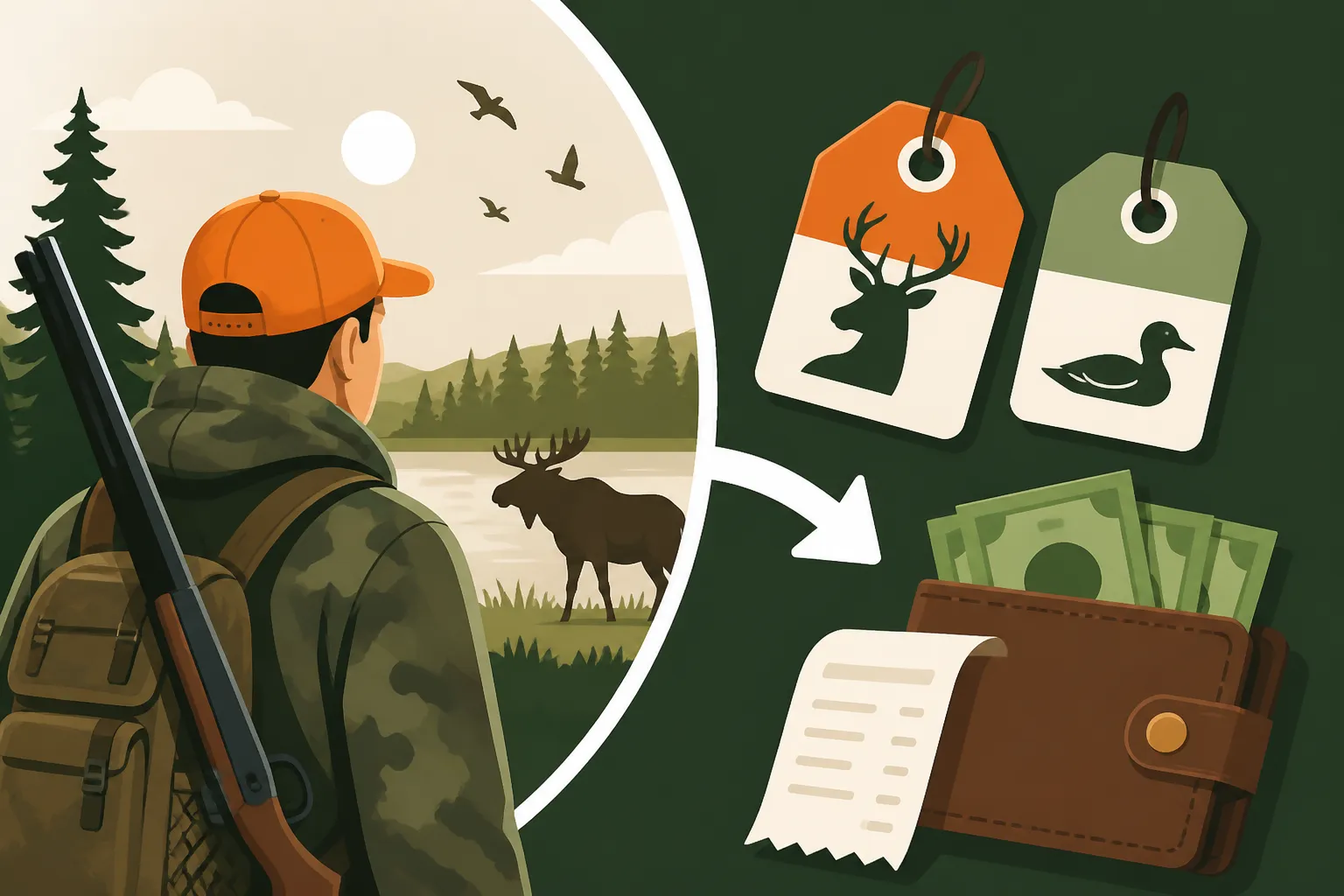
You've booked your trip, picked your outfitter, and started packing your gear, only to realize that the quoted price for your guided hunt doesn't always include everything. Many hunters, especially those new to Manitoba or hunting a different species, often experience a bit of sticker shock when they start looking at the mandatory government tags and licences that need to be purchased on top of their outfitter fees. This comprehensive guide is here to break down those often-overlooked costs so you can budget accurately and avoid any unpleasant surprises before your dream Manitoba hunt.
Understanding the Foundation: Your Resident vs. Non-Resident Status
One of the biggest factors influencing the cost of your hunting experience in Manitoba is your residency status. It's not just a formality; it dictates the entire fee structure for your licences and tags, often creating a significant difference in your overall bill. Understanding these distinctions early in your planning is absolutely crucial.
Resident Hunting Licence Basics
If you're a Manitoba resident, you generally benefit from significantly lower licence and tag fees. The province recognizes your ongoing contribution and connection to the land and its wildlife resources. Your journey usually begins with purchasing a general resident hunting licence, which acts as your foundational permit to hunt specific game once you acquire the appropriate tags. This base licence is a relatively modest cost compared to what non-residents pay, and it’s a prerequisite for any further species-specific tags.
Think of it as your passport to the hunting season. Without this fundamental licence, no other tags, no matter how exciting the hunt, are valid. It's your initial step into the field, proving you're authorized to participate in Manitoba's hunting seasons. After securing this, you can then add on the specific tags for the animals you plan to pursue, like deer or bear, each with its own associated fee. For more on this, check out Manitoba Resident Licence Options.
Non-Resident Complexities and Why It Matters
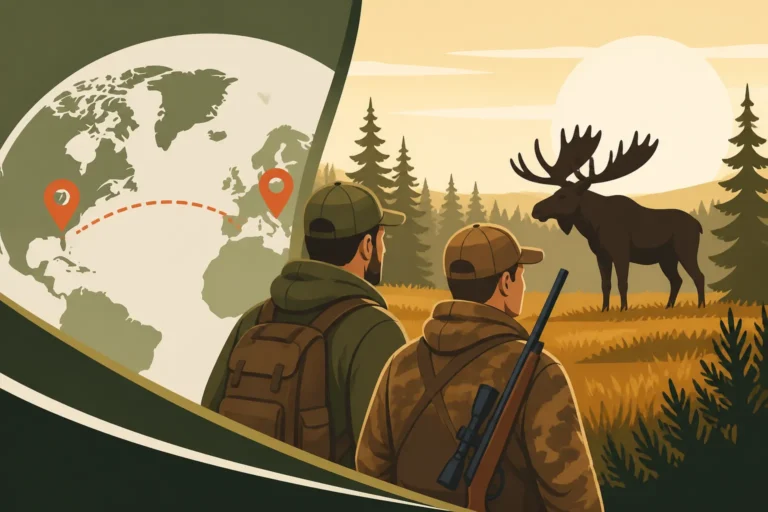
Now, for those joining us from outside Manitoba, whether from another Canadian province or internationally, the cost structure becomes more complex and, frankly, quite a bit higher. This is a common point of frustration for many, but it's largely due to conservation efforts and managing hunting pressure. Non-residents often pay a premium for the privilege to hunt in Manitoba, reflecting a different level of resource access compared to residents.
The distinction between Canadian non-residents and foreign non-residents is also important. While both pay more than a Manitoba resident, foreign non-residents (those from outside Canada) typically face the highest fees and, for certain species, are legally required to book with a licensed outfitter. This added layer of requirement and cost is something to factor in right from your initial budgeting. You can find more detail on this in Rules for Non-Residents Hunting Manitoba and Manitoba Non-Resident Licence Options. Many hunters use platforms like BookYourHunt or GoHunt to explore different outfitter packages, and these platforms often provide insights into the general requirements for non-residents, helping you prepare for these higher costs.
Deciphering Big Game Tags: Species-Specific Costs
Beyond the foundational hunting licence, each big game species you wish to pursue will require its own specific tag. These tags represent the most significant portion of your "added to the bill" costs and vary wildly depending on the animal, its scarcity, and the demand from hunters.
Whitetail Deer Tags
White-tailed deer are Manitoba's most popular big game animal, and securing a tag for them is a rite of passage for many hunters. While typically not as expensive as moose or elk tags, a whitetail deer tag still adds a noticeable sum to your total. For residents, this might be one price, but for non-residents, especially foreign non-residents, the cost can be substantially higher.
It's also worth noting that some Game Hunting Areas (GHAs) and specific seasons allow for the purchase of a second deer licence, often for antlerless deer. While this offers another opportunity to fill the freezer, remember that it's an additional tag with its own fee, effectively doubling your deer tag cost if you choose to pursue it. Planning for these extra opportunities means planning for extra expenses. Dive deeper into these specific costs with Manitoba Big Game Tag Costs.
Moose and Elk Tags
Here's where the costs can really climb, and it’s where many hunters face significant financial considerations. Moose and elk tags in Manitoba are largely allocated through a lottery draw system, especially for the most desirable GHAs and seasons. This means there's an initial application fee just to enter the draw, and if you're lucky enough to be successful, the tag itself carries a very substantial price tag. These species are highly sought after, and their tags reflect that demand and the province's efforts to manage healthy populations.
For non-residents, successfully drawing a moose or elk tag almost always comes with the requirement of hunting with a licensed outfitter, adding another layer of cost and planning. The draw odds can be challenging, meaning you might spend application fees for a few years before successfully drawing. It’s a significant investment, both in terms of time and money, for the chance at these magnificent animals. Understanding how this system works is key, and you can learn more by looking at Manitoba's Elk and Moose Draws.
Bear and Caribou Tags
Black bear and barren-ground caribou tags represent another tier of big game costs, often associated with specialized hunts. Black bear tags are generally more accessible than moose or elk tags but still command a premium, especially for non-residents who often package them with guided bait hunts. The appeal of Manitoba's healthy bear population and the chance at a color-phase bear makes these hunts very popular.
Caribou hunting, usually a fly-in experience to the far north, is in a league of its own. The tags themselves are expensive, reflecting the remote nature of the hunt and the specialized logistics involved. For non-residents, these hunts are almost exclusively booked through outfitters, where the tag cost is just one component of a larger, often significant, package price. These tags are a gateway to a truly unique northern experience, but they come with a proportionate financial commitment. Many prospective hunters research outfitters that specialize in these unique hunts on platforms like GoHunt, which can give a sense of the broader trip costs including tags.
Small Game, Waterfowl, and Additional Permits
While big game tags often grab the headlines for their price, don't overlook the other permits and licences that can quickly add up, particularly for those looking to diversify their hunting experience in Manitoba.
Migratory Bird Permits and Habitat Stamps
If waterfowl hunting is on your agenda – and Manitoba is an absolute paradise for it – you'll need a couple of federal permits in addition to your provincial hunting licence. The most crucial is the Federal Migratory Game Bird Hunting Permit, which is required by Environment and Climate Change Canada. This permit allows you to hunt ducks, geese, and other migratory game birds.
Alongside this, you'll also need to purchase a Canadian Wildlife Habitat Conservation Stamp. This stamp is not just another fee; a portion of its cost goes directly towards habitat conservation projects across Canada, benefiting the very birds you're pursuing. Both of these are relatively standard costs, consistent for residents and non-residents alike, but they are mandatory additions to your bill if you plan to chase ducks and geese. You can get more details on Manitoba Migratory Bird Permits.
Upland Bird and Small Game Licences
For those who enjoy walking up sharp-tailed grouse, chasing ruffed grouse in the bush, or hunting Hungarian partridge in the stubble fields, specific upland bird or small game licences are required. Sometimes these are included as an add-on to a general provincial hunting licence, while other times they might be a separate, smaller purchase.
It's important to check the current regulations for the specific species you're targeting. These licences are generally less expensive than big game tags but are still mandatory. They allow you to legally pursue various small game species, offering a different kind of hunting experience that's often more about the journey and less about a singular trophy. If you’re planning an upland adventure, Manitoba Upland Bird Seasons will be a helpful resource.
Other Potential Fees
Beyond the core licences and tags, there can be a few other costs that, while not always substantial individually, contribute to the total bill. For instance, Manitoba has implemented mandatory Chronic Wasting Disease (CWD) sampling in specific Game Hunting Areas. While the sampling kits themselves are typically provided free of charge, the time and effort required to submit a sample are part of the process. If you're in one of these designated CWD zones, this becomes a necessary, albeit not direct financial, part of your hunt. You can read up on Manitoba's CWD Sampling Requirements.
Additionally, certain specialized hunting opportunities, like night hunting for predators (with specific permits and restrictions), might have their own administrative fees. While these are less common for the average hunter, they illustrate how a range of permits can accumulate, adding small but significant amounts to your overall hunting budget.
The Accumulation: How It All Adds Up
When planning a hunt, it's easy to focus on the big-ticket items like travel, accommodation, and guide fees. However, overlooking the cumulative cost of licences and tags is a common pitfall that can leave hunters scrambling at the last minute.
Why Budgeting Beyond the Hunt Price is Crucial
Many hunters, particularly non-residents booking a package hunt, assume that the outfitter's price includes all necessary tags and licences. While some outfitters might offer to assist with the purchase process, the actual cost of the government-issued permits is almost always an additional expense passed directly to the hunter. This is where a clear understanding of what "adds to the bill" becomes paramount. Failing to budget for these mandatory items can lead to unexpected expenses, potentially straining your travel funds or even causing delays if permits aren't secured in time. A good outfitter will always clarify these separate costs upfront, but it's ultimately your responsibility to know the requirements. Platforms like BookYourHunt and GoHunt, while great for finding outfitters, also help hunters understand the framework of costs by detailing what's typically included and excluded in packages, allowing for better pre-hunt budgeting.
Researching Ahead
The best defense against sticker shock is proactive research. Before you commit to a hunt or even book your travel, take the time to visit the official Manitoba hunting regulations website or contact the provincial department responsible for natural resources. They publish detailed fee schedules for all resident, Canadian non-resident, and foreign non-resident licences and tags. This allows you to precisely calculate the mandatory costs for each species you intend to hunt.
Even if you're working with an outfitter, it's wise to double-check these figures independently. Being well-informed empowers you to ask the right questions and ensure there are no surprises. This early research is a fundamental step in Planning a Manitoba Hunting Trip and ensures you have a realistic budget.
Scenario Examples: A Quick Cost Comparison
Let's look at a couple of hypothetical scenarios to illustrate how these costs accumulate:
| Type of Hunter | Base Licence (Shape of Cost) | Whitetail Tag (Shape of Cost) | Moose Tag (Shape of Cost) | Waterfowl Permit (Shape of Cost) | Total Cost (Shape of Cost) |
|---|---|---|---|---|---|
| Manitoba Resident | Lower | Medium | High (if drawn) | Standard | Moderate to High |
| Canadian Non-Resident | Medium | Higher | Very High (if drawn) | Standard | Significant |
| Foreign Non-Resident | Higher | Even Higher | Even Higher (if drawn) | Standard | Very Significant |
Scenario 1: The Resident Hunter
A Manitoba resident decides to hunt whitetails in the fall and plans a couple of waterfowl trips. They'll need their general resident hunting licence, a whitetail deer tag, and the federal migratory game bird permit plus the habitat stamp. Their costs will be on the lower end, reflective of resident rates. They might even pursue a second deer licence in an extended GHA, adding another "medium" cost tag.
Scenario 2: The Non-Resident Dream Hunter
A hunter from the United States wants to experience a Manitoba whitetail hunt and perhaps a spring bear hunt. They'll need their general foreign non-resident hunting licence (the highest tier), a foreign non-resident whitetail tag, and a foreign non-resident black bear tag. If they're also considering a long-shot moose draw for a future year, they'd add the draw application fee. All these individual tags are priced at the highest non-resident rate, adding up to a considerable sum before even factoring in the outfitter, travel, or taxidermy. They'll likely be dealing with requirements for Which Species Foreign Hunters Must Book Guided.
Understanding these categories and their associated costs is vital for any successful hunt in Manitoba. Don't let licence and tag fees catch you off guard; budget for them just as meticulously as you would for your gear and travel, and you'll enjoy a smoother, stress-free hunting adventure.
Disclaimer
This article is for general informational purposes only and does not constitute professional advice. Laws, prices and regulations vary by location and change over time. Consult a qualified professional for guidance on your specific situation.