What a Fly-In Camp Weight Limit Means
It’s a truly exciting prospect, isn't it? Heading into the remote Manitoba bush, far from roads and distractions, for a hunt that promises adventure and solitude. But before you can feel the wind in your hair from that tiny bush plane, there’s often a nagging question that pops up, one that can cause a lot of stress: "What exactly does a fly-in camp weight limit mean, and how on earth am I supposed to pack for it?" Many hunters underestimate just how strict these limits are and the real-world implications they have on your gear, your trophy, and even your wallet. This guide is here to demystify those weight restrictions, help you pack smarter, and ensure your remote Manitoba hunting trip takes off without a hitch.
Understanding the "Why" Behind Fly-In Weight Limits
When you’re dreaming of a remote hunt in Manitoba, the picture in your head usually involves vast wilderness, untouched game, and the thrill of the chase. What often gets overlooked is the logistical backbone that makes such a dream possible: the bush plane. These aren't commercial airliners with massive cargo holds; they are workhorses built for specific conditions, and their capacity is a serious consideration. Understanding why weight limits exist is the first step toward respecting them and preparing properly.
The Physics of Small Aircraft and Payload
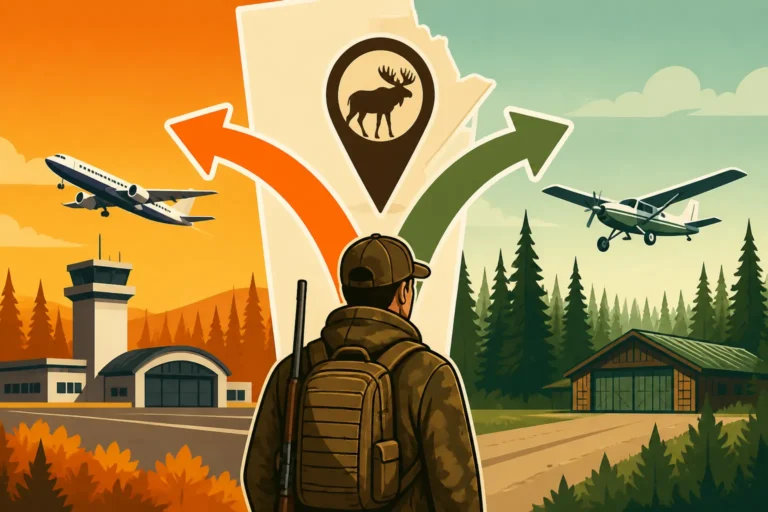
Bush planes, like the popular De Havilland Beaver or Otter, are designed for rugged short-field takeoffs and landings, often on gravel strips, lakes (with floats), or tundra. Every single pound matters to these aircraft. Their performance – how much they can lift, how far they can fly, and how safely they can operate – is directly tied to their total weight. Too much weight means a longer takeoff run, reduced climb rate, and increased fuel consumption. In a remote setting, where margins for error are slim, exceeding these limits isn't just a suggestion; it's a safety hazard. The pilot has the final say on what goes on the plane, and they're accountable for the safety of everyone and everything onboard. They calculate payload based on factors like air temperature, altitude, and runway length, and often, in northern Manitoba, you're dealing with less-than-ideal conditions.
Maximizing Safety and Fuel Efficiency
Beyond the sheer physics, weight limits are also about maximizing safety and operational efficiency for the outfitter. A lighter plane is a safer plane, especially when navigating unpredictable weather, crosswinds, or emergency landings in challenging terrain. Every extra pound of gear means less fuel the plane can carry, or fewer critical supplies for the camp. If a pilot has to make an extra trip because hunters brought too much gear, that burns more fuel, costs more money, and takes away valuable time that could be spent on other essential tasks, like resupplying the camp or scouting for game. Think of it as a delicate balance: the outfitter wants you to have everything you need for a successful hunt, but not at the expense of safety or their ability to run a smooth operation. This is especially true when considering Flying North for Manitoba Caribou, where fuel stops can be few and far between.
Common Weight Limit Scenarios and What to Expect
So, you've grasped the why. Now, let's dive into the practical reality of what these limits look like. This is where many hunters get caught off guard, often because they've never had to weigh every single item they're bringing on a hunt before.
Per-Person Limits for Gear and Personal Items
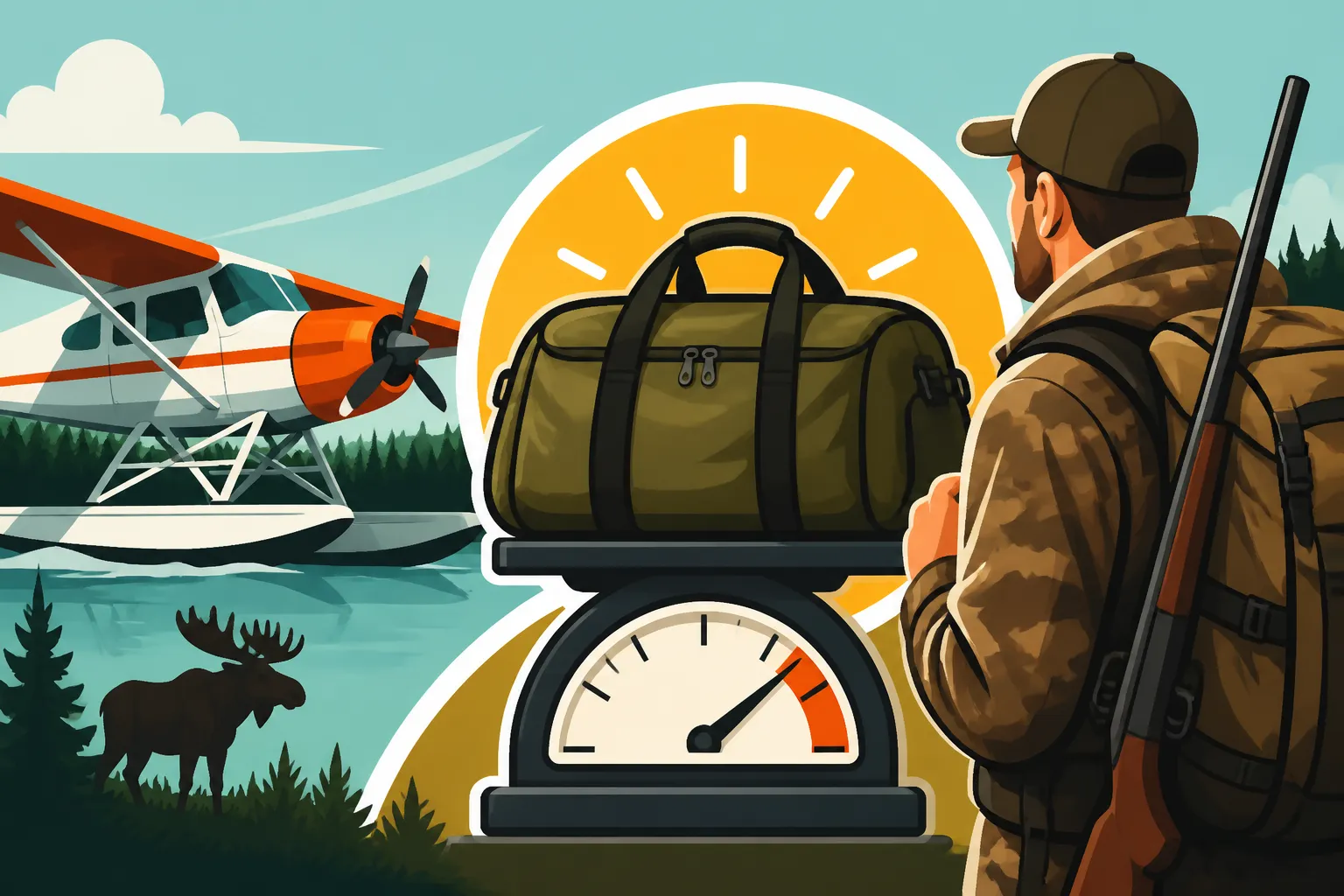
Most Manitoba outfitters operating fly-in camps will provide a strict per-person weight limit for your personal gear. This is typically in the range of 50 to 75 pounds (or about 23-34 kilograms) per hunter. This limit includes everything you bring with you: your rifle or bow, ammunition, clothing, boots, sleeping bag, personal hygiene items, camera gear, daypack, and any snacks or personal beverages. It's not uncommon for hunters to pack their normal hunting load, only to find they're 20-30 pounds over the limit when they weigh it all out.
Outfitters want you to be prepared, but they also know what's truly essential. When you're researching potential outfitters and their specific weight limits, platforms like BookYourHunt often list these crucial details under their "What's Included/Not Included" or "Travel Information" sections, so make sure to check there. It's a non-negotiable part of your trip planning. You might find some outfitters offer a slightly higher limit if you're chartering the entire plane as a group, but never assume this. Always confirm the exact limits well in advance.
Accounting for Shared Camp Gear and Food
Here's another crucial detail that often slips through the cracks: the plane isn't just carrying you and your personal effects. It's also transporting all the camp gear, food, water, propane, and supplies needed for your stay and for the outfitter's staff. While this weight isn't usually deducted from your personal allowance, it's part of the overall payload the plane can carry. If the outfitter has to bring in extra specialized equipment for a particular hunt, or if previous hunters left more trash than expected, it can eat into the total available lift.
It's a delicate dance of logistics, and your outfitter is an expert at it. They meticulously plan these flights to ensure everything and everyone arrives safely. Your role is to adhere to your personal limit so the outfitter has the flexibility to manage the rest. Think of it as a collective responsibility; everyone doing their part ensures the trip runs smoothly. This is especially relevant if you're booking a longer trip into areas like those you'd encounter while Hunting Moose in Manitoba's Boreal Forest.
The Post-Kill Scenario: Adding Meat and Antlers
This is arguably the most overlooked aspect of fly-in weight limits, and it's where many hunters face their biggest dilemma. You've successfully harvested an animal – congratulations! Now, you have to get it out. The weight of the meat and antlers from a deer, moose, or bear can be substantial, often exceeding your personal gear allowance many times over.
For example, a quartered whitetail deer can easily weigh 150-200 pounds, even after boning out some of the meat. A moose? We're talking 400-600 pounds or more of meat and a substantial rack. Your outfitter will have a plan for this, but it almost always involves additional flights or special arrangements, which means additional weight that needs to be factored into the plane's capacity. Some outfitters include a certain amount of meat/trophy weight in their package, while others charge by the pound for anything beyond a small amount or require a separate charter flight for trophy extraction. Always clarify this before you book your hunt. This is a conversation you need to have early on. Understanding how to manage Meat Care in Manitoba's Cold Snaps is one thing, but getting it flown out is another challenge entirely.
Strategies for Packing Smart and Staying Under the Limit
Now that you understand the intricacies, let's talk about how to tackle this challenge head-on. Packing smart for a fly-in hunt is an art form, but it's one you can master with a bit of planning and discipline.
Essential Gear vs. "Nice-to-Haves"
The absolute golden rule for fly-in hunts is to prioritize essentials. Every item you pack needs to earn its space and weight. Start by making a comprehensive list of everything you think you'll need. Then, go through it with a critical eye, asking:
- Is this absolutely necessary for safety or success? (e.g., proper layered clothing for Manitoba's unpredictable weather, first-aid kit, rifle/bow, ammo).
- Can one item serve multiple purposes? (e.g., a multi-tool instead of several individual tools, a single headlamp with different modes).
- Is there a lighter alternative? (e.g., synthetic sleeping bag vs. down if conditions allow, titanium cookware vs. steel if bringing your own).
- Can I rent it or is it provided by the outfitter? (e.g., camp chairs, cook stove, large coolers).
Be ruthless in your assessment. That extra pair of jeans, the hardcover book, or the second "just in case" rifle might push you over the edge. Tools like GoHunt can help you manage your gear list and even assign estimated weights, making it easier to track your total. Remember, you're not going on a leisurely camping trip; you're on a mission to hunt.
Here’s a simplified comparison of items to help you think about weight:
| Category | Heavier Option (Avoid if possible) | Lighter Option (Prioritize) | Weight Impact |
|---|---|---|---|
| Outerwear | Heavy wool jacket (single layer) | Layered synthetic/down insulation | Significant |
| Sleeping Bag | Oversized canvas bag | Compact synthetic/down bag | High |
| Boots | Large, clunky rubber boots | Lightweight, waterproof hiking boots | Moderate |
| Optics | Large binoculars + spotting scope | Compact binos, digiscoping for distance | Moderate |
| Personal Care | Full-size toiletries | Travel-size, multi-purpose items | Low |
| Entertainment | Books, multiple electronic devices | Small e-reader, phone for essentials | Low |
| Ammo | Multiple boxes | What you need + a few spares | Moderate |
Packing Techniques and Gear Considerations
Once you've decided what to bring, how you pack it matters.
- Use lightweight luggage: Ditch the rigid hard cases for soft-sided duffel bags or specialized hunting packs. Many outfitters prefer soft bags because they are easier to load and conform to the irregular shapes of a plane's cargo hold.
- Wear your heaviest items: If you have heavy boots, a thick jacket, or bulky waders, wear them on the plane instead of packing them. This is "weight on person" and typically doesn't count towards your luggage allowance.
- Vacuum seal soft goods: Compress your clothing in vacuum-seal bags. This saves volume, which can sometimes be as crucial as weight, and keeps your gear dry.
- Ship non-essentials (if possible): For some longer stays or specific items, you might be able to ship certain non-perishable supplies to a staging town in Manitoba ahead of time, which your outfitter can then transport to the plane's departure point. Always clear this with your outfitter first, as it adds a logistical layer for them.
- Communicate About Firearms: While your rifle or bow might be necessary, discuss with your outfitter any regulations or preferences they have for transportation. Some might provide a communal hard case for rifles to consolidate space. Remember to research Bringing Firearms Into Manitoba and ensure you have all the necessary declarations.
Communicating with Your Outfitter
This cannot be stressed enough: communication is key. Your outfitter is your partner in this adventure. They’ve done this countless times.
- Ask for a detailed gear list: Many outfitters provide a recommended packing list tailored to their camp and the type of hunt. This is invaluable.
- Clarify all weight limits: Reconfirm the per-person limit, any allowances for trophy/meat, and what happens if you exceed the limit.
- Discuss rental options: Some outfitters might have spare sleeping bags, tents, or other bulky items you can rent, saving you weight.
- Be honest about your gear: If you’re truly struggling to stay within the limit, tell your outfitter before you arrive. They might have suggestions or solutions. Showing up significantly overweight without prior notice can cause serious delays and complications for everyone. This dialogue is especially important when you're hunting during the challenging conditions described in Hunting Safely in Deep Winter Cold.
The Ramifications of Exceeding Your Weight Limit
Ignoring or miscalculating your weight limit can lead to a host of problems that can quickly turn your dream hunt into a logistical nightmare. It’s not just an inconvenience; it can have significant financial and practical consequences.
Financial Penalties and Extra Flights
The most immediate consequence of exceeding the weight limit is often a financial one. Outfitters might charge hefty per-pound fees for overweight luggage, or, more commonly, you might be responsible for the cost of an entirely separate charter flight to bring in your excess gear or fly out your oversized trophy. An extra flight can cost a significant amount of money, easily hundreds or even thousands of dollars, depending on the distance and type of aircraft. This unexpected expense can quickly derail your budget and add a sour note to your trip. Remember, these pilots aren't flying for leisure; they're providing a critical service, and their time and fuel are valuable.
Leaving Gear Behind (or Worse)
If an extra flight isn't feasible or you're unwilling to pay for it, the pilot has the absolute authority to deny boarding to your excess gear. This means you might be forced to leave crucial items behind at the staging area. Imagine having to choose between your favourite hunting boots, your heavy-duty winter parka, or your carefully chosen optics, all because you didn't manage your weight effectively. This can severely impact your comfort, safety, and ultimately, your success on the hunt. In extreme cases, if the combined weight of passengers and gear is too high for the plane to safely operate, it could even delay your departure or necessitate leaving a person behind, which is a rare but real possibility in remote aviation.
Impact on Camp Operations and Fellow Hunters
Your weight management also affects everyone else involved in the hunt. Delays caused by overweight luggage can throw off the outfitter's entire schedule, impacting other groups, supply runs, and even emergency protocols. If a plane has to make an unplanned extra trip for your gear, it might mean another group's flight is delayed, or critical camp supplies arrive late. This creates unnecessary stress and frustration for the outfitter, the pilot, and your fellow hunters. Nobody wants to be that hunter who caused problems for everyone else. Being considerate and prepared is part of the hunting ethic, especially when heading into the remote wilderness of Manitoba. So, take the time to prepare, weigh your bags, and communicate openly. It makes for a smoother, more enjoyable, and ultimately more successful hunting experience for all. Especially when you consider how crucial a planned flight is for operations around, say, Hunting Moose Around Manitoba Beaver Ponds.
Disclaimer
This article is for general informational purposes only and does not constitute professional advice. Laws, prices and regulations vary by location and change over time. Consult a qualified professional for guidance on your specific situation.