How Many Days a Guided Hunt Runs
One of the most common questions I hear from folks dreaming of a Manitoba hunting adventure, especially those coming from a distance, is about how long they actually need to commit. It's not just about the number on the calendar; it's about balancing precious vacation time, budget, and the very real expectations of a successful hunt. This guide is going to walk you through the typical durations for guided hunts across various species here in Manitoba, diving deep into what those days truly mean for your experience, and helping you understand what to expect when you're looking at those outfitter packages.
Typical Durations for Guided Hunts by Species
When you're looking at booking a guided hunt in Manitoba, you'll quickly notice that the length of the trip can vary quite a bit depending on what animal you're pursuing. It makes sense, really. The tactics for chasing a whitetail in the bush are vastly different from glassing for caribou on the tundra, and those differences naturally translate into how many days you'll need in the field. Understanding these standard durations is your first step in planning, whether you're browsing platforms like BookYourHunt or talking directly with an outfitter.
Whitetail Deer Hunts: The Heartland Standard
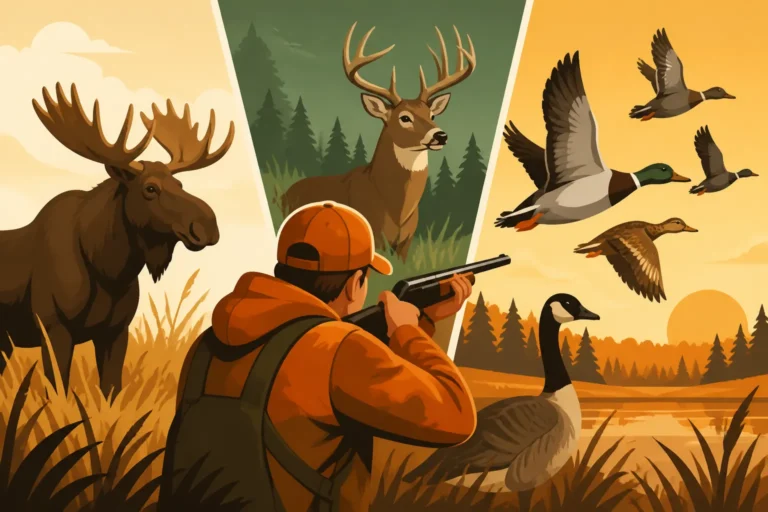
For most guided whitetail deer hunts in Manitoba, you're looking at a package that typically offers five to seven full hunting days. Why this range? Well, a five-day hunt is often considered the sweet spot for many outfitters. It gives you enough time to settle in, for the guide to learn your shooting preferences and for you to get a feel for the area. It also accounts for potential bad weather days, allowing some flexibility without dragging out the trip too long. You might spend those days sitting in heated blinds overlooking a food plot, still-hunting through aspen bluffs, or rattling and calling to draw out a mature buck, especially during the peak of the rut. Hunting the Rut in Early to Mid November is a prime example where a good block of time can really pay off.
A seven-day hunt, while a bit longer, offers an even greater advantage, particularly if you're after a truly trophy-class buck or if you're hunting in challenging conditions. Those extra two days can be invaluable for waiting out adverse weather, moving to different stands if game movement is slow, or simply increasing your odds for a successful encounter. Think about it: a hunter might arrive on a Sunday, hunt Monday through Friday, and depart on Saturday. That Friday could be the day your dream buck finally shows up, making those extra days feel like an absolute necessity. Outfitters know this, and often structure their packages to give you a solid window of opportunity without becoming overly expensive or demanding too much time off.
Black Bear Hunts: Spring and Fall Opportunities
Manitoba black bear hunts are usually structured around five or six full hunting days. These hunts often revolve around bait sites, which means a different rhythm than deer hunting. In the spring, when bears are just emerging from their dens and are focused on feeding, or in the fall when they're packing on calories for winter, the consistency of baiting means you might not need as many days to intercept a bear. Spring Bear Hunting in Manitoba offers a unique experience, often coinciding with longer daylight hours.
The five or six-day structure allows for several sittings over different baits, giving your guide flexibility to move you if one spot isn't producing. It also accounts for the sometimes unpredictable nature of bear movement – they might hit a bait every day, or skip a few days. You'll often arrive at camp, get oriented, and head out to a stand for your first evening hunt. You’ll spend subsequent evenings perched over a bait, and then depart after your final hunt. The guides do an immense amount of work preparing and maintaining these bait sites, and the five to six-day window provides a good return on that investment for both hunter and outfitter.
Waterfowl Hunts: Action-Packed Short Stays
For the fast-paced world of Manitoba waterfowl hunting, you're generally looking at three to five full days of hunting. Unlike big game, where you might be waiting for one specific animal, waterfowl hunting is often about high-volume action and capitalizing on migratory patterns. A three-day hunt can be incredibly productive, especially during the peak of the migration when ducks and geese are pouring through the province. Waterfowl Hunting Manitoba's Grain Fields can be incredibly successful in a short timeframe.
A five-day package gives you more leeway for weather changes, allows for scouting new fields if the birds shift their patterns, and simply offers more shooting opportunities. Often, these packages include morning and sometimes afternoon hunts, with the middle of the day reserved for relaxing, eating, and traveling to new spots. The logistics are typically less involved than big game, meaning less "travel time" within the hunting period. Hunters often arrive in the late afternoon, hunt for the agreed-upon number of days, and then depart on the morning after their last hunt, making these trips quite efficient for those with limited time.
Caribou, Moose, and Elk Hunts: Remote and Rugged Expeditions
These big-game hunts, especially for caribou and moose, often demand longer durations due to the sheer vastness of the terrain and the remote locations involved. Expect seven to ten full hunting days for these adventures. Barren-Ground Caribou Hunting in Northern Manitoba or Moose Hunting Manitoba's Boreal Country are not typically quick jaunts.
The longer duration for these species is multifaceted. Firstly, access can be challenging, often requiring float planes or extensive overland travel, which eats into the actual hunting time. Secondly, the animals themselves cover vast territories, requiring more time to locate and pursue. A guide might spend days scouting, calling, and tracking before you even get a shot opportunity. Thirdly, once an animal is down, the effort involved in field dressing, quartering, and getting the meat out of remote areas can take a full day, sometimes more, especially with a moose. Those extra days are critical not just for finding your animal, but for ensuring a safe and efficient recovery and extraction process, which is a huge part of the overall experience.
Factors Influencing Hunt Length
Beyond the species you're chasing, several other crucial elements play a significant role in determining how many days a guided hunt runs. These aren't just arbitrary numbers pulled from a hat; they're carefully considered by outfitters to maximize your chances of success, ensure a positive experience, and manage the logistics of their operations. Understanding these factors can help you make a more informed decision when you're looking at different packages, perhaps even on sites like GoHunt.
Travel Time: Not Always a Hunting Day
One of the biggest factors that often gets overlooked is the distinction between your total trip duration and the actual number of hunting days. Most guided hunt packages include arrival and departure days, which are rarely full hunting days. If you're flying into Winnipeg and then driving several hours to a remote camp, your "arrival day" might involve landing, clearing customs (if applicable), meeting your outfitter, traveling to camp, settling in, and getting a safety briefing. You might get an evening hunt, but it's not a full day. The same goes for your departure day; it's usually packing up, having breakfast, and starting the journey home.
This means a "five-day hunt" often translates to seven days away from home – two travel days bookending five full days in the field. This is critical for planning your vacation time and managing your expectations. Always clarify with your outfitter whether the advertised "days" are actual hunting days or include travel. For many hunters, especially those traveling internationally, the journey itself is a significant portion of the time commitment, making those extra "non-hunting" days a reality you need to factor in.
Success Rates and Hunter Pressure
The anticipated success rate for a given species and the level of hunting pressure in the area can also influence hunt duration. In areas with historically high success rates and healthy populations, outfitters might feel comfortable offering shorter packages, knowing that hunters have a strong chance of filling their tag within that timeframe. Conversely, if a particular area or species has a lower success rate, or if it's known for producing truly giant, elusive animals that require more patience, an outfitter will likely recommend a longer hunt. This isn't to say a longer hunt guarantees success, but it certainly increases your odds by providing more opportunities.
Furthermore, consider the number of hunters an outfitter takes and how they manage their hunting areas. If an outfitter has exclusive access to vast tracts of land and manages pressure meticulously, hunters might find success quicker than in heavily pressured public areas. When you're researching potential outfitters, platforms like BookYourHunt often include information on typical success rates, which can give you a clue as to why certain hunt durations are prevalent. It's all about providing enough time for the hunter to be successful while still making the trip economically viable for both parties. Success Rates on Manitoba Whitetail Hunts are often impressive, but that doesn't mean you want to rush it.
Personal Budget and Time Off Constraints
Let's be real, time and money are often the ultimate dictators of how long you can actually hunt. A longer hunt almost always means a higher cost, encompassing more guide fees, lodging, food, and potentially more travel expenses. For many working professionals, taking a full week or ten days off work can be a significant hurdle. This is why you'll see a variety of package lengths offered by outfitters.
Shorter hunts (3-5 days) are often more budget-friendly and easier to fit into a busy schedule, making them attractive to hunters who might be taking multiple smaller trips or who simply can't spare more time. Longer hunts (7-10+ days), while more expensive, offer a more immersive experience and a higher statistical chance of success for those who can afford the investment in both time and money. It really comes down to what you prioritize and what your personal circumstances allow. Before you even start looking at specific packages, it's a good idea to realistically assess your budget and available vacation time.
What's Included in a Hunt Package's Duration
It's easy to look at a package that says "5-Day Whitetail Hunt" and assume it means five days of non-stop hunting. While outfitters certainly try to maximize your time in the field, there's a practical reality to how these days are structured. Understanding this breakdown will help you interpret outfitter brochures and websites, ensuring you know exactly what you're paying for and what to expect on your trip. This insight can be crucial when you're comparing different options and using resources to Choose the Right Manitoba Outfitter.
Arrival and Departure Days: The Bookends
As we touched on, the "days" listed in a guided hunt package typically include your arrival and departure days. These are rarely full hunting days. On your arrival day, you'll be greeted, transported to camp, shown your accommodations, and likely have a camp orientation and safety briefing. This might be followed by an evening meal and a bit of downtime before the serious hunting begins the next morning. If you're lucky, and depending on your arrival time, your outfitter might offer a partial evening hunt or a chance to check your rifle, but don't count on it being a full, dedicated hunting period.
Similarly, the departure day is generally reserved for breakfast, packing up, and transportation back to your vehicle or airport. This ensures everyone gets a good night's rest, can enjoy a final meal, and has ample time to travel safely. It's important to visualize these days as essential logistical components of your trip, rather than prime hunting opportunities. So, when an outfitter advertises a "5-day hunt," often you're getting five days and two halves of hunting, spread across seven calendar days from your point of origin to your return home.
Actual Hunting Days: The Core Experience
The meat of your trip will be the actual hunting days, which usually begin the morning after your arrival and conclude the evening before your departure. On these days, your focus will be entirely on the hunt. For big game, this might mean early morning departures to your stand or hunting area, spending the day actively pursuing game, and returning to camp in the evening. For waterfowl, it's often a pre-dawn wake-up, a morning hunt, a break, and then sometimes an afternoon hunt depending on bird movement and regulations.
Outfitters meticulously plan these days to give you the best chance of success. Your guide will be working tirelessly, whether it's setting up decoys, checking trail cameras, monitoring bait sites, calling, or tracking. The duration of these core hunting days is what you're primarily paying for – the guide's expertise, access to prime hunting ground, the use of equipment, and the intense effort put into getting you an animal. When you're comparing offerings, look at the number of full hunting days to truly understand the value and opportunity presented by each package.
Non-Hunting Activities and Downtime
While the main goal is always to get an animal, a guided hunt isn't always 100% hunting action. There will be periods of downtime, and sometimes opportunities for other activities. For instance, if you're on a multi-day big game hunt, you might have a slower afternoon if the weather turns bad, or if the animals aren't moving. This can be a chance to relax, read a book, process meat if an animal was taken, or simply enjoy the camaraderie of camp life. Some outfitters might offer combination packages that include fishing or other outdoor activities, which could extend the total duration but break up the intense focus on hunting.
Even if you tag out early, say on day two of a five-day hunt, your trip isn't necessarily "over." Many outfitters will work with you to make the most of the remaining time. This could involve helping to process your animal, assisting with trophy care, or perhaps even offering opportunities for small game hunting if that's allowed and available. It's a good idea to discuss these possibilities with your outfitter beforehand. Think of it as part of the overall experience – sometimes the stories told around the campfire are as memorable as the hunt itself. Manitoba Hunting Lodges and Camps often foster this sense of community.
| Species | Typical Hunting Days (Excluding Travel) | Common Total Trip Duration (Incl. Travel) | Key Considerations |
|---|---|---|---|
| Whitetail Deer | 5-7 days | 7-9 days | Patience, weather, rut timing, stand rotation |
| Black Bear | 5-6 days | 7-8 days | Bait consistency, evening hunts, bear movement |
| Waterfowl | 3-5 days | 5-7 days | Migration peaks, changing fields, weather |
| Moose/Elk | 7-10 days | 9-12 days | Remoteness, tracking, recovery effort, calling |
| Caribou | 7-10 days | 9-12 days | Vast terrain, migration routes, weather, logistics |
Making the Most of Shorter or Longer Hunts
Whether you're able to commit to a quick three-day waterfowl blitz or you're planning an epic ten-day moose expedition, your mindset and preparation can significantly impact the quality of your experience. There are distinct advantages and challenges to both shorter and longer guided hunts in Manitoba, and knowing how to adapt will help ensure you get the most out of your hard-earned time and money. When browsing options on GoHunt, consider how these elements align with your personal hunting style.
Preparation for Shorter, High-Impact Hunts
If you're opting for a shorter hunt, particularly those in the 3-5 day range like waterfowl or some deer packages, your preparation becomes even more critical. You simply don't have as much margin for error or slow starts. This means arriving physically ready, having your gear meticulously checked, and being mentally focused from the moment you step into camp. For a shorter deer hunt, make sure your rifle is sighted in perfectly, and you've practiced shooting from various positions. For waterfowl, be sure you've spent time on your calling, if you intend to participate.
Effective communication with your outfitter beforehand is paramount. Share your expectations, physical capabilities, and any specific preferences you have. A good outfitter can then tailor the initial days to get you into the action quickly. On a shorter trip, every single hour in the field counts, so minimize distractions and maximize your readiness. You'll want to be on time for every departure, stay focused in the stand or blind, and be ready to capitalize on any opportunity that arises. Questions to Ask Before Booking will help ensure a smooth, efficient shorter trip.
Maximizing Longer, Immersive Experiences
For those fortunate enough to book longer hunts – seven, ten, or even more days – the strategy shifts slightly. While preparation is always key, a longer duration allows for a different pace and a more immersive experience. You don't necessarily have to feel the pressure to "get it done" on the first day. This can be a huge psychological advantage, allowing you to settle in, learn the terrain, and truly enjoy the process. A longer hunt often allows you to move to different areas, adapt to changing weather patterns, or target a specific trophy animal with more patience.
Use the extra time to build a strong rapport with your guide and the camp staff. Ask questions, learn about the local wildlife, and soak in the natural beauty of Manitoba. These longer hunts are often about more than just filling a tag; they're about the adventure, the challenges, and the memories forged in the wilderness. Pacing yourself is important; avoid burning out on day one. Listen to your guide's advice, trust their knowledge of the area, and embrace the journey. It's often on those later days that the true magic happens, when an elusive Why Manitoba Bucks Grow Heavy Bodies finally steps out, making the extended effort worthwhile.
Communicating Expectations with Your Outfitter
No matter the length of your hunt, clear and honest communication with your outfitter is the bedrock of a successful trip. Before you even book, discuss the exact breakdown of hunting versus travel days. Clarify what's included in the package, from meals and lodging to transportation during the hunt. Don't be shy about asking about the daily schedule, the hunting methods, and the physical demands of the terrain. If you have any physical limitations or specific goals (e.g., "I really want to focus on bowhunting and pass on smaller animals"), make sure your outfitter is aware.
A reputable outfitter will appreciate your questions and provide detailed answers, ensuring there are no surprises once you arrive in camp. This upfront conversation helps them manage their end, too, allowing them to tailor the experience to your needs as much as possible within the constraints of the hunt. Remember, your outfitter wants you to have a great time and be successful, and open communication is the best way to achieve that shared goal. It helps ensure that when you plan your Manitoba Trip Planning Timeline, you're working with accurate expectations from the start.
Disclaimer
This article is for general informational purposes only and does not constitute professional advice. Laws, prices and regulations vary by location and change over time. Consult a qualified professional for guidance on your specific situation.