When Manitoba’s Moose Season Runs
Hunting moose in Manitoba can feel a bit like trying to solve a puzzle, especially when you're just trying to figure out the fundamental question: when exactly does moose season run here? It's not a straightforward answer, thanks to a complex web of conservation efforts, regional variations, and specific regulations. This guide is designed to unravel that complexity, giving you a clear understanding of Manitoba's moose hunting seasons and what you need to know to plan your hunt effectively.
Understanding Manitoba's Moose Season Structure
Manitoba's moose season isn't a one-size-fits-all affair with a single opening and closing date for the entire province. Instead, it's a carefully managed system that varies by Game Hunting Area (GHA), weapon type, and even specific conservation initiatives. This tiered approach is in place to balance hunting opportunities with the long-term health and sustainability of our majestic moose populations.
General Season Dates and Variations
Typically, Manitoba's moose seasons for resident hunters generally kick off in the late summer or early fall, with archery seasons often leading the way. You might see archery seasons opening as early as late August or early September in some areas, extending into mid or late October. The general rifle seasons usually follow, often starting in mid to late September and running through October, sometimes pushing into early November in specific GHAs. Muzzleloader seasons, if available, often pick up in late October or early November, acting as a transition into the colder months.
However, it's absolutely crucial to remember that these are general timeframes. A GHA in the Interlake region might have a completely different set of dates than one up in the northern boreal forest. These variations are not arbitrary; they are based on local moose populations, migratory patterns, and the ecological pressures in each specific area. For instance, areas with higher moose densities and stable populations might see longer seasons or more flexible dates compared to regions where populations are struggling or under increased scrutiny. Always, always check the Manitoba Hunting Guide for the current year's dates for your chosen GHA.
Regional Differences and GHA Specifics
Manitoba is a vast province, stretching from rich agricultural lands in the south to expansive boreal forests and tundra in the north. This incredible diversity in landscape translates directly into diverse wildlife management strategies, especially for a species like moose that thrives in specific habitats. As such, moose season dates are almost entirely dictated by the individual Game Hunting Area (GHA). Each GHA has its own unique set of regulations, and what's legal in one GHA might be strictly prohibited just a few kilometres away in another.
For example, a hunter looking to pursue moose in the rugged terrain of northern GHAs, like those found in the Grass River Country, might find longer seasons, reflecting the vast, less-pressured wilderness. Conversely, GHAs in more accessible or historically pressured regions might have significantly shorter seasons, reduced bag limits, or be open only through a limited draw system. It's not uncommon for adjacent GHAs to have different opening days or even different weapon restrictions. This is why simply knowing "Manitoba moose season" isn't enough; you need to pinpoint your desired GHA, often by using detailed mapping tools available through resources like GoHunt, and then pore over its specific dates. Many hunters find themselves poring over maps to understand how Manitoba GHA numbers work before even considering a hunt.
Weapon-Specific Seasons
The type of weapon you choose for your moose hunt also plays a significant role in when you can hunt. This staggered approach is a common management tool used to spread out hunting pressure and provide different experiences for hunters.
- Archery Season: Archery seasons are almost always the earliest to open. These seasons usually fall in late August or early September and can extend well into October. The advantage of an early archery season is often milder weather and less hunting pressure from rifle hunters. For those who enjoy the challenge and intimacy of bowhunting, this early window provides a unique opportunity. The quiet nature of bowhunting also allows for hunting methods like Calling a Bull Moose in the Rut, which can be incredibly effective when moose are actively seeking mates.
- Rifle Season: The general rifle season is typically the most popular and often encompasses the bulk of the hunting period, usually from mid-September through October. These are often the most sought-after tags due to the effectiveness and range of modern rifles. However, with popularity comes more competition, especially in accessible areas. Hunters must be acutely aware of shooting hours for big game, which are strictly regulated during these seasons.
- Muzzleloader Season: Where available, muzzleloader seasons tend to be later in the year, sometimes extending into November. These seasons offer a unique challenge and a return to more traditional hunting methods. The later timing can mean colder weather and potentially tracking moose in early snow, which can be an incredible experience for the dedicated hunter. The delayed start of muzzleloader seasons often allows moose to recover from the initial rifle pressure, providing a different dynamic.
It's essential to check which of these weapon types are permitted in your chosen GHA, as not all GHAs offer all three season types for moose. Furthermore, always ensure your equipment meets the legal rifle calibres for big game or the bow draw weight rules in Manitoba.
Factors Influencing Moose Season Dates
The dates you see published in the annual hunting guide aren't plucked out of thin air. They are the result of extensive biological research, population assessments, and a collaborative effort involving various stakeholders. Understanding these underlying factors can help you appreciate why the seasons are structured the way they are and why they can change from year to year.
Conservation and Population Management
One of the most significant drivers behind Manitoba's moose season dates and restrictions is conservation. Over the past few decades, many jurisdictions, including parts of Manitoba, have observed a decline in moose populations. This decline can be attributed to a combination of factors, including habitat loss, climate change, increased predator pressure, and diseases like winter ticks and brainworm. In response, the province's wildlife managers have implemented measures to protect and rebuild these iconic herds.
This often means shorter seasons, reduced tag quotas, or even complete closures in areas where moose numbers are particularly vulnerable. The goal is to reduce stress on the population, allow cows to successfully breed and raise calves, and ensure there are enough moose to sustain a healthy ecosystem and future hunting opportunities. Hunters often monitor Manitoba's Moose Population Trend to understand these changes. It's a testament to the province's commitment to sustainable hunting that these difficult decisions are made, even when they impact hunters' immediate opportunities.
Treaty Rights and Shared Management
Manitoba also operates under a framework that acknowledges and respects the existing Treaty and Aboriginal rights of Indigenous peoples. This has a profound impact on how wildlife, including moose, is managed. The concept of "shared management" means that decisions about hunting seasons, quotas, and conservation strategies are often developed in consultation and collaboration with First Nations communities.
This collaborative approach can lead to unique season structures or management zones that reflect both scientific data and traditional knowledge. For instance, some areas may have specific closures or modified seasons that are influenced by local Indigenous communities' input and their inherent rights to harvest. Hunters should be aware that these agreements are an integral part of Manitoba's wildlife management landscape and that understanding How Shared Management Changed Moose Seasons can provide crucial context for current regulations. This multi-layered approach aims to ensure that both conservation goals and Treaty rights are upheld in the management of big game.
The Impact of Draws and Allocations
Unlike deer, where over-the-counter tags are common in many GHAs, moose hunting in Manitoba often operates under a limited draw system. This means that only a finite number of tags are issued for specific GHAs, and hunters must apply through a lottery system to be eligible. This limited allocation directly impacts when and where most hunters can pursue moose.
The draw system is a critical tool for managing hunting pressure on sensitive moose populations. By controlling the number of hunters, wildlife managers can ensure that harvests remain within sustainable limits. Hunters apply for the draw months in advance, usually with specific GHAs in mind. If successful, their tag will be valid only for that specific GHA and for the season dates (and weapon type) associated with it. This process means that even if a GHA has a moose season, you might not be able to hunt it without drawing a tag. Understanding Manitoba's Big Game Draws and the application process is paramount for anyone hoping to hunt moose in the province. The odds of drawing a tag can vary wildly depending on the popularity and moose density of a given GHA, adding another layer of planning and anticipation to the moose hunting experience.
Navigating Closures and Restrictions
Perhaps one of the most frustrating aspects for aspiring moose hunters in Manitoba is discovering that certain areas are completely closed to moose hunting, or have very stringent restrictions. These closures are not arbitrary; they are the most severe conservation measures taken when a moose population is in significant distress. Understanding these closures and how to stay informed is vital for ethical and legal hunting.
Moose Conservation Closures: Why and Where
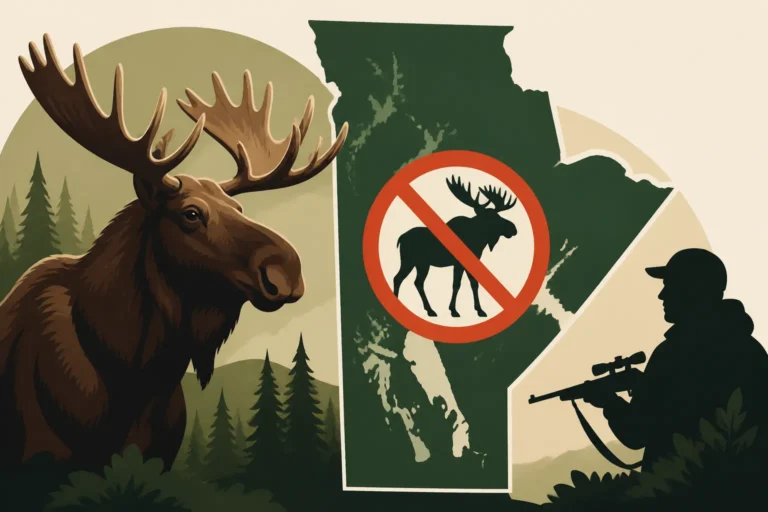
In several areas of Manitoba, moose hunting seasons have been entirely closed or severely restricted for an indefinite period. The most prominent example is the Duck Mountain region, which experienced a drastic decline in its moose population over the past two decades. Factors like habitat changes, disease, and predator dynamics contributed to this decline, leading to a complete closure to hunting to allow the population a chance to recover. Other GHAs, particularly in the Interlake region or around Riding Mountain National Park, have also seen closures or highly restrictive seasons as part of broader conservation efforts.
These closures are challenging for local hunters and outfitters, but they are a necessary step to safeguard the future of the species. Before you even begin to think about when you'll hunt, you absolutely must research Which GHAs Are Closed to Moose. Ignoring these closures not only carries severe legal penalties but undermines the critical conservation work being done. The province regularly updates these restrictions, so what was open last year might be closed this year. These closures represent a serious commitment to the long-term health of Manitoba's moose.
How to Stay Up-to-Date on Regulations
Given the dynamic nature of moose populations and the resulting shifts in hunting regulations, staying informed is not just recommended, it's mandatory. Relying on old information or hearsay can quickly put you on the wrong side of the law.
- Official Manitoba Hunting Guide: This is your bible. The provincial government publishes an annual hunting guide (often available online as a PDF) that contains all current season dates, GHA-specific regulations, licensing information, and any conservation closures. Make it a habit to download and read the most current edition every year, well before the season.
- Manitoba Sustainable Development Website: The provincial government's website is an excellent resource for real-time updates, news releases, and additional information regarding wildlife management. It's where you'll find details on Manitoba Big Game Season Dates as they are officially announced.
- Mapping Applications: Modern mapping apps like GoHunt can be invaluable. While these apps usually pull from official data, always cross-reference with the official guide. These tools can help you visualize GHA boundaries, identify Crown Land access, and see if certain areas have specific overlays for closures. They are fantastic for scouting a Manitoba Game Hunting Area effectively, but remember the official guide is the final authority.
- Local Knowledge & Hunter Forums: While unofficial, local hunting communities and online forums can provide anecdotal insights and reminders about changes. Just be sure to verify any information with official sources.
Planning Your Hunt Around Restrictions
Successfully hunting moose in Manitoba requires meticulous planning, especially when navigating the various restrictions and draw systems. It's not just about When Manitoba's Moose Season Runs, but also how to ethically and legally put yourself in a position to harvest an animal.
- Research GHAs Early: Start your research into potential GHAs months in advance. Look at moose population trends, past success rates in draws, and access points. Consider areas like Moose Across Manitoba's Boreal Forest for their robust populations, but be prepared for remote conditions.
- Understand the Draw Process: If you're hoping to hunt moose, the draw is your gateway. Familiarize yourself with the application deadlines, fees, and the specific GHAs available in the draw. Applying as a party in Manitoba's Draw can sometimes improve your odds or allow you to hunt with partners.
- Be Flexible: Your dream GHA might be closed, or you might not draw a tag for it. Be prepared to consider alternative GHAs or even different species if moose isn't feasible for a particular year. Hunting Moose Where Seasons Stay Open might mean exploring lesser-known or more remote areas.
- Access Considerations: Moose country is often remote. Plan for vehicle access, or consider if you'll need a quad or even a float plane. Factors like Hunting Moose on a Manitoba Cutline are essential when planning your movements.
- Respect the Rules: Ultimately, the health of Manitoba's moose population depends on every hunter adhering to the regulations. Take the time to understand them, and if in doubt, contact a local conservation officer.
By taking a proactive and well-informed approach, you can navigate the complexities of Manitoba's moose seasons and increase your chances of a successful and responsible hunt.
Overview of Manitoba Moose Season Types (General Guidelines)
It's crucial to consult the official Manitoba Hunting Guide for exact, current dates for each specific Game Hunting Area (GHA). This table provides a broad overview of typical season categories.
| Season Type | Typical Start Month | Typical End Month | Primary Weapon | Notes |
|---|---|---|---|---|
| Archery (Early) | Late August / Early September | Mid-October | Bow/Crossbow | Generally the earliest season. Dates vary significantly by GHA. Often good for pre-rut calling. |
| General Rifle | Mid-September | Late October / Early November | Rifle | Most common season, with the highest hunter participation. Dates vary greatly by GHA and may include draw-only tags. |
| Muzzleloader | Late October / Early November | Mid-November | Muzzleloader | Less common, often follows rifle season. Offers a unique challenge in colder weather, sometimes with early snow. |
| Conservation Closures | N/A | N/A | All Weapons | Several GHAs have indefinite moose hunting closures due to population concerns. ALWAYS CHECK OFFICIAL GUIDE. |
Disclaimer
The information provided in this article is for general guidance and informational purposes only. Hunting regulations, season dates, and GHA specifics in Manitoba are subject to change annually and without notice. It is the individual hunter's sole responsibility to consult and adhere to the most current Manitoba Hunting Guide and all applicable provincial and federal laws and regulations before engaging in any hunting activities. Failure to do so may result in fines, penalties, and loss of hunting privileges.