Manitoba Moose Draw Odds by GHA
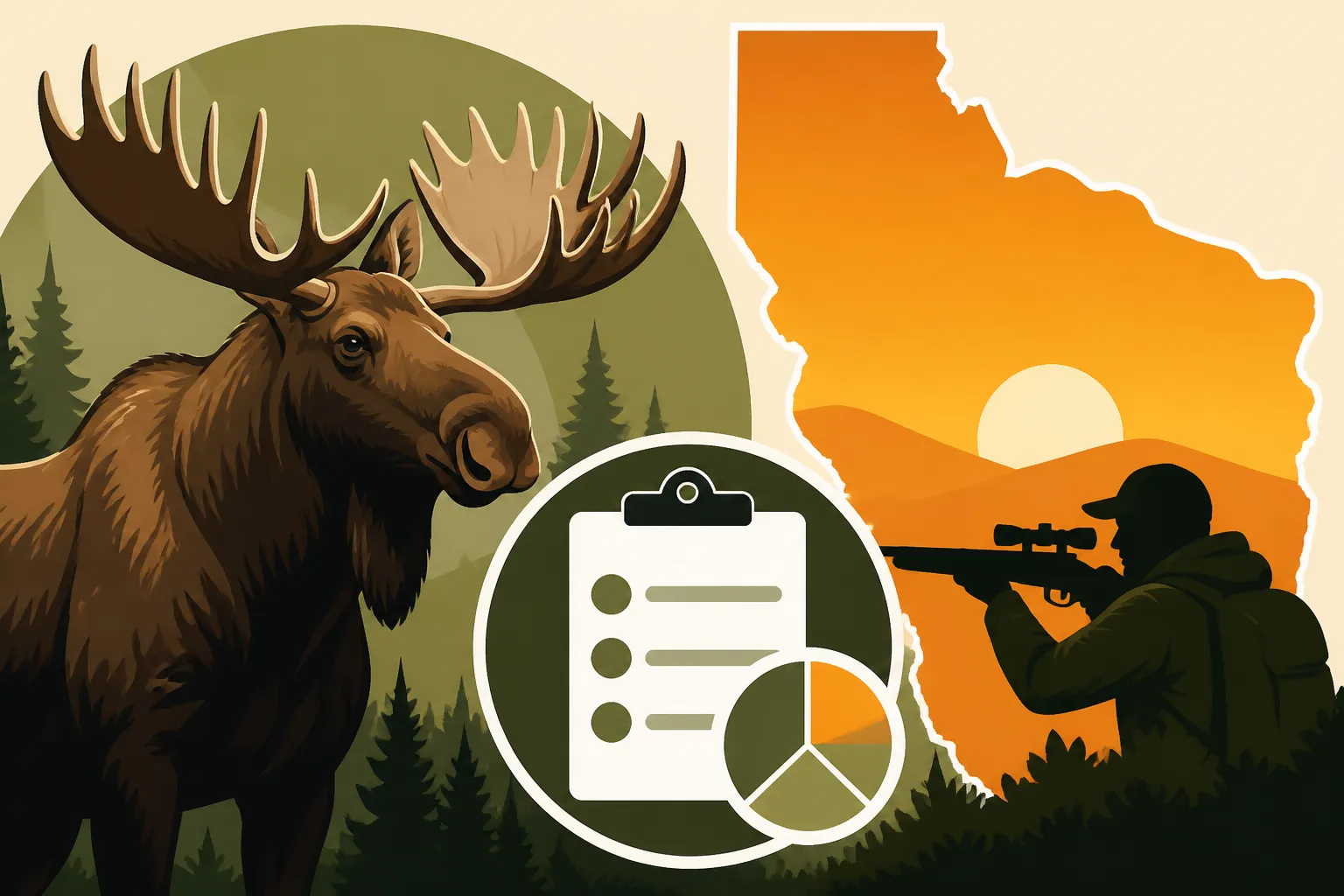
Trying to draw a coveted moose tag in Manitoba can feel like an exercise in futility sometimes, a true test of patience for even the most dedicated hunters among us. It’s tough to pour your hopes and dreams into an application year after year, only to be met with disappointment. This guide is here to shed some light on the Manitoba moose draw odds by GHA, helping you understand the system, analyze the chances, and craft a more strategic approach to hopefully secure that tag.
Understanding Manitoba's Moose Draw System
Manitoba’s moose draw system is designed to fairly allocate a limited number of tags across various Game Hunting Areas (GHAs) where moose hunting is permitted. It's a critical tool for managing moose populations, especially in regions that have faced conservation challenges. For hunters, it means navigating a lottery where luck plays a significant role, but strategic application can absolutely improve your long-term prospects.
How the Draw Works
Each year, Manitoba Sustainable Development determines the number of moose tags available for each GHA based on population surveys, conservation goals, and historical data. Hunters then apply for their preferred GHA through the online system. Unlike some other jurisdictions that use a preference point system where unsuccessful applicants gain an advantage in subsequent years, Manitoba's draw is largely a pure lottery each year. This means every applicant, regardless of how many years they’ve applied without success, generally starts fresh with an equal chance against others applying for the same tag. This can be a source of frustration for those who’ve been at it for decades, seeing new hunters draw tags quickly.
You can apply as an individual or as a party, which is usually a group of up to four hunters. If applying as a party, all members must select the same GHA, and if drawn, all party members receive a tag for that GHA. This can be a great way to guarantee a hunting trip with your buddies if you do draw, but it doesn't necessarily improve your odds statistically, as the party is considered one unit in the draw. It effectively means you're pooling your luck. Understanding how Manitoba's Draw Application Works is paramount before submitting anything. It's crucial to check the specific requirements, as rules can sometimes change from year to year, especially concerning party applications and eligible GHAs. While there isn't a direct preference point system, consistent application is your only way to be in the running, and familiarizing yourself with draw success statistics, often found on platforms like GoHunt or the provincial website, can give you insights into your chances.
Factors Influencing Draw Odds
Many elements can swing the pendulum on your draw odds. The most significant factor is the sheer number of applications relative to the available tags within a specific GHA. Some GHAs are notoriously popular, often because of their reputation for producing larger bulls, easier access, or consistent moose sightings. Naturally, these areas see a deluge of applications, driving the draw odds down significantly. Conversely, more remote or challenging GHAs might have fewer applicants, thus offering slightly better odds, even if the total number of tags is similar.
Moose population trends also heavily influence tag availability. Areas where the Moose Population Trend is stable or increasing might see more tags allocated, while regions experiencing declines, or those under specific conservation measures, will have fewer, or even no, tags. For example, some areas have faced significant conservation closures, such as the widely discussed closure in the Duck Mountain Provincial Forest, where moose hunting seasons were suspended entirely to allow populations to recover. Such closures directly impact the pool of available tags province-wide, increasing pressure on open GHAs. Access also plays a role; GHAs with extensive road networks often attract more hunters due to convenience, while those requiring float plane access or significant backcountry travel might deter some, inadvertently improving draw odds for those willing to put in the extra effort.
Analyzing Moose Draw Odds by GHA
When you’re looking at applying for a moose tag, it's not just about throwing your name in a hat. A little research into the various GHAs can make a huge difference in managing your expectations and making an informed decision. Some areas are perennial favourites, while others fly under the radar but can still offer incredible hunting opportunities for those willing to explore.
High-Demand and Low-Odds GHAs
Certain GHAs in Manitoba consistently rank as the toughest draws. These are typically the areas with a long-standing reputation for producing impressive bulls, good access, or a history of high success rates. Hunters often dream of hunting in these prime zones, leading to an overwhelming number of applications each year. For instance, northern boreal forest regions that boast robust moose populations and have a perceived higher chance of encountering a mature bull often fall into this category. While I don't have access to live, real-time draw data for specific GHAs at this moment, historical trends and anecdotal evidence suggest that GHAs known for their remote, untouched wilderness and less hunting pressure, such as those deep within the Boreal Forest, often attract a lot of attention. Even with relatively decent tag numbers, the applicant pool can be massive.
The allure of a trophy animal is a powerful driver. Many hunters are willing to apply for years, or even decades, for the chance at a truly massive bull. These areas, particularly those with less road access but perhaps river systems or old logging roads, often offer the habitat mature moose thrive in, leading to bigger body sizes and larger antlers. This pursuit of a "once-in-a-lifetime" animal means competition for these specific tags remains incredibly fierce. When looking at platforms like GoHunt that analyze draw data across North America, you'll see similar patterns where trophy potential directly correlates with lower draw odds. These areas are typically targeted by hunters who are either incredibly patient or those who prioritize the quality of the hunt over the immediate success rate.
Better-Odds and Alternative GHAs
On the flip side, there are GHAs where your chances, while still a lottery, might be marginally better. These aren't necessarily "easy" draws, as moose tags are always competitive, but they might not face the same intense pressure as the top-tier trophy zones. Often, these areas are more remote, require more challenging access, or might have slightly lower moose densities. However, "lower density" doesn't mean "no moose"; it simply means you might have to work harder, scout more extensively, or adapt your hunting style to the terrain.
Consider GHAs that are less talked about or those with a mix of habitat types that might not be exclusively prime moose country. These might include areas on the fringes of traditional moose range, or zones with more mixed-use land, where moose exist but aren't the sole focus of every hunter. For example, some areas that are more accessible by quad, or require a bit more legwork beyond the main roads, could see fewer applications. It's about finding that sweet spot where a GHA still offers good hunting but doesn’t attract the same volume of applications as the most renowned areas. Hunters willing to put in the time to scout a Manitoba Game Hunting Area, learn its unique characteristics, and adapt their hunting methods for success might find these alternative GHAs incredibly rewarding. Perhaps even focusing on areas that allow for a combination hunt, such as where you might also pursue Black Bear Hunting in Manitoba, could spread out some of the pressure on specific species draws.
Here’s a simplified look at how GHA characteristics might influence draw difficulty, though actual tag numbers and applicant pools vary annually:
| GHA Type | Characteristics | Perceived Moose Quality | Access | Draw Difficulty | General Odds |
|---|---|---|---|---|---|
| Prime Boreal Wilderness | Remote, vast, untouched habitat, low human presence | High (trophy potential) | Difficult | Very High | Low |
| Mixed Forest & Water | Good habitat, some road/river access, moderate pressure | Medium to High | Moderate | High | Medium-Low |
| Fringe/Transitional | Mixed habitat, more accessible, higher general hunting | Medium | Easy | Moderate | Medium |
| Challenging Backcountry | Very remote, tough terrain, limited infrastructure | Medium to High | Very Difficult | Low | Medium-High |
Strategies for Improving Your Moose Draw Chances
While the moose draw is largely a lottery, there are definitely ways to approach it more strategically to give yourself the best possible shot. It's about being informed, persistent, and sometimes, a little flexible in your expectations.
Researching GHA Trends and Moose Populations
The first and most crucial step is to become a true student of Manitoba's hunting regulations and GHA specifics. Each year, the province releases an updated hunting guide, which details season dates, bag limits, and often, critical updates regarding moose populations or specific GHA closures. Pay close attention to sections discussing Manitoba's Moose Conservation Closures or Where Moose Hunting Is Closed Entirely, as these will directly impact available tags elsewhere. You should also look for information regarding the Why Manitoba Moose Numbers Fell in certain areas, as understanding these dynamics can help you predict future tag allocations.
Beyond the official guide, consider looking at historical draw statistics if they are made publicly available. While Manitoba doesn't operate on a preference point system that builds equity, understanding past success rates for specific GHAs can still provide a valuable benchmark. Platforms like GoHunt often compile and present such historical data, which can illuminate trends in applicant numbers versus tags drawn. Don't just focus on the "best" GHAs; research areas that might have seen recent positive shifts in moose populations or those that are physically demanding to hunt, which naturally deters some applicants. For example, a GHA that requires a significant hike or a boat to access might offer better odds than one with a paved road right through it. Knowing what a big bull moose weighs here, or When Manitoba's Moose Rut Peaks in different zones, can also guide your GHA choice if specific hunting experiences are a priority.
Applying Smart and Persistence
Given the lottery nature of Manitoba’s moose draw, persistence is absolutely key. Many successful moose hunters will tell you it took them many, many years of applying before they finally drew a tag. Don't get discouraged by initial failures; consider it part of the process. Make sure you're aware of the Manitoba Draw Deadlines and Results each year and submit your application well in advance to avoid any last-minute technical glitches.
Beyond simple persistence, consider applying as part of a party. While it doesn't statistically improve your individual odds, it means if anyone in your group is drawn, everyone gets a tag. This can be a great way to spread out the chances among friends or family members who are all keen on a moose hunt. Also, be open to different GHAs. While you might have a dream GHA in mind, consider listing a second or third choice if the system allows, or explore "alternative" GHAs that might have slightly better odds, even if they aren't the most talked-about spots. Hunting Moose on a Manitoba Cutline or Hunting Moose Around Manitoba Beaver Ponds in a less-pressured GHA can still yield an incredible experience and a successful harvest. Sometimes, getting a tag in a less popular area offers a unique adventure and challenges that can be even more rewarding than a hunt in a well-known zone. Remember, it's about the hunt itself, not just the location's reputation.
Disclaimer
Please note that hunting regulations, season dates, and draw odds are subject to change annually by Manitoba Sustainable Development. This information is intended as a general guide and should not replace consulting the official Manitoba Hunting Guide and relevant provincial government resources before planning any hunting activities. Always prioritize safety, ethical hunting practices, and adherence to all local laws and regulations.