Manitoba’s Sandhill Cranes and Their Migration
For many hunters, the thought of migratory bird hunting immediately conjures images of ducks cupped over decoys or geese funneling into a stubble field. But nestled in that vast migratory spectrum, often overlooked, is the incredible sandhill crane. If you've ever felt like you're missing out on a unique and challenging hunt, or simply don't know where to start with these majestic birds, you're not alone. This comprehensive guide is designed to peel back the layers on Manitoba's sandhill cranes, exploring their fascinating migration, identifying prime hunting opportunities, and equipping you with the knowledge to pursue them successfully in our beautiful province.
Understanding Manitoba's Sandhill Cranes: A Unique Game Bird
When you picture a bird of the prairie, you might think of a sharp-tailed grouse or a soaring hawk. But the sandhill crane holds a special place, a truly ancient lineage that brings a wild, primeval call to our skies. These magnificent birds aren't just another game species; they offer a truly distinctive hunting experience unlike any other waterfowl or upland bird.
Identifying Sandhill Cranes
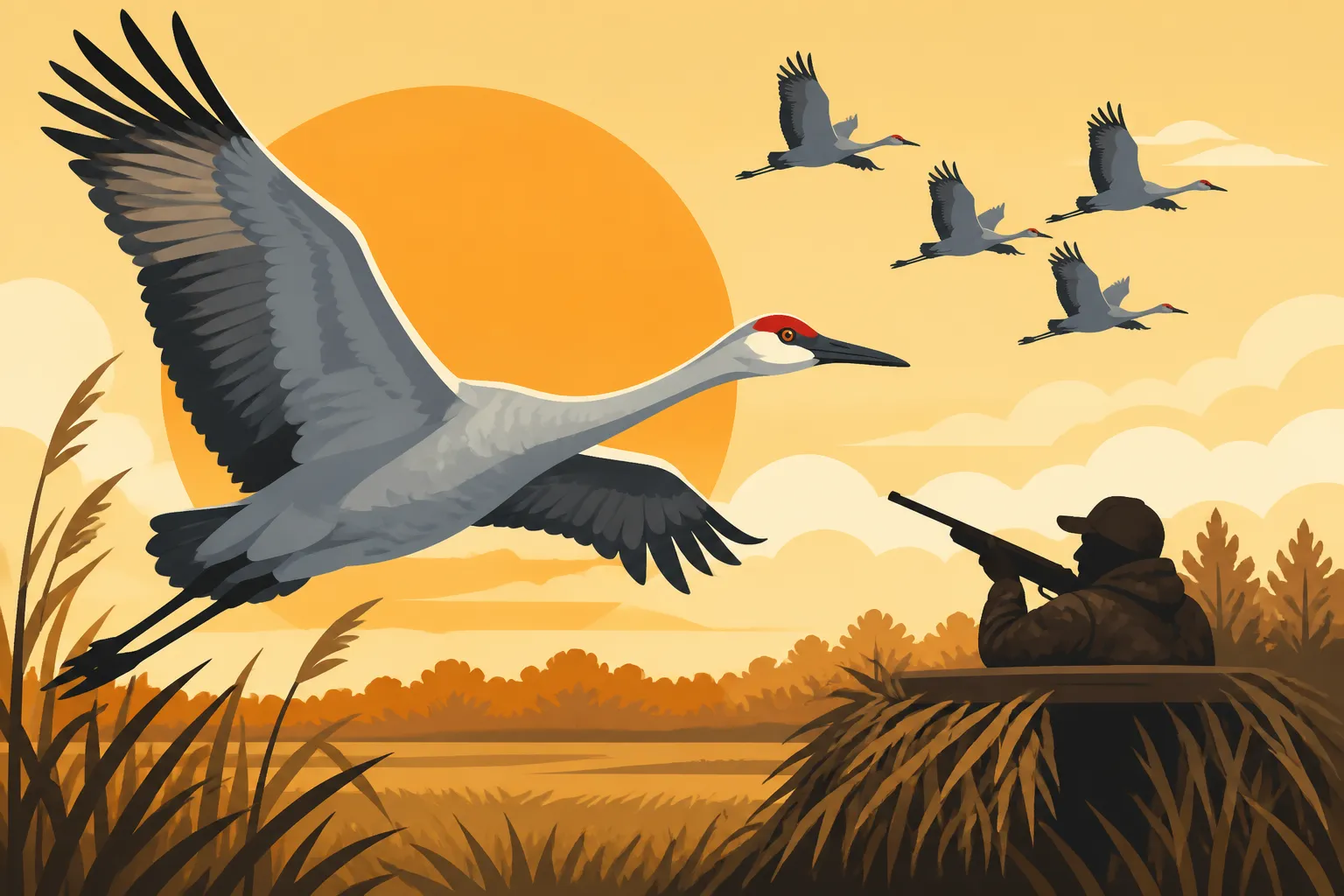
Spotting a sandhill crane in flight or on the ground can be an awe-inspiring experience, especially with their impressive size. These aren't your typical backyard birds. Adult sandhill cranes typically stand between 3 and 4 feet tall with a wingspan that can stretch up to 6 or 7 feet. Their plumage is predominantly grey, often stained with rusty browns from preening with iron-rich mud, giving them a unique, earthy tone that can vary from bird to bird. What really sets them apart is their distinctive crimson cap, a patch of bare red skin on their forehead, which becomes more vibrant during breeding season. They have long, dark legs and a long, pointed bill, perfect for probing for food. In flight, they hold their necks and legs straight out, soaring on thermal currents, and their flight appears much more deliberate and less erratic than a goose. Their call is unmistakable – a loud, trumpeting, rolling "garoooo-a-a-a" that can carry for miles across the open landscape, a sound that, once heard, is never forgotten.
Biology and Behavior
Sandhill cranes are incredibly social birds, often seen in large family groups or massive flocks during migration and wintering. While they are known for their spectacular migratory flights, their daily routines are just as fascinating. They are omnivores, with a diet that shifts with the seasons. During their time in Manitoba, they feast heavily on waste grain in agricultural fields – barley, wheat, corn, and peas are all on the menu – which is why they are so often found in farm country. They also consume insects, small vertebrates, roots, seeds, and berries. Cranes typically feed in open fields during the day, where their height gives them an excellent vantage point for spotting predators. In the evenings, they retire to roosting sites, usually in shallow wetlands, marshes, or flooded fields, where they feel safe from coyotes and other ground predators. Their fidelity to these roosting and feeding sites can be quite strong, making scouting for consistent patterns a crucial part of hunting them. Understanding these daily movements and food preferences is key to success, as they are not random wanderers but creatures of habit.
Subspecies in Manitoba
While there are several subspecies of sandhill cranes, the vast majority of birds that grace Manitoba's skies belong to the Lesser Sandhill Crane (Grus canadensis canadensis). These are the most numerous and smallest of the sandhill subspecies, though "small" is a relative term when you're talking about a bird that can still weigh 6-8 pounds and stand over three feet tall. There's also the possibility of encountering the slightly larger Greater Sandhill Crane (Grus canadensis tabida) on occasion, though they are less common here and typically breed further south and east. The differences between the subspecies are subtle, mostly relating to size, but for the hunter, the experience remains largely the same – a challenging and rewarding pursuit of these magnificent birds. Regardless of the exact subspecies, their migratory instincts, feeding habits, and general behaviors are remarkably consistent, offering a predictable pattern for those who take the time to learn their ways.
The Epic Migration: Why Manitoba is a Sandhill Crane Hub
Manitoba isn't just a stopover for sandhill cranes; it's a critical staging ground, a grand assembly point where hundreds of thousands of these birds gather each fall. This makes our province an absolutely prime location for experiencing their incredible migration firsthand, whether you're hunting or just observing.
The Central Flyway Connection
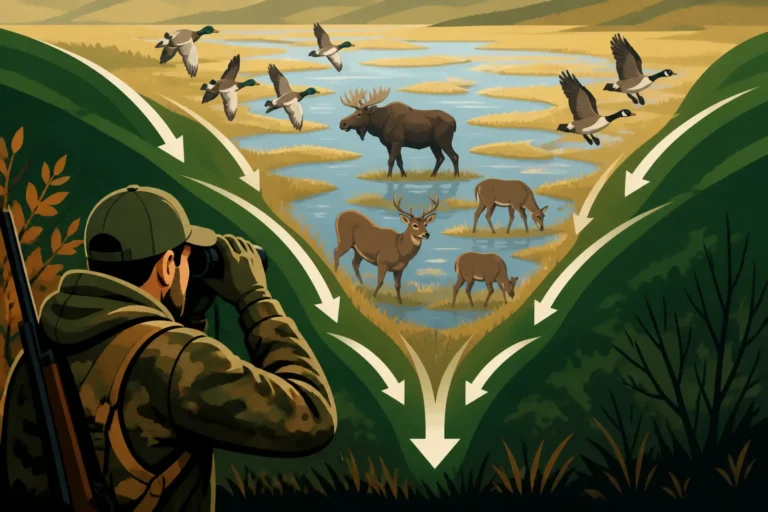
Our geographic location places Manitoba squarely within the Central Flyway, one of North America's four major migratory bird routes. This massive aerial highway funnels birds from their northern breeding grounds in Alaska, the Canadian Arctic, and the boreal forests down to their wintering homes in the southern United States, Mexico, and even Cuba. For sandhill cranes, Manitoba acts as a vital fuel-up station, offering abundant grain fields and safe roosting wetlands that are essential for their arduous journey. The sheer volume of birds that pass through or stage here is staggering, creating spectacular aerial displays and unparalleled hunting opportunities. Understanding this flyway and its importance helps hunters appreciate the grand scale of the migration and why scouting key choke points and feeding areas in Manitoba is so effective. This connection also links them to other migratory species; if you're interested in Manitoba's Ducks and Geese by Flyway, you'll find that many species share these same critical routes and staging grounds.
Key Staging Areas in Manitoba
While sandhill cranes can be found across much of the province during migration, certain areas truly stand out as major staging hubs. The vast agricultural landscapes of southwestern Manitoba, particularly around areas like the Carberry dunes, Souris River valley, and the region stretching north towards Dauphin, become magnets for cranes. These areas offer the perfect combination of expansive grain fields for feeding and abundant wetlands, often shallow marshes or large flooded depressions, for safe overnight roosting. Hunters will often find birds concentrating in the flat prairie regions, making it crucial to gain Getting Permission for a Goose Field or crane field, as much of this land is privately owned. The Interlake region, with its mix of farmland and large marshes, also sees significant numbers, though perhaps not the massive concentrations found further west. These staging areas become vibrant with the sights and sounds of tens of thousands of cranes, particularly during September and early October, before the main push south. Hunters looking for concentrations might consider areas within Game Hunting Areas (GHAs) like 23, 23A, 24, and 25, which historically see strong crane numbers.
Timing the Migration Peak
Timing is everything when it comes to sandhill crane hunting in Manitoba. The season typically opens in early September, and while you might see local birds then, the real influx begins a bit later. The peak of the sandhill crane migration through Manitoba usually occurs from mid-September through the first half of October. This is when the northern breeders start their serious push south, and our fields become crowded with hungry cranes. The exact peak can vary year to year depending on weather patterns; a sudden cold snap up north can trigger a mass exodus, bringing thousands more birds to Manitoba in a matter of days. Conversely, a warm, lingering fall can spread out the migration, keeping birds longer in their northern haunts. It’s always a good idea to keep an eye on weather forecasts in northern Manitoba and Saskatchewan, as these can be good indicators of when the big flocks will start moving. This is also a fantastic time for Hunting Manitoba's Sandhill Crane Fields, as the birds are actively feeding and predictable in their patterns.
| Migration Phase | Typical Timing in Manitoba | Crane Behavior | Hunting Implications |
|---|---|---|---|
| Early Season Birds | Early to Mid-September | Local breeding birds, smaller family groups, less concentrated. | Good for scouting, practicing calling; fewer birds to work. |
| Peak Migration | Mid-September to Mid-October | Massive staging flocks, strong field patterns, high activity. | Prime hunting window; birds respond well to decoys/calls. |
| Late Migration | Late October to Early November | Fewer birds, more wary, pushed by colder weather. | More challenging; requires keen scouting; may find smaller pockets. |
| Post-Season | Mid-November onwards | Most birds have moved south; very few stragglers. | Season usually closed or birds are gone. |
Scouting and Locating Sandhill Cranes in Manitoba
You can't just stumble upon a successful crane hunt. These birds are intelligent and wary, and finding where they want to be is half the battle. Dedicated scouting is not just recommended; it's absolutely non-negotiable for consistent success.
Preferred Habitat and Foraging Areas
Sandhill cranes are creatures of routine, particularly when it comes to their feeding and roosting habits. During the day, they prefer expansive, open agricultural fields where waste grain is abundant. Think large fields of harvested barley, wheat, peas, or corn. These fields offer them both a readily available food source and the wide-open visibility they need to detect predators. A freshly swathed grain field or a cut corn field where grains are easy to access will always be a magnet. They often favor fields adjacent to wetlands or sloughs, creating a shorter commute to their evening roost. While they primarily feed on grain, they will also dabble in foraging for insects and tubers in wetter pastures or undisturbed areas. Understanding this preference for open, food-rich agricultural land is your first step. Remember, like Hunting a Swathed Grain Field at Dusk, cranes will often be in similar settings, particularly in the afternoons.
Reading Crane Sign
Once you're out in potential crane country, you need to know what to look for. "Sign" isn't just about tracks, though you'll certainly find their distinct, three-toed footprints in muddy areas or shallow water near fields. The most obvious sign of sandhill cranes is their droppings – large, white, often cylindrical deposits that stand out in a stubble field. A field littered with fresh droppings is a sure sign that birds have been feeding there recently and are likely to return. You'll also see evidence of their feeding in the form of dug-up areas where they've probed for tubers or picked up fallen grain. Keep an eye (and ear) out for birds in flight, especially in the mornings and evenings as they commute between roosts and feeding fields. Their loud, trumpeting calls carry far, guiding you to their locations. Pay attention to how they enter and exit fields; they often use consistent flight lines. A high-quality scouting tool, like a mapping application from GoHunt, can help you identify potential feeding fields and roosting wetlands from satellite imagery, allowing you to narrow down your physical scouting efforts.
Utilizing Technology and Local Knowledge
In today's hunting world, technology can be a huge asset. Satellite imagery on mapping apps is invaluable for pinpointing large grain fields, proximity to water, and potential travel corridors. You can mark potential roosting sites (often large, shallow water bodies or marshes) and then observe flight lines to feeding fields. However, don't underestimate the power of local knowledge. Chatting with farmers (after Getting Permission for a Goose Field or hunting, of course) can provide invaluable insights into recent bird activity and patterns. Local coffee shops or general stores are often unexpected hubs of information. Driving country roads during the evening and morning hours, glassing fields with binoculars or a spotting scope, is another crucial scouting technique. Watch where birds are actively feeding, note the specific field, and observe their flight paths to their roost. This on-the-ground, real-time observation, combined with the strategic planning offered by platforms like GoHunt, gives you the best chance of setting up in the right place at the right time. For comprehensive scouting insights, articles like Scouting a Manitoba Game Hunting Area offer excellent general principles that apply to crane hunting as well.
Hunting Strategies for Manitoba Sandhill Cranes
Hunting sandhill cranes requires a blend of waterfowl tactics and a unique understanding of these particular birds. They are notoriously wary, possessing excellent eyesight and an uncanny ability to spot anything out of place. This means concealment, decoy spreads, and calling are paramount.
Decoying and Blind Setups
Successful crane hunting often hinges on a good decoy spread and impeccable concealment. Cranes are big birds, and they want to land among other big birds they perceive as safe. Life-sized or oversized sandhill crane decoys are essential. A typical spread might consist of 1 to 2 dozen decoys, positioned in family groups or small feeding clusters rather than a tight, dense flock. Place your decoys upwind of your blind, leaving a landing zone directly in front. Motion decoys, like a flag or a spinning wing decoy (used sparingly, as they can sometimes spook cranes if overused or too erratic), can add realism, but static, realistic decoys are the foundation.
Concealment is absolutely critical. Cranes have incredible eyesight, perhaps even better than geese. A pit blind, layout blind, or a well-brushed ground blind is necessary. If using a ground blind, ensure it blends seamlessly with the surrounding stubble or field edges. Camouflage should match the dry stubble of late season fields. Even small details, like shiny equipment or a face not fully covered, can be enough to flare a flock of cranes. You need to become part of the landscape. For advice on Setting a Goose Spread in Swathed Barley, many of those principles apply directly to crane spreads regarding wind direction and landing zones.
Calling Techniques
The distinctive call of the sandhill crane is a complex, rolling trumpeting sound. Learning to mimic this call effectively is a game-changer. There are specific crane calls available, and mastering one takes practice. The primary calls are the "unison call," a loud, rolling "garoooo-a-a-a" used by pairs to announce their presence and reinforce bonds, and various clucks and low croaks used for feeding and contentment. When birds are distant, use loud, aggressive unison calls to get their attention. As they approach, soften your calling to clucks and purrs, mimicking a contented flock on the ground.
Cranes are often responsive to calling, but they can also be call-shy. Overcalling can be detrimental. Listen to the birds themselves; they will tell you what they want to hear. If they are turning, responding, and working the spread, keep calling. If they seem to be flaring or ignoring you, scale back or try different cadence and volume. Consistency in practice is key to sounding natural and bringing these wary birds into range. It's not just about loudness; it's about the realism and rhythm of the call that convinces them to commit to your spread.
Shotgun and Ammunition Considerations
Given the size and tough hide of a sandhill crane, choosing the right firearm and ammunition is crucial for clean, ethical kills. A 12-gauge shotgun is the standard, though a 10-gauge can also be effective. You'll want a heavier shot size and a tighter choke than you might use for ducks.
Ammunition: Non-toxic shot is mandatory for sandhill cranes, just like all other migratory game birds in Manitoba. Steel shot in sizes BB, 1, or 2 are common choices. Bismuth or tungsten-alloy alternatives can provide even better penetration and range, but come at a higher cost. Avoid smaller shot sizes like 4 or 6, as they simply won't carry enough energy to consistently bring down a large crane.
Choke: A modified or improved modified choke is a good starting point, providing a balance of pattern density and spread at typical shooting ranges (25-45 yards). For longer shots, a full choke can be used, but ensures your pattern is still dense enough at closer ranges to avoid blowing out birds. Practice with your chosen load and choke on paper targets to understand your effective range and pattern density. Cranes are incredibly tough birds, and a clean shot to the vitals is paramount. Remember to always use Non-Toxic Shot for Manitoba Waterfowl and other migratory game birds to protect the environment.
Essential Gear for a Successful Crane Hunt
Beyond your shotgun and ammunition, a few key pieces of gear can make or break your sandhill crane hunt. These birds demand attention to detail, and being well-equipped will significantly increase your chances of success and comfort in the field.
Decoys: Types and Spreads
Decoys are the cornerstone of a successful crane hunt. You'll want full-body, realistic sandhill crane decoys. Silhouettes can work, especially if you have a large spread, but full-bodies offer the most realism and confidence to approaching birds. Look for decoys that are durable and have good detail in their paint scheme. Brands like Dakota Decoy, Avian-X, and Tanglefree offer excellent options.
Decoy Quantity: A minimum of 1 to 2 dozen decoys is recommended. Cranes are social birds, and a larger spread suggests safety in numbers.
Spreading Them Out: Avoid dense clusters. Cranes typically feed spread out, with family groups maintaining a bit of space. Set your decoys in loose "pods" of 3-5 birds, mimicking natural feeding and resting postures. Leave a large, open landing zone (the "kill hole") directly upwind of your blind.
Adding Realism: Consider a couple of sentry or upright decoys mixed in to provide a vigilant look, while most should be in feeding or resting positions. Some hunters even incorporate a few goose decoys on the edge of the crane spread, as cranes and geese will sometimes share fields, adding another layer of authenticity.
Blinds: Concealment is Key
As mentioned, crane eyesight is legendary, so your blind must offer absolute concealment.
Layout Blinds: These are excellent for hunting open stubble fields. They allow you to lie flat, popping up when birds are committed. Choose a layout blind that is low profile and easy to brush in thoroughly. Make sure the stubble straps are plentiful so you can completely cover it with local vegetation.
Panel Blinds/A-Frames: These can work well on field edges or if there's natural cover available to help break up their outline. They provide more room than a layout, but need meticulous brushing.
Natural Blinds: Sometimes, the best blind is no blind at all – just effective concealment in existing field cover like a drainage ditch, a natural rise, or even a thick fenceline. The key is to blend in completely.
Material: Whatever type of blind you choose, ensure the material (and your brushing) matches the colors and textures of the agricultural fields you're hunting – typically browns, tans, and dull yellows of dried stubble. Don't forget to cover your face and hands!
Clothing and Comfort
Manitoba fall weather can be notoriously unpredictable, swinging from mild to frigid in a matter of hours, often accompanied by wind and precipitation. Staying comfortable and warm is vital for maintaining focus and endurance.
Layering: The golden rule of hunting attire. Start with a moisture-wicking base layer, add insulating layers (fleece, down), and top with a waterproof and windproof outer shell in earth tones or camouflage that matches your hunting environment.
Footwear: Insulated, waterproof boots are non-negotiable. Sitting still in a blind, even for a few hours, can quickly lead to cold feet. Choose boots that are comfortable for walking across fields but also provide warmth when static.
Accessories: A warm hat (balaclavas are great for face concealment and warmth), gloves (thin gloves for shooting, thicker ones for downtime), and hand/foot warmers are small investments that pay huge dividends.
Seating: If using a ground blind or natural cover, a small, portable hunting chair or cushion can significantly improve comfort during long waits. Staying comfortable means you can stay focused longer, which is often the difference between success and frustration when hunting wary birds like cranes. For dealing with Manitoba's changing temperatures, the advice in Hunting Safely in Deep Winter Cold can even be scaled down for those surprisingly cold fall days.
Regulations and Conservation of Manitoba Sandhill Cranes
Responsible hunting isn't just about bagging a bird; it's about understanding and respecting the rules that protect the species and ensure its future. Sandhill cranes are a federally managed migratory bird, and as such, their hunting is subject to both federal and provincial regulations.
Licence Requirements and Bag Limits
Before you even think about setting foot in a field, you must ensure you have the correct licences and permits. For sandhill cranes in Manitoba, this typically includes:
- A valid Manitoba Game Bird Hunting Licence: This is your provincial permit to hunt game birds.
- A Federal Migratory Game Bird Hunting Permit: This is a federal permit required for all migratory game bird hunting across Canada. You also need to purchase the Canadian Wildlife Habitat Conservation Stamp, which is affixed to the permit. This stamp's proceeds go directly towards habitat conservation, so it's a good thing. You can learn more about The Federal Migratory Game Bird Permit and Manitoba Migratory Bird Permits to ensure you're fully compliant.
Bag Limits: Daily and possession limits are set annually. In recent years, the daily bag limit for sandhill cranes in Manitoba has typically been 5 birds, with a possession limit of 15. However, these numbers can change, so it is absolutely critical to consult the most current Manitoba Hunting Guide or federal migratory bird regulations before each season. Ignorance of the law is never an excuse. Always check Manitoba Game Bird Seasons and Limits for the most up-to-date information.
Non-Toxic Shot Requirements
This point cannot be stressed enough: Non-toxic shot is required for hunting all migratory game birds in Canada, including sandhill cranes. This regulation is in place to prevent lead poisoning in birds and other wildlife that might ingest spent lead shot from fields and wetlands. Using lead shot for crane hunting is not only illegal but also harmful to the environment. Steel, bismuth, or tungsten-alloy shots are approved alternatives. Ensure your shotgun is rated for steel shot if you choose that option. This rule is consistent across all Non-Toxic Shot Requirements for Waterfowl and other migratory species.
Conservation Efforts and Population Status
Thankfully, the overall population of sandhill cranes, particularly the Lesser Sandhill Crane that migrates through Manitoba, is considered healthy and stable, if not increasing. Their populations are regularly monitored through aerial surveys and banding programs by both Canadian and U.S. wildlife agencies. The current hunting seasons and bag limits are carefully established based on these population assessments to ensure sustainable harvest levels.
However, like all migratory species, sandhill cranes face challenges, including habitat loss (particularly the conversion of wetlands to agriculture), climate change impacting migration patterns, and potential for disease outbreaks. The contributions from the sale of the Canadian Wildlife Habitat Conservation Stamp directly support projects aimed at protecting and enhancing wetlands and other crucial habitats for these birds. Hunters, by purchasing their permits and following regulations, play an active role in the conservation of sandhill cranes and their ecosystems. It's a testament to effective wildlife management that we can enjoy these magnificent birds both in the field and as a thriving wild population.
Ethical Hunting and Respecting the Resource
Hunting is more than just pulling a trigger; it's a commitment to ethical conduct, respect for wildlife, and responsible stewardship of the land. For sandhill cranes, these principles are particularly important, as they are large, intelligent birds that deserve our utmost respect.
Responsible Hunting Practices
Ethical hunting begins long before you set foot in the field and extends long after the hunt is over.
Shot Selection: Only take shots that are within your effective range and that offer a high probability of a clean, humane kill. Cranes are tough, and wounding a bird that flies off is a failure of responsibility. Understand your shotgun's pattern and your own shooting ability. Don't "sky-bust" at distant birds; let them work the decoys and commit.
Retrieval: Every effort must be made to retrieve downed birds. This means having a good marking system (mentally noting where the bird fell), and if possible, a well-trained retrieving dog. A wounded bird that disappears into thick cover or water is a wasted resource and an unethical outcome.
Respect for Landowners: Always ensure you have explicit permission before hunting on private land. This includes respecting their property, closing gates, not driving on soft fields, and picking up your trash. A good relationship with landowners is essential for future hunting access, especially for Hunting Manitoba's Sandhill Crane Fields where private land dominates.
Safety: Adhere to all firearms safety rules. Know your shooting lanes, be aware of other hunters, and ensure your firearm is unloaded and cased when transporting.
Meat Care and Culinary Delights
Sandhill cranes are often referred to as "ribeye in the sky" or "the poor man's elk" due to the delicious, dark red meat they provide. Wasting game meat is not only unethical but illegal in Manitoba. Proper field care is crucial to ensure you get the best possible table fare.
Field Dressing: As soon as a bird is retrieved, cool it down. Pluck or breast out the bird immediately, especially on warmer days. The breast meat is the most prized, but the legs can also be salvaged. Place the meat in a cooler with ice, but keep it out of direct contact with meltwater.
Processing: Once home, process the meat quickly. The breasts are excellent pan-fried, grilled, or roasted. The flavor is rich, lean, and distinctly gamey in the best possible way. Marinating can enhance tenderness and flavor. Don't be afraid to experiment with different recipes, from simple searing to slow-cooking stews. Many hunters find crane meat to be among their favorite wild game.
Storage: Properly wrap and freeze the meat, labeling it with the date. Vacuum sealing is ideal for long-term freezer storage. Enjoying the fruits of your harvest is the ultimate reward of a successful, ethical hunt.
Promoting the Sport
As hunters, we are ambassadors for our sport. Sharing positive hunting experiences, mentoring new hunters, and demonstrating responsible practices helps ensure the future of hunting. For sandhill cranes, a species that might not have the traditional following of ducks or geese, this is especially true.
Educating Others: Many people are unfamiliar with sandhill crane hunting or even that they are a game bird. Sharing information about their biology, migration, and the conservation benefits of hunting can help demystify the activity.
Mentorship: Introduce new hunters, especially youth, to the ethical pursuit of sandhill cranes. Teaching them about scouting, calling, and responsible shooting from an early age fosters a deep appreciation for wildlife and the outdoors. A Manitoba Youth and Mentored Hunting program can be a fantastic way to pass on this tradition.
Advocacy: Support conservation organizations and advocate for sound wildlife management policies. By actively participating in the hunting community and upholding the highest ethical standards, we ensure that sandhill cranes will continue to thrive in Manitoba's skies for generations to come, providing unique and challenging opportunities for those who seek them.
Disclaimer
Please note that hunting regulations, season dates, and bag limits are subject to change. This guide provides general information and recommendations. Always consult the official Manitoba Hunting Guide and federal migratory bird regulations for the most current and accurate information before planning any hunting trip. It is your responsibility to know and follow all applicable laws.