What Caused the Duck Mountain Moose Decline
If you've spent any time hunting or even just exploring Manitoba's Duck Mountain region, you've likely felt the sting of seeing fewer moose than in years past. It's a frustrating reality for many of us who remember a time when these majestic animals seemed more plentiful. This guide aims to pull back the curtain on the complex factors that contributed to the significant decline of the moose population in this iconic area, helping you understand the challenges they faced and what's being done.
The Disappearing Giants: A Look at the Duck Mountain Moose Decline
For generations, the Duck Mountain Provincial Forest and its surrounding areas were synonymous with incredible moose hunting opportunities. Hunters would head out, often into the dense bush, with a reasonable expectation of seeing moose sign, hearing a bull, or even spotting one of these magnificent animals. It was a place where many of us cut our teeth, learning the patience and skill required for Moose Hunting Manitoba's Boreal Country. Then, gradually, sometimes subtly, sometimes dramatically, things started to change.
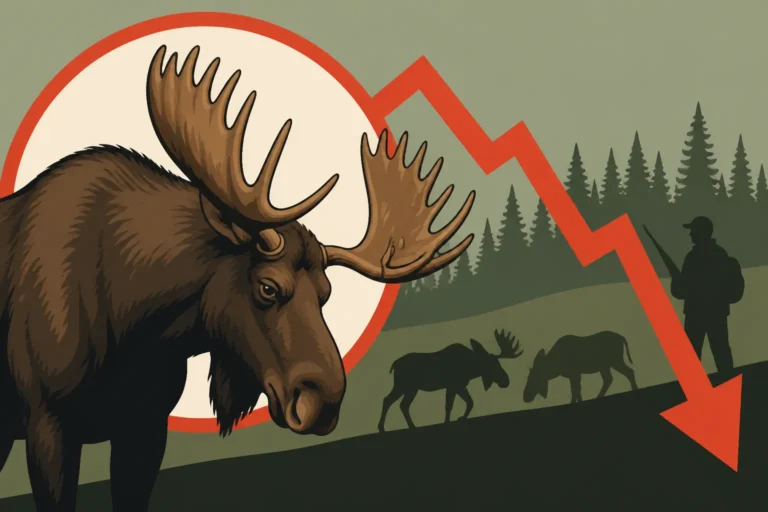
The decline wasn't just a slight dip; it was a significant and concerning reduction in numbers that became painfully obvious to anyone who regularly spent time in the area. What was once considered a moose haven began to feel eerily empty. This wasn't unique to Duck Mountain, as Manitoba's Moose Population Trend has seen fluctuations in other areas as well, but the severity and persistence of the decline here were particularly alarming. It led to many tough conversations among hunters, wildlife managers, and local communities, all asking the same question: what happened? The answer, as is often the case in nature, wasn't simple, but a confluence of environmental pressures, disease, and human impact.
A Complex Web: Understanding the Factors Behind the Decline
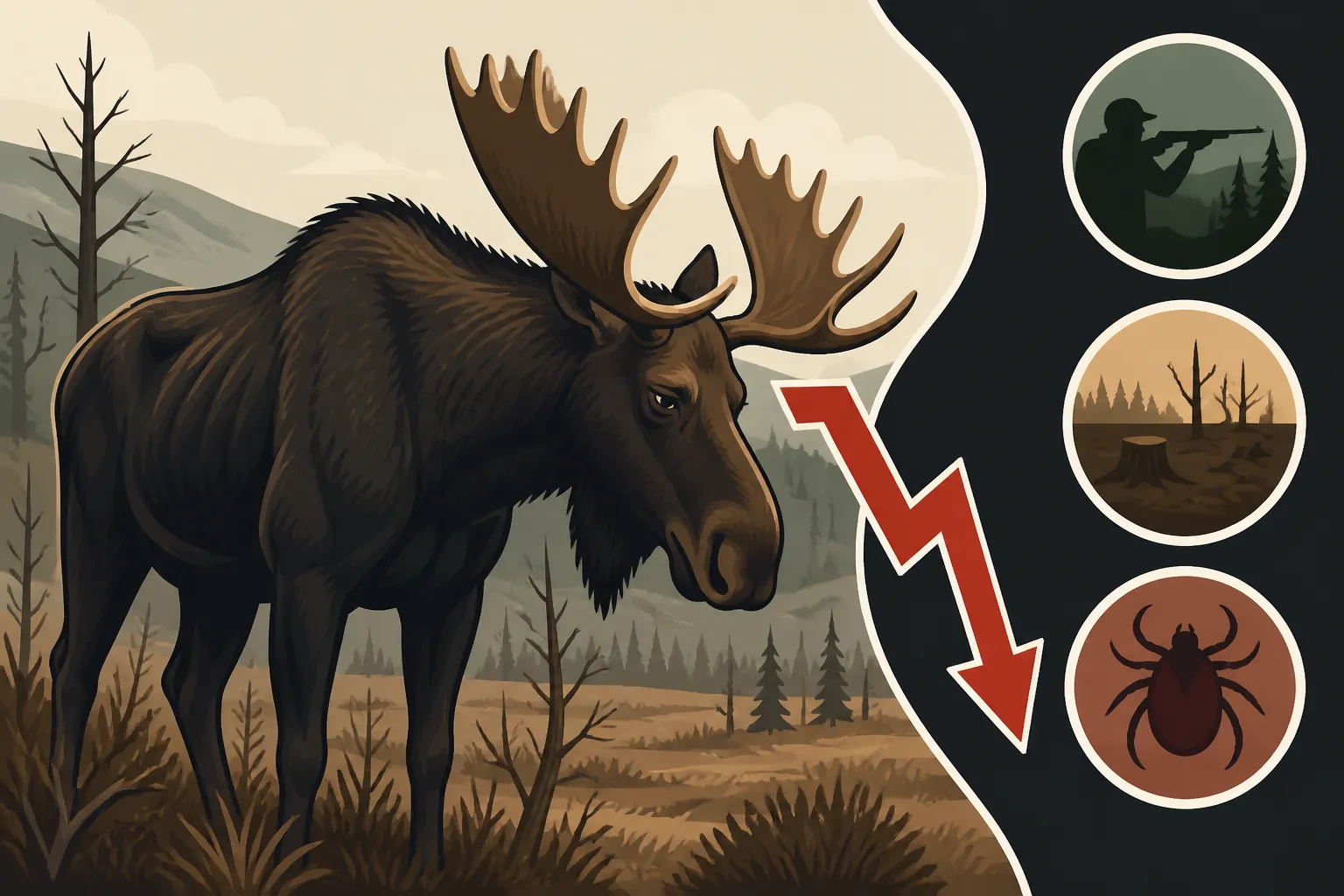
The story of the Duck Mountain moose decline isn't a single villain, but rather a perfect storm of interconnected challenges that created a precarious situation for these large ungulates. It's a classic example of how even slight imbalances in an ecosystem can have profound effects on a keystone species.
Habitat Loss and Alteration
Moose are creatures of specific habitats. They thrive in areas with a mix of mature timber for cover, young regenerating forests for browse, and access to aquatic vegetation. The Duck Mountain region, while vast, has seen considerable changes to its landscape over decades.
Logging practices, while often managed, can alter the mosaic of forest types crucial for moose. Large clear-cuts, for instance, initially provide abundant young browse, but they can also remove critical thermal cover that moose rely on during harsh winters and hot summers. As these clear-cut areas mature, they can become less productive for moose if not managed with their specific needs in mind. Similarly, natural disturbances like wildfires, while beneficial in some contexts, can also temporarily or permanently alter vast tracts of prime moose range if they are too intense or widespread. When researching potential areas or tracking past observations, tools like GoHunt can sometimes give you a glimpse into historical data or mapping features that highlight changes in the landscape, providing valuable context to these habitat shifts.
Increased human activity, including the creation of roads and trails for various uses, also fragments habitat. This fragmentation can lead to increased stress for moose, pushing them into less optimal areas, and can inadvertently increase access for predators or poachers, even in areas that seem remote. Moose are animals that prefer solitude and minimal disturbance, and a changing habitat often means less of that peace.
Disease and Parasites
Perhaps one of the most insidious contributors to the decline has been the rise of disease and parasitic loads, primarily driven by a changing climate and interactions with other species.
Winter ticks (Dermacentor albipictus) are a significant threat. Warmer winters, with shorter periods of deep snow and later frosts, allow tick populations to explode. A single moose can carry tens of thousands of these ticks, leading to severe blood loss, hair loss (from rubbing to scratch), and extreme stress. This stress weakens the animal, making it more susceptible to other diseases, reducing its ability to escape predators, and making it less likely to survive the winter. Calves and yearlings are particularly vulnerable, meaning fewer young moose survive to breeding age, impacting the overall population recruitment. Understanding How Winter Ticks Affect Boreal Moose is crucial to grasping this complex issue.
Brainworm (Parelaphostrongylus tenuis), a parasite carried by white-tailed deer, also plays a critical role. Deer are largely unaffected by brainworm, but for moose, ingestion of the parasite (often while foraging on vegetation containing infected snails or slugs) can be fatal. The parasite migrates to the moose's brain and spinal cord, causing neurological damage, disorientation, and eventually death. As white-tailed deer populations expanded and moved deeper into traditional moose range, the incidence of brainworm in moose likely increased. This overlap in habitat, where deer numbers are high, puts moose at a severe disadvantage.
Predation Pressure
While a natural part of any ecosystem, predator populations can exacerbate a decline when other factors are already stressing prey animals. Wolves and bears are natural predators of moose.
When moose are already weakened by disease, poor nutrition due to habitat changes, or climate stress, they become easier targets for predators. A healthy moose can often outrun or fend off a wolf pack, but a moose suffering from severe tick infestations or the effects of brainworm is much more vulnerable. The balance between predator and prey is delicate; if the prey population is already struggling due to other stressors, normal levels of predation can become unsustainable.
The interplay of these factors creates a vicious cycle: compromised habitat leads to stressed moose, which are then more susceptible to parasites and disease, making them easier prey for wolves and bears. It's not a case of "too many wolves" in isolation, but rather the cumulative effect of all pressures on an already struggling moose herd. We often ask, Do Wolves Affect Manitoba Moose Numbers? and the answer is yes, especially when moose are already facing an uphill battle.
Climate Change Impacts
The broader issue of climate change subtly underpins many of these challenges. Warmer winters are not just about shorter cold spells; they mean less snow cover that historically helped moose escape predators and reduced tick survival rates. Earlier springs can throw off natural foraging cycles, and hotter summers can lead to heat stress for moose, which are adapted to cold environments.
Increased frequency of extreme weather events, like ice storms or prolonged droughts, can also impact forage availability or create difficult travel conditions, further stressing the population. The changing climate interacts with every other factor, making recovery efforts even more complex.
Conservation and Recovery Efforts: A Glimmer of Hope
Recognizing the severity of the decline, Manitoba has taken significant steps to address the issue in Duck Mountain and other affected areas. These efforts aim to stabilize the population and, hopefully, facilitate a slow but steady recovery.
Season Closures and Hunting Restrictions
One of the most immediate and impactful actions taken was the implementation of strict hunting restrictions, including Manitoba's Moose Conservation Closures in areas like Duck Mountain. For many years, hunting seasons for moose in these critical areas were either significantly curtailed or closed entirely. This was a tough pill for many hunters to swallow, as it meant giving up a cherished tradition, but it was a necessary step to remove human-caused mortality from an already fragile population.
These closures weren't just about stopping harvest; they were about giving the remaining moose a chance to reproduce and for the population to rebuild without additional pressure. Before heading out, I always recommend checking resources like the GoHunt app for up-to-date GHA boundaries and any specific restrictions that might be in place for moose in particular zones. Understanding When Manitoba's Moose Season Runs is vital for responsible hunting.
Habitat Management and Research
Beyond hunting restrictions, there's a strong focus on understanding and improving moose habitat. This involves:
- Targeted Logging Practices: Working with forestry companies to encourage practices that create and maintain optimal moose habitat, such as encouraging mixed-age forests, leaving adequate thermal cover, and promoting diverse browse species.
- Controlled Burns: In some areas, controlled burns can be used to regenerate forest growth, creating the young, nutritious forage that moose prefer.
- Monitoring and Research: Ongoing aerial surveys are conducted to track moose numbers and distribution. Researchers also study factors like tick loads, disease prevalence, and predator-prey dynamics to better understand the health of the herd and identify effective management strategies. This includes looking into What Moose Eat Through the Year to ensure their dietary needs are met within managed habitats.
Shared Management Initiatives
Manitoba has also moved towards a model of shared management, particularly involving Indigenous communities who have deep traditional knowledge of moose and the land. This collaborative approach recognizes the importance of Indigenous perspectives and practices in conservation efforts. Initiatives under How Shared Management Changed Moose Seasons are vital for long-term success, ensuring that management plans are holistic and culturally sensitive.
Summary of Decline Factors and Management Responses
| Factor | Impact on Moose Population | Management/Conservation Response |
|---|---|---|
| Habitat Loss | Reduced food, cover, and increased stress from fragmentation. | Targeted forestry, controlled burns, land-use planning, improving riparian areas for Hunting Moose Around Manitoba Beaver Ponds. |
| Winter Ticks | Severe blood loss, hair loss, stress, increased vulnerability to other threats. | Research into tick cycles and environmental factors, habitat creation to reduce exposure. |
| Brainworm | Neurological damage, disorientation, death, linked to increased deer populations. | Monitoring deer populations, habitat separation strategies where feasible. |
| Predation | Increased mortality, especially for weakened or young moose. | Indirectly managed through improving moose health and habitat; no direct predator control programs. |
| Climate Change | Warmer winters, heat stress, extended tick seasons, altered forage. | Long-term strategies focused on climate resilience in habitat and population management. |
| Hunting Pressure | Direct mortality exacerbating decline when populations are low. | Extensive season closures and restrictions for extended periods. |
What This Means for Hunters and the Future of Duck Mountain Moose
For those of us who cherish the tradition of hunting in Manitoba, the moose situation in Duck Mountain has been a tough lesson in ecological resilience and the long road to recovery. While the closures were hard, they were a testament to the commitment to preserving this species for future generations.
You might be asking, when will we see the moose numbers return to what they once were? The honest answer is: slowly. Recoveries of large ungulate populations are not quick processes. It takes years, even decades, for significant numbers to rebuild, especially when facing multiple, complex environmental stressors. However, there are signs of hope in some areas, with Where Manitoba's Moose Are Recovering showing that with dedicated efforts, populations can rebound.
For now, the focus remains on conservation. Hunters can play a vital role by respecting all regulations, reporting any suspected poaching, and supporting conservation efforts. Before you head out, carefully check the specific GHA regulations, as conditions and opportunities can change. Understanding preferred moose habitat is crucial, and mapping tools, including those found on platforms like GoHunt, can help identify key areas where moose are still present or where recovery might be taking hold. While the focus is on recovery, the careful management of other species, often aided by scouting and planning tools like GoHunt, is part of the larger ecological picture.
The Duck Mountain moose population serves as a powerful reminder that our wild places are dynamic and require constant vigilance and adaptive management. The goal isn't just to hunt moose, but to ensure healthy, thriving ecosystems where these magnificent animals can prosper for years to come.
Disclaimer
This article is for general informational purposes only and does not constitute professional advice. Laws, prices and regulations vary by location and change over time. Consult a qualified professional for guidance on your specific situation.