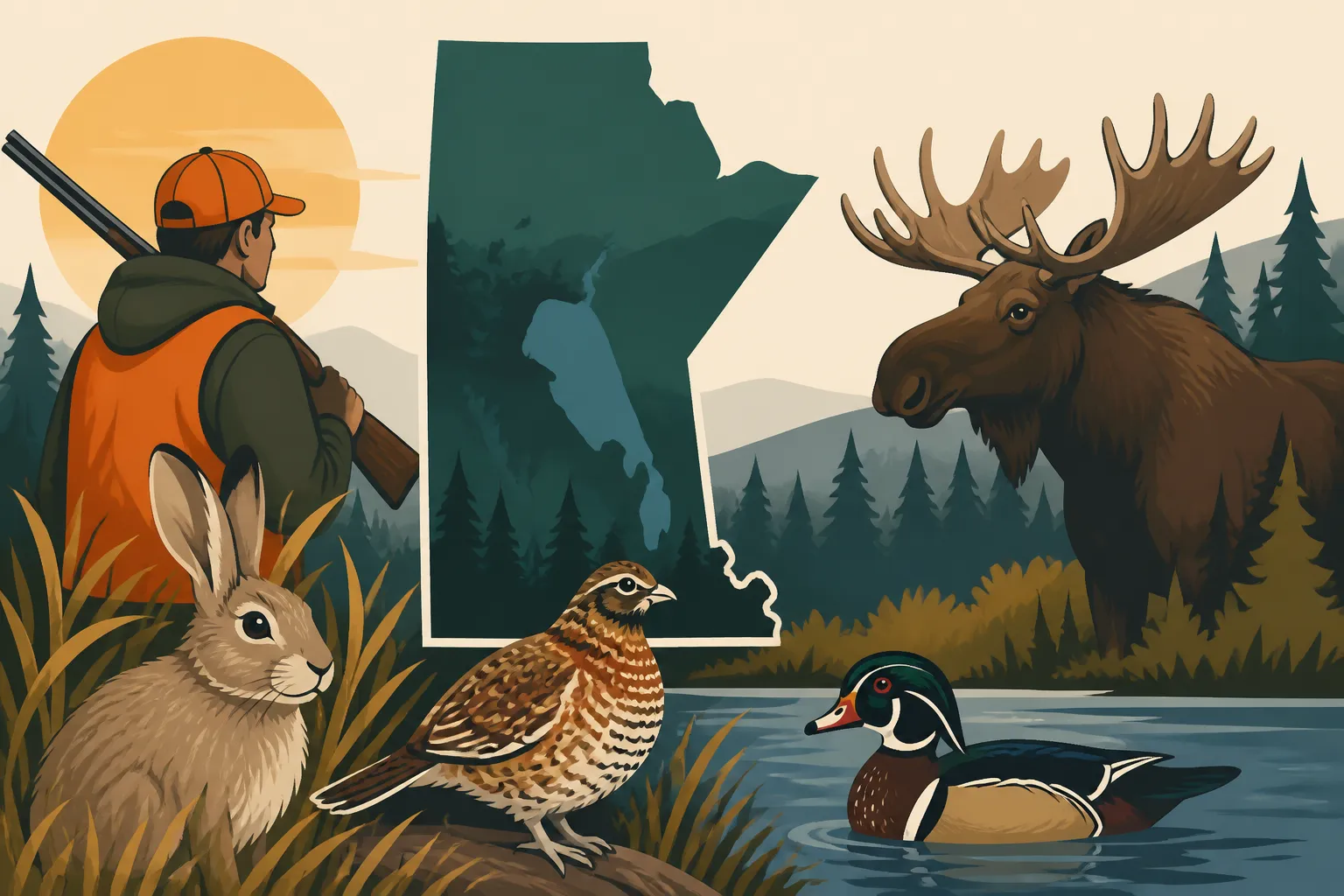
Small Game and Northern Species in Manitoba
Manitoba is often celebrated for its incredible big game hunting – the colossal whitetails, majestic moose, and formidable black bears certainly command attention. But for many of us who love to be afield, there's a quieter, often more accessible, and equally rewarding world of small game and northern species waiting to be explored. It's easy to overlook these opportunities, but you'd be missing out on some truly authentic outdoor experiences. This comprehensive guide will pull back the curtain on the diverse array of smaller animals and northern inhabitants that call Manitoba home, offering insights into their habitats, hunting strategies, and the unique challenges and joys they present to the dedicated hunter.
Beyond the Big Game Thrill: Understanding Small Game in Manitoba
While the roar of a bull moose or the sight of a massive whitetail buck certainly stirs the soul, there's a distinct charm and consistent action to be found when pursuing small game. These species offer fantastic opportunities for new hunters to learn the ropes, for seasoned veterans to stay sharp, and for anyone to enjoy more time in the rich Manitoba landscape. The physical demands can be lighter, the equipment often simpler, and the seasons longer, making small game a staple for many dedicated outdoorsmen and women.
The Ubiquitous Snowshoe Hare and Its Cycles
The snowshoe hare, known affectionately as "bush rabbits" by many, is a cornerstone of the boreal ecosystem and a fantastic small game animal to pursue. These agile creatures are incredibly well-adapted to Manitoba's northern forests and thick bush, changing their coat from brown in summer to pure white in winter, offering excellent camouflage in the snow. Their populations cycle dramatically, often peaking every 7-10 years, leading to periods where the bush seems alive with them, followed by years of scarcity.
Hunting snowshoe hare is often a delightful winter pursuit, offering a chance to stretch your legs and enjoy the stillness of a snowy forest. You can pursue them simply by walking through thick cover like willow swamps, dense spruce stands, or overgrown cutlines, keeping an eye out for their distinctive tracks or the hares themselves exploding from cover. A .22 rifle or even a small gauge shotgun is perfect for hare hunting. For an added challenge and a truly classic experience, some hunters enjoy using beagles or other rabbit dogs, which add an exciting dimension to the chase. Their meat is lean and delicious, making a fantastic addition to any hunter's table, whether for stews, pan-frying, or even gourmet rabbit pies. It’s a great way to put some wild protein in the freezer without the intensity of a big game hunt, and the abundance during peak cycles makes it a wonderfully accessible species.
Red and Arctic Fox Opportunities
Manitoba is home to both red and Arctic foxes, offering distinct hunting and trapping opportunities depending on your location and preferences. The red fox is much more widespread, found throughout the agricultural lands, parkland, and southern boreal forest. They are opportunistic predators, often seen darting across fields or along treelines, always on the lookout for small rodents, birds, or carrion. Their cunning nature makes them a challenging quarry for hunters, particularly those who enjoy predator calling.
Hunting red fox often involves setting up in an elevated position or concealed blind overlooking open country, then using electronic or mouth calls to mimic distress sounds of a rabbit or rodent. Success hinges on patience, proper wind direction, and a good understanding of their wary nature. Their beautiful fur is highly prized, especially during the colder months when it's at its thickest and most vibrant. Arctic foxes, on the other hand, are strictly northern residents, found only in the tundra and sub-tundra regions of Manitoba. These hardy creatures are smaller than their red counterparts and are famed for their incredibly dense, pure white winter coats, which provide unparalleled insulation in extreme cold. Hunting Arctic fox is typically part of a larger northern expedition, often combined with a caribou hunt or pursued by trappers who brave the remote, icy landscapes. While less common for recreational hunting, the presence of both species adds another layer to Manitoba's diverse wildlife tapestry, especially for those interested in furbearers and predator management.
Coyotes Across the Farmland Belt
Coyotes have become an increasingly prominent presence across Manitoba's farmland and aspen parkland regions. These adaptable canids thrive in areas with a mix of open fields, brush, and treelines, where they can effectively hunt deer fawns, rabbits, rodents, and even agricultural pests. Their population has steadily grown over the years, and they are now a common sight, often heard howling on quiet country nights. For many landowners and hunters, coyotes represent a management challenge dueating their impact on deer and other game species.
Hunting coyotes in Manitoba can be incredibly exciting and challenging, often requiring a blend of stealth, calling skill, and patience. Many hunters engage in calling coyotes, using distress calls to lure them into shooting range, particularly in the early morning or late evening. This often involves scouting fields for sign, setting up in a concealed position with good visibility, and understanding how these intelligent predators approach a call. Winter hunting over bait sites, often consisting of deer carcasses or other large animals, is another popular and effective method. This can be a very social hunt, often done with friends, and provides a great way to stay active during the colder months when big game seasons are closed. For those interested in year-round opportunities and contributing to game management, understanding Coyote Hunting Rules Year-Round is essential. The challenge of outsmarting a cunning coyote, combined with the satisfaction of a successful call-in, makes them a compelling target for many Manitoba hunters.
Furbearers of the Forest and Wetland: Trapping and Hunting Opportunities
Manitoba's rich and varied landscapes, from the sprawling boreal forest to the vast network of wetlands, support a healthy population of furbearing animals. While trapping is the primary method for harvesting many of these species, some also offer hunting opportunities, providing both economic and recreational value. Understanding these animals and their role in the ecosystem is crucial for sustainable management.
Beavers and Muskrats in Manitoba's Waterways
Beavers and muskrats are synonymous with Manitoba's countless lakes, rivers, and wetlands. These industrious rodents are master engineers, with beavers in particular known for their dam-building prowess that profoundly alters wetland ecosystems, creating vital habitat for numerous other species. Muskrats, smaller cousins to the beaver, are also widespread and thrive in marshes, sloughs, and slow-moving waterways. Their populations are generally robust, and they represent significant furbearer resources.
Trapping beaver and muskrat has a long and storied history in Manitoba, dating back to the fur trade that shaped much of North American exploration. Modern trapping continues to be an important part of wildlife management, helping to control populations and prevent excessive habitat damage, particularly from beaver activity. For hunters, beaver are sometimes pursued incidentally, or specifically by those looking to control nuisance animals or seeking their rich, fatty meat, which is surprisingly delicious when properly prepared. Muskrats are primarily trapped, offering a steady income for many trappers and their fur is often used for hats, coats, and trim. Understanding their aquatic habitats, identifying their lodges and dams, and employing appropriate trapping or hunting techniques are key to success with these wetland inhabitants.
Marten and Fisher in the Boreal Woods
Deep within Manitoba's boreal forest, two elusive and highly sought-after furbearers roam: the American marten and the fisher. Both are members of the weasel family, characterized by their slender bodies, short legs, and incredibly dense, luxurious fur. Martens are smaller and typically found in mature coniferous and mixedwood forests, preferring old-growth stands where they can pursue their prey of small rodents, birds, and insects. Fishers, larger and more robust, are known for their fierce predatory nature, including their ability to hunt porcupines, making them a formidable presence in the forest.
These animals are primarily managed through regulated trapping seasons, which are crucial for maintaining healthy populations and ensuring sustainable harvest. Catching a marten or fisher is a badge of honour for many trappers due to their cunning and the remote, often challenging terrain they inhabit. Hunters rarely pursue them due to their elusive nature and the primary value being their fur, but understanding their presence is part of appreciating the boreal ecosystem. For those interested in learning more about the broader world of furbearers, delving into Trapping Prairie and Boreal Furbearers can provide valuable insights into the techniques and responsibilities involved in harvesting these fascinating creatures. Their presence is a strong indicator of a healthy, intact boreal forest ecosystem, a testament to Manitoba's wild heart.
The Elusive Lynx and Wolverine
Among Manitoba's most iconic and elusive furbearers are the Canada lynx and the wolverine. These creatures embody the wild, untamed spirit of the northern wilderness, each with its own unique characteristics and challenges. The Canada lynx, with its distinctive tufted ears, large paws (perfect for snow travel), and short, bobbed tail, is a master of camouflage in the deep snows of the boreal forest. Its population cycles are famously tied to those of the snowshoe hare, its primary prey, with lynx numbers rising and falling in direct response to hare availability.
Wolverines, on the other hand, are the epitome of resilience and raw power. Stocky, muscular, and incredibly tenacious, these largest members of the weasel family are true wilderness animals, found in the northern reaches of Manitoba's boreal forest and into the tundra transition zone. They are known for their incredible strength, keen sense of smell, and ability to scavenge or predate on almost anything, thriving in harsh environments. Both lynx and wolverine are highly respected by trappers and wilderness enthusiasts. Lynx are a prized furbearer, managed through tightly regulated trapping seasons that account for their population fluctuations. Wolverines, however, are much rarer and typically protected in many areas, with very limited or no recreational harvest opportunities in Manitoba due to their relatively low population densities and large home ranges. Encountering either a lynx or a wolverine in the wild is a rare and unforgettable experience, a true privilege that speaks to the untouched nature of Manitoba's northern landscapes.
Predators of the North: Wolves and Their Role
The haunting howl of a wolf echoing through Manitoba's northern forests is a sound that instantly transports you to the raw, untamed wilderness. Wolves are apex predators, playing a vital role in maintaining the health and balance of the ecosystems they inhabit. Their presence is a sign of a robust and wild environment, and understanding their behaviour and population dynamics is key for any hunter venturing into their domain.
Wolf Pack Dynamics in the Boreal Forest
Wolves in Manitoba's boreal forest are social animals, living and hunting in highly organized packs. These packs typically consist of a breeding pair, their offspring from previous years, and occasionally other unrelated individuals. The size of a pack can vary significantly, from just a few individuals to more than a dozen, depending on prey availability and territory size. These intelligent canids communicate through a complex system of howls, growls, barks, and body language, which allows them to coordinate hunts, defend territory, and maintain social bonds.
Their primary prey in the north includes moose, caribou, and deer, but they are opportunistic and will also hunt smaller animals like beaver and snowshoe hare. The success of a wolf hunt often depends on the pack's ability to locate and isolate vulnerable prey, such as the old, young, or sick. For hunters, encountering a wolf pack or even fresh wolf sign (tracks, scat, kills) adds an undeniable layer of wildness to any northern trip. Successfully Hunting Wolves in Manitoba's North requires an understanding of their travel patterns, often along frozen lakes, rivers, and logging roads, and a keen eye for tracks. Their impact on prey populations is a constant topic of discussion among wildlife managers and hunters, highlighting their critical role in shaping the boreal ecosystem.
Hunting Wolves in Manitoba's North
Hunting wolves in Manitoba's North is not for the faint of heart; it's a true wilderness experience that tests a hunter's endurance, patience, and woodcraft. Access to prime wolf country is often remote, requiring significant planning and resources, with many hunts involving fly-in camps or extensive travel by snowmobile in winter. The vastness of the northern landscape means that finding wolves can be a challenge, and their innate wariness makes them incredibly difficult to approach.
Many successful wolf hunts occur during the winter months, when wolves are most active, and their tracks are easily visible in the snow. Hunters often use methods like calling, either mimicking a distress call or a challenge howl, or hunting over bait sites, which can attract wolves from a wide area. Some hunters choose to combine a wolf hunt with other northern species, such as a Barren-Ground Caribou Hunting in Northern Manitoba trip, maximizing their time in remote country. The physical demands of traversing deep snow, combined with the extreme cold, require specialized gear and a high level of preparedness. The reward, however, is immense: a truly wild trophy and the satisfaction of outsmarting one of North America's most intelligent predators. For specific regulations and season dates, consulting the Wolf Season Dates and Limits is crucial before planning such an adventure.
Birds of a Different Feather: Upland and Migratory Small Game
Beyond the big game and furbearers, Manitoba's diverse habitats support an array of upland birds and migratory small game that offer exciting hunting opportunities. These birds provide fast-paced action, delicious table fare, and a wonderful excuse to explore different corners of the province, from the far northern tundra to the rolling prairie grasslands.
Ptarmigan Hunting in the Far North
Imagine hunting in a landscape where the trees thin out, the ground is covered in lichen and rock, and the air is crisp and clean – this is the realm of ptarmigan in Manitoba's Far North. The willow ptarmigan and rock ptarmigan are truly northern species, perfectly adapted to the tundra and sub-tundra environments. These hardy birds are famous for their seasonal camouflage, turning from mottled brown in summer to brilliant white in winter, allowing them to blend seamlessly with the snowy landscape.
Ptarmigan Hunting in the Far North is an adventure in itself, often requiring remote access, sometimes by float plane to an outpost camp, or extensive travel by ATV or snowmobile. The hunting typically involves walking vast expanses of tundra, often with a good bird dog, searching for coveys of these hardy birds. Their flight is strong and direct, providing challenging shots for shotgunners. The sheer remoteness and wild beauty of the landscape are as much a part of the experience as the hunting itself. It's a truly unique opportunity to experience Manitoba's extreme northern wilderness and harvest a bird that few hunters ever pursue. For those making the journey, be sure to check the Ptarmigan Season in the Far North for current regulations.
Ruffed and Spruce Grouse in the Bush
For many Manitoba hunters, especially those who grew up exploring the provincial forests and bush country, ruffed grouse and spruce grouse are beloved small game targets. The ruffed grouse, often called "partridge" locally, is a widespread resident of mixedwood and deciduous forests. They are famous for their explosive flush, bursting from cover with a thunderous wing beat that can startle even the most seasoned hunter. Spruce grouse, on the other hand, are often found in dense coniferous stands, particularly black spruce and jack pine, and are notoriously "tame," sometimes allowing a hunter to approach quite closely before flushing or simply observing from a branch.
Hunting both species often involves walking old logging roads, ATV trails, or through brushy clearcuts. A good flushing dog can enhance the experience immensely, helping to locate birds and retrieve them from thick cover. For the solo hunter, it's about paying attention to habitat—dense regenerating forests for ruffs, and deep evergreens for spruce. A small gauge shotgun, like a .20 gauge or .410, is ideal, though many hunters enjoy the challenge of hunting them with a .22 rifle or even a bow. The meat of both species is delicious, perfect for a quick camp meal or a more elaborate dinner. Exploring Ruffed Grouse Hunting Manitoba's Bush Trails is a fantastic way to spend a fall day, whether you're bagging birds for the table or simply enjoying the crisp air and vibrant autumn colours.
Sharp-Tailed Grouse and Hungarian Partridge on the Prairie
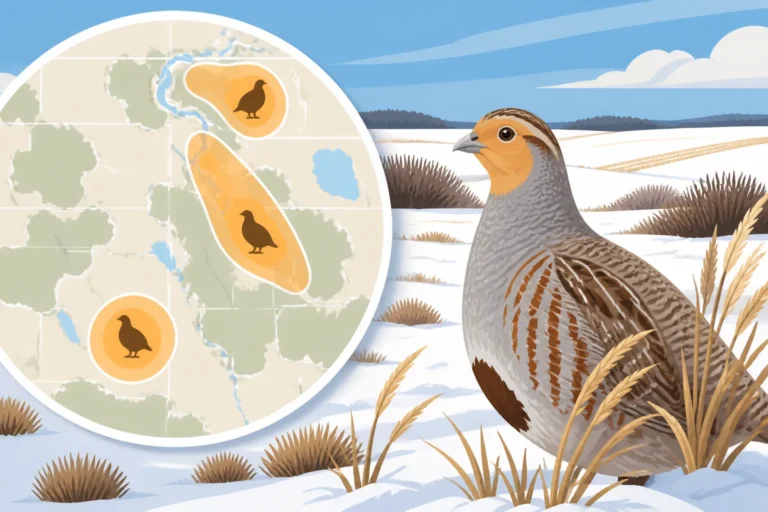
Out on Manitoba's rolling prairies and agricultural lands, two other fantastic upland bird species offer abundant hunting: the sharp-tailed grouse and the Hungarian partridge. Sharp-tailed grouse, often referred to as "sharptails," are true prairie birds, preferring native grasslands, agricultural stubble, and brushy edges. They are gregarious birds, often found in coveys, and when flushed, they fly strong and fast across the open landscape, offering challenging wing shooting. Their distinctive pointed tail feathers give them their name, and their springtime "dancing grounds" (leks) are a natural spectacle.
Hungarian partridge, or "Huns" as they're commonly called, are smaller, fast-flying birds introduced from Europe that have thrived in Manitoba's agricultural mosaic. They prefer grain fields, stubble, and shelterbelts, often holding tight until almost stepped on before erupting in a blur of wings. Hunting both species often involves covering a lot of ground, either walking shelterbelts and field edges or working stubble fields with a good pointing dog. These hunts are classic prairie experiences, often done with a group of friends, enjoying the vast open skies and the camaraderie of the field. Checking the Sharp-Tailed Grouse Season and Limits and Hunting Hungarian Partridge on Manitoba Farms will give you a good idea of when and where to find these exciting birds. Both sharptails and Huns provide excellent table fare and are a cherished tradition for many prairie hunters.
| Species | Primary Habitat | Typical Hunting Method | Season Length | Access Notes |
|---|---|---|---|---|
| Snowshoe Hare | Boreal forest, thick bush | Walking, dogs, .22 rifle | Long (fall/winter) | Widespread, Crown land |
| Red Fox | Farmland, parkland, bush | Calling, baiting, incidental | Year-round (trapping) | Private land (permission), Crown |
| Coyote | Farmland, parkland, bush | Calling, baiting, incidental | Year-round | Private land (permission), Crown |
| Beaver | Wetlands, rivers, lakes | Trapping, incidental hunting | Fall/Winter | Water access, Crown land |
| Muskrat | Marshes, sloughs | Trapping | Fall/Winter | Water access, Crown land |
| Marten/Fisher | Boreal forest | Trapping | Fall/Winter | Remote, Crown land |
| Wolf | Northern Boreal, Tundra | Calling, baiting, remote | Fall/Winter | Remote, Crown land |
| Ptarmigan | Far North Tundra | Walking with dogs, remote | Fall/Winter | Very remote, fly-in |
| Ruffed Grouse | Mixedwood, deciduous bush | Walking, dogs, roads | Long (fall) | Widespread, Crown land |
| Spruce Grouse | Coniferous forest | Walking, roads | Long (fall) | Boreal forest, Crown land |
| Sharp-Tailed Grouse | Grasslands, stubble | Walking with dogs, fields | Fall | Private land (permission), Crown |
| Hungarian Partridge | Farmland, shelterbelts | Walking with dogs, fields | Fall | Private land (permission) |
Unique Northern Challenges and Rewards
Hunting small game and northern species in Manitoba, especially in its more remote regions, presents a unique set of challenges that truly test a hunter's mettle. However, overcoming these obstacles also brings with it immense rewards – not just in terms of harvested game, but in unforgettable experiences, stunning scenery, and a profound connection to the wilderness. It's a different kind of hunting, one that demands more than just marksmanship.
Navigating Remote Access and Logistics
The true allure of many northern Manitoba hunts lies in their remoteness. Whether you're chasing ptarmigan above the tree line or tracking wolves deep in the boreal, getting there is often half the adventure. This isn't your typical drive-up-to-the-field hunt; it often involves intricate logistics and a significant investment in time and planning. For some northern species, especially caribou or ptarmigan, access often means flying into a remote outpost camp on a float plane or wheel plane. These Flying North for Manitoba Caribou type trips require careful weight management for gear, strict adherence to flight schedules, and a robust budget.
During the winter months, when the ground is frozen solid, access can sometimes be gained via winter roads that are only open for a short period, or by extensive snowmobile travel over frozen lakes and through snow-covered trails. This requires specialized equipment, knowledge of ice conditions, and serious backcountry navigation skills. For those who choose to venture deep into the bush on their own, understanding Winter Truck Kit for a Manitoba Hunt essentials and planning for contingencies like getting stuck or facing unexpected weather is paramount. This level of planning can feel daunting at first, but it's what makes these northern hunts so incredibly rewarding – you truly earn every moment in the wild.
Essential Gear for Northern Small Game Hunts
When you're heading into Manitoba's north, especially for small game or furbearers, your gear choices become absolutely critical. The elements can be unforgiving, and being unprepared is not just uncomfortable, it can be dangerous. Think layers, and think quality. Good thermal base layers, insulating mid-layers, and a robust outer shell that is both windproof and water-resistant are non-negotiable. For footwear, insulated, waterproof boots that can handle deep snow and cold temperatures are essential, particularly if you're sitting still for long periods or covering many miles on foot. Don't forget multiple pairs of warm socks!
Navigation is another key component. While a traditional map and compass are always good to have, a reliable GPS unit or a robust hunting app on your phone, like GoHunt, can be a lifesaver. GoHunt allows you to download offline maps, mark waypoints, and track your route, which is invaluable when you're far from any established trails or cell service. Beyond clothing and navigation, consider survival essentials: a first-aid kit, fire-starting materials, emergency shelter, sufficient food and water, and a satellite communication device (like a Garmin inReach or Zoleo) for emergencies. For firearms, a lightweight, accurate .22 rifle or a versatile shotgun for upland birds are common choices. Being properly equipped not only ensures your safety and comfort but also allows you to focus on the hunt itself, maximizing your chances of success.
The Thrill of the Northern Combination Hunt
One of the most appealing aspects of hunting northern Manitoba species is the opportunity for combination hunts. Instead of focusing solely on one animal, many hunters leverage the logistical effort and expense of getting into remote areas by pursuing multiple species during a single trip. This can drastically increase the value and excitement of your adventure, offering a wider array of experiences and more opportunities to connect with nature.
Imagine, for instance, a trip specifically planned for Barren-Ground Caribou Hunting in Northern Manitoba. While you're there, you might also have the chance to add a wolf tag to your license, offering the thrilling possibility of encountering one of these magnificent predators. Or perhaps you're primarily after ptarmigan, but while traversing the tundra, you spot fresh wolverine tracks, or come across a red fox. These incidental opportunities make every moment afield exciting, as you never know what you might encounter. It's about being prepared with the right tags, understanding the regulations for multiple species, and carrying versatile firearms or being open to using different methods. These combination hunts offer a deeper immersion into the northern ecosystem, allowing you to appreciate the interconnectedness of its various inhabitants and creating a truly comprehensive wilderness experience that few single-species hunts can match.
Conservation and Sustainable Practices for Small Game
As hunters, we are not just consumers of wildlife; we are its most dedicated conservationists. This principle holds true for small game and northern species just as much as for big game. Ensuring the health and abundance of these populations for future generations is a shared responsibility, requiring an understanding of ecological principles, adherence to regulations, and active participation in management efforts.
Understanding Population Cycles and Limits
Many small game and furbearer populations, such as snowshoe hare and lynx, experience natural, sometimes dramatic, population cycles. These boom-and-bust periods are a normal part of the ecosystem and are driven by factors like food availability, predator-prey dynamics, and disease. For hunters and trappers, understanding these cycles is crucial. During years of high populations, harvest opportunities might be more abundant, while in lean years, restraint and reduced pressure become more important.
Manitoba's wildlife managers set season dates and bag limits based on scientific data, population surveys, and long-term conservation goals. These regulations are designed to ensure that harvest levels are sustainable, allowing populations to rebound and thrive. It's our responsibility as ethical hunters to understand and strictly adhere to these limits. For instance, knowing the Sharp-Tailed Grouse Season and Limits for your specific Game Hunting Area (GHA) is not just about legality, it's about contributing to the long-term health of that local population. By respecting these limits and observing fluctuations in game numbers, we become active participants in the conservation process, safeguarding these resources for everyone.
Respecting the Resource and Habitat
Beyond simply following regulations, sustainable hunting for small game and northern species also involves a broader philosophy of respect for the resource and its habitat. This means practicing ethical hunting techniques, ensuring clean kills, and utilizing as much of the harvested animal as possible. For furbearers, this often means careful skinning and preparation to ensure the fur's quality. For game birds and small mammals, it means taking care to process and consume the meat.
Respecting habitat is equally vital. This includes minimizing your footprint in the wilderness – packing out all your trash, avoiding unnecessary damage to vegetation, and being mindful of sensitive areas. In northern regions, where ecosystems can be fragile, leaving no trace is more than a good idea; it's a necessity. It also means recognizing the broader impacts of our actions. Habitat loss and fragmentation are significant threats to many species, and supporting conservation organizations that work to protect and restore critical habitats, such as Ducks Unlimited Canada or the Manitoba Wildlife Federation, is a tangible way to give back. By acting as stewards of the land, we ensure that the wild places and the animals within them remain vibrant for future generations to enjoy.
Reporting and Participation in Management Efforts
Active participation in wildlife management efforts is a cornerstone of responsible hunting. This often begins with accurate reporting of your harvest. Many provinces require hunters to report their kills, and this data is invaluable for wildlife biologists who use it to monitor population trends, assess harvest impacts, and make informed decisions about future seasons and limits. Whether it's submitting a CWD sample from a deer taken in a designated area or reporting your migratory bird harvest, these small actions contribute significantly to the larger picture of wildlife conservation.
Furthermore, getting involved with local hunting and conservation groups can provide a platform for your voice to be heard and your efforts to make a tangible difference. Organizations like the Manitoba Wildlife Federation play a crucial role in advocating for hunters' rights, educating the public, and undertaking habitat improvement projects. Participating in volunteer clean-ups, attending public consultations, or even just discussing sustainable practices with fellow hunters helps foster a culture of responsibility. Informed hunters are better conservationists, and by staying current with issues like CWD and habitat initiatives, we can all contribute to the healthy future of Manitoba's diverse small game and northern species.
Planning Your Small Game and Northern Species Adventure
Embarking on a small game or northern species hunt in Manitoba requires careful planning and preparation. Unlike some more casual hunting trips, these adventures often demand attention to detail regarding regulations, access, and potentially engaging professional assistance. Thinking through these steps will ensure a smoother, safer, and more successful experience.
Licence Requirements and Regulations
The first and arguably most critical step in planning any hunt in Manitoba is understanding and acquiring the correct licences and permits. The province has specific regulations for different species, and these can vary based on location (Game Hunting Area or GHA) and time of year. For many small game species, a general resident hunting licence will cover you, but there are nuances. For instance, migratory birds like ptarmigan require a federal Migratory Game Bird Hunting Permit in addition to your provincial license, as well as a Canadian Wildlife Habitat Conservation Stamp.
It's also essential to be aware of specific bag limits, possession limits, and season dates for each species you intend to pursue. These can change annually, so always consult the latest Manitoba Hunting Guide (available online or from retailers) before you head afield. For comprehensive details on overall costs and options, checking out Manitoba Hunting Licences and What They Cost is a good starting point. Don't forget any necessary tags for specific furbearers if you plan to trap or hunt them. Ignorance of the law is never an excuse, and game wardens are diligent in upholding regulations to protect wildlife.
Finding the Right Hunting Grounds
Once you have your licences sorted, the next challenge is finding where to hunt. Manitoba offers a wealth of public land opportunities for small game and northern species, particularly within its extensive provincial forests, Crown lands, and Wildlife Management Areas (WMAs). Understanding Manitoba's Crown Land Access is key here, as these vast tracts of land are open to public hunting, subject to specific regulations. Using mapping resources, like those offered by GoHunt or Manitoba's government mapping portal, can help you identify Crown land boundaries and terrain features like cutlines, swamps, and ridges that hold game.
For species like sharp-tailed grouse or Hungarian partridge, which thrive in agricultural areas, securing permission from private landowners is often necessary. This involves courteous door-knocking, respecting property rights, and building relationships with local farmers. Wildlife Management Areas are also excellent options, specifically designated for wildlife habitat and public recreation, but it's crucial to be aware of any special rules or restrictions that might apply within a WMA. Scouting beforehand, whether virtually with maps or physically by driving roads and walking trails, will significantly increase your chances of finding productive hunting grounds.
Engaging with Outfitters and Guides
While many small game hunts can be successfully undertaken independently, especially for local species like grouse or hare, pursuing some of Manitoba's more remote northern species, or tackling challenging predators like wolves, can greatly benefit from the expertise of an experienced outfitter or guide. For hunters travelling from afar, or those venturing into truly remote fly-in locations for species like ptarmigan or caribou, a guide provides invaluable logistical support, local knowledge, and safety.
A good guide can help navigate unfamiliar terrain, set up effective calling or baiting strategies, and ensure you're hunting in compliance with all regulations. They can also provide specialized equipment, arrange transportation, and handle camp logistics, allowing you to focus entirely on the hunt itself. For non-resident hunters, certain species, like moose and caribou, require you to be accompanied by a licensed guide. While this article focuses on small game, understanding the overall picture of Hunting Guides and Outfitters in Manitoba can provide context if your small game pursuit takes you into more challenging, guided-required territory. Carefully vet any outfitter, check references, and ensure they are properly licensed to ensure a safe and ethical experience that makes the most of your northern Manitoba adventure.
Disclaimer
The information provided in this article is for general guidance only and is not a substitute for official regulations. Hunting laws and regulations in Manitoba are subject to change. Always consult the most current Manitoba Hunting Guide, issued by the provincial government, and verify all season dates, bag limits, and licensing requirements before engaging in any hunting activities. It is the individual hunter's responsibility to know and obey all applicable laws.