The Biggest Moose Ever Taken in Manitoba
Every moose hunter dreams of that one extraordinary bull – the kind that pushes the limits of what you thought was possible in the wild, leaving you with a story for a lifetime. Here in Manitoba, those dreams can become reality, as our vast boreal forests and rich habitat produce some truly impressive moose. This guide will take you through the incredible legacy of the largest moose ever recorded in our province, exploring what makes Manitoba a prime destination for these magnificent animals and how dedicated hunters pursue such a formidable prize.
The Legend of Manitoba's Record Moose
For many, the mention of "biggest moose" immediately brings to mind images of massive antlers and imposing stature. It's a natural reaction, as these animals are truly giants of the northern woods. In Manitoba, the pursuit of a record-book moose is more than just about a score; it's about the adventure, the challenge, and the respect for an animal that embodies the wild spirit of our province.
The Pursuit of a Provincial Record
The drive to pursue a record-setting animal is deeply ingrained in many hunters. It’s not just about ego; it’s about testing your skills, understanding the animal, and experiencing the wilderness at its most profound. Chasing a truly monumental moose in Manitoba is an endeavor that demands patience, resilience, and a deep appreciation for the landscape. You often hear stories of hunters who have spent years, sometimes decades, dedicated to understanding moose movements, their preferred habitats, and the subtle signs they leave behind. The provincial record isn't just a number; it's a testament to the hunter's dedication and the inherent wildness of our moose. It represents the pinnacle of a species' potential within a specific environment, a true "monarch of the north." When you're out there, glassing a distant cutline or listening for a grunt in the thick timber, that pursuit of the extraordinary is always in the back of your mind, pushing you to explore just a little further, to sit a little longer.
A Look Back at Manitoba's Top Moose
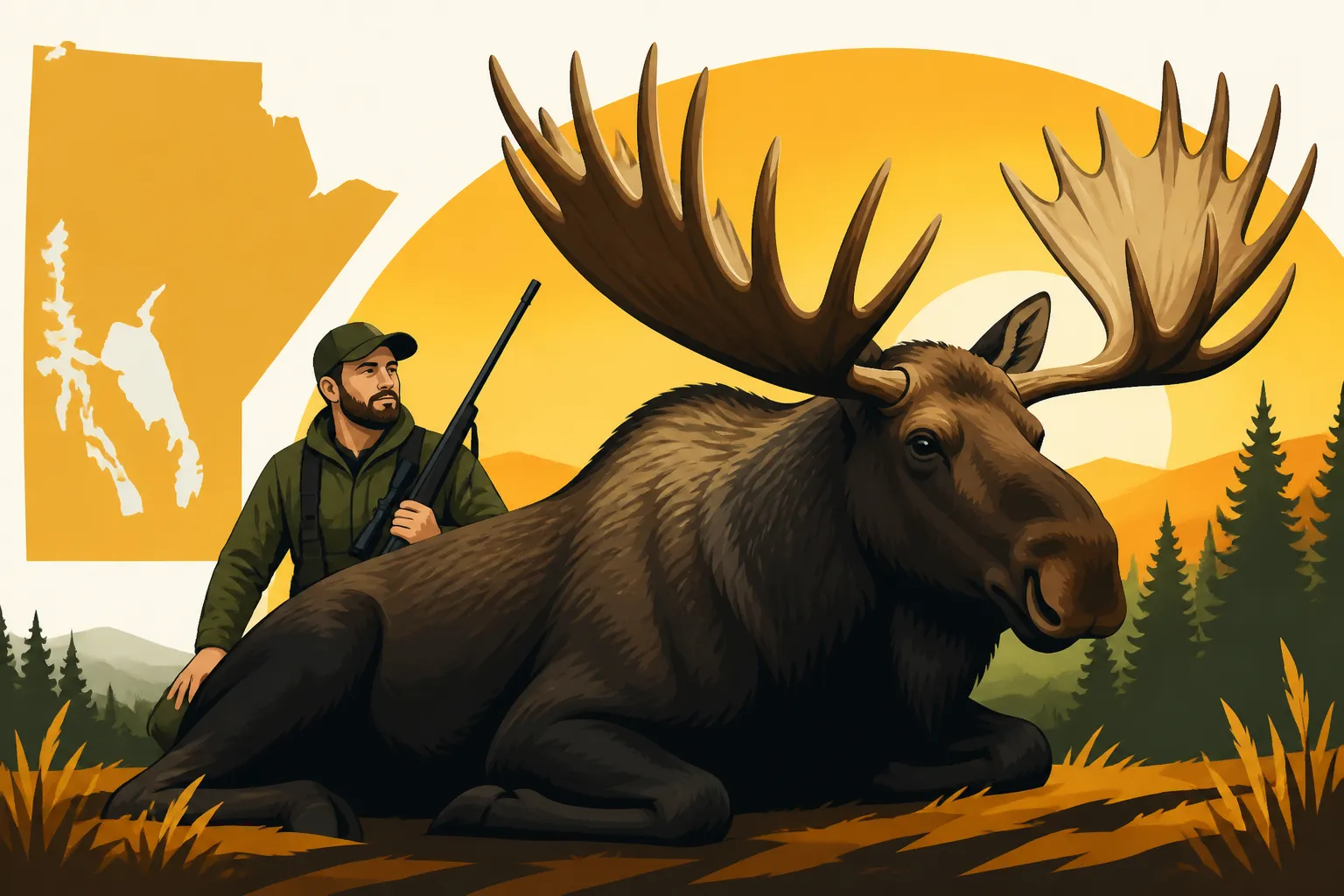
Manitoba has a proud history of producing world-class moose, particularly in the northern reaches of the province. While specific details of every top-scoring animal can vary over time and between record-keeping organizations, the common thread among our largest moose is their sheer size and impressive antler configurations. We're talking about spreads that can exceed sixty inches, palms that are wide and heavy, and a multitude of points that defy easy counting. These are the kinds of animals that, when seen in the flesh or even in a photograph, simply take your breath away. The typical record-holders are often characterized by their symmetrical, clean racks, demonstrating perfect genetic expression and optimal nutrition throughout their lives. Then you have the non-typical giants, whose antlers might sprout drop tines, extra points, or unique variations that make them incredibly distinctive and often even more massive in overall score. These incredible animals are a testament to the robust health and vitality of our moose populations in areas like the vast boreal forest. Their existence underscores the incredible potential for hunters willing to venture into the challenging but rewarding northern territories.
What Makes Manitoba a Prime Spot for Giant Moose
So, what is it about Manitoba that allows these magnificent creatures to grow to such prodigious sizes? It's a combination of diverse habitat, rich forage, and dedicated conservation efforts that create the perfect conditions for moose to thrive.
Habitat and Nutrition for Trophy Bulls
Manitoba's varied landscape plays a crucial role in supporting a healthy, vibrant moose population, including the trophy-sized bulls that hunters dream of. Our province is blessed with extensive boreal forest, stretching from the Interlake region northwards, offering a mosaic of mature timber, regenerating burns, and countless wetlands and waterways. These diverse environments provide an abundance of food sources year-round. Moose are primarily browsers, and they feast on a wide array of woody vegetation, including willow, aspen, birch, and various shrubs. In the summer, they also consume aquatic plants found in the province's innumerable lakes, rivers, and beaver ponds. This consistent access to high-quality forage, particularly browse rich in essential minerals, is absolutely vital for antler growth and overall body development.
Imagine a bull moose in a prime location within the northern boreal, moving between a recent burn that’s sprouting tender new growth and a nutrient-rich beaver pond teeming with submerged vegetation. This varied diet, combined with ample water and relatively low human disturbance in remote areas, allows moose to allocate significant energy to antler development year after year, especially as they mature. The health of the ecosystem directly correlates to the health and size of the animals it supports, and Manitoba’s vast wilderness provides that crucial foundation. This abundant natural pantry is a major reason why Manitoba consistently produces moose with impressive racks and heavy bodies, influencing Why Northern Bucks Carry More Body Mass for various big game species, not just deer. If you want to dive deeper into their diet, check out What Moose Eat Through the Year.
Management Practices and Conservation Efforts
Beyond the natural bounty of the land, Manitoba's wildlife management practices are instrumental in fostering healthy moose populations capable of producing trophy animals. The province employs a system of regulated hunting seasons, draw systems, and designated Game Hunting Areas (GHAs) to ensure sustainable harvests and protect sensitive populations. For instance, many prime moose areas are managed through draw systems, limiting hunter numbers and allowing older, larger bulls to survive longer and pass on their strong genetics. This selective pressure helps to maintain a healthy age structure within the population, which is key for trophy potential.
Furthermore, Manitoba has implemented Manitoba's Moose Conservation Closures in certain areas where moose populations have faced challenges, demonstrating a commitment to recovery and long-term sustainability. These closures, often developed in consultation with local communities and Indigenous groups under shared management frameworks, are designed to give moose populations a chance to rebound. These efforts, though sometimes frustrating for hunters eager to pursue moose, ultimately benefit the species as a whole, ensuring that future generations can continue to experience the thrill of chasing these majestic animals. Effective management is about balancing opportunity with conservation, and Manitoba strives to achieve that balance, which is vital for maintaining the reputation of Moose Across Manitoba's Boreal Forest. If you're looking to apply for a tag, understanding Manitoba's Big Game Draws is crucial.
The Challenge and Thrill of Hunting Manitoba Moose
Hunting moose in Manitoba is not for the faint of heart. It demands physical stamina, mental fortitude, and a deep respect for the animal and its environment. But for those who embrace the challenge, the rewards can be truly spectacular.
Strategies for Pursuing a Trophy Moose
Pursuing a trophy moose in Manitoba is an incredible endeavor, one that often involves days, if not weeks, of relentless effort. It’s a hunt that truly tests your skills as a woodsman. Success often hinges on effective scouting, which can mean anything from pouring over satellite imagery and topo maps to actually putting boots on the ground long before the season opens. Understanding moose behavior is paramount; knowing their feeding patterns, bedding areas, and rutting corridors gives you a significant advantage. This often requires spending quiet hours observing, or meticulously studying tracks, rubs, and browse signs.
One of the most thrilling aspects of moose hunting is the use of calling techniques. During the rut, a skilled caller can mimic the grunts of a bull or the plaintive wails of a cow, drawing in curious or territorial bulls. The intensity of a bull moose responding to a call, crashing through the bush, is an experience you'll never forget. This is where resources like GoHunt can be invaluable for researching historical data patterns, GHA boundaries, and understanding the terrain you’ll be entering. They offer tools that help visualize the landscape and pinpoint potential hotspots. Whether you're calling from a ridge overlooking a vast cutblock or sneaking through a willow-choked creek bottom, the pursuit is an adrenaline-fueled chess match with one of North America's largest game animals. If you want to learn more about this exciting strategy, check out Calling Moose in Manitoba's Boreal Forest. Many hunters find success by keying in on specific geographical features, like how to target Hunting Moose Around Manitoba Beaver Ponds.
Here's a quick look at key factors for growing trophy moose:
| Factor | Impact on Moose Growth & Antlers |
|---|---|
| Abundant & Diverse Forage | Provides essential nutrients for body mass and antler development. |
| Mature Age Structure | Older bulls have more years to grow larger, heavier antlers. |
| Genetic Predisposition | Strong genetics within a herd contribute to trophy potential. |
| Low Hunting Pressure | Allows bulls to reach maturity without being harvested too young. |
| Healthy Habitat | Access to water, cover, and diverse plant life minimizes stress. |
| Mild Winters | Reduces energy expenditure, allowing more resources for growth. |
| Effective Disease Control | Prevents population decline and maintains overall herd health. |
Preparing for a Manitoba Moose Hunt
A Manitoba moose hunt, particularly in the more remote northern regions, requires meticulous preparation. This isn't a casual stroll through the woods; it's often a physically demanding expedition into rugged terrain, where weather conditions can change rapidly. Physical fitness is a major component – you might find yourself hiking for miles through dense bush, over uneven ground, or slogging through muskeg.
Beyond physical conditioning, having the right gear is non-negotiable. This includes durable, waterproof outerwear, layers of warm clothing, reliable navigation tools (GPS, satellite communicator), and adequate supplies for several days, especially if you're venturing deep into the backcountry. Given the potential for encountering cold weather, even in the early fall, understanding Hunting Safely in Deep Winter Cold is paramount. You also need to be fully prepared for the logistics of a successful hunt, including having a solid plan for Meat Care in Manitoba's Cold Snaps if you're lucky enough to harvest an animal. Proper field dressing, quartering, and transport are crucial, especially in remote areas where getting a large animal out can be a monumental task. Familiarizing yourself with Manitoba's Game Hunting Areas maps and specific regulations for your chosen GHA is also a critical step in your preparation.
Beyond the Antlers: The Unforgettable Experience
While the quest for a record-book moose is undoubtedly thrilling, the true value of a Manitoba moose hunt extends far beyond the size of the rack. It's about the deep connection to nature, the challenge, and the indelible memories created.
The Value of the Journey, Not Just the Trophy
It's easy to get caught up in the pursuit of antlers, especially when you're dreaming of an animal that could break a record. But any seasoned hunter will tell you that the real magic of a moose hunt in Manitoba isn't just in the score sheet; it's in the journey itself. It’s about the crisp, cool air of a pre-dawn morning as you slip silently through the boreal forest, listening for the first stirrings of wildlife. It's the challenge of navigating vast, untamed wilderness, pushing your physical and mental limits, and relying on your instincts.
It’s also about the camaraderie shared with hunting partners, the stories swapped around a crackling campfire, and the quiet moments of reflection when you’re truly immersed in nature. Whether you come home with a world-class trophy or not, the experience of being in Manitoba’s wild spaces, witnessing the incredible beauty and power of these animals, and facing the raw challenge of the hunt, will stay with you forever. The lessons learned, the resilience built, and the connection forged with the land are invaluable. These are the narratives that resonate long after the hunting season closes, forming the true "trophies" of any successful adventure.
Respecting the Animal and the Land
With the privilege of hunting such magnificent animals comes the profound responsibility to respect both the moose and the land it inhabits. Ethical hunting practices are non-negotiable. This means making clean, humane shots, understanding the limits of your equipment, and always ensuring that no meat is wasted. Beyond the harvest itself, it means being a responsible steward of the environment. Pack out everything you pack in, leave no trace of your presence, and strive to minimize your impact on the delicate ecosystems you travel through.
It's also essential to respect the complex web of relationships and rights that exist within Manitoba's hunting landscape. Understanding and adhering to Treaty Hunting Rights and Shared Management is crucial, as is respecting private land boundaries and the rights of other land users. We share this province with many others, and ensuring respectful interactions contributes to the overall health of our hunting culture. Ultimately, the biggest moose ever taken in Manitoba isn't just a tale of a massive animal; it's a testament to a healthy ecosystem, sound wildlife management, and the deep respect hunters have for the land and its creatures. The continued dedication to these principles ensures that future generations will also have the opportunity to pursue their own legendary moose stories.
Disclaimer
This article is for general informational purposes only and does not constitute professional advice. Laws, prices and regulations vary by location and change over time. Consult a qualified professional for guidance on your specific situation.