What a Manitoba Guide Cannot Do
Oh boy, it's easy to get swept up in the dream of a perfect hunting trip, especially when you're thinking about booking a guided experience in a place as wild and wonderful as Manitoba. You imagine your guide, a seasoned expert, leading you straight to that monster buck or massive bear. While a good guide is absolutely invaluable, there are some pretty clear lines they can't cross, for very good reasons. It's crucial for every hunter to understand what a Manitoba guide cannot and will not do, not out of unwillingness, but because of legal and ethical obligations. This guide is all about setting those realistic expectations so your hunting adventure is both successful and above board.
Legal Limitations on Guide Activities
When you hire a guide in Manitoba, you're not just getting someone with local knowledge and tracking skills; you're also hiring someone who operates under a strict set of rules and regulations. They are professionals, and with that professionalism comes a serious responsibility to uphold the law.
Operating Outside Licensed Parameters
Think of it this way: just like a doctor specializing in one field can't perform surgery in another, a hunting guide is licensed for specific activities. They can't just operate anywhere or hunt anything.
A licensed Manitoba guide will have specific permits and approvals to operate in certain Game Hunting Areas (GHAs) and for particular species. They absolutely cannot take you into a GHA where they aren't permitted to guide, nor can they guide you for a species they aren't licensed for. For instance, a guide primarily focused on Black Bear Hunting in Manitoba might not be licensed or equipped to guide for moose in a completely different region. It's not a matter of choice; it's a matter of legality. As the hunter, you should feel empowered to ask about their specific licenses and the areas they operate in. Reputable outfitters will be transparent about this, often listing their licensed GHAs right on their website or in their booking materials. This ensures everyone is on the same page and operating within the bounds of the law.
Violating Hunting Regulations
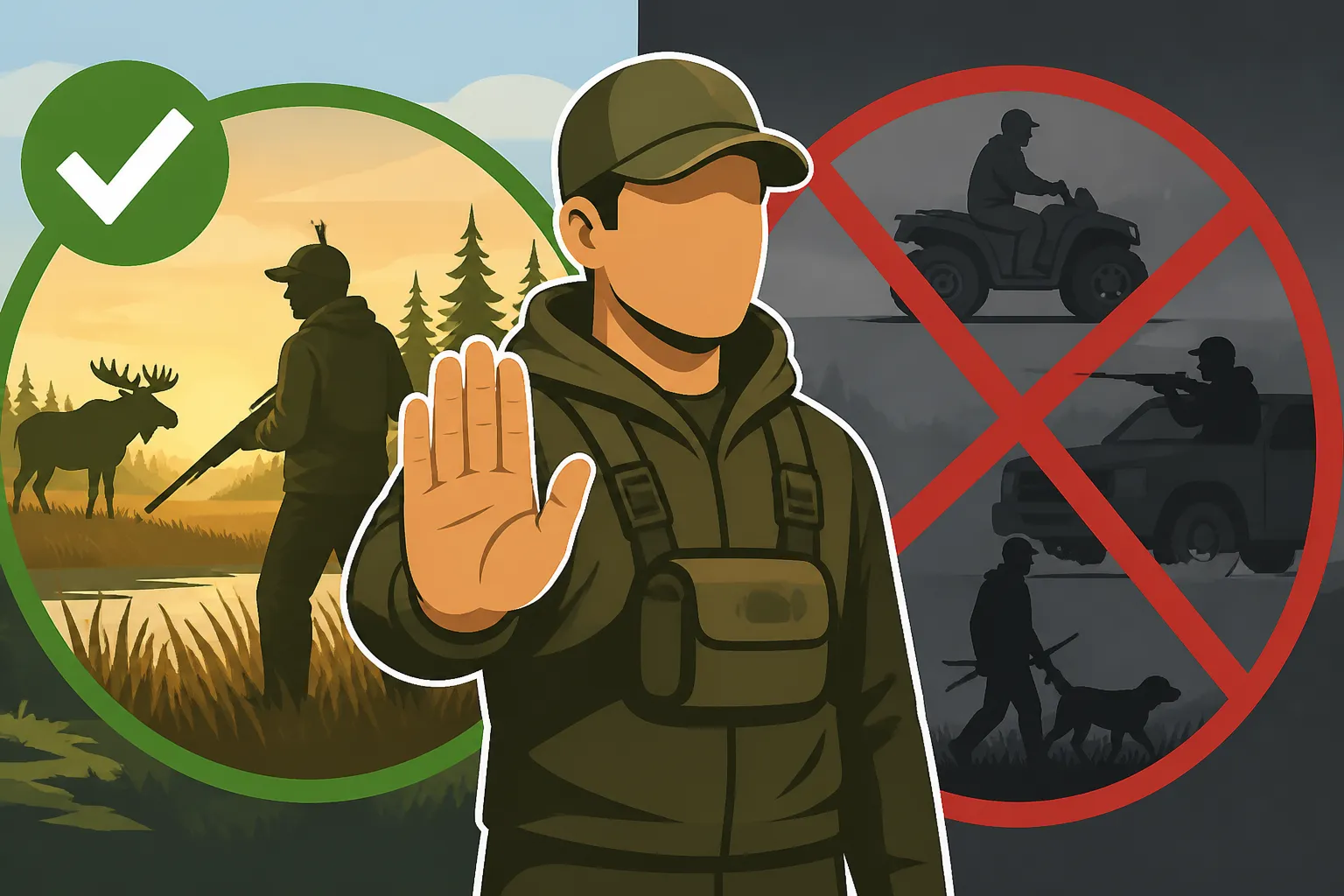
This might sound obvious, but it's worth stating clearly: your guide cannot, under any circumstances, encourage you to violate hunting regulations or participate in illegal hunting practices themselves. Their reputation, and their livelihood, depend on strict adherence to the law.
This means a guide will never tell you to shoot over your bag limit, hunt during a closed season, use prohibited weapons or methods, or engage in any other activity that is against the provincial hunting laws. If a guide ever suggests bending or breaking a rule, that's a massive red flag. As a hunter, you are personally responsible for knowing and adhering to all Manitoba Hunting Licences and What They Cost requirements and the provincial hunting regulations. The guide is there to assist you within those rules, not to help you circumvent them. For example, they won't let you try to tag a second animal if your tag for that species is already filled, even if it's a giant. Your integrity, and theirs, is on the line.
Ethical Boundaries and Hunter Responsibility
Beyond the legal framework, there's a strong ethical code that guides operate by. This code ensures fair chase, respect for the animals, and a realistic understanding of what a hunting experience truly entails.
Guaranteeing a Kill or Trophy
Let's get this straight right off the bat: no ethical guide can ever guarantee you a kill, let alone a specific size of trophy. Hunting is, at its core, unpredictable. It involves wild animals, changing weather, and the inherent element of chance.
What a good guide can guarantee is their utmost effort, their deep knowledge of the area, quality equipment, and a sincere commitment to giving you the best possible chance at success. They will put you in the right places, often having spent countless hours Scouting a Manitoba Game Hunting Area before your arrival. They'll know the movements of the animals, the best times of day, and where to set up. But the final act, the decision of whether an animal presents itself and whether you make the shot, is entirely up to the hunter and the whims of nature. If an outfitter or guide promises you a "guaranteed kill" or a "record book animal," that should raise serious questions. They might be using misleading language or worse, encouraging unethical practices. Look for outfitters who focus on the quality of the experience, the hard work they put in, and their actual success rates, which are a much more honest reflection of what to expect.
Making Up for Lack of Hunter Skill or Preparation
A guide is there to guide, not to perform miracles. They expect hunters to arrive with a baseline level of skill and preparation for the hunt.
This means you, as the hunter, are expected to be proficient with your chosen weapon. Your guide won't take the shot for you, nor can they magically improve your accuracy in the field. If you've booked a rifle hunt, they'll expect you to be comfortable and accurate out to typical hunting distances. For bowhunters, that means consistent shooting at reasonable ranges. Similarly, physical fitness is often a key component, especially for hunts involving significant walking or challenging terrain, like a Moose Hunting Manitoba's Boreal Country trip. Your guide can't carry you up a hill or make up for a lack of stamina. They can set the pace, sure, but you need to be able to keep up. It's your responsibility to be adequately prepared, physically and skillfully, for the hunt you've booked. Think of your guide as your expert partner, not your personal butler or substitute hunter. This is why thorough Planning a Manitoba Hunting Trip is so important; it ensures you're ready for the demands of the environment.
Restrictions on Access and Land Use
Manitoba has a mix of Crown (public) land and private land, and the rules about where you can hunt are specific. Your guide is legally and ethically bound by these land-use regulations.
Trespassing on Private Land Without Permission
This is a big one. A licensed guide cannot and will not take you onto private land without explicit, prior permission from the landowner. Trespassing is a serious offense in Manitoba.
Reputable outfitters often have established relationships with landowners, or they might lease hunting rights on private property. This is all arranged well in advance, and they'll have written agreements to prove it. But they can't simply decide to cross a fence or drive down a private road because they saw a big buck on the other side. This is why it's so important for hunters to understand Manitoba Trespass Law for Hunters and how their guide navigates land access. If your guide tells you they're going onto private land, they should have a clear explanation of how they've secured that access. As a hunter, you should never pressure a guide to enter land where access is uncertain. Preserving good landowner relations is paramount for hunting access across the province, and guides are keenly aware of this.
Accessing Prohibited or Restricted Areas
Just because there's public land nearby doesn't mean it's open for hunting. Guides must adhere to restrictions on where hunting is allowed.
Manitoba has areas like provincial parks, wildlife refuges, and certain ecological reserves where hunting is strictly prohibited. Your guide knows these boundaries intimately and will not lead you into them. Even within open hunting areas, there might be specific GHA rules or temporary closures to consider. For example, some Manitoba's Moose Conservation Closures mean certain GHAs are entirely closed to moose hunting, and a guide cannot take you there for that species. It’s also important to remember that some First Nation lands may have their own access rules. Guides are responsible for staying current with all these regulations and ensuring your hunt takes place only in legal, designated hunting areas. You can often consult resources like GoHunt or similar platforms to see where these zones are located.
Handling of Game and Aftermath
Once an animal is harvested, a new set of responsibilities kicks in. Your guide plays a supportive role, but certain actions remain solely with the hunter.
Improper Tagging or Validation
This is absolutely crucial: your guide cannot tag your animal for you, nor can they allow you to improperly tag or fail to validate your tag. The act of tagging the animal is the hunter's personal responsibility and a legal requirement.
Immediately after harvesting an animal, it is your responsibility to validate your tag by notching or marking it as required, and attaching it to the animal as specified by regulations. Your guide will certainly be there to remind you, instruct you on the proper procedure, and help ensure you have your tag accessible. They can explain Manitoba Tag Validation Rules to you down to the letter. But they cannot physically take your tag, mark it, and attach it to the animal. That action, symbolizing the legal acquisition of the animal, must be performed by the licence holder. This also extends to providing evidence of sex, if required by the tag or season, which must remain with the carcass until processed.
Illegal Transport or Export of Game
While guides are invaluable in helping you field dress, quarter, and often transport your game from the bush to the nearest processing facility, they cannot facilitate or condone illegal transport or export of game.
This is especially critical for non-resident hunters who plan to take meat, hides, or antlers across international borders. There are strict regulations from both Canadian and destination country authorities (like the United States) regarding the importation of wildlife products. These rules often relate to disease prevention, such as CWD (Chronic Wasting Disease). Your guide will advise you on what's required, and a good outfitter will have established procedures for ensuring compliance, including often having facilities for CWD Sampling on an Outfitted Manitoba Hunt if you're hunting in a mandatory sampling zone. However, the ultimate responsibility for understanding and adhering to these import/export laws rests with you. They might arrange for a local butcher to process your meat, but shipping that meat across a border is something you must coordinate within legal parameters, which your guide can only provide information on, not undertake illegally.
Financial and Contractual Limitations
Understanding the financial aspects and the terms of your booking contract is vital. Your guide operates within these established agreements and can't just make changes on the fly.
Deviating from Contracted Services and Inclusions
When you book a guided hunt, you enter into a contract with an outfitter, often after checking options on platforms like BookYourHunt. This contract outlines exactly what services and inclusions you are paying for. Your guide, as a representative of that outfitter, cannot arbitrarily deviate from those agreed-upon terms.
If your contract specifies a certain number of hunting days, type of lodging, meals, or other amenities, your guide is expected to deliver those. They cannot suddenly decide to shorten your hunt, change your lodging without an agreement, or exclude services that were clearly part of your package. This is why thoroughly reading and understanding "What a Guided Hunt Includes" and "What is Never Included in a Package" are so important before you sign anything. For example, if your hunt package explicitly covers transportation to and from the nearest airport, your guide will arrange that. If ammunition is listed as an exclusion, they can't suddenly offer to provide it for free. Transparency here prevents misunderstandings and ensures both parties uphold their end of the bargain. If you have questions about specific items, always clarify them with the outfitter before your trip.
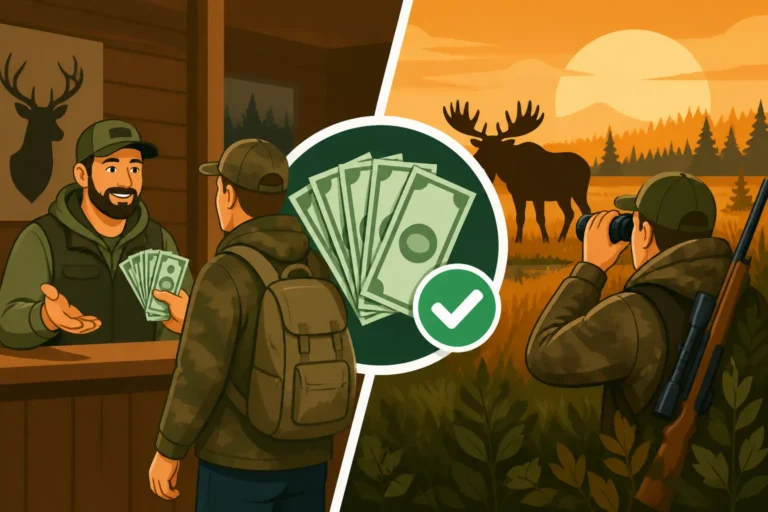
Negotiating Prices or Waiving Fees On-the-Fly
Guides on the ground typically do not have the authority to alter package prices, waive fees for additional services, or negotiate terms of payment. These financial decisions are usually handled by the outfitter's administrative staff or management.
So, if you decide you want an extra day of hunting, or if there's an unlisted trophy fee for a specific animal, your guide can't just say "no problem" and make it happen without consulting the outfitter. All financial adjustments or additional service requests need to go through the proper channels. This is directly related to What a Manitoba Guided Hunt Costs and how those costs are structured. Similarly, questions about refunds, cancellations, or special discounts are outside a guide's purview. They are focused on the hunting experience itself, not the business administration. It's important to direct any financial queries to the outfitter's office rather than putting your guide in an awkward position in the field.
To summarize the division of labor on a guided Manitoba hunt, here's a quick look:
| Aspect | Hunter's Responsibility | Guide's Responsibility |
|---|---|---|
| Licensing & Tags | Purchase, carry, and properly validate own licenses/tags. | Advise on requirements; confirm hunter has proper documentation. |
| Hunting Regulations | Know and adhere to all laws; personal accountability for actions. | Operate within laws; ensure hunter understands and follows rules. |
| Shot Placement & Skill | Practice proficiency with weapon; make accurate shots. | Position hunter for best shot; provide rangefinding/advice. |
| Physical Fitness | Arrive adequately prepared for demands of the hunt. | Adjust pace/strategy to hunter's capabilities within reason. |
| Land Access | Do not ask guide to trespass; respect private/restricted land. | Secure legal access to hunting areas; know boundaries. |
| Game Recovery/Care | Assist in tracking, field dressing; tag animal personally. | Lead tracking, assist with field dressing/quartering, pack out. |
| Meat/Trophy Transport | Understand and comply with all export/import laws. | Assist with logistics to processor; advise on regulations. |
| Contractual Terms | Understand booking agreement; pay all fees. | Deliver contracted services; represent outfitter's policies. |
| Safety | Follow safety instructions; handle weapon safely. | Prioritize safety; provide instruction/guidance. |
Understanding these boundaries truly helps in having a smooth and enjoyable guided hunting experience in Manitoba. It allows you to appreciate your guide's expertise within their professional capacity and ensures you uphold your own responsibilities as a hunter. Remember, it's a partnership, not a babysitting service.
Disclaimer
This article is for general informational purposes only and does not constitute professional advice. Laws, prices and regulations vary by location and change over time. Consult a qualified professional for guidance on your specific situation.