Manitoba Disabled Hunter Permits
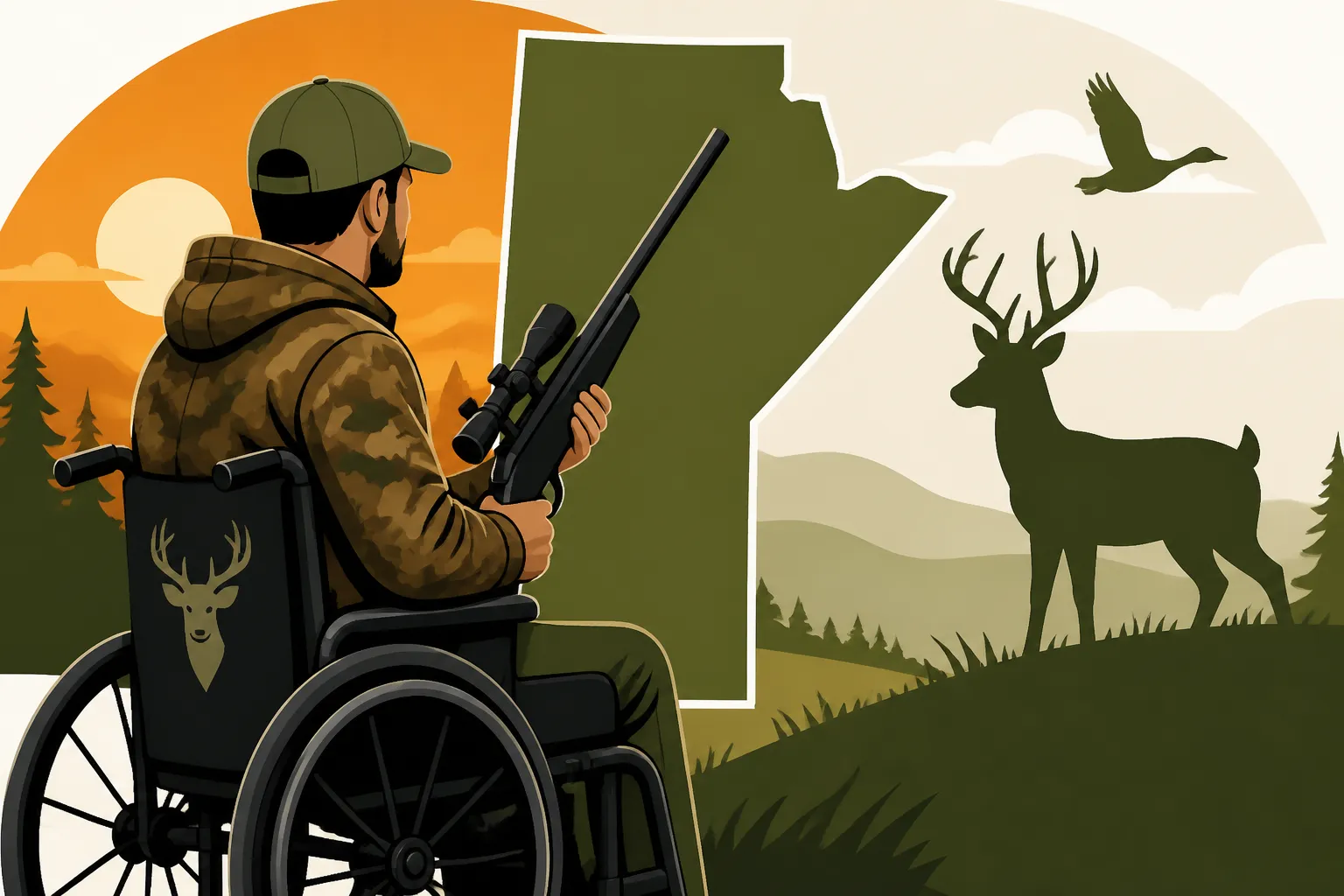
Hunting in Manitoba is an incredible experience, but for those facing physical challenges, the dream of being out in the bush or fields can sometimes feel out of reach due to accessibility barriers. Navigating rugged terrain, long walks to a blind, or even just getting game out can present significant hurdles. This comprehensive guide is here to shed light on Manitoba's Disabled Hunter Permit system, ensuring that passionate hunters with disabilities understand the opportunities available to them, how to apply, and what to expect, making those outdoor adventures a reality once more.
Understanding Manitoba's Disabled Hunter Permit System
Manitoba recognizes the importance of inclusive outdoor recreation and has established a dedicated permit system to assist hunters with disabilities. This isn't just about making exceptions; it's about providing reasonable accommodations that allow individuals to continue participating in the rich hunting traditions of our province. The system is designed to remove specific physical barriers while upholding the core principles of safe and ethical hunting that every hunter in Manitoba is expected to follow.
Who Qualifies for a Disabled Hunter Permit?
Qualifying for a Disabled Hunter Permit in Manitoba is primarily based on a verifiable physical disability that significantly impairs a person's ability to hunt under regular conditions. It's not about being less capable as a hunter, but rather acknowledging that certain mobility or physical limitations require adaptive measures. Generally, the criteria focus on permanent or long-term disabilities that restrict locomotion or the use of limbs essential for hunting activities like walking to a stand, tracking game, or retrieving a downed animal without assistance. This could include, but isn't limited to, individuals with spinal cord injuries, severe orthopedic impairments, or debilitating conditions that severely impact endurance or balance. The key is that a licensed medical practitioner must certify the nature and extent of the disability. We often see folks assume that any chronic condition might qualify, but it really comes down to the direct impact on physical hunting capabilities as assessed by a professional. This ensures the system genuinely serves those it's intended for, allowing them to remain active participants in pursuits like Whitetail Hunting in Manitoba or Waterfowl Hunting Manitoba's Grain Fields.
What Privileges Does the Permit Grant?
The Disabled Hunter Permit opens up a range of specific privileges designed to overcome common accessibility challenges in the field. The most significant of these often revolves around enhanced mobility. For instance, permit holders may be authorized to use certain vehicles, like ATVs or UTVs, in areas where such use is typically restricted for hunting purposes, allowing them to access remote hunting spots or to retrieve game more easily. This can be a game-changer when trying to reach a preferred spot in thick bush or on expansive farmland. It's crucial to understand that these privileges are carefully outlined within the permit and the Manitoba Hunting Guide, and they don't grant blanket access everywhere.
Additionally, the permit might allow for specific accommodations in hunting methodology, such as permission to hunt from a stationary vehicle in certain circumstances, which would otherwise be prohibited under general Rules on Hunting From a Vehicle. This is particularly beneficial for hunters who struggle with prolonged sitting in traditional blinds or who cannot easily dismount and remount a vehicle due to their condition. Furthermore, while not explicitly a permit privilege, the existence of these permits encourages landowners and outfitters to consider and provide more accessible hunting opportunities, from specialized ground blinds to easier access points. These adaptations empower disabled hunters to enjoy a full season, whether it's participating in Bowhunting Manitoba's Early Season or chasing birds during Upland Bird Hunting in Manitoba.
The Application Process for a Disabled Hunter Permit
Applying for a Disabled Hunter Permit isn't overly complicated, but it does require attention to detail and thorough documentation. The province needs to ensure that these valuable accommodations are provided to those who genuinely need them, and that process relies on clear, verifiable information. It's a system designed for fairness and proper allocation of resources.
Step-by-Step Application Guide
The journey to obtaining your Disabled Hunter Permit begins with acquiring the correct application form. These forms are typically available through Manitoba Conservation and Climate offices, or often, you can download them directly from the provincial government's official website. Once you have the form, the first part usually involves your personal details, similar to applying for any other Manitoba Resident Hunting Licence Options. The critical next step is the medical certification section. This portion must be completed by a licensed medical practitioner who is familiar with your condition. They will need to provide specific details about your disability, how it impacts your mobility and ability to hunt, and verify its permanent or long-term nature. Don't leave this section incomplete; any missing information can cause significant delays.
After your medical practitioner has filled out their part, review the entire form carefully. Make sure all fields are accurately completed and that you've attached any supplementary documentation requested, such as reports or assessments that further detail your disability. In my experience, submitting a clear, complete, and professionally certified application significantly speeds up the process. Once everything is in order, you'll submit the application to the designated provincial office, as specified on the form itself. It’s always a good idea to keep a photocopy of your entire application package for your records, just in case any questions arise.
Essential Documentation and Medical Certification
The cornerstone of a successful Disabled Hunter Permit application is robust medical certification. This isn't just a quick note from your doctor; it's a formal assessment that validates your need for the permit. Your licensed physician, chiropractor, occupational therapist, or physical therapist will need to complete a specific section of the application form. This section typically asks for:
- Nature of the Disability: A clear description of your condition.
- Impact on Mobility: How the disability specifically affects your ability to walk, stand, carry gear, or move through various terrains.
- Permanence/Long-Term Nature: Confirmation that the disability is permanent or expected to last for an extended period, making standard hunting methods impractical.
- Specific Functional Limitations: Details on how these limitations directly hinder participation in typical hunting activities.
For instance, if you have a significant leg injury preventing you from walking more than a few hundred yards, your doctor would clearly state this, emphasizing how it prevents you from reaching many hunting areas or retrieving game without assistance. The province needs this detailed information to assess your eligibility fairly. Providing old medical records without the specific form filled out won't cut it. Ensure your medical professional understands what's being asked and provides all the necessary details. Without this comprehensive medical sign-off, your application will likely be returned, delaying your ability to hit the hunting grounds.
Navigating the Renewal Process and Common Pitfalls
Once you’ve successfully obtained your Disabled Hunter Permit, it’s not necessarily a lifelong pass. Like many provincial permits, these typically have a validity period, often a few years, after which they require renewal. The renewal process usually involves a similar, albeit sometimes streamlined, re-certification of your disability status. It’s important to mark your calendar for the expiry date well in advance to avoid any lapse in your permit. Generally, the provincial authorities will send out a reminder notice, but it’s always best to be proactive.
Common pitfalls during renewal often include submitting incomplete forms or failing to get updated medical certification if your previous one is no longer considered current. Sometimes, hunters assume that because their condition is permanent, they don’t need new medical verification. However, the province may require a fresh signature and date from a medical professional to confirm your situation hasn’t changed in a way that would alter your eligibility. Keep an eye out for any rule changes or updated requirements for the permit; these are usually published in the annual Manitoba Big Game Season Dates or on the provincial website. Staying informed and organized is your best defence against any delays, ensuring you can continue to enjoy hunting in Manitoba's Parkland Region or other favoured spots without interruption.
Practical Considerations and Ethical Hunting with a Permit
Receiving a Disabled Hunter Permit is a fantastic step towards greater accessibility in the outdoors, but it also comes with the responsibility of upholding the highest standards of safety and ethics. This permit is an aid, not a free pass to disregard rules or common sense. Our goal is to participate fully and respectfully in the hunting community.
Accessibility in Manitoba's Diverse Hunting Areas
Manitoba offers a vast array of hunting landscapes, from the open fields of the southwest to the dense bush of the boreal forest, and each presents unique accessibility challenges and opportunities. While your permit grants certain privileges, such as enhanced vehicle access, it's still crucial to scout and plan your hunt with your specific mobility needs in mind. Some Manitoba's Game Hunting Areas, particularly those with extensive road networks or more open terrain, might naturally be more accessible. Areas like parts of the Interlake or certain agricultural zones could offer easier vehicle access and shorter distances to cover on foot.
Conversely, deeply forested areas or regions with significant topographical changes, such as the Duck Mountain Provincial Forest or the remote northern boreal regions where you might be Hunting Moose Around Manitoba Beaver Ponds, will still pose challenges. Utilizing resources like satellite imagery, detailed GHA maps, and tools like GoHunt can be incredibly valuable for pre-trip scouting. This helps you identify suitable access points, potential blind locations, and terrain that matches your capabilities. Remember that even with a permit, understanding the lay of the land is paramount to a successful and enjoyable hunt. Don't be afraid to connect with local conservation groups or fellow hunters; they often have invaluable insights into accessible spots.
Maintaining Safety and Ethical Standards
Holding a Disabled Hunter Permit means you're still expected to adhere to all provincial hunting regulations, safety protocols, and ethical guidelines. The permit provides tools to help you overcome physical barriers, but it doesn't lower the bar for responsible hunting. This includes ensuring you meet Manitoba Hunter Education Requirements, carry all necessary Manitoba Hunting Licences and What They Cost, and understand specific season dates and bag limits.
For example, if your permit allows you to hunt from a vehicle in certain areas, it's vital to do so responsibly. Your firearm must still be unloaded when transported, and you must maintain a safe zone of fire, just like any other hunter. Ethical considerations, such as proper shot placement and diligent tracking of wounded game, remain paramount. In situations where assistance is needed for game retrieval, ensure your hunting companions are also aware of and adhere to all rules, especially regarding handling firearms and tagging. The core principle remains: hunt smart, hunt safe, and always hunt with respect for the animal and the environment. Even in challenging conditions, like Hunting Safely in Deep Winter Cold, your personal safety and ethical conduct are non-negotiable.
Resources and Support for Disabled Hunters
Thankfully, the hunting community, both locally and nationally, is increasingly focused on supporting hunters with disabilities. Beyond the permit system, there are various resources and organizations dedicated to making hunting accessible. Organizations like the National Wild Turkey Federation (NWTF) or local chapters of the Manitoba Wildlife Federation often have programs, events, or information specifically tailored for disabled hunters. These groups can provide mentorship, adaptive equipment suggestions, or even organize accessible hunts.
Connecting with other disabled hunters can also be a powerful source of support and information. They can share practical tips, discuss their experiences navigating different Manitoba's Wildlife Management Areas, and recommend specific gear or strategies that have worked for them. Online forums and social media groups dedicated to accessible hunting are excellent places to start. When looking for general hunting information, map data, or even to connect with other enthusiasts, platforms like GoHunt can be a fantastic resource. They often compile regulations and GHA details, which can be invaluable when planning an accessible hunt. Furthermore, don't overlook the importance of discussing your hunting plans with Manitoba Conservation and Climate staff; they can offer specific guidance regarding your permit and local regulations, ensuring you have the most up-to-date information for your adventure. Remember, you're not alone in this pursuit, and a wealth of support is available to help you enjoy the Manitoba outdoors.
Permit for Disabled Hunters in Manitoba
Here's a quick overview of the Manitoba Disabled Hunter Permit:
| Aspect | Details |
|---|---|
| Eligibility | Verifiable physical disability certified by a licensed medical practitioner (physician, chiropractor, OT, PT) that significantly impairs mobility or ability to hunt under regular conditions. |
| Key Privileges | Enhanced Vehicle Access: May include permission to use ATVs/UTVs in certain restricted areas for access and game retrieval. Hunting from Stationary Vehicle: May allow hunting from a stationary vehicle in approved situations (otherwise prohibited). |
| Application Process | 1. Obtain application form from Manitoba Conservation & Climate office or website. 2. Complete personal information section. 3. Medical practitioner completes and certifies disability details. 4. Submit complete form to the designated provincial office. |
| Required Documents | Completed application form, comprehensive medical certification detailing nature and impact of disability, any requested supporting medical documentation. |
| Renewal | Permits have an expiry date (typically multi-year). Renewal usually requires re-certification of disability by a medical professional. |
| Important Notes | Does not waive any other hunting regulations, safety rules, or ethical standards. Still requires valid hunting licences and tags. Always review current year's hunting guide for specific rules and updates. |
Disclaimer
Please note that the information provided in this guide is for general informational purposes only and is subject to change. Hunting regulations, permit requirements, and eligibility criteria are set by the Government of Manitoba and can be updated annually. It is always the hunter's responsibility to consult the most current Manitoba Hunting Guide and relevant provincial legislation before planning or undertaking any hunting activity. This guide should not be considered a substitute for legal advice or official government documentation.