Hunting Around Riding Mountain National Park
Hunting around a massive natural area like Riding Mountain National Park (RMNP) can feel like a bit of a puzzle. On one hand, you know the park itself is a sanctuary, teeming with wildlife, completely off-limits to hunters. On the other, the areas surrounding the park are often incredible hunting grounds, benefiting from the "spillover" effect of game animals that roam in and out of those protected boundaries. This guide is all about helping you understand how to navigate these unique opportunities, focusing on the regulations, land access, and prime species you can pursue in the shadow of one of Manitoba's most iconic landscapes.
Understanding Riding Mountain National Park's Boundaries and Regulations
It's absolutely critical to start any conversation about hunting near Riding Mountain National Park by clearly defining where hunting is and isn't allowed. Misunderstandings here can lead to serious legal issues, not to mention ethical concerns. The park itself is a massive, protected area, and respecting its boundaries is paramount for every hunter.
The Park as a Sanctuary: No Hunting Zone
Let's be unequivocally clear right from the start: Riding Mountain National Park is a federal protected area where hunting is strictly prohibited. It's a sanctuary for wildlife, managed for conservation and ecological integrity, and that means all game animals within its borders are off-limits to hunters. This isn't just a suggestion; it's a hard and fast rule enforced by Parks Canada wardens and provincial conservation officers. Trespassing with the intent to hunt, or discharging a firearm within park boundaries, carries hefty penalties.
Think of the park as a giant, natural game farm. Animals like elk, moose, deer, and bear thrive within its protective confines, often reaching impressive sizes and numbers due to the lack of hunting pressure. This is a blessing and a curse for hunters: a blessing because these animals will inevitably move beyond the park's invisible lines, and a curse because you must be meticulously aware of where those lines are drawn. Your mapping tools are your best friend here, constantly checking your location against the park boundary.
This status as a no-hunting zone is fundamental to the park's ecological role, ensuring that wildlife populations can flourish undisturbed. It's a critical piece of the puzzle that contributes to the rich biodiversity of the region, and hunters who appreciate wildlife management understand and respect this designation.
Navigating the Buffer Zones and Adjacent GHAs
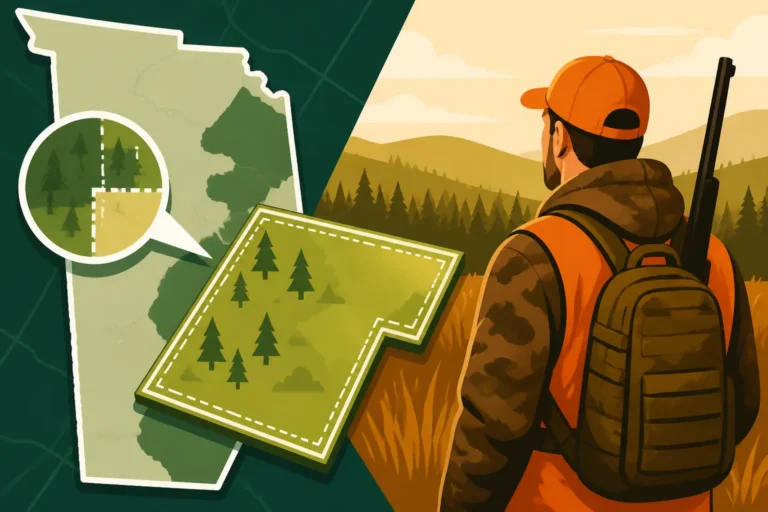
The true opportunity for hunters lies in the "buffer zones" and designated Game Hunting Areas (GHAs) that directly border Riding Mountain National Park. These are often provincial Crown lands, provincial forests, or private agricultural lands that directly abut the park's edge. Here, the wildlife density can be exceptional, precisely because of the park's protective influence. Game animals move fluidly across these lines, utilizing the diverse habitats both inside and outside the park.
Many of these adjacent GHAs, like GHA 23, GHA 23A, and GHA 23B, are specifically known for their productive hunting. These areas are carefully managed by Manitoba Sustainable Development, often with specific season dates and bag limits designed to manage populations that interact with the park. You'll find a mix of forested blocks, aspen parkland, and agricultural fields that provide prime habitat. Understanding which GHA you're in, and what its specific rules are, is far more important than just knowing you're "near the park."
For instance, you might be hunting a bluffed treeline that runs right up to the park boundary. A mature whitetail buck might spend its days bedding deep inside the park, only to venture out onto a farmer's field just outside the boundary at dusk. This constant flux is what makes hunting these fringe areas so exciting and, frankly, so rewarding. It demands careful scouting and an intimate knowledge of the land, often more so than hunting areas further afield. You'll want to check Manitoba's Game Hunting Areas for precise boundary information.
Provincial Regulations Just Outside the Park
While the park itself operates under federal Parks Canada regulations, the moment you step outside its boundary, you are subject to Manitoba's provincial hunting laws. These regulations cover everything from licensing and tag requirements to specific season dates, bag limits, and permissible hunting methods. It’s absolutely vital to have a current copy of the Manitoba Hunter’s Guide and understand the rules for the specific GHA you intend to hunt.
For example, certain GHAs might have specific antler restrictions for deer, or different season dates for elk compared to other regions of the province. There might be special draws for species like moose or elk in these areas, reflecting the unique management challenges and opportunities presented by proximity to a national park. Manitoba Big Game Season Dates will be your go-to reference for opening and closing days.
Furthermore, issues like Chronic Wasting Disease (CWD) sampling might have specific requirements in GHAs bordering the park, given the potential for wildlife movement. You might also encounter unique rules regarding ATV use, camping, or even where you can park your vehicle, all designed to manage public land use effectively in these high-interest zones. Always consult the most recent provincial regulations, as they can change annually.
The Unique Ecosystem and Wildlife Opportunities in the Fringe Areas
The landscape surrounding Riding Mountain National Park is not just any patch of Manitoba bush; it's a dynamic interface where several ecological zones meet. This creates an incredibly rich and diverse habitat, which in turn supports a robust and varied game population. This unique blend is precisely what makes hunting these areas so special.
Diverse Habitats: From Forest to Farmland
The areas immediately surrounding Riding Mountain National Park are a textbook example of a transition zone. To the west, south, and east, you have vast expanses of agricultural land—fields of wheat, barley, canola, and corn, often interspersed with shelterbelts and treelines. As you move closer to the park, this transitions into classic aspen parkland: a mosaic of trembling aspen and balsam poplar bluffs, interspersed with open grasslands, sloughs, and marshes. Finally, within the park itself and extending into some provincial forests on its edges, you find more mature boreal forest elements, with spruce and fir mixing in.
This incredible diversity means that game animals have access to a smorgasbord of resources. Whitetail deer thrive in the parkland fringe, utilizing the cover of the bluffs and the rich forage of agricultural fields. Elk herds prefer the larger forested blocks and open meadows, often moving between the park and adjacent provincial forests like the Duck Mountain or Porcupine Hills. Black bears find ample cover and food sources in the dense bush. This varied habitat also supports a wide array of small game and birds.
Hunters need to adjust their tactics to match these micro-habitats. A morning stand hunt overlooking a grain field might be productive for deer, while an afternoon still-hunt through a poplar bluff could yield a bear. Understanding these habitat preferences is key to formulating a successful hunting strategy in these varied landscapes.
The "Spillover Effect" of Game
One of the primary reasons the areas around Riding Mountain National Park are so desirable for hunters is what's often referred to as the "spillover effect." Because the park serves as a large, protected breeding ground and sanctuary, wildlife populations within its boundaries often grow to high densities. These animals don't recognize man-made boundaries; they follow food, water, cover, and their natural migratory patterns.
This means that deer, elk, and bear frequently move out of the park and into the surrounding GHAs, especially during feeding times, the rut, or when seeking new territories. Farmers will attest to this, often struggling with wildlife damage to crops, which further highlights the abundance of game just outside the park. For hunters, this translates into excellent opportunities to encounter mature animals that have grown old and wise within the park's protection before venturing into huntable zones.
The constant movement of animals in and out of the park keeps the gene pool strong and the surrounding areas well-stocked. It's not uncommon to see a herd of elk grazing in a field adjacent to the park boundary, knowing full well they might have bedded down inside the park just hours before. This dynamic requires patience and careful observation, as animals can appear and disappear with frustrating speed across these invisible lines. Being proficient with mapping tools like onX Hunt becomes invaluable for confirming your position relative to the park boundary and private land lines.
Conservation and Management Efforts
The robust wildlife populations around Riding Mountain National Park are not just a happy accident; they are a direct result of ongoing conservation and management efforts by both Parks Canada and Manitoba Sustainable Development. Within the park, efforts focus on maintaining ecological processes and biodiversity, including prescribed burns, forest management, and habitat restoration. These efforts benefit all wildlife, which in turn benefits the surrounding hunting opportunities.
Manitoba's provincial government actively manages the game populations in the GHAs surrounding the park through regulated seasons, draw systems, and population surveys. For example, specific Manitoba's Elk and Moose Draws are often implemented in these areas to manage herd numbers and provide fair access to hunters. The goal is to strike a balance: allowing for sustainable hunting opportunities while ensuring healthy, viable populations that can continue to thrive.
Hunters play a crucial role in these conservation efforts by adhering to regulations, reporting their harvests, and supporting wildlife organizations. The proximity to a national park often means heightened public awareness and scrutiny, making it even more important for hunters to act as responsible stewards of the land and its wildlife. This collaborative approach ensures that the Riding Mountain region remains a premier destination for wildlife viewing and ethical hunting for generations to come.
Key Game Species You'll Find Around RMNP
The diverse habitats and the 'spillover effect' from Riding Mountain National Park create exceptional opportunities for targeting several popular game species. Whether you're after big game or looking to fill a freezer with some smaller fare, the areas surrounding the park deliver.
Whitetail Deer: A Prime Opportunity
Without a doubt, whitetail deer are one of the most sought-after species around Riding Mountain National Park. The aspen parkland and agricultural fringes provide ideal habitat for these adaptable animals. Bucks in these areas are known for growing large bodies and impressive racks, benefiting from rich agricultural forage and the relative safety of the park. You'll find deer utilizing the dense bluffs for bedding cover and security, only to emerge into sprawling fields of corn, canola, or alfalfa to feed, especially at dawn and dusk.
Hunting whitetails here often involves a combination of strategies. Stand hunting along field edges, pinch points, or travel corridors between cover and food sources can be highly effective. Still-hunting or pushing small woodlots can also yield results, particularly during the rifle season. The rut, typically peaking in early to mid-November, can be particularly exciting, as bucks become more active and less cautious, often moving openly in search of does. Hunters often find success rattling or grunting, especially in the larger wooded blocks. You can learn more about specific tactics in Hunting Whitetails on Manitoba Farmland or Hunting Whitetails in Manitoba's Bush Country.
The challenge with whitetails in these fringe areas is often dealing with private land access, as much of the prime feeding habitat is on cultivated ground. However, persistent and respectful door-knocking can open up fantastic opportunities.
Elk: The Parkland Monarchs
Riding Mountain National Park is home to one of Manitoba's most significant elk populations, and these majestic animals frequently move in and out of the park boundaries. Hunting elk around RMNP is a premier experience, offering a chance at truly impressive bulls and cows. Elk tend to favour the larger, more contiguous blocks of forested provincial Crown land and the deeper bush within the adjacent GHAs, using open meadows and clearings for grazing.
Hunting elk here often requires a draw tag, particularly for bulls, reflecting the high demand and careful management of these herds. Archery seasons in September and October offer exciting opportunities for calling bulls, especially during the peak of the rut. Rifle seasons later in the fall can be challenging but rewarding, often involving extensive scouting, tracking, and patient still-hunting in dense cover. A deep dive into their habits can be found in Elk in Manitoba's Parkland and Mountains.
Success with elk requires dedication. These are smart, large animals that cover a lot of ground. Understanding their movement patterns, particularly where they cross between the park and huntable land, is crucial. Glassing large fields adjacent to forested areas at first light or last light can reveal feeding herds, and then the real work of planning an approach begins.
Black Bear: Forest Giants
Manitoba's black bear population is healthy, and the bush country surrounding Riding Mountain National Park provides ideal habitat for them. Bears thrive in the mix of dense forest, wetlands, and access to agricultural foods. Both spring and fall bear hunting seasons offer excellent opportunities. Spring bear hunts are particularly popular, often conducted over bait sites, while fall hunts can be done over bait or by spot-and-stalk as bears forage for late-season berries and nuts.
Hunting black bears in these areas can be an incredibly thrilling experience. You might encounter colour-phase bears, which are not uncommon in Manitoba, adding an extra layer of excitement to the hunt. When baiting, patience is key, and setting up a comfortable, concealed blind is essential for success. For those who prefer spot-and-stalk, focusing on areas with berry patches, oat fields, or along old logging trails can be productive.
Safety is paramount when hunting bears, especially in areas where they are accustomed to human presence (though still wild). Always be bear-aware, carry bear spray, and understand how to properly handle your harvest. You can learn more about Black Bear Hunting in Manitoba and specific methods like Baiting Black Bear in Manitoba.
Upland Birds and Waterfowl
Beyond the big game species, the diverse landscape around Riding Mountain National Park also offers fantastic opportunities for upland birds and waterfowl. The mix of grain fields, sloughs, aspen bluffs, and brushy cover creates prime habitat for several popular species.
For upland bird enthusiasts, sharp-tailed grouse are abundant in the open grasslands and parkland fringes, often found along field edges and in brushy draws. Ruffed grouse are common in the denser poplar and mixedwood forests, often found along old logging roads and bush trails. Hungarian partridge can be found in small coveys in agricultural fields and along shelterbelts. Walking these areas with a good bird dog can provide many hours of enjoyable hunting. Upland Bird Hunting in Manitoba offers more insights into these species.
Waterfowl hunters will also find opportunities, especially in the numerous potholes, sloughs, and marshes interspersed throughout the parkland and agricultural areas. Ducks and geese, particularly Canada geese and various dabbling duck species, utilize these water bodies for resting and feeding, often flying between them and the vast grain fields. While not as concentrated as some of Manitoba's dedicated waterfowl hotspots, there are still plenty of chances for a rewarding hunt, especially during migration.
| Species | Preferred Habitat | Common Hunting Methods | Typical Season (check regs) |
|---|---|---|---|
| Whitetail Deer | Aspen bluffs, field edges, mixed woods, dense cover | Stand/blind, still-hunt, rattling | Fall (archery, rifle, muzzleloader) |
| Elk | Large forested blocks, open meadows, provincial forests | Calling, spot-and-stalk, tracking | Fall (draw seasons, archery, rifle) |
| Black Bear | Dense bush, wetlands, berry patches, agricultural edges | Baiting, spot-and-stalk | Spring & Fall |
| Sharp-tailed Grouse | Open grasslands, brushy draws, field edges | Walking, flushing dogs | Fall |
| Ruffed Grouse | Poplar/mixedwood forests, bush trails | Walking, flushing dogs | Fall |
| Hungarian Partridge | Agricultural fields, shelterbelts, stubble fields | Walking, flushing dogs | Fall |
| Ducks/Geese | Sloughs, potholes, marshes, grain fields | Decoys, jump-shooting | Fall |
Navigating Public and Private Land Access
Hunting around Riding Mountain National Park often involves a mosaic of land ownership. Successfully navigating these various land types is fundamental to a productive and lawful hunt. You'll encounter provincial Crown land, provincial forests, and significant tracts of private agricultural land, each with its own access rules.
Crown Land Pockets and Provincial Forests
Adjacent to Riding Mountain National Park, and often directly benefiting from the wildlife it harbors, are significant parcels of provincial Crown land and designated Provincial Forests. These public lands are generally open to hunting, provided you adhere to provincial regulations for the specific Game Hunting Area (GHA) they fall within. Examples include parts of the Duck Mountain Provincial Forest and other scattered blocks of Crown land that extend outwards from the park.
These public lands are goldmines for hunters willing to put in the effort. They provide essential cover, bedding areas, and travel corridors for big game, especially when pressured on private lands. Often, these areas are less accessible by vehicle, requiring more walking, hiking, or the use of ATVs (where permitted). This reduced pressure can lead to encounters with more mature animals. Tools like onX Hunt or GoHunt are absolutely invaluable for identifying these Crown land boundaries, allowing you to confidently know where you can legally hunt. Using Scouting With Satellite Imagery in Manitoba will give you a significant advantage in locating these pockets.
However, "public land" doesn't mean "unregulated." Always check for specific GHA rules regarding vehicle access, camping, and other land-use restrictions that might apply to provincial forests or Crown land tracts. Respecting these rules helps ensure continued access for all hunters. These areas are key for hunting Moose Hunting Manitoba's Boreal Country or Black Bear Hunting in Manitoba if you get the right draws.
Respecting Private Property: Getting Permission
While Crown land offers fantastic opportunities, a substantial portion of the productive hunting ground around Riding Mountain National Park is private agricultural land. These lands are often where deer, elk, and waterfowl concentrate to feed, particularly after harvest. Gaining permission to hunt on private land is not just a courtesy; it's a legal requirement in Manitoba. Hunting on private land without explicit permission is trespassing and can lead to serious consequences.
The key to successful private land access is respectful communication. Start by identifying landowners in the areas you want to hunt. A knock on the door, a polite introduction, and a clear explanation of your intentions can go a long way. Be prepared for rejections, but don't be discouraged; persistence often pays off. Offering to help with chores, offering a share of the harvest, or simply being a responsible, respectful hunter can build trust over time.
When you do get permission, make sure you understand the landowner's specific rules. This might include where you can park, where you can't hunt (e.g., near buildings or livestock), and what hours you can be on the property. Always leave gates as you found them, pick up any litter (even if it's not yours), and report any suspicious activity you notice. Building a good relationship with landowners is paramount for long-term access. This is further detailed in Getting Private Land Permission in Manitoba.
Understanding GHA Specifics
Manitoba is divided into numerous Game Hunting Areas (GHAs), each with its own specific regulations, season dates, and sometimes even unique draw systems. When hunting around Riding Mountain National Park, you'll likely be dealing with several GHAs that border the park, such as GHA 23, 23A, and 23B, among others. Each of these GHAs will have distinct rules that you absolutely must be aware of before you head out.
For instance, one GHA might have a general rifle season for whitetails, while another adjacent one might require a draw for antlerless deer, or have different archery dates. Elk seasons, especially, can vary significantly between GHAs, with some being draw-only for bulls, and others offering general season cow tags. The specific GHA you are in dictates what species you can hunt, when you can hunt them, and what your bag limit is.
It's critical to acquire a detailed map of the GHAs and overlay it with public and private land ownership boundaries. Digital mapping apps like onX Hunt are incredibly helpful for this, as they can show you your precise location relative to GHA lines, park boundaries, and private property lines in real-time. Don't rely on memory or assumptions; always double-check the current Manitoba Hunter's Guide for the most up-to-date regulations for your chosen GHA. This attention to detail will keep you legal and safe. You can also consult Reading a Manitoba GHA Map Before You Go.
Practical Tips for Hunting Success and Safety
Hunting the diverse and often challenging terrain around Riding Mountain National Park requires more than just a hunting license; it demands careful planning, appropriate gear, and a deep respect for the land and its wildlife. Here are some practical tips to enhance your success and ensure your safety.
Scouting Strategies Around the Park
Effective scouting is the backbone of any successful hunt, and it's particularly vital when hunting the dynamic zones around Riding Mountain National Park. Animals here are constantly moving, driven by food sources, hunting pressure, and their natural instincts to utilize the park's sanctuary.
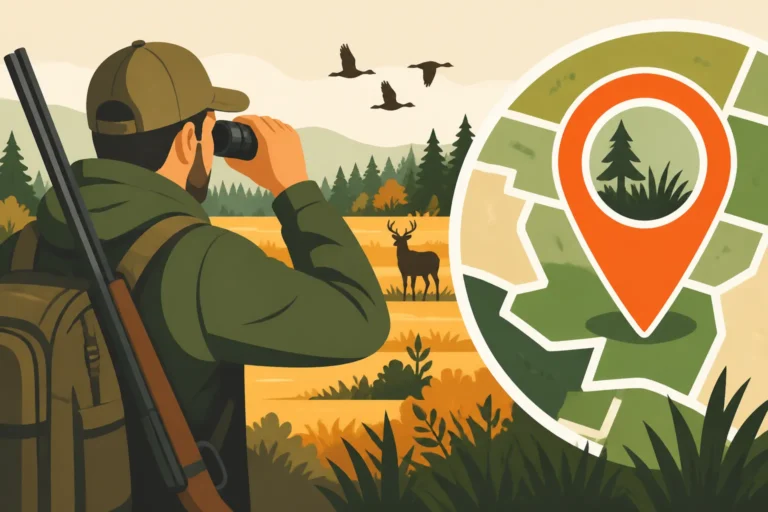
Start with digital scouting: use satellite imagery tools like those in onX Hunt or GoHunt to identify key features. Look for areas where forest transitions into fields, natural pinch points, funnels, creek crossings, and potential bedding areas (often dense stands of timber or thick willow bottoms). Identify parcels of Crown land adjacent to private fields where animals might feed. Pay close attention to the park boundary line and how game might be entering and exiting the park. You can delve deeper with Scouting a Manitoba Game Hunting Area.
Once you've identified promising spots on a map, boots on the ground scouting is essential. Look for fresh tracks, rub lines, scrapes, bedding areas, and feeding sign. Pay attention to game trails, especially those leading to and from agricultural fields. Set up trail cameras in key locations to monitor game movement patterns, learn what time animals are active, and even identify specific bucks or bulls. Remember that pressure from other hunters can quickly shift animal patterns, so stay adaptable and keep an eye on new sign.
Gear and Preparedness for Parkland Hunting
The varied conditions around RMNP mean you need to be prepared for anything. From open fields to dense bush, and from mild fall days to bitter cold winter conditions, your gear choices are crucial.
- Layered Clothing: Manitoba weather can change quickly. Dress in layers that can be added or removed to adapt to temperature fluctuations. A good waterproof and windproof outer shell is essential, especially when sitting still in a blind or stand.
- Navigation Tools: A reliable GPS unit or a smartphone with a robust mapping app (like onX Hunt) is non-negotiable. Ensure you have downloaded offline maps, as cell service can be spotty, especially in the denser bush. Carry a compass and a physical map as a backup.
- Optics: High-quality binoculars and a spotting scope (especially for elk or long-range glassing) are invaluable for spotting game at a distance, especially when observing field edges or vast open areas.
- Appropriate Footwear: Sturdy, waterproof, and comfortable boots are a must. You'll be doing a lot of walking, potentially through mud, snow, or uneven terrain. For late-season hunts, insulated boots are critical for staying warm while sitting still.
- Emergency Kit: Always carry a small emergency kit including a first-aid kit, fire starter, knife, headlamp, extra batteries, signaling device (whistle), and sufficient food and water. If you're heading into deeper bush, consider a satellite messenger device.
- Weapon of Choice: Ensure your firearm or bow is sighted in and you are proficient with it. Understand the legal requirements for Legal Firearms and Bows for Big Game in Manitoba.
Being prepared isn't just about comfort; it's about safety. Don't take chances in the backcountry.
Respecting the Resource and Other Users
Hunting around a national park often means you'll encounter a higher number of other outdoor enthusiasts, including hikers, photographers, birdwatchers, and other hunters. Maintaining a respectful attitude towards the wildlife, the land, and your fellow outdoor users is paramount.
- Ethical Hunting: Adhere strictly to fair chase principles. Make clean shots, track wounded animals diligently, and recover all game. Waste nothing. This reflects well on the hunting community and honours the animal.
- Leave No Trace: Pack out everything you pack in, and perhaps even more. Leave your hunting area cleaner than you found it. Avoid damaging trees, fences, or other property.
- Landowner Relations: If hunting private land, maintain excellent communication and uphold all agreements with landowners. Your actions affect not just your access, but the access of all future hunters.
- Public Perception: Be mindful that non-hunters may be observing you. Carry your weapon safely, dress appropriately, and act responsibly. A positive public image for hunters helps secure continued access and support for wildlife management.
- Safety First: Always follow the four fundamental rules of firearm safety. Be absolutely sure of your target and what is beyond it. Wear blaze orange during rifle seasons as required by law. Let someone know your hunting plan, including where you'll be and when you expect to return. This is especially important when hunting in remote areas or in Hunting Safely in Deep Winter Cold.
By embodying these principles, you contribute to a positive hunting culture and help ensure the long-term future of hunting opportunities around the incredible natural resource that is Riding Mountain National Park.
Disclaimer
This article is for general informational purposes only and does not constitute professional advice. Laws, prices and regulations vary by location and change over time. Consult a qualified professional for guidance on your specific situation.