Best Manitoba Ground for Waterfowl
Finding reliable waterfowl hunting ground in Manitoba can feel like trying to solve a puzzle with a thousand pieces, especially when you're faced with vast landscapes, shifting bird patterns, and the constant question of "where do I even start?" It's a common frustration, believe me, but with a bit of insight into the unique geography and bird behavior of our incredible province, you can absolutely unlock some truly epic hunting opportunities. This guide is here to break down the best types of ground for waterfowl across Manitoba, helping you understand why certain areas hold birds and how to locate them effectively.
Manitoba's Prime Waterfowl Zones: A Geographic Overview
Manitoba sits smack-dab in the middle of the Central Flyway, making it a critical staging and feeding ground for millions of ducks and geese migrating south. Our diverse landscape, from the rich agricultural belt to the sprawling boreal forest and countless wetlands, offers an incredible buffet for these birds. Understanding these broad zones is your first step to identifying the "best" ground, as each offers different challenges and rewards.
The Prairie Pothole Region and Agricultural Lands
When most hunters think of Manitoba waterfowl, their minds often go straight to the wide-open spaces of the prairie pothole region and its surrounding agricultural lands. This area, largely encompassing the southwestern and central parts of the province, is absolutely legendary for a reason. Imagine endless fields of stubble, dotted with thousands upon thousands of small wetlands, or "potholes." This mosaic of food and water is precisely what ducks and geese crave. The birds will roost on these small, protected water bodies during the night, then make daily flights out to feed in the surrounding grain fields.
You'll find massive numbers of Canada geese, snow geese, and various duck species like mallards and pintails absolutely thriving here. The key is that combination: reliable water for safety and plentiful grain (wheat, barley, canola, peas, corn) for energy. Farmers' fields, especially after harvest, become giant cafeterias for migrating birds. Early in the season, local birds will be abundant, often using familiar spots. As the migration progresses, new waves of birds arrive, constantly replenishing the hunting opportunities. It’s a dynamic environment, and what works one week might be different the next, based purely on bird movement and food availability. You can learn more about specific techniques in Field Hunting Geese in Manitoba Stubble.
The Interlake's Marshy Havens
Moving north and east from the heart of the prairie, the Interlake region — the vast area nestled between Lake Winnipeg and Lake Manitoba — presents a completely different, yet equally incredible, waterfowl landscape. This region is a labyrinth of shallow lakes, expansive marshes, and intricate river systems. It's often referred to as a "duck factory" because of the sheer volume of breeding and staging ducks it supports. If you're passionate about ducks, particularly canvasbacks, redheads, bluebills, and of course, mallards and pintails, the Interlake is a must-visit.
The ground here is characterized by dense cattail stands, bulrushes, and vast areas of emergent vegetation, interspersed with open water. These marshes provide ideal nesting cover, abundant aquatic invertebrates and plant life for food, and crucial thermal cover as temperatures drop. The big draw here isn't just the sheer numbers of birds, but often the variety. You might encounter a dozen different species in a single hunt. While geese also utilize the Interlake, it's truly a duck hunter's paradise, offering classic marsh hunting experiences from layout boats, canoes, or walk-in spots. Understanding Why the Interlake Concentrates Birds is key to appreciating this unique habitat. For more on this specific type of hunting, consider Marsh Hunting Ducks in the Interlake.
Northern Transition Zones and River Systems
Beyond the agricultural belt and the Interlake, Manitoba's northern transition zones and major river systems also offer significant, albeit different, waterfowl opportunities. Areas like the Saskatchewan River Delta near The Pas, or the extensive wetlands around Cedar Lake and Lake Winnipegosis, represent a shift towards boreal forest and extensive marsh-river complexes. These areas are particularly important as migration corridors and staging grounds for birds moving further north or through less populated areas.
Here, you might find concentrations of diver ducks on larger bodies of water, or puddle ducks working smaller sloughs and flooded timber pockets. River systems, such as the Assiniboine River or the smaller tributaries feeding into the larger lakes, often act as natural highways for migrating birds, offering food and resting spots along their journey. Hunting in these areas can be more physically demanding, often requiring boats or extensive walking, but the rewards can be incredible. It often means less pressure and a more remote hunting experience. While not typically "field hunting," these zones offer unique jump-shooting and pass-shooting opportunities.
Decoding Habitat: Matching Birds to Their Preferred Ground
To truly find the "best" ground, you need to think like a bird. What are they looking for? It boils down to food, water, and safety. Different species have different priorities, and understanding these nuances will guide your scouting.
Grain Fields: The Goose Magnet
If your goal is to hunt geese – particularly Canada geese and snow geese – then actively harvested grain fields are your primary target. Geese are grazers, and they love nothing more than feeding on leftover grain in stubble fields. They'll also hit fields of standing corn, peas, or sometimes even pastures.
- Stubble Fields: After the harvest, fields of wheat, barley, or canola stubble are prime feeding grounds. The residual grain provides a high-energy diet. Canada geese often prefer larger grain, while snow geese are less picky. Scouting these fields requires observation: look for dark patches in the distance that indicate large feeding flocks. Their droppings and feathers will confirm recent activity. The type of crop matters; geese will gravitate to certain grains over others depending on the time of year and availability.
- Standing Corn Fields: Later in the fall, especially when temperatures drop, standing corn fields become absolute magnets for geese and sometimes even ducks. The corn provides abundant food and excellent cover. Hunting the edges or within a cut portion of a standing corn field can be incredibly productive. You'll want to focus on fields that have already been partially harvested or have accessible edges.
- Pea and Lentil Fields: While not as common as cereal grains, pea and lentil fields, when harvested, can also be excellent feeding grounds. These often hold local flocks early in the season, and you might find ducks mixed in with geese in these areas.
When scouting grain fields, pay attention to which way the birds are flying in, where they are landing, and how they are spaced out. This information is crucial for setting up a decoy spread effectively. You can pick up more tips from Hunting a Swathed Grain Field at Dusk or Hunting a Standing Canola Field Edge.
Marshlands and Potholes: Duck Paradise
For duck hunters, marshes, potholes, and sloughs are where it's at. These watery habitats provide everything ducks need, from diverse food sources to critical cover.
- Prairie Potholes: These smaller, often temporary wetlands are ubiquitous in Manitoba's agricultural belt. They're critical for breeding ducks in spring and provide excellent resting and feeding spots during migration. Ducks will often roost on these potholes overnight before heading to fields, or they might feed on the abundant aquatic invertebrates and vegetation within the pothole itself. Look for potholes with good cover, such as cattails or willow rings, and clear flight paths in and out.
- Large Marshes: Think of places like the Delta Marsh or other large wetland complexes. These are massive ecosystems that support huge numbers of ducks. Hunting here often involves boats, waders, and extensive knowledge of the marsh's channels and open pockets. These areas are vital for many species, especially divers, but also hold tremendous numbers of puddle ducks. Setting up in natural channels or where emergent vegetation meets open water can be incredibly productive. Hunting the Delta Marsh Wildlife Area offers a closer look at these unique environments.
- River and Creek Systems: Smaller rivers and creeks winding through agricultural or bush country can be overlooked gems for jump-shooting or setting up small decoy spreads. Ducks will often follow these waterways, especially during migration, using them for resting and foraging for seeds and aquatic life. Look for oxbows, wider bends, or areas with slower currents and good cover.
| Habitat Type | Primary Species Attracted | Key Features & Scouting Notes |
|---|---|---|
| Agricultural Stubble | Canada Geese, Snow Geese, Pintails, Mallards | Leftover grain, open sightlines. Look for droppings, active feeding. Observe flight paths and landing zones. |
| Standing/Cut Corn Fields | Canada Geese, Mallards, Pintails, Sandhill Cranes | Abundant food, dense cover. Focus on edges or cut sections. Birds will often walk in. |
| Prairie Potholes | Mallards, Pintails, Teal, Wigeon, Canvasbacks, Redheads | Small, often shallow water bodies with emergent vegetation. Roosting, feeding on invertebrates/seeds. Look for activity. |
| Large Marshes (e.g., Delta Marsh) | Mallards, Pintails, Canvasbacks, Redheads, Bluebills, Ring-necks | Extensive emergent vegetation, open water channels. Crucial breeding and staging. Requires boats/waders, knowledge of channels. |
| River/Creek Systems | Mallards, Wood Ducks, Geese (resting) | Flowing water, cover along banks, oxbows. Good for jump-shooting or small spreads. Key for migration routes. |
River Systems and Large Lakes: Migration Corridors
While not always "hunting ground" in the traditional sense of fields or marshes, larger river systems and lakes serve as critical migration corridors and resting areas. Ducks and geese will often utilize these bodies of water to travel long distances, especially during foul weather or when seeking sanctuary.
- Big Lakes (Winnipeg, Manitoba): While hunting directly on the main bodies of these enormous lakes can be challenging due to weather and boat requirements, the bays, inlets, and points connected to them can be phenomenal, especially during peak migration. Divers like bluebills, canvasbacks, and goldeneyes will raft up in huge numbers on larger open water. The shallower, more protected fringes of these lakes often hold puddle ducks.
- Major Rivers: The Assiniboine and Saskatchewan Rivers, for instance, are major arteries for waterfowl. Hunters can find success by identifying areas where these rivers widen, contain islands, or connect to smaller sloughs and oxbows. These spots offer both food and shelter. Pass shooting can be effective along major river bends as birds follow the flow.
Understanding these broader patterns helps you pinpoint areas for more detailed scouting. Manitoba's Ducks and Geese by Flyway provides more context on these migration routes.
Strategic Scouting and Access for Waterfowl Success
Even with the best understanding of habitat, finding truly "best" ground comes down to effective scouting and knowing how to access it. This is where the rubber meets the road, and often separates successful hunters from those who go home empty-handed.
Utilizing Mapping Tools and Local Knowledge
In today's hunting world, modern mapping applications are indispensable tools for waterfowl hunters. They allow you to virtually scout vast areas from your couch before ever stepping foot in a field.
- Digital Mapping Applications: Tools like onX Hunt are game-changers. You can overlay satellite imagery with property lines, allowing you to identify potential public lands (Crown land, Wildlife Management Areas) and private land boundaries at a glance. You can see crop types from previous seasons, identify potholes, slough rings, field approaches, and even potential roosting ponds. By looking at historical satellite images, you can sometimes discern patterns of water levels or crop rotation in specific fields. Using these maps, you can mark potential access points, pinpoint areas of interest, and plan your approach long before dawn breaks. For instance, Reading Manitoba Crown Land Layers on onX is a great skill to develop.
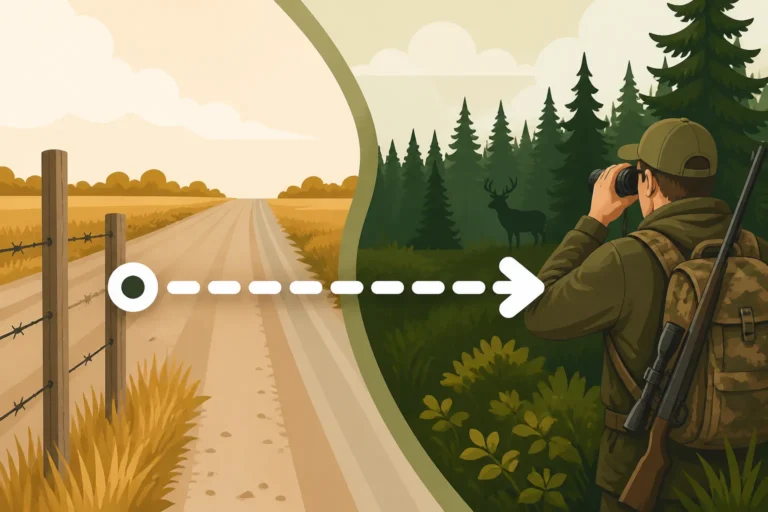
- Local Knowledge and Observation: Nothing beats "boots on the ground" scouting and talking to locals. Drive around likely areas, especially at dawn and dusk. Look for birds flying into or out of fields. Watch for large rafts of ducks on potholes or sloughs. Identify their feeding patterns. Knock on doors and talk to farmers – they are often the best source of information on local bird activity and, crucially, permission to hunt their land. Be respectful, offer to help with any crop damage, and always leave the land cleaner than you found it.
Navigating Public vs. Private Land Access
Access is often the biggest hurdle for waterfowl hunters, particularly in the prime agricultural zones. Manitoba offers both public and private land opportunities, each with its own set of rules and considerations.
- Private Land: Most of the prime grain fields are on private property. This means you must obtain landowner permission before hunting. This isn't just polite; it's the law. Start by driving the area you're interested in, identifying fields with bird activity. Then, try to find the landowner. A friendly, polite approach, offering to share some game or help out, can go a long way. Some landowners might require you to sign a waiver or only allow hunting on specific days. Always respect their wishes. Getting Permission for a Goose Field delves deeper into this essential skill.
- Public Land (Crown Land and WMAs): Manitoba has extensive Crown land, though not all of it is ideal waterfowl habitat. However, many Wildlife Management Areas (WMAs) are specifically managed for waterfowl and offer excellent public hunting opportunities. These areas are often wetlands and marshes, and while they can see more pressure, they consistently hold birds. Check the regulations carefully for each WMA, as some may have specific rules regarding blinds, shot types, or access. Mapping tools again become invaluable for Hunting a Manitoba Wildlife Management Area and identifying accessible Crown land. Don't forget to check Manitoba's Wildlife Management Areas for detailed info.
Reading the Landscape for Fresh Sign
Beyond simply seeing birds, recognizing fresh sign is crucial. You're not just looking for birds, but where they've been and what they're doing.
- Droppings: Fresh droppings in a field or along a marsh edge are a clear indicator of recent activity. Goose droppings are typically larger and more tubular, while duck droppings are smaller and more varied. The colour and consistency can tell you how recent the activity was.
- Feathers: Piles of feathers on a field edge or in a roosting pond suggest birds have been resting or preening there. Look for flight feathers, down, and body feathers to confirm species.
- Tracks: While not as obvious for waterfowl as for big game, tracks can be found in muddy field approaches, along shallow water edges, or on sandbars in rivers.
- Water Ripples and Movement: On calm mornings, you might see subtle ripples or movement on a pothole or slough that indicates ducks are still present, even if they're hidden in vegetation.
- Food Scratches: In harvested fields, you might see small scratch marks where geese have been digging for spilled grain. This indicates active feeding.
By combining digital scouting with on-the-ground observation, you can refine your search for that perfect spot.
Timing Your Hunt: Seasonal Strategies for Waterfowl Ground
Manitoba's waterfowl season is a dynamic beast, constantly changing from early September to late fall. The "best" ground shifts with the seasons, driven by local bird production, weather patterns, and the massive pushes of migration.
Early Season: Local Birds and Abundant Water
The early season, typically starting in September, is characterized by local birds. These are ducks and geese that have bred and raised their broods right here in Manitoba.
- Habitat Focus: During this time, smaller potholes, local marshes, and harvested pea or barley fields are often very productive. Water levels are typically still high, and birds are dispersed across the landscape. They're still learning their patterns, making them a bit more predictable in their daily routines.
- Species: You'll encounter a good mix of mallards, pintails, teal, and local Canada geese. Snow geese might start arriving in smaller numbers towards the end of September.
- Strategy: Early season hunting can involve jump-shooting small potholes, setting up modest decoy spreads over roosting ponds, or field hunting small groups of local Canadas. Scouting for active local feeding fields and observing their flyways is crucial. Weather is usually milder, so comfort isn't as much of a concern, but bugs can still be present! Remember to have your Manitoba Duck Season Dates and Goose Season Dates by Zone handy.
Peak Migration: Following the Major Pushes
October, and often stretching into early November, is typically when Manitoba experiences the incredible spectacle of peak waterfowl migration. Cold fronts to the north push massive numbers of birds down the flyway, bringing new energy and new opportunities.
- Habitat Focus: This is when the large grain fields become absolutely electric with thousands of geese, and the major marshes and larger potholes swell with new arrivals of ducks. The scale of bird numbers can be overwhelming. As temperatures drop, birds start concentrating more in larger, more secure wetlands for roosting, and larger, more consistent food sources in fields.
- Species: Expect huge pushes of snow geese, greater white-fronted geese (specklebellies), and Canada geese. Duck numbers remain high, with increasing numbers of divers. You'll often see new ducks that weren't present in the early season. For insights into hunting this specific phenomenon, check out Hunting Manitoba's Snow Goose Migration.
- Strategy: This is prime time for large field spreads for geese, often involving dozens or even hundreds of decoys to attract big flocks. For ducks, strategic placement in larger marshes or connecting waterways can be incredibly rewarding. Scouting becomes even more critical as birds are constantly moving. You need to be mobile and willing to shift your location based on where the birds are hitting on any given day.
Late Season: Cold Weather and Remaining Birds
As November progresses and winter approaches, the late season brings its own unique challenges and rewards. Many birds have moved further south, but significant numbers remain, especially if open water and accessible food sources persist.
- Habitat Focus: Open water becomes paramount. Any slough, river, or lake that hasn't frozen solid will hold birds. Geese will target any remaining open fields, often focusing on corn or tougher stubble fields. Ducks will gravitate to larger, deeper water bodies that freeze later, or river stretches with current.
- Species: Mallards and Canada geese are typically the last to leave, being more tolerant of cold. You might find hardy divers still present on large lakes. Success often hinges on finding the limited open water and the most desirable food sources.
- Strategy: Layering up is essential for late season hunts, as temperatures can drop well below freezing. For geese, targeting cornfields or fields with a consistent feeding pattern is key. For ducks, finding stretches of open water on rivers or larger lakes where they can escape the cold can be very productive. Expect fewer birds overall, but often less pressure, and the birds that are left are generally smarter and harder to decoy. This type of hunting often demands more patience and resilience. Consider Hunting Safely in Deep Winter Cold for more tips on staying warm.
No matter the season, remember to secure your The Federal Migratory Game Bird Permit and ensure you're using Non-Toxic Shot Requirements for Waterfowl. By understanding Manitoba's diverse habitats, mastering scouting techniques, and adapting to the seasonal rhythms, you'll greatly improve your chances of finding that "best ground" and enjoying incredible waterfowl hunting experiences year after year.
Disclaimer
This article is for general informational purposes only and does not constitute professional advice. Laws, prices and regulations vary by location and change over time. Consult a qualified professional for guidance on your specific situation.