Walking Up Sharptails on Manitoba Grassland
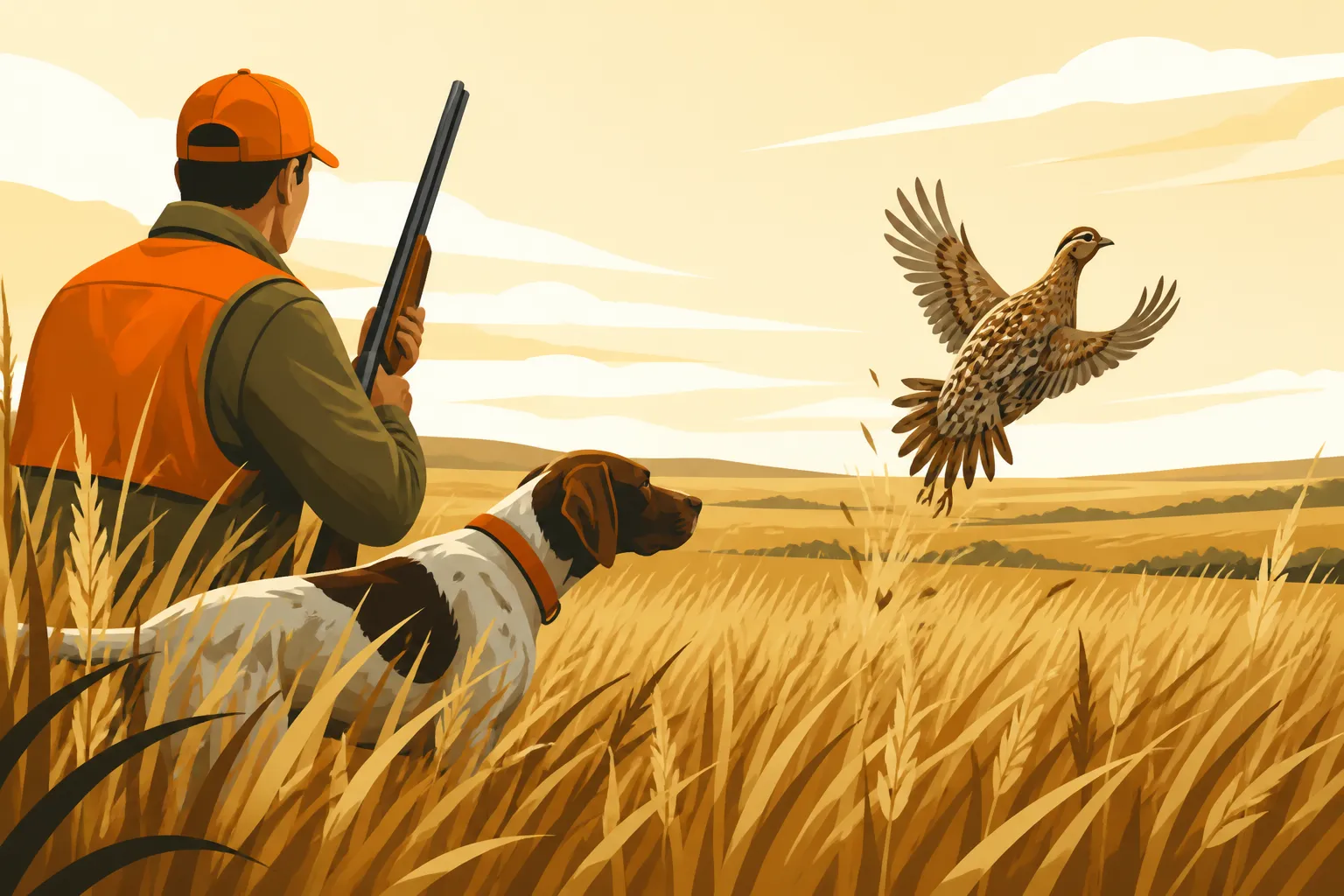
There's nothing quite like the sudden flush of a sharptail grouse exploding from cover, wings whirring, when you're just out for a walk on a crisp Manitoba morning. But let's be real, finding these elusive birds in the vast expanses of our prairie and parkland can feel like looking for a needle in a haystack. Many hunters get frustrated, walking for miles without seeing a feather, or worse, flushing birds out of range because they're not reading the land right. This guide is here to cut through that frustration, offering a seasoned hunter's perspective on how to successfully walk up sharptails on Manitoba's beautiful grasslands, turning those long walks into memorable hunts.
Understanding Sharptail Grouse and Their Habitat in Manitoba
Sharptails are truly a bird of the prairie, a testament to Manitoba's wild heart. They aren't like ruffed grouse, tucked away in dense bush, or Huns hugging shelterbelts. Sharptails demand open spaces, but with enough cover to feel safe and find sustenance. Understanding their habits is the first step to finding them consistently.
The Sharptail's Daily Habits and Preferences
These birds are early risers, often feeding at dawn and dusk. During the mid-day, especially on warmer days, they'll often "loaf" in thicker cover, digesting their meals and staying out of the elements. Their diet is quite varied, shifting with the seasons. In fall, you'll find them keying in on berries, seeds from various grasses and forbs, and even grain if they're close to agricultural fields. They love to eat the buds of aspen and willow, especially when snow cover limits ground forage.
They are known for their coveys, which can range from a handful of birds to a dozen or more. When a covey flushes, it's often a chaotic explosion, birds scattering in all directions. This can be startling, but it also gives you multiple opportunities if you're quick and decisive. After the initial flush, they'll typically fly a good distance before pitching down into similar cover, often on a slight rise or ridge. Keep an eye on where they land; marking a few down can lead to productive follow-up flushes.
Identifying Prime Grassland Habitat
When you're looking for sharptails, think "edge" and "diversity." While they love wide-open spaces, they also need protective cover. This means searching for areas where native prairie grasses are thriving, especially those with some height and density. Think about the kind of habitat you'd read about in a guide on Walking Up Sharptails on Manitoba Grassland — it's not just flat, short grass.
Ideal spots often include areas with a mix of tall grass, shrubby cover like willow bluffs, patches of rose bushes, or even scattered pockets of aspen trees. These thicker areas provide crucial escape cover from predators and harsh weather, especially strong winds or heavy snow. Conservation Reserve Program (CRP) lands, designed to take marginal agricultural land out of production and restore natural cover, are often goldmines for sharptails. Similarly, native pastures that haven't been overgrazed offer excellent habitat. These areas typically have a good mix of forbs and grasses, providing both food and cover.
Reading the Landscape for Sharptail Holds
Sharptails are masters of using topography to their advantage. They love to hold in draws, along the edges of small coulees, or on the lee side of hills where they're protected from the wind. If you're walking a large, seemingly uniform grassland, pay close attention to any subtle changes in elevation or vegetation. A small dip in the land, even just a few feet, can create a microclimate that sharptails prefer.
Look for areas where different habitat types converge. The transition zone between a tall grass prairie and a willow bluff, or where an old fence line creates a thicker line of vegetation, can be incredibly productive. When you're scouting, consider using mapping tools like those available through GoHunt to identify these features before you even set foot in the field. They can show you subtle elevation changes, vegetation types, and even old homestead sites that might have unique cover. Water sources, even seasonal ones like sloughs or potholes, can also draw birds in, especially in drier years. If you want to delve deeper into identifying productive areas, exploring resources like Hunting a Native Grassland Pasture can offer valuable insights.
Essential Gear and Techniques for Walking Up Sharptails
Successful sharptail hunting isn't about fancy gadgets; it's about preparation, smart footwork, and knowing how to make the shot count. Dress for comfort and protection, carry the right tools, and develop a methodical approach to covering ground.
Dressing for the Elements and Terrain
Manitoba weather, especially in the fall, can be incredibly fickle. One minute it's sunny and mild, the next a biting wind whips up, or a sudden squall blows through. Layering is absolutely critical. Start with a moisture-wicking base layer, add an insulating mid-layer like fleece, and top it off with a windproof and water-resistant outer shell. You'll be walking a lot, so you'll heat up, but standing still after a flush can cool you down quickly.
Footwear is arguably the most important piece of gear. You'll be covering miles over uneven terrain, through dew-soaked grass, and potentially over rough stubble or rocky patches. A good pair of waterproof, comfortable, and supportive hiking boots is a must. Ensure they're well broken in to avoid blisters, which can quickly ruin a hunt. Briar-resistant pants or chaps are also a wise investment, especially when pushing through thicker brush where sharptails love to hide. And of course, don't forget your blaze orange! Manitoba has specific requirements, and it's always better to be safe, especially when hunting public lands like those detailed in Public Hunting Land in Manitoba.
Firearms and Shot Selection
When it comes to shotguns, a 12-gauge or 20-gauge are both excellent choices for sharptails. The lighter recoil of a 20-gauge can be appreciated after a long day of walking and shooting, especially if you're quick on the swing. An open choke, like an Improved Cylinder or Modified, is generally preferred for walking-up birds. Sharptails tend to flush within 20-30 yards, and a more open choke pattern allows for a quicker, wider spread, increasing your chances of connecting with a fast-flying bird.
For shot size, 7 ½ or 6 shot are common and effective choices. 7 ½ shot offers a denser pattern, which is great for closer flushes, while 6 shot carries a bit more energy for birds that get up a little further out or if you encounter other upland birds like pheasants. Always use good quality ammunition; cheap shells can lead to frustration with inconsistent patterns or misfires. Don't overload yourself with shells, a box or two is usually plenty for a day of walking, especially considering the Sharp-Tailed Grouse Season and Limits in Manitoba.
Walking Patterns and Dog Work
If you're hunting without a dog, your walking pattern becomes your primary "scouting" tool. Instead of just walking in a straight line, try a zig-zag or sweeping pattern across promising cover. This helps you cover more ground and increases the chances of flushing birds that might be holding tight. Walk slowly and deliberately, pausing frequently. Sharptails will often hold until you're right on top of them, but a momentary pause can make them nervous enough to flush, giving you a valuable split second to react.
When a bird flushes, focus intently. If it's a covey, try to pick out a single bird, swing through it, and make the shot. Then, quickly mark where the other birds flew and landed. This mental map is crucial for follow-up flushes. Understanding Upland Bird Hunting in Manitoba involves more than just sharptails, but the principles of methodical walking and keen observation apply across the board.
For those lucky enough to hunt with a dog, the experience changes dramatically. A good pointing dog will cover ground efficiently, pinpointing birds and holding them on point, giving you time to walk in and prepare for the flush. This is an incredible advantage, as the dog does the hard work of locating birds that you might otherwise walk past. If you're exploring the idea of hunting with a canine companion, resources like Using a Pointing Dog on Manitoba Prairie or Using a Flushing Dog in Thick Cover can provide excellent insights into training and tactics. Even without a dog, applying some of these principles, like working into the wind when possible to mask your scent and sound, can be beneficial.
Finding the Right Manitoba Grasslands for Sharptail Hunting
Manitoba offers a fantastic array of grasslands, but not all are created equal for sharptails. Knowing where to focus your efforts, whether on public land or by seeking permission on private ground, is key to consistent success.
Public Land Opportunities for Sharptails
Manitoba is fortunate to have extensive tracts of Crown land and numerous Wildlife Management Areas (WMAs) that offer excellent sharptail hunting opportunities. These areas are specifically managed for wildlife habitat, often preserving large blocks of native prairie and suitable brushy cover. The Parkland region, stretching from the US border north through the Interlake and beyond, is particularly known for its sharptail populations. Places like the Narcisse WMA in the Interlake, or certain sections of the Pembina Valley, can be very productive.
When planning a hunt on public land, always check GHA (Game Hunting Area) maps and regulations thoroughly. Online mapping tools, including features offered by GoHunt, can be invaluable for pinpointing Crown land boundaries and identifying WMAs. They often allow you to overlay different land types, showing you where you can legally hunt. Remember that these areas can see pressure, especially on opening weekend, so scouting beforehand or venturing a little further off the beaten path can pay dividends. For more detailed information, studying Hunting Manitoba's Parkland Region will give you a better understanding of these prime hunting grounds.
Securing Private Land Access
While public lands are a great resource, some of the best sharptail hunting can be found on private agricultural land, particularly in pastures, hay fields, or CRP fields that farmers maintain. Respectful, early engagement with landowners is crucial. A simple knock on the door, well before hunting season, explaining your intentions and offering to help with any crop damage issues (though less common for sharptails than big game), can go a long way. Always be polite, offer a small token of appreciation, and respect their property.
When asking for permission, be specific about where you want to hunt and what you're targeting. Farmers are often more amenable to upland bird hunters than big game hunters, as the impact on their land is generally lower. Once you have permission, stick to the agreed-upon areas and be sure to leave gates as you found them. Never assume permission carries over year to year; always re-establish contact. This approach to landowner relations is often highlighted in articles like Knocking on Doors in Manitoba Farm Country.
Identifying Productive Sharptail Areas
Whether on public or private land, the trick is knowing what makes a spot "productive." Look for mosaic habitats – areas that blend several elements that sharptails need.
Table: Key Habitat Indicators for Sharptail Grouse
| Habitat Feature | Why It Attracts Sharptails | What to Look For |
|---|---|---|
| Native Tall Grasses | Provides dense cover for concealment and nesting, insect food source. | Big bluestem, switchgrass, indiangrass, often chest-high. |
| Shrubby Cover | Thermal regulation, escape cover from predators, food source. | Willow bluffs, buckbrush, rose bushes, hawthorns, saskatoons. |
| Rolling Topography | Shelters birds from wind, offers sunning spots, aids escape. | Subtle draws, swales, lee sides of hills, small coulees. |
| Edge Habitat | Transition zones offer diverse food and cover. | Where pasture meets cropland, forest edges, old fence lines. |
| Water Sources | Essential for hydration, especially in dry periods. | Slough edges, dugouts, small creeks, drainage ditches. |
Don't be afraid to use modern tools for scouting. Satellite imagery, which can be integrated with apps like GoHunt, allows you to visualize potential hotspots from home. You can identify those tell-tale shrub patches, draws, or transitions between different vegetation types. This kind of "e-scouting" is a game-changer for efficiently narrowing down vast areas and is covered in detail in guides such as Scouting With Satellite Imagery in Manitoba. When you're in the field, look for signs like droppings, dusting bowls, or even feathers. These indicate recent bird activity and can confirm you're in a good area.
Ethical Hunting Practices and Regulations for Sharptails
As hunters, we are stewards of the land and its wildlife. Upholding ethical practices and adhering to all regulations ensures the future of our sport and maintains a positive image for hunting in Manitoba.
Understanding Season Dates and Bag Limits
Before you even step foot in the field, know the rules. Manitoba has specific season dates and bag limits for sharp-tailed grouse, which can vary slightly by Game Hunting Area (GHA) or year. Always consult the current Manitoba Hunting Guide, published annually by Manitoba Sustainable Development. For instance, the general upland bird season might run from mid-September into December, but it's crucial to confirm the exact dates for sharptails in your specific GHA. Daily bag limits typically allow for 6-8 birds, with a possession limit usually double the daily bag. Exceeding these limits is not only illegal but also unsustainable. Staying informed about Manitoba Upland Bird Seasons is a year-round responsibility for any ethical hunter.
Safety First in the Field
Hunting is an inherently safe activity when done correctly, but it demands constant vigilance. Always treat every firearm as if it were loaded. Be absolutely certain of your target and what lies beyond it before taking any shot. When walking with others, maintain safe spacing and be mindful of where your companions are at all times. Wearing blaze orange is not just a regulation; it's a critical safety measure that makes you visible to other hunters and dramatically reduces the risk of accidents.
When a sharptail flushes, it can be exhilarating, but resist the urge to swing wildly. Take a split second to identify the bird and ensure you have a clear, safe shot. Avoid shooting low, which can pepper dogs or other hunters, and never shoot towards roads, buildings, or livestock. Remember that even though you're in open country, there can still be hazards like fences, old farm equipment, or even other people. Safety is always paramount.
Carcass Care and Respect for the Harvest
Once you've successfully harvested a sharptail, the work isn't over. Proper carcass care ensures you get the best quality meat and shows respect for the bird. Field dress your birds as soon as possible, especially on warmer days. This means removing the entrails to allow the carcass to cool quickly. Many hunters will simply breast out grouse, but the legs and thighs also offer excellent meat.
Transport your birds in a cooler with ice, especially if you have a long drive home. Once home, clean and process the birds promptly. Sharptail meat is lean and delicious, perfect for roasting, grilling, or frying. Freezing them properly will preserve the quality for months. Never waste game meat; it’s a fundamental ethical responsibility for all hunters. This extends to proper disposal of any parts you don't keep, ensuring they are not left to attract scavengers or create an unsightly mess. Our goal is to leave the land better than we found it.
Disclaimer
Please note that hunting regulations, season dates, and access rules can change. It is every hunter's responsibility to consult the most current Manitoba Hunting Guide and relevant provincial and federal legislation before heading into the field. This guide provides general information and recommendations, but it is not a substitute for official regulations.