Combining a Deer and Bird Hunt
There’s a common dilemma that many of us face as hunters: do you dedicate your precious fall hunting time to chasing that elusive whitetail buck, or do you head out to the fields and marshes for the thrilling action of bird hunting? It often feels like you have to choose one or the other, sacrificing one passion for another. But what if you didn't have to? This guide is all about exploring the fantastic opportunities Manitoba offers to combine a deer hunt with a bird hunt, maximizing your time afield and giving you a truly unforgettable experience.
Why Combine a Deer and Bird Hunt in Manitoba?
Manitoba is a province of incredible diversity when it comes to wildlife and habitat, making it an ideal destination for hunters who want to pursue multiple species on a single trip. The landscape shifts dramatically from rich agricultural land to sprawling boreal forests and vast wetlands, often within surprisingly close proximity. This unique blend creates a mosaic of prime habitat for both big game and a wide array of game birds, offering a compelling case for a combined hunting adventure.
Maximizing Your Time and Investment
Let's be honest, hunting trips involve a significant investment of both time and money. Travel costs, accommodations, licences, and gear all add up. When you commit to a trip, you want to make every moment count, and there’s no better way to do that than by pursuing more than one species. Imagine traveling to Manitoba, setting up your camp or lodge, and then having the option to hunt deer in the morning and evening, and then fill the mid-day hours with some exhilarating waterfowl or upland bird action.
This approach means more days in the field, more chances to fill your tags, and a richer overall hunting experience. Instead of just focusing on one animal, you're immersing yourself in the full breadth of Manitoba's hunting opportunities. It’s about getting the most bang for your buck, both literally and figuratively, ensuring that your journey to the province is as productive and memorable as possible.
Overlapping Seasons and Prime Opportunities
One of the biggest advantages to combining a deer and bird hunt in Manitoba is the natural overlap of hunting seasons, especially in the prime fall months. As deer seasons open for archery and then rifle hunters, many migratory bird seasons are in full swing, and upland birds are holding tight. This means you don't have to wait for separate trips; you can plan one extended adventure that caters to both interests.
Think about early to mid-fall, when the leaves are turning, and the air has that crisp feeling. You could be calling in a whitetail buck during the archery season while simultaneously having incredible opportunities for ducks and geese in the stubble fields, or walking up sharp-tailed grouse on the prairie edges. As the Manitoba Rifle Deer Opening Day approaches, you might also find yourself perfectly positioned for late-season mallards or the tail end of the sandhill crane migration. It’s all about timing your trip to hit that sweet spot where multiple opportunities align, making for a truly dynamic hunting experience. This seasonal synergy is what makes Manitoba such a fantastic choice for those looking to diversify their hunt.
Planning Your Combined Hunt Strategy
Combining a deer and bird hunt isn't just about showing up with a deer rifle and a shotgun; it requires thoughtful planning to ensure success for both pursuits. From scouting the right areas to gathering the necessary gear and navigating licence requirements, a strategic approach will make all the difference.
Researching Game Hunting Areas GHAs for Dual Opportunities
The key to a successful combined hunt lies in choosing the right Game Hunting Area (GHA). Some GHAs in Manitoba are renowned for big deer, while others are bird hunting meccas. The trick is to find those sweet spots that offer excellent opportunities for both. Look for GHAs that feature a mix of habitat: agricultural fields for waterfowl and whitetails, adjacent bush country for deer and ruffed grouse, and wetlands for ducks. Areas where farmland meets forest fringe, like parts of the Parkland region, can be particularly productive.
When you're Scouting a Manitoba Game Hunting Area, pay close attention to the habitat diversity. Are there sloughs and potholes for ducks alongside aspen bluffs and brushy draws for deer? Are there stubble fields that attract geese, backed by a treeline where a big buck might be bedding? Studying detailed GHA maps and even using satellite imagery can help you identify these multi-species hotspots. For instance, an area with good access and varied terrain could provide prime deer habitat in its bush edges while simultaneously offering excellent field hunting for geese or even jump-shooting ducks in nearby potholes. Consider areas around the Interlake or parts of the Southwest for this kind of overlap.
Essential Gear for a Multi-Species Trip
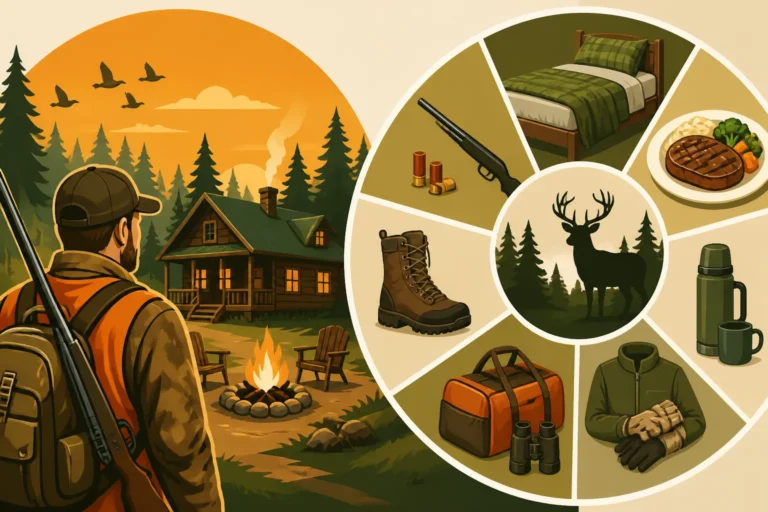
Bringing the right gear for a combined hunt can feel like packing for two trips, but with some smart choices, you can manage it effectively. You’ll definitely need different firearms. For deer, a reliable rifle or bow is essential, depending on the season and your preference. For birds, a shotgun capable of handling non-toxic shot (especially for waterfowl) will be necessary. Don't forget ample ammunition for both!
Beyond firearms, think about versatile clothing. Layering is always crucial in Manitoba, as temperatures can fluctuate wildly, especially in fall. You'll need scent control for deer hunting, but also comfortable, durable outerwear for long walks after birds. Decoys for waterfowl, calls for both deer and birds, and good binoculars are all critical. Consider a versatile backpack that can transition from carrying deer essentials to bird bags. It's about having what you need without overpacking, which can quickly become a burden on a multi-faceted hunt. Remember, you might need a different kind of footwear for wading through marshes than for still-hunting through the bush, so plan accordingly.
Understanding Licence and Permit Requirements
This is where organization is paramount. Hunting multiple species in Manitoba means you'll almost certainly need multiple licences and permits. For deer, you'll need a resident or non-resident big game licence, plus the appropriate tag for the GHA and weapon type you plan to use. For birds, it gets a little more layered. You'll need a Manitoba game bird licence, and if you're targeting migratory birds like ducks, geese, or sandhill cranes, you'll also require a federal Migratory Game Bird Hunting Permit and a Canadian Wildlife Habitat Conservation Stamp.
It's vital to apply for all necessary permits well in advance and ensure you understand the specific seasons and bag limits for each species in your chosen GHA. Check the current Manitoba Hunting Licences and What They Cost well before your trip. The rules for Manitoba Migratory Bird Permits are specific, and you absolutely need to comply with federal regulations. Don't forget that non-toxic shot is mandatory for all waterfowl hunting in Canada. Double-check all requirements before heading out, as conservation officers are diligent in ensuring compliance.
Logistics and Practical Considerations
Executing a successful combined hunt requires more than just good planning; it demands a solid understanding of logistics. From managing your time efficiently in the field to handling game meat, these practical considerations can make or break your trip.
Time Management and Daily Flow
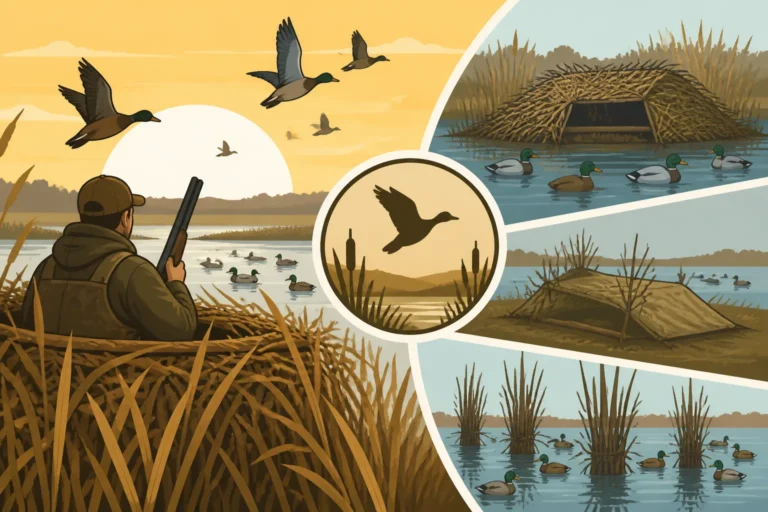
One of the biggest challenges of a combined hunt is how to best utilize your time each day. It’s nearly impossible to hunt deer and ducks simultaneously, so a well-thought-out schedule is critical. A common strategy involves focusing on birds during the prime morning hours, especially for waterfowl. Getting out before dawn to set decoys and call in ducks or geese can be incredibly productive. Once the bird action slows down, you can shift gears.
Mid-day, when deer are often bedded, can be used for scouting, moving stands, or even a quiet still-hunt through cover. As evening approaches, you can transition back to deer hunting, positioning yourself for a last-light encounter. Alternatively, if bird hunting is slow, you might spend the entire day focused on deer. The key is flexibility and being ready to adapt your plan based on conditions and game movement. Remember to factor in travel time between your deer and bird spots, which can be considerable in some GHAs. It's a dance between the species, and knowing when to pivot is what will lead to success.
Finding Suitable Accommodation and Logistics
Your base camp for a combined hunt needs to be strategically located. You'll want a spot that offers reasonable access to both good deer habitat and productive bird hunting grounds. This might mean finding a cabin or motel in a small town that sits on the fringe of agricultural land and boreal forest, rather than deep in one environment or the other. Consider locations that reduce your daily commute, as driving back and forth can eat up valuable hunting time.
Transportation is another crucial element. A reliable truck or SUV is a must for navigating Manitoba's diverse terrain, which can range from gravel roads to muddy field approaches. In some areas, a quad or side-by-side might be invaluable for accessing remote hunting spots, especially if you plan on Quad and Side-by-Side Rules on Crown Land. When you're thinking about Hunting Access Near Brandon or Hunting Access Near Dauphin, consider how close you are to both the big game zones and the waterfowl hotspots. Having a central location minimizes travel fatigue and maximizes your time actually hunting, which is always the goal.
Processing and Meat Care for Diverse Game
Bringing home multiple species means you’ll be dealing with different field dressing and meat care requirements. A whitetail buck, especially if taken in warmer early-fall temperatures, needs to be field dressed quickly and cooled down as soon as possible. Carrying game bags and even a large cooler with ice might be necessary if your camp doesn't have a walk-in cooler. For birds, prompt breasting out or plucking is essential to maintain meat quality.
Having a dedicated space for processing back at camp, or knowing the location of a local butcher, can save a lot of headaches. If you're hunting in cold weather, Meat Care in Manitoba's Cold Snaps is less of an immediate concern, but still requires attention. Ensuring you have proper tagging for all animals is also non-negotiable, as wildlife officials often check for compliance during transport. Proper planning for carcass handling will ensure that all the delicious wild game meat makes it home in top condition.
Working with Outfitters for a Combined Hunt
While a DIY combined hunt is certainly possible, the logistics can be daunting, especially for those new to Manitoba. This is where a reputable outfitter can be an absolute game-changer, turning a complex endeavor into a seamless and highly enjoyable experience.
Why an Outfitter Can Be a Game-Changer
Manitoba outfitters specialize in understanding the local terrain, game movements, and hunting regulations. For a combined hunt, their expertise is invaluable. They can guide you to prime deer habitat, knowing exactly where the big bucks are moving, and then seamlessly transition to a hot waterfowl field they’ve scouted relentlessly. This local knowledge saves you countless hours of scouting and guesswork, dramatically increasing your chances of success for both species. An outfitter handles everything from setting up comfortable camps or lodging to providing expert guides and even assisting with licences and game recovery.
If you're looking to simplify your trip and maximize your hunting success, especially when juggling multiple species, reaching out to an outfitter is a smart move. Platforms like BookYourHunt and GoHunt are excellent resources for finding reputable Manitoba outfitters who offer multi-species packages. They can connect you with professionals who understand the nuances of Hunting Whitetails in Manitoba's Bush Country and Field Hunting Geese in Manitoba Stubble, ensuring you get the best of both worlds.
Tailoring Your Combined Hunt Package
Don't assume all outfitters offer standard combined hunt packages. The beauty of working with a good outfitter is the ability to often tailor your trip to your specific interests. When contacting an outfitter, be very clear about your desire for a deer and bird combination hunt. Discuss the specific species of birds you're interested in (ducks, geese, upland birds) and your deer hunting preferences (archery, rifle, muzzleloader). A custom package might involve dedicated days for each species, or a flexible schedule that allows you to pursue whichever game is most active on a given day.
Outfitters often have access to private land for both deer and birds, which can offer less pressure and higher success rates. They'll know the current regulations, season dates, and even the nuances of Manitoba's Second Deer Licence Rules if you’re looking for extra opportunities. Utilizing resources like BookYourHunt or GoHunt allows you to browse various outfitter profiles and filter for those explicitly offering Manitoba Combination Hunt Packages, making it easier to find one that aligns with your dream hunt. Don't be shy about asking if they can customize a trip for your specific dates and preferences.
Important Questions to Ask Your Guide
Before you commit to a combined hunt with an outfitter, have a detailed conversation to ensure everyone is on the same page. Here are some key questions to ask:
- What is the typical daily schedule for a combined hunt? Understanding how they balance big game and bird hunting throughout the day will set your expectations.
- What gear do I need to bring, and what do you provide? This covers everything from shotguns and rifles to waders, decoys, and blinds.
- How do you handle licences and tags? Some outfitters will assist with the process, while others expect you to arrive with all permits in hand.
- What are the success rates for both deer and birds on a combined trip? While guarantees are impossible, an outfitter can give you realistic expectations based on past seasons.
- How is game processed and transported? This is especially important for multiple animals.
- What happens if weather conditions are unfavorable for one species? How flexible is the schedule to adapt to changes?
Asking these kinds of questions will help you vet the outfitter and ensure they can deliver the kind of combined hunting experience you're looking for. It also shows them you're a serious and prepared hunter, ready to make the most of the opportunity. A transparent outfitter will appreciate your thoroughness and be happy to provide detailed answers, like those you might find helpful in Checking a Manitoba Outfitter Licence.
Here's a quick look at how different combined hunt scenarios might stack up:
| Feature | Early Fall Combined Hunt (Archery Deer + Waterfowl/Upland) | Late Fall Combined Hunt (Rifle Deer + Late Waterfowl/Upland) |
|---|---|---|
| Deer Opportunity | Archery season, pre-rut activity, good for patterning. Bucks still active but wary. | Rifle season, peak rut or post-rut. Bucks highly active, colder weather. |
| Bird Opportunity | Peak waterfowl migration, good upland bird numbers. Warmer, more active birds. | Late-season waterfowl, hardy ducks/geese. Upland birds in dense cover. Colder, tougher conditions. |
| Weather | Mild to cool, potentially warm days. Bugs might still be present. | Cold, potentially snow and ice. Layers are critical, deep freezes possible. |
| Gear Considerations | Scent control, bug spray, versatile layers. Waterfowl decoys. | Heavy winter clothing, extreme cold gear. Ice-breaking capabilities for waterfowl. |
| Logistical Challenge | Managing scent for deer, rotating between warm weather gear and field gear. | Battling extreme cold, keeping gear functional. Potentially limited water access for waterfowl. |
| Typical Daily Flow | Early morning waterfowl, mid-day deer scouting/still-hunt, evening deer stand. | Morning field hunting for geese, mid-day tracking/still-hunting deer, evening deer stand. |
| Recommended Approach | Focus on specific "hot" times for each, be highly adaptable. | Be prepared for prolonged cold sits. Prioritize deer during peak rut, fit birds in as able. |
Combining a deer and bird hunt in Manitoba is more than just bagging multiple species; it's about experiencing the full spectrum of what this incredible hunting province has to offer. It's about witnessing the sunrise over a stubble field as geese decend, and then later watching a whitetail buck slip through the aspen at dusk. With careful planning, the right gear, and perhaps the assistance of an experienced outfitter, you can turn this dream into a reality. The rewards are not just in the freezer, but in the unforgettable memories and the deep connection you'll forge with Manitoba's wild landscapes.
Disclaimer
This article is for general informational purposes only and does not constitute professional advice. Laws, prices and regulations vary by location and change over time. Consult a qualified professional for guidance on your specific situation.