Hunting Manitoba’s Southwest Farmland
Hunting in Manitoba's southwest farmland can feel like staring at a vast, open puzzle, especially if you're used to dense bush or mountainous terrain. The sheer scale of cultivated fields, interspersed with small pockets of cover and drainage ditches, can be incredibly intimidating. Where do you even begin to find deer, or set up for waterfowl when every horizon looks the same? It's a common frustration to feel like you're just driving past endless potential, without a clear strategy. This comprehensive guide is here to break down the unique challenges and incredible opportunities that come with hunting Manitoba's southwest farmland, helping you understand the landscape, locate game, and gain successful access to these productive lands.
Understanding the Southwest Farmland Landscape for Hunting
The southwest region of Manitoba is a world unto itself when it comes to hunting. It's a mosaic of vast agricultural fields, rolling prairie, and surprisingly deep river valleys that carve through the otherwise flat landscape. This isn't the dense boreal forest of the north or the mixedwood parkland further east; here, agriculture is king, and game animals have adapted their lives around it. To hunt effectively, you need to understand how these elements combine to create habitat and influence animal movement.
Geographical Features and Game Habitat
While it might appear uniform from a distance, the southwest farmland holds subtle but significant geographical features that are crucial for hunters to recognize. We're talking about the low-lying areas, the gentle rises, the shelterbelts, and the drainage systems. These aren't just random bumps and lines; they are often the only reliable cover, travel corridors, or bedding areas for big game. Think of the Pembina Valley, for example, a dramatic scar on the landscape offering incredible habitat diversity, or the smaller river breaks and creek bottoms that provide year-round sanctuary and crucial thermal cover from harsh winter winds. These features, even small ones like a brushy knoll in the middle of a quarter section, act as magnets for wildlife. They offer relief from the open elements, a place to hide, and often a concentrated food source. Hunting a Prairie Coulee Bottom is a perfect example of how these subtle features become prime hunting locations.
Dominant Agricultural Practices and Their Impact
The farming practices in Manitoba's southwest directly influence game patterns. Large-scale cultivation of crops like canola, wheat, barley, and corn dictates where and when animals feed, bed, and travel. After harvest, the remaining stubble fields become prime feeding grounds for deer and especially waterfowl. A field of standing corn, late into the fall, is an impenetrable fortress for whitetails, offering both food and cover. Understanding the crop rotation and harvest schedules can give you a significant advantage. For instance, knowing when the combines will roll through the corn fields means you can anticipate deer movement as their primary cover disappears. Similarly, knowing which fields are swathed (cut and laid in rows to dry) versus straight-cut (harvested directly) can tell you where waterfowl are likely to concentrate for easy pickings. This cyclical nature of agriculture means that prime hunting spots can shift dramatically from year to year, or even week to week.
Water Sources and Their Importance
In a largely agricultural landscape, water sources become critical focal points for all wildlife. This isn't just about big rivers; it's about the dugouts, sloughs, potholes, and drainage ditches that crisscross the land. While many sloughs might dry up in late summer, the deeper ones, along with man-made dugouts, offer consistent water, especially in drier years. These water bodies often have cattail or willow edges, providing vital cover and bedding areas in an otherwise open environment. Deer, coyotes, and especially waterfowl, will orient their movements around these essential hydration points. Understanding where these water sources are, even small, ephemeral ones, can unlock patterns of movement that are otherwise invisible. Hunting a Frozen Slough Crossing in late season can be incredibly productive, demonstrating the year-round importance of these water features.
Key Game Species and Their Habits in the Farmland
Manitoba's southwest farmland might not boast the sheer variety of game found in the deep bush, but what it lacks in species count, it more than makes up for in population density and trophy potential for specific animals. This region is a powerhouse for whitetails, waterfowl, and certain upland birds, all of which have adapted remarkably to an agricultural existence.
Whitetail Deer: Adapting to Agriculture
Whitetail deer in the southwest farmland are truly masters of adaptation. Unlike their bush country cousins, these deer are often larger-bodied, thanks to an abundance of high-protein agricultural forage. They utilize every shred of cover available, from narrow shelterbelts and willow runs to standing crops like corn or tall stubble fields. During the day, they might bed down in a small bluffy area, a thick drainage ditch, or even just a slight depression in a vast field, relying on their keen senses and the sheer expanse of the land to avoid detection. Travel corridors are often dictated by these linear features: fence lines, field edges, and brushy draws. Understanding how deer move between their bedding cover, typically in brushy draws, river valleys, or dense pockets of bush, and their primary food sources in the fields is absolutely key. The rut here can be explosive, as bucks travel widely across open terrain in search of does, often making them more visible than at any other time of year. Hunting Whitetails on Manitoba Farmland requires a different set of skills than forest hunting, focusing on understanding these open-country adaptations.
Waterfowl: The Grain Field Magnet
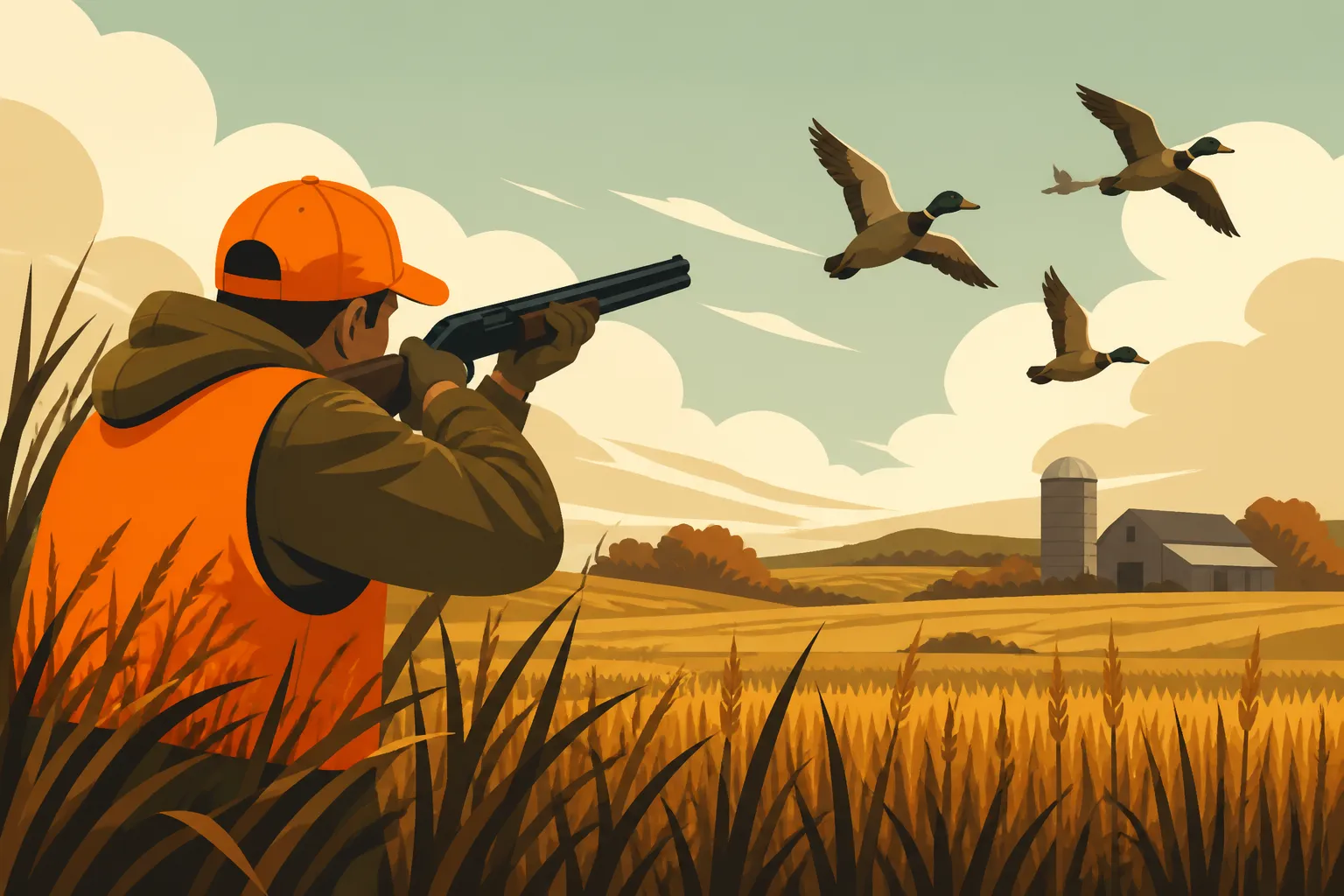
The southwest is arguably Manitoba's waterfowl mecca. The abundance of unharvested and spilled grain acts like a giant magnet, drawing in incredible numbers of ducks and geese during migration. Canada geese, snow geese, and various duck species descend upon these fields, often in immense flocks. Their habits are largely dictated by feeding patterns: they'll roost on larger water bodies at night and fly out to feed in grain fields at first light and again in the late afternoon. Scouting becomes paramount for waterfowl hunters in this region. You need to identify which fields they are actively feeding in, usually by observing their flight patterns from a distance or by locating their droppings and feathers in a specific field. Decoy spreads, whether large spreads for snow geese or smaller, more realistic spreads for Canadas and ducks, are the name of the game. Field Hunting Geese in Manitoba Stubble is a quintessential southwest experience, demanding careful planning and execution.
Upland Birds: Shelterbelts and Field Edges
While not as abundant as in some other regions, upland birds like Hungarian partridge and sharp-tailed grouse also find a home in the southwest farmland. Hungarian partridge, often called Huns, are particularly well-suited to the agricultural landscape. They prefer open grasslands, crop edges, and shelterbelts, using these linear strips of trees and shrubs for cover and nesting. You'll often find coveys of Huns bursting from cover along a fence line or a gravel road right-of-way. Sharp-tailed grouse, while more prevalent in native prairie and pastureland, can also be found in the fringe areas where agriculture meets more natural grasslands. Hunting these birds often involves walking along these natural edges, shelterbelts, and fence lines, sometimes with a good pointing dog to help locate the coveys. Hunting Hungarian Partridge on Manitoba Farms provides thrilling, fast-paced action.
Predators: Coyotes and Foxes Thriving
Where there's an abundance of game and rodents, predators thrive, and the southwest farmland is no exception. Coyotes are incredibly common here, preying on deer fawns, waterfowl, and a steady diet of voles, mice, and rabbits. They are intelligent and wary animals, constantly on the move, utilizing the same cover and travel corridors as deer. Calling coyotes, especially in the winter months when their fur is prime, is a popular pursuit. Red foxes are also present, often found skirting the edges of fields and shelterbelts, a flash of orange against the snow. Their cunning makes them a challenge to hunt, but a rewarding one. Understanding how these predators move and hunt themselves can actually help you anticipate the movements of their prey species. Calling Coyotes at First Light can be a heart-pounding experience in these open areas.
Strategies for Scouting and Locating Game
In the expansive southwest farmland, simply driving around hoping to bump into game is rarely an effective strategy. The sheer scale demands a more calculated approach, one that leverages modern technology with good old-fashioned boots-on-the-ground effort. This is where diligent scouting truly pays off, allowing you to narrow down vast areas into productive hunting zones.
Utilizing Aerial and Satellite Imagery
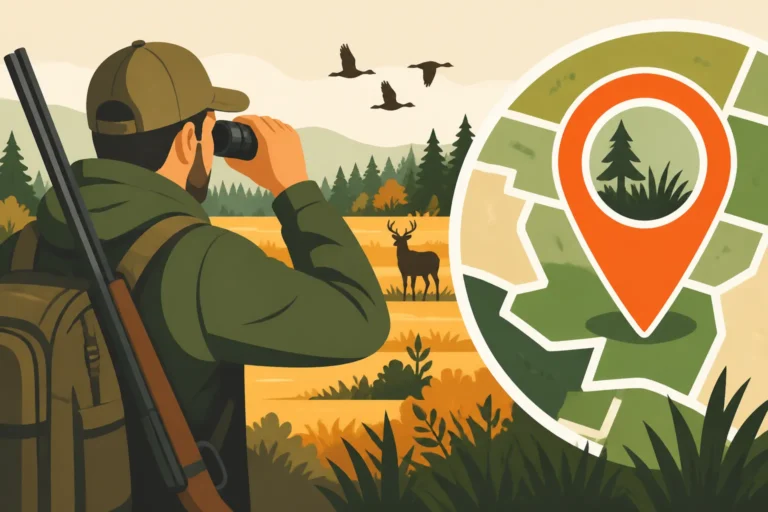
Before you ever set foot in the field, modern mapping tools are your best friend. Services like onX Hunt and GoHunt provide invaluable satellite imagery that allows you to virtually scout vast tracts of land from your couch. You can identify potential bedding cover in bluffs, locate hidden sloughs or dugouts, trace drainage ditches, and spot those crucial shelterbelts or treelines that game will use for travel and security. Look for patterns: where do the fingerings of bush extend into fields? Where are the narrowest points in a river valley that deer might cross? Where are the isolated groves of trees that could hold a whitetail buck during the day? These digital tools allow you to mark waypoints, measure distances, and plan your approach long before you drive out. By understanding the contours and features from above, you can often predict where deer will bed, where waterfowl will feed, or where coyotes might den, greatly reducing your time spent aimlessly wandering.
On-the-Ground Reconnaissance and Reading Sign
While satellite maps are great for planning, nothing beats physical scouting. Once you've identified potential areas on your map, it's time to put boots on the ground, always respecting private property boundaries. Drive the grid roads and observe field edges. Look for fresh tracks in the mud of a ditch, rub lines along a tree row, or droppings in a stubble field. For waterfowl, scout at dawn or dusk, watching flight patterns to determine which fields they are using. Pay attention to fence crossings and pinch points where cover narrows, as these are natural travel routes. Look for beds in thick grass, tall weeds, or even flattened areas in standing crops. For upland birds, focus on shelterbelts and grass margins. This hands-on reconnaissance confirms what you saw on the map and provides fresh, real-time intelligence on current game activity. It's about becoming a detective, piecing together clues to understand the daily lives of the animals you're pursuing. Reading Whitetail Sign in Manitoba Aspen shares some universal principles that apply even in less dense cover.
Understanding Seasonal Game Movement Patterns
Game movement in the southwest farmland is highly seasonal and often tied to agricultural cycles and weather. In early fall, deer might be spread out, feeding heavily on standing crops. As harvest progresses, they concentrate in the remaining cover and newly exposed stubble fields. During the whitetail rut in November, bucks become more active and less cautious, often moving in daylight across open areas. Deep snow in winter will push deer into the thickest thermal cover available, such as deep river valleys or dense bush pockets. Waterfowl movements are entirely migratory, with different waves of birds passing through at various times, peaking in October. Understanding these seasonal shifts helps you plan your hunt for the optimal time. For example, hunting the post-harvest period can be fantastic for deer as they focus on accessible grain, while the peak of the rut is prime for targeting mature bucks on the move. Hunting the Rut in Early to Mid November is a crucial period for big game hunters in this region.
Gaining Access: Public vs. Private Land
Access is perhaps the most critical factor when hunting Manitoba's southwest farmland. Unlike some heavily forested regions, large tracts of this area are privately owned, meaning that securing permission is often the key to a successful hunt. However, there are also opportunities on Crown Land and managed areas if you know where to look.
Navigating Private Land Permission
The vast majority of the productive farmland in Manitoba's southwest is privately owned. This means that Manitoba Landowner Permission Law applies, and hunters must obtain permission from the landowner before hunting. This isn't just a suggestion; it's a legal requirement and a sign of respect. The best approach is often old-fashioned legwork: knocking on doors, introducing yourself, and clearly stating your intentions. Be polite, dress presentably, and be prepared to be told no. Many landowners are hesitant due to past negative experiences, but a friendly, respectful approach can often open doors. Offer to help with chores, share your harvest, or provide your contact information. Be absolutely clear about what species you intend to hunt, where, and when. A written agreement, even a simple one, can be beneficial for both parties. Building a relationship with a landowner over time can grant you access to prime hunting ground for years to come, turning a handshake into a trusted partnership.
Identifying and Accessing Crown Land Pockets
While private land dominates, there are scattered pockets of Crown Land throughout the southwest farmland. These can include small, isolated bush quarter sections, river corridors, provincial forests, or wildlife management areas. Locating these parcels requires diligent map work. Tools like onX Hunt or the provincial government's online mapping resources are essential for identifying legal Crown Land boundaries. Once identified, understanding the rules for accessing and hunting these areas is paramount. Some Crown Lands are easily accessible via public roads, while others might require permission to cross private land to reach. Hunting Whitetails on Manitoba Crown Land can be highly rewarding, but often requires more effort to scout and reach. Always check for specific regulations pertaining to WMAs or other designated public lands, as rules can vary.
Respecting Landowner Relations and Rules
Successful hunting in the farmland hinges on good landowner relations. If you gain permission, treat the land as if it were your own, or better. Close gates, don't drive on wet fields, pack out all your garbage, and be mindful of livestock. If you harvest an animal, make sure to show your gratitude. Offering a portion of the meat, a gift card, or simply a thank you note can go a long way. Always adhere to any specific rules the landowner sets, such as restricted areas, times, or types of hunting allowed. Remember, you are a guest, and your actions reflect on all hunters. A positive experience with one hunter can influence a landowner's willingness to grant permission to others in the future, while a negative one can close doors for everyone. Knocking on Doors in Manitoba Farm Country teaches you the nuances of this critical interaction.
Effective Hunting Methods for the Farmland
The open nature of Manitoba's southwest farmland dictates specific hunting methods that differ significantly from hunting in dense forests. Success here often relies on long-range vision, strategic positioning, and understanding animal behavior in wide-open spaces.
Stand Hunting Field Edges and Cover
Stand hunting, whether from a treestand, ground blind, or even a strategically parked truck (where legal and safe), is a highly effective method for deer in the farmland. The key is to position your stand along predictable travel corridors between bedding areas and food sources. Field edges, where brush or treelines meet open fields, are natural funnels. The corner of a standing corn field, a brushy point extending into a stubble field, or a narrow willow run connecting two larger blocks of cover are all prime locations. Whitetails often feel more secure skirting these edges rather than crossing wide-open fields in daylight. A ground blind offers excellent concealment in open terrain and can be especially useful for waterfowl or predator hunting. Remember, these deer are often accustomed to human activity, but they are also incredibly wary of anything out of place. Setting up early and minimizing your scent are always critical. Hanging a Stand on a Manitoba Bush Edge provides a good foundation for this strategy, even if the "bush" here is a narrow strip.
Spot-and-Stalk Techniques in Open Terrain
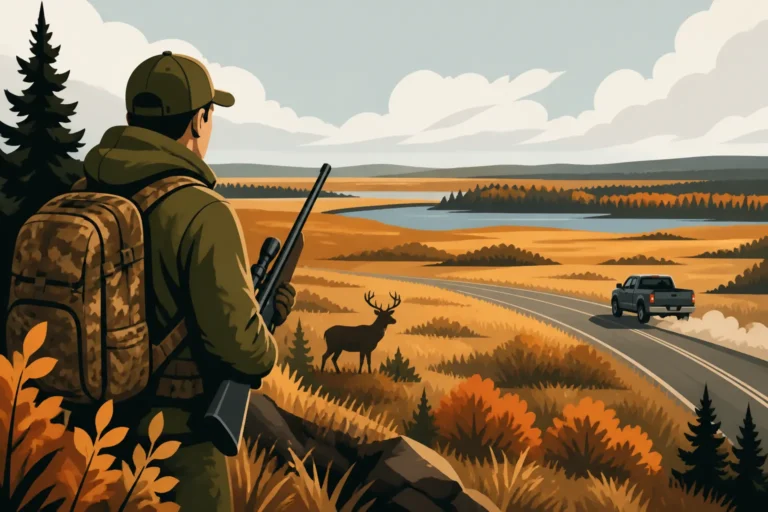
Spot-and-stalk hunting, particularly for whitetails and coyotes, can be incredibly productive but also challenging in the open farmland. It demands excellent optics, patience, and a keen eye for subtle terrain features. The method involves slowly glassing vast areas from a vantage point, such as a bluff or a gentle rise, to locate animals. Once an animal is spotted, the real challenge begins: using the available cover (drainage ditches, treelines, standing crops, or even just rolling terrain) to close the distance undetected. This often means long, circuitous routes, staying low, and moving slowly. Wind direction is paramount, as your scent will travel far in open country. It's a game of chess, using the land's nuances to your advantage. For coyotes, spotting them from a distance and then using terrain to get into calling range can be very effective.
Decoying and Calling for Waterfowl and Predators
Decoying is absolutely essential for waterfowl hunting in the southwest. Large spreads of Canada goose, snow goose, or duck decoys are used to attract birds into shooting range. The setup needs to be realistic, placed in fields where birds are actively feeding or have been observed flying. Layout blinds are crucial for concealment in these open fields, allowing hunters to hide completely within the decoy spread. Calling is the other half of the equation, used to grab the attention of passing birds and coax them into the decoys. For predators, especially coyotes, various calls can be used to mimic distress calls of prey animals or the howls of other coyotes. This can draw curious or territorial coyotes into range. Positioning is key; find a vantage point with good visibility and a clear shooting lane, but also use the wind to your advantage, keeping your scent from blowing towards the animal. Setting a Goose Spread in Swathed Barley details the specific tactics for effective decoy use.
Navigating Regulations and Season Specifics
Hunting in Manitoba means playing by the rules, and the southwest farmland, with its unique blend of agriculture and wildlife, has its own set of considerations. Staying informed about regulations, season dates, and specific requirements is crucial for a legal and ethical hunt.
General Big Game Season Dates and Rules
Manitoba's general big game seasons for species like whitetail deer typically open in the fall, with archery seasons starting earlier, followed by muzzleloader and then general rifle seasons. These dates can vary by Game Hunting Area (GHA), so it's vital to consult the current hunting guide for the specific GHA you plan to hunt in the southwest. For example, some GHAs in the southwest may have extended antlerless seasons or second deer licence opportunities. Always be aware of legal shooting hours, which are typically half an hour before sunrise to half an hour after sunset. Understand the legal firearms and ammunition allowed for big game, and the blaze orange requirements for rifle season. Remember, proof of sex must often remain on your harvested animal during transport. Manitoba Whitetail Season Dates by GHA is your first stop for planning.
Waterfowl and Upland Bird Seasons and Limits
Waterfowl seasons in Manitoba's southwest often run from early September through to late fall, with different opening and closing dates and bag limits for various species (ducks, Canada geese, snow geese, sandhill cranes). You'll need both a provincial hunting licence and a federal migratory game bird permit, along with a Canadian Wildlife Habitat Conservation Stamp. Non-toxic shot is mandatory for all migratory bird hunting. Upland bird seasons for species like Hungarian partridge and sharp-tailed grouse generally open in September and continue into late fall, with specific daily bag and possession limits. Again, check the current provincial hunting guide for the exact dates and limits for the GHAs you intend to hunt. Manitoba Migratory Bird Permits are essential, and should be acquired well in advance of your hunt.
CWD Sampling and Carcass Transport
Chronic Wasting Disease (CWD) is a serious concern in Manitoba, and certain GHAs in the southwest are designated as CWD surveillance zones. If you harvest a deer, moose, or elk in one of these GHAs, mandatory CWD sampling may be required. This means submitting the head of your animal to a designated sampling station within a specific timeframe. There are also strict regulations regarding the transport of carcasses and certain parts (like spinal column and brain material) out of CWD-designated areas to prevent the spread of the disease. It's imperative to know these rules before you hunt in any area that requires CWD sampling to avoid violations and help prevent the spread of this devastating disease. Which Manitoba GHAs Require CWD Sampling is a critical piece of information for hunters in the southwest.
Essential Gear and Safety Considerations
Hunting in Manitoba's southwest farmland presents its own set of gear and safety requirements. The open, exposed nature of the landscape, combined with potentially long shooting distances and variable weather, demands careful preparation.
Clothing and Footwear for Open Country
The weather in Manitoba's southwest can be notoriously unpredictable, swinging from warm, sunny days to bitter cold, windy conditions, sometimes all within a single hunt. For early season, lightweight, breathable layers are key, but always carry extra insulated layers. For late season, truly warm, windproof, and waterproof outer layers are non-negotiable. Sitting still for hours in a layout blind or a ground blind in a field means battling the cold from the ground up, so insulated boots and a warm hat are paramount. The open nature of the farmland means you're often exposed to the wind, which can cut right through inadequate clothing. Good quality waterproof, insulated boots are essential for traversing wet fields, sloughs, and ditches, and for staying warm while sitting stationary. Layering is always the smart play, allowing you to adjust to changing temperatures and activity levels. Sitting All Day in a Manitoba Blind gives excellent advice on staying comfortable in these conditions.
Optics and Long-Range Shooting Equipment
Given the expansive, open terrain of the southwest, high-quality optics are not a luxury; they are a necessity. Binoculars (10×42 or 12×50 are common choices) are crucial for spotting game at long distances and evaluating their size. A spotting scope can be invaluable for identifying game species and judging trophy quality from afar, especially for waterfowl or deer across a mile-long field. Laser rangefinders are also essential for accurate shot placement on big game, as distances can often be deceiving in open country. Many shots in the farmland will be at longer ranges than in dense bush, so having a rifle capable of consistent accuracy at extended distances, paired with practice, is highly recommended. For waterfowl, a good shotgun that fits you well and performs reliably is key, along with a variety of choke tubes to adapt to different shooting scenarios.
Safety Best Practices in Agricultural Areas
Hunting in agricultural areas comes with its own unique safety considerations. Always be aware of your surroundings, as you may encounter farm equipment, livestock, or other people on adjacent properties. Never shoot towards farm buildings, roads, or occupied dwellings. Be mindful of fence lines and electric fences. When crossing fences, do so safely, and always ensure gates are closed behind you. Be extremely cautious about shooting across roads or over rises where you cannot see what is beyond. Communication with landowners is critical not just for access, but for understanding potential hazards on their property. Finally, carry a fully charged cell phone (though service can be spotty in some remote pockets) and a first-aid kit. Let someone know your hunting plans and expected return time. Safety in the wide-open farmland means being constantly aware of your backdrop and potential hazards beyond your immediate field of view.
| Feature / Aspect | Farmland Hunting (Southwest Manitoba) | Bush/Forest Hunting (Boreal/Parkland) |
|---|---|---|
| Primary Cover | Shelterbelts, drainage ditches, standing crops, bluffs | Dense timber, thick undergrowth, logging clearings |
| Game Visibility | Often long-range, exposed | Short-range, obstructed |
| Scouting Method | Aerial imagery, field-edge driving, glassing | Walking trails, reading tracks, focused ground work |
| Access Challenge | Predominantly private land, landowner permission | More Crown Land, denser terrain challenges |
| Dominant Game | Whitetail deer, waterfowl, coyotes, Huns | Moose, black bear, whitetail deer, grouse |
| Typical Shot Range | Often longer distances (100-300+ yards) | Shorter, closer range (under 100 yards) |
| Required Optics | High-power binoculars, spotting scope, rangefinder | Binoculars, good rifle scope |
| Wind Impact | Significant, extreme exposure | Less severe, more sheltered |
| Calling Importance | Critical for waterfowl & predators, useful for deer | Effective for moose, bear, some deer |
| Gear Focus | Warm, windproof layers; long-range rifle/shotgun | Durable, quiet layers; all-around rifle/bow |
Disclaimer
This article is for general informational purposes only and does not constitute professional advice. Laws, prices and regulations vary by location and change over time. Consult a qualified professional for guidance on your specific situation.