Hunting Manitoba’s Recreation Site Country
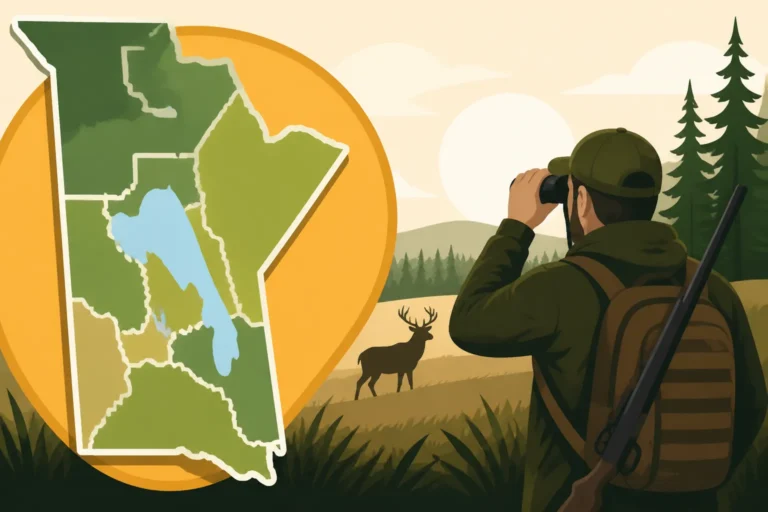
It's easy to look at a map of Manitoba and see all those little green splotches marked "Recreation Site" and just assume they're off-limits for hunting, or at the very least, too busy to be worth your time. Many hunters drive right past them, envisioning crowded picnic tables and bustling campgrounds. But for those willing to do a little homework and put in some legwork, Manitoba's recreation site country can hold some surprising opportunities for deer, bear, upland birds, and more. This guide will walk you through how to understand, access, and successfully hunt these often-overlooked public lands.
Understanding Manitoba's Recreation Sites for Hunting
Manitoba's recreation sites are typically tracts of Crown land that have been designated for public recreational use. This can range from well-developed campgrounds with amenities to very basic day-use areas, or even just a designated spot along a scenic route for pulling over and enjoying nature. The key thing to remember is that while they are set aside for recreation, many of them are not off-limits to hunting, though there are often specific rules and safety considerations you absolutely need to be aware of.
What Defines a Recreation Site
Think of a recreation site as a specific parcel of Crown land managed for public enjoyment. Unlike a full-blown provincial park where hunting is generally prohibited, recreation sites can offer a different set of rules. They might have designated camping areas, picnic grounds, boat launches, or hiking trails, but the surrounding bush or forest that makes up the bulk of the site often remains open to activities like hunting. The intention is to provide outdoor access, and in many cases, responsible hunting aligns with that goal, albeit with extra precautions. These sites are typically managed by Manitoba Parks and Protected Spaces, which means their regulations can differ from general Crown land. It’s never safe to assume; you must check.
Hunting Regulations Within Recreation Sites
Here's where it gets critical: you cannot, and should not, treat every recreation site the same. Each site often has its own set of specific regulations, and it's your responsibility as a hunter to know them. Generally, the developed areas—like the actual campgrounds, day-use picnic areas, or within a certain distance of buildings or maintained trails—will be closed to hunting or have very strict firearm discharge restrictions. However, the undeveloped fringes or larger bush blocks within the recreation site boundaries might be perfectly legal to hunt.
You’ll want to consult the official Manitoba Hunting Guide and the specific GHA (Game Hunting Area) regulations for that region. Sometimes, a recreation site might be part of a larger Manitoba's Wildlife Management Areas network, which means even more layers of rules. Pay close attention to any signage posted at the site entrance. No matter what, always ensure you are familiar with Manitoba Hunter Education Requirements and any local bylaws that might apply. Discharging a firearm too close to a populated area or a maintained recreation spot can lead to serious consequences, and rightfully so. Safety is paramount, especially when sharing the land with non-hunters.
Finding Recreation Sites on Maps
Gone are the days of just guessing. Modern mapping tools are your best friend here. When you're looking for potential hunting grounds, digital platforms like onX Hunt and GoHunt are invaluable for identifying these recreation sites and understanding their boundaries. They often display different layers that can show Crown land, private land, and designated recreation areas. You can zoom in and see the exact borders, helping you understand where developed areas end and huntable bush begins.
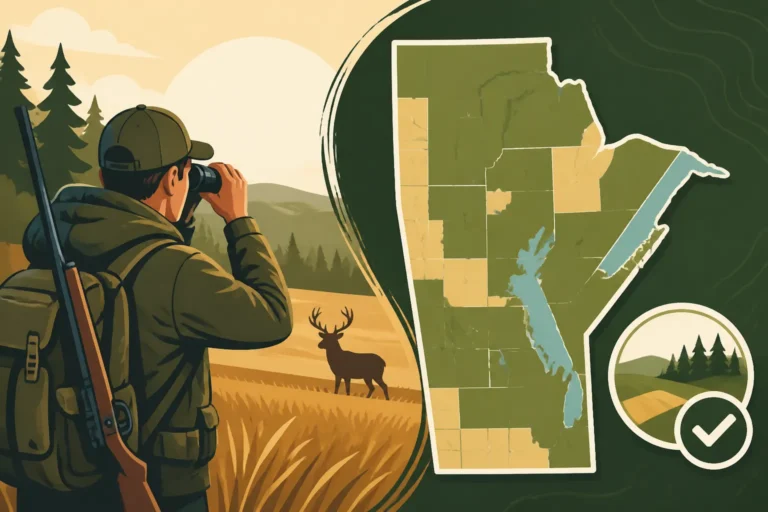
Start by looking at the general Manitoba's Game Hunting Areas map. Then, layer in the recreation site boundaries. You'll often notice that a site might be a large tract of land, with only a small portion developed. The undeveloped "back forty" of these sites, or the deep bush surrounding a small lake access point, might see minimal hunting pressure because everyone assumes the entire area is off-limits. Using satellite imagery on these apps can reveal hidden trails, overlooked pockets of timber, or water sources that could concentrate game. This digital scouting, coupled with a solid understanding of Reading a Manitoba GHA Map Before You Go, is essential for unlocking the potential of these spots.
Strategies for Hunting Recreation Site Country
Hunting recreation site country successfully requires a slightly different approach than heading into vast, undeveloped Crown land. You're dealing with potentially higher human traffic, specific access points, and game that might be more accustomed to human presence, albeit likely more wary during daylight hours.
Scouting for Game in Recreation Sites
Successful hunting here starts with thorough scouting, both remotely and boots-on-the-ground. Because these areas often experience more human activity – hikers, campers, dog walkers – the game animals within them can be quite conditioned. They might move mostly at night, or gravitate towards the thickest, least-disturbed cover during the day. This is where those satellite imagery tools from onX Hunt or GoHunt really shine. Look for areas that are difficult for casual visitors to reach, dense pockets of timber, swampy areas, or ridges that offer natural seclusion but are still within the recreation site boundaries.
During your physical scouting trips (ideally outside of hunting season), look for fresh sign in these hidden pockets: tracks, rubs, scrapes, and bedding areas. Pay attention to how the game is utilizing the land in relation to human disturbance. A deer might bed 50 yards off a well-used hiking trail, but only move during the quiet hours of dawn and dusk. Understanding these patterns is crucial. You might find that small game, like squirrels and rabbits, are more plentiful and less wary in some areas due to less hunting pressure. For larger game like deer or bear, focus on transitional areas, where thicker cover meets a more open food source, often on the periphery of the recreation site where it borders agricultural fields or other undisturbed bush.
Access and Movement within Sites
Accessing recreation sites can be a double-edged sword. On one hand, they often have established roads, parking areas, and sometimes even maintained trails, which can make getting in easier than hacking your way through unmarked bush. On the other hand, Vehicle Rules on Manitoba Crown Land might be more restrictive here, with designated parking only, and no off-road vehicle use within certain areas. You need to verify what's permitted.
Many of these sites will require you to rely on foot power once you're past the main access points. This can be a huge advantage. While most hunters might stick to areas they can drive into, those willing to hike a few kilometers into the less accessible parts of a recreation site will often find undisturbed pockets of game. Think about using a mountain bike to cover ground quickly on trails where motorized vehicles are prohibited, then stashing it and continuing on foot. If permitted, a quad might allow you to access further reaches, but always check the regulations for the specific site and GHA regarding ATV use. Remember, the less noise and disturbance you make, the better your chances of encountering game that hasn't been spooked by others.
Timing Your Hunt
The timing of your hunt is paramount when dealing with recreation site country. Weekends, especially during peak seasons like summer or early fall, will see the highest volume of non-hunting recreational users. This means more hikers, campers, and general noise. Hunting during weekdays, particularly early in the morning or late in the evening, can significantly increase your chances. The human traffic tends to be much lighter, allowing game to move more freely.
Consider hunting during the shoulder seasons or even late season. For instance, Hunting the Late December Season might find recreation sites largely deserted by other users, especially if the weather turns cold. The same goes for early archery seasons, like When Manitoba's Archery Season Opens, before the general rifle seasons bring out the crowds. Animals in these areas become very attuned to patterns, so disrupting their expectations of human activity can be a potent strategy. A quiet, patient hunter moving slowly through an area that usually sees weekend warriors roaring down trails will often be rewarded.
Game Species You'll Find in Recreation Site Country
While recreation sites might not be your first thought for trophy hunting, they can be surprisingly productive for a variety of game, especially if you understand how animals adapt to these environments.
Common Species and Adaptations
You'll most commonly encounter white-tailed deer in these areas. While they might not be as plentiful as in pure wilderness areas, the deer in recreation sites are often incredibly adaptable and adept at using cover. They've learned to navigate human presence, becoming more nocturnal or sticking to the thickest cover during daylight hours. Manitoba Whitetail Season Dates by GHA will dictate when you can pursue them. Beyond deer, black bears are often present, especially in more forested recreation sites that border larger tracts of bush. Bears are opportunistic and will utilize any food source available, and the varied habitat in these sites can provide berries, nuts, and even opportunistic scavenging opportunities.
For upland bird hunters, recreation sites can be goldmines. Look for species like ruffed grouse and sharp-tailed grouse along the edges of trails, in mixed forest, or where denser bush meets clearings. Small game such as snowshoe hare can also be abundant in the thickets and young growth often found regenerating within these sites. Always make sure you're aware of the specific game bird seasons and limits for the area.
Understanding Pressure and Animal Behavior
Animals in recreation sites are accustomed to humans, but not necessarily to hunters. This means they might tolerate a passing hiker, but become incredibly wary and nocturnal at the sound or scent of a hunter. Their "flight zone" – the distance at which they will react and flee – will often be larger, and they'll likely move faster and more secretively. This demands patience, quiet movement, and a keen understanding of wind direction. You're hunting smart, not necessarily hard.
It also means that traditional tactics like rattling and calling might need to be adjusted. If you're Rattling Volume in Open Parkland in a heavily used recreation site, you might just be alerting other users, or worse, making game even warier. Instead, focus on quiet still-hunting, ambushing along known travel corridors, or setting up in overlooked bedding areas during legal shooting light.
Specific Habitat Features
Recreation sites, even small ones, often contain a diverse range of habitat features due to their recreational development. You might find a mature stand of timber, an open grassy area, a marshy slough, and younger regenerating forest all within a relatively small footprint. This diversity can be a huge draw for game. Deer will use dense cedar swamps for bedding cover, while foraging in the mixed bush. Bear might prefer thick stands of spruce for escape cover.
Focus on the edges where these different habitat types meet. A bush edge bordering an old field, or a wetland transition zone, can be excellent travel corridors. Look for natural funnels where game is constrained to move through a specific area. Water sources, even small ones, are also critical. While humans flock to the main lake or river access, a hidden spring or a small, ephemeral pond further off the beaten path could be a magnet for game. These details often show up well when Scouting With Satellite Imagery in Manitoba and then confirmed with on-the-ground reconnaissance.
Challenges and Considerations in Recreation Site Country
While these areas offer unique hunting opportunities, they also present specific challenges that require careful attention and responsible behavior from hunters.
Dealing with Other Users
One of the biggest differences when hunting recreation site country compared to truly remote wilderness is the higher likelihood of encountering non-hunters. Hikers, dog walkers, birdwatchers, and even cross-country skiers in winter can be present. Your primary responsibility is safety and courtesy. Always assume there are other people around, even if you don't see them.
This means being extra diligent with your shot selection, always having a clear backdrop, and never taking a shot if you're not 100% sure of what's beyond your target. Wearing plenty of Blaze Orange Rules and Exceptions is not just a good idea, it's often a legal requirement and a common-sense measure to make yourself visible to others. If you encounter non-hunters, be friendly, make eye contact, and politely acknowledge them. A simple nod or a "Good morning" can go a long way. Educate, don't confront, if questions arise about your presence. Remember, you are an ambassador for hunting.
Respecting Infrastructure and Boundaries
Recreation sites have specific infrastructure: picnic tables, outhouses, boat launches, informational kiosks, and often well-marked boundaries for developed areas. You must respect these. Hunting or discharging a firearm within these developed zones is almost always prohibited and extremely dangerous. Understand that a recreation site's hunting regulations may designate a safety buffer around these facilities.
Always stick to the huntable portions of the site. Do not block access roads or trails with your vehicle, and clean up any trash you generate. If a particular area is designated as "day-use only," adhere to those hours. Camping Rules on Manitoba Crown Land may apply, but even then, there might be specific rules for recreation sites that differ. Maintaining a low impact and leaving no trace ensures that these areas remain accessible for everyone, including future hunters.
Safety First and Foremost
Safety is always the number one rule in hunting, but it becomes even more critical in shared-use areas. Beyond wearing blaze orange and knowing your backdrop, it's vital to communicate with anyone you might be hunting with, especially if you split up. Have a plan, know each other's general location, and carry reliable communication devices. Cell service can be spotty in some of Manitoba's more remote recreation sites, so a satellite messenger or two-way radio might be wise.
Be extra cautious when moving through dense cover or over crests where visibility is limited. Treat every sound as if it could be another person until you can positively identify it as an animal. Always keep your firearm pointed in a safe direction, and keep your finger off the trigger until you are ready to shoot. By prioritizing safety and respecting all users of these spaces, we can ensure that Manitoba's recreation site country remains a viable and enjoyable hunting option for years to come.
| Recreation Site Feature | Hunting Consideration | Impact on Strategy |
|---|---|---|
| Developed Campground | Usually off-limits for hunting, strict firearm discharge zones. | Focus on outer fringes, respect buffer zones. Avoid during peak camping season. |
| Hiking Trails | High human traffic, especially weekends. | Hunt weekdays, early morning/late evening. Use trails for access, then move off. Be visible. |
| Boat Launches/Lakes | Can attract waterfowl hunters, but also recreational boaters. | Be aware of other users. Check specific waterfowl regulations for the site. |
| Mixed Bush/Forest | Excellent cover for deer, bear, upland birds. | Key areas for still-hunting or stand placement. Look for thickets. |
| Open Grassy Areas | Limited cover, but potential for foraging deer or grouse. | Best for glassing at dawn/dusk, or jump-shooting grouse. |
| Wetlands/Sloughs | Critical water source and cover. | Prime ambush points. Can be tough to access, reducing pressure. |
| Adjacent Farmland | Provides food source, especially for deer. | Deer will transition between recreation site cover and fields. Focus on edges. Hunting a Swathed Grain Field at Dusk |
Disclaimer
This article is for general informational purposes only and does not constitute professional advice. Laws, prices and regulations vary by location and change over time. Consult a qualified professional for guidance on your specific situation.