Opening Weekend Crowds on Manitoba Public Land
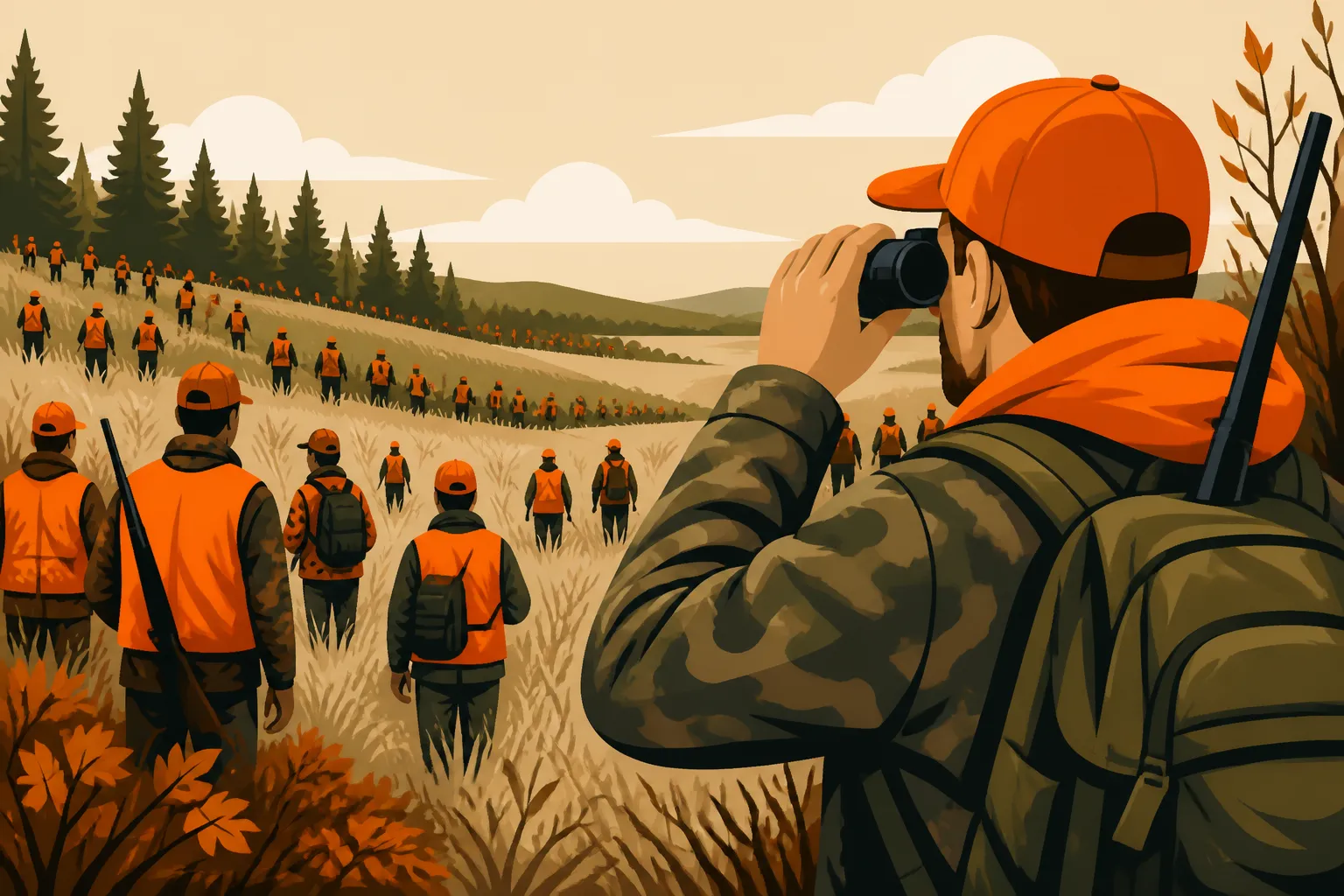
The first weekend of any hunting season in Manitoba can often feel less like a peaceful wilderness experience and more like a crowded fairground, especially on readily accessible public lands. Many of us have felt that sinking feeling, pulling up to a familiar spot only to find a line of trucks already parked or a dozen other hunters fanning out across what you thought was "your" quiet corner. This guide is here to help you understand why opening weekend draws such a crowd and, more importantly, equip you with practical strategies to find your space, adapt to the pressure, and still have a successful and enjoyable hunt, even when everyone else has the same idea.
Understanding the Opening Weekend Phenomenon
There's a reason opening weekend feels like Grand Central Station out in the bush. It's the culmination of months, sometimes years, of anticipation, planning, and dreaming. For many, it's the one guaranteed weekend they can dedicate to hunting, a tradition with friends or family. This convergence of enthusiasm, limited time off, and shared access points creates a unique challenge.
Why Everyone is Out There
Think about it: the long summer months spent scouting, shooting bows, or sighting in rifles all lead to this moment. The weather might be perfect, the leaves are turning, and the hope of a big buck or a full limit of birds is palpable. For a lot of hunters, especially those with busy schedules, opening weekend is simply the most convenient time to get out there. They might have a short window, and they're going to make the most of it, even if it means bumping into others. This shared eagerness, while understandable, inevitably concentrates hunters in the most accessible and historically productive areas. It’s not just a Manitoba thing; it’s a universal hunting truth.
What to Expect on Popular Public Land
When you head to a well-known Game Hunting Area (GHA) or a piece of Crown Land that's easy to get to, you should prepare for company. Expect to see other vehicles parked along gravel roads, hear distant shots, and maybe even bump into other hunters walking trails or still-hunting through the bush. Opening Weekend Crowds on Manitoba Public Land is a reality in many of the more accessible areas. This doesn't mean your hunt is ruined; it just means your approach needs to be different. Deer and other game are sensitive to human presence, and increased pressure can drastically change their patterns, pushing them into thicker cover or making them nocturnal. If you're hunting an area known for good access near a populated center, such as some of the WMAs closer to Winnipeg, this effect will be even more pronounced.
Strategies for Avoiding Crowds
The good news is that even on public land, there are always ways to find more solitude and less pressured game. It often comes down to putting in a little extra effort, thinking outside the box, and leveraging tools that give you an edge.
Go Where Others Won't
This is the golden rule for escaping the crowds. Most hunters are creatures of habit and convenience. They'll drive to the same spot, walk the same trails, and hunt the same bluffs year after year. To find solitude, you need to break away from these patterns.
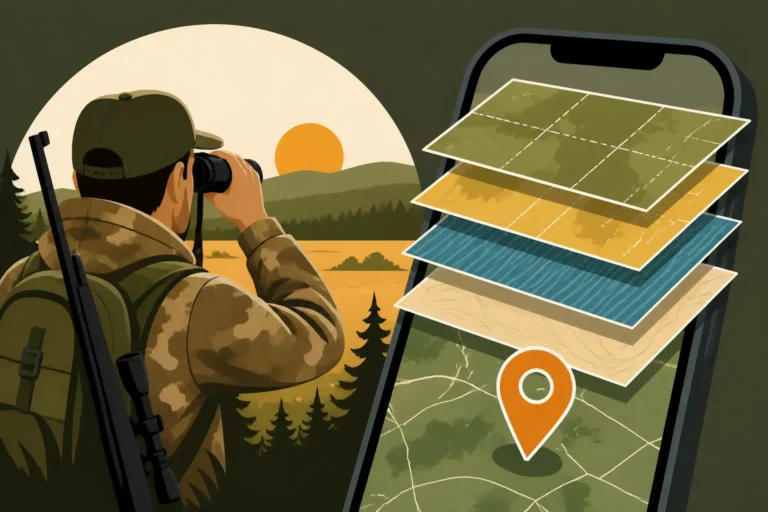
- Walk Further: The further you're willing to walk from a main access point or a public road, the fewer hunters you'll encounter. Even an extra half-mile or mile can put you beyond the casual hunter. This means being in shape and having the right gear to carry your essentials and, hopefully, your harvest. Consider using a mapping tool like onX Hunt to identify remote pockets of Crown Land or sections of a Wildlife Management Area that are a good distance from any road or obvious trail.
- Hunt Overlooked Terrain: Hunters often gravitate towards open areas, field edges, or well-defined bush lines. Look for swamps, dense willow thickets, steep ravines, or other difficult terrain that most people avoid. These spots often become sanctuaries for pressured game. For example, a big patch of dense tamarack bog might seem impenetrable, but deer often use such cover for bedding when human activity increases elsewhere. Hunting a Boreal Muskeg Edge can be incredibly productive, precisely because it deters most hunters.
- Target Less Popular GHAs: While some GHAs are renowned for big bucks or high game numbers, others fly under the radar. Do your research into areas that might have lower hunter density but still offer decent opportunities. This might mean driving a little further, but the payoff of a less-pressured hunt can be huge. The internet, particularly platforms like GoHunt, can provide insights into general harvest trends or regional reports that might point you towards these quieter corners.
Timing Your Hunt Differently
Everyone wants to be out at first light on opening day. But being strategic about when you hunt can also help you avoid peak pressure.
- Mid-Week Hunts: If your schedule allows, consider taking a day or two off during the week following opening weekend. The difference in hunter numbers from Saturday morning to Tuesday morning can be astonishing. Most people return to work, leaving public land significantly quieter. The game animals, having been pressured over the weekend, may also be starting to settle back into more predictable patterns, making them a bit more callable or patternable.
- Later in the Season: While this guide focuses on opening weekend, remember that pressure often tapers off significantly a few weeks into the season, especially outside of major rut periods. If your goal is solitude and less wary animals, hunting later might be a better option. Just be prepared for colder weather and potentially deeper snow. Hunting Safely in Deep Winter Cold becomes a serious consideration later in the season.
- Mid-Day Pushes: Most hunters are out at dawn and dusk. A lot of big game, especially deer, will bed down during the middle of the day. However, if the pressure is high, animals might be on the move throughout the day, pushed by other hunters. A strategic mid-day still-hunt or slow push through dense cover, where others aren't, can sometimes intercept game moving between bedding areas due to perceived threats.
Adapting Your Hunt When Crowds Are Present
Sometimes, despite your best efforts, you'll still find yourself sharing the woods. When that happens, it's not time to throw in the towel; it's time to adapt your tactics. Think about how the increased pressure is affecting the game and use that knowledge to your advantage.
Hunting the Edges and Fringes
Game animals, particularly deer, will seek refuge when they feel pressured. This often means moving into the thickest, nastiest cover available, or utilizing natural "edges" that provide a quick escape or a sense of security.
- Bush Edges and Shelterbelts: When hunters are active deeper in the bush or fields, deer will often hold tight to the edges. A thick bush edge bordering a field, or a dense shelterbelt row, can be a prime travel corridor or bedding area for deer avoiding pressure. They can dart out to feed under cover of darkness or move along the edge, feeling secure with the dense cover at their back. Hunting a Manitoba Bush Edge or Hunting a Shelterbelt Row in Open Prairie can be very effective tactics when there's a lot of activity in the surrounding areas.
- Swamps and Slough Rings: Wetlands and sloughs, especially those with dense cattails or willows, offer fantastic cover that most hunters avoid because it's wet, muddy, and tough to navigate. Pressured deer will often retreat into these areas and stay put. Hunting the edges of these water features, or even carefully still-hunting through the drier sections, can lead to surprising encounters. Hunting a Frozen Slough Crossing can be a great late-season strategy, but even in the fall, thick slough rings are sanctuaries.
- Islands of Cover: In agricultural areas, look for small, isolated pockets of bush, brush, or even standing crops that offer the only significant cover for miles. These "islands" become magnets for game, especially during high-pressure times. Deer might be pushed from larger bush blocks by hunters and congregate in these smaller, denser safe havens. Using onX Hunt to identify these smaller, isolated cover features on public land can be a game-changer.
Leveraging Hunter Movement
While other hunters can be a nuisance, their movement can also be used to your advantage. Think of them as accidental drivers, pushing game towards you.
- Posting and Waiting: If you know an area sees a lot of foot traffic or road hunting, try to predict where game will go when pushed. Set up quietly on a natural travel corridor, a pinch point, or the downwind side of a major bedding area. Let other hunters do the work of moving the animals, while you wait patiently for a deer to come to you. This is especially effective in areas with distinct terrain features like a bluff between two fields or a river valley edge. Hunting a Bluff Between Two Fields is a classic strategy to intercept pressured deer.
- Understanding Escape Routes: Game animals have preferred escape routes when pressured. These might be dense fencelines, drainage ditches, creek bottoms, or thick patches of brush. Identify these routes during your scouting, and if you encounter pressure, position yourself to intercept animals using them. Often, they'll use the path of least resistance or the path that offers the most cover.
- Communication with Other Hunters (When Appropriate): While not always feasible or desirable, sometimes a friendly wave and a quick chat can help. You might discover other hunters are moving through an area you're watching, allowing you to anticipate movement, or perhaps they'll reveal they're leaving, opening up a spot for you. Always be respectful and understand that not everyone wants to interact.
Scouting and Preparation as Your Best Defense
Ultimately, the most effective way to deal with opening weekend crowds is to be better prepared than everyone else. This means putting in the work before the season even begins, relying on knowledge rather than luck.
Pre-Season Reconnaissance
Your boots on the ground, or your eyes on a map, months before the season starts, will pay dividends when opening weekend arrives.
- Identify Multiple Access Points: Don't just rely on the main access road. Explore side trails, logging roads, or even consider walking in from an adjacent quarter section if landowner permission allows. Having multiple entry and exit strategies gives you flexibility when you arrive and find other vehicles parked. Scouting a Manitoba Game Hunting Area extensively is crucial here.
- Locate Sanctuary Areas: Find those thick, nasty, hard-to-reach pockets of cover where deer are most likely to retreat when pressure hits. These might be dense stands of spruce, overgrown clearcuts, or deep ravines. Mark these spots on your map using tools like onX Hunt, which allows you to layer satellite imagery with public land boundaries and topography. This way, you know exactly where to focus your efforts.
- Check for Fresh Sign: Look for rubs, scrapes, and active trails during the late summer and early fall. While these might change slightly by opening day, they give you a strong indication of where deer are active before hunting pressure shifts them. Knowing where deer were helps you predict where they might go when disturbed.
Using Technology to Your Advantage
Modern hunting tools can provide a significant edge in navigating public land and anticipating hunter movements.
- Mapping Applications (onX Hunt, GoHunt): These are invaluable. Use them to:
- Identify Public vs. Private Land: Crucial for staying legal and avoiding trespass. onX Hunt clearly delineates these boundaries.
- Study Topography and Terrain: Look for natural funnels, pinch points, ridges, and low spots that deer will use, especially when pressured. Find those deep coulees or heavy cover areas that most hunters will pass over.
- Mark Historical Activity: Pin locations where you've seen deer, found sign, or encountered other hunters in the past. Over time, this builds a comprehensive picture of an area.
- Identify Water Sources: Even small dugouts or frozen sloughs can concentrate game, especially in dry years. Hunting a Manitoba Dugout at Dusk can be surprisingly productive.
- Satellite Imagery and Aerial Photos: Spend time studying these. Look for subtle changes in vegetation, obscure trails, or hidden clearings that might not be visible from the ground. This helps you find areas that other hunters might not even know exist. Platforms like GoHunt often integrate satellite views for planning. Scouting With Satellite Imagery in Manitoba is a powerful tool.
By putting in the legwork and leveraging the available tools, you can transform the challenge of opening weekend crowds into an opportunity. You'll not only find more success but also gain a deeper appreciation for the subtle movements of game and the quiet corners of Manitoba's wild spaces.
Respect and Responsibility on Public Land
Even with the best strategies for avoiding crowds, you'll still be sharing the land. It's important to remember that public land is a shared resource, and respecting others is paramount.
Etiquette in the Field
When you encounter other hunters, a little courtesy goes a long way. A friendly nod or a brief, polite exchange can prevent misunderstandings and ensure everyone has a safe and enjoyable experience.
- Respecting Space: If you arrive at a spot and see another hunter's vehicle or gear, consider moving to a different area. There's plenty of public land out there, and crowding someone's spot creates tension and often spooks game. Give others their space, and they're more likely to reciprocate.
- Quiet Movement: Be mindful of noise, especially at prime hunting times. Slamming truck doors, loud conversations, or excessive calling can disturb not only game but also other hunters who are trying to be stealthy.
- Blaze Orange Rules: Always adhere to Manitoba's blaze orange regulations. It's not just about compliance; it's about safety. Make yourself visible to other hunters, especially when moving through dense cover. How Much Blaze Orange Manitoba Requires is something every hunter should know by heart.
Leaving No Trace
Part of respecting the land and other users is minimizing your impact. Pack out everything you pack in, and perhaps even a little more.
- Garbage In, Garbage Out: This golden rule of the outdoors applies just as much to hunting. Don't leave spent casings, food wrappers, or any other trash behind.
- Field Dressing: If you're successful, field dress your animal away from trails or popular access points if possible. Dispose of gut piles respectfully, allowing nature to take its course without creating an eyesore or attracting unwanted attention near human activity. Field Dressing in Manitoba's Deep Cold requires careful planning to be done effectively and respectfully.
By being a responsible and considerate hunter, you contribute to a positive experience for everyone on public land, regardless of how many people are out there.
Public Land Hunting Pressure Management
Manitoba utilizes several tools and systems to manage hunting pressure and ensure sustainable populations, which can indirectly help hunters navigate opening weekend crowds. Understanding these systems can inform your strategy.
| Factor | Impact on Opening Weekend Pressure | Hunter Strategy |
|---|---|---|
| GHA Designations | Concentrate hunters in known productive zones. | Research less-known GHAs; utilize mapping tools (onX Hunt) to find remote pockets within popular GHAs. |
| Draw System (Moose, Elk) | Reduces pressure on specific species/areas, but increases general deer pressure where draws aren't a factor. | If unsuccessful in draws, focus on deer hunting in less pressured GHAs, or areas with Manitoba's Second Deer Licence Rules. |
| Season Dates | Concentrates hunters on opening days, especially for rifle season. | Hunt mid-week after opening weekend; explore extended seasons in certain GHAs where applicable. |
| Crown Land Access Points | Most hunters use easily accessible roads/trails. | Walk further from main access points; use satellite imagery to find obscure access or walk-ins. |
| Wildlife Management Areas (WMAs) | Often popular due to perceived high game density and public access. | Research specific WMA rules and known pressure points; look for WMAs that are harder to access or have diverse terrain. Hunting a Manitoba Wildlife Management Area requires good local knowledge. |
These management strategies, while primarily for conservation, also affect hunter distribution. By understanding them, you can better predict where pressure will be highest and plan accordingly to find your own slice of Manitoba's wild beauty.
Disclaimer
This article is for general informational purposes only and does not constitute professional advice. Laws, prices and regulations vary by location and change over time. Consult a qualified professional for guidance on your specific situation.