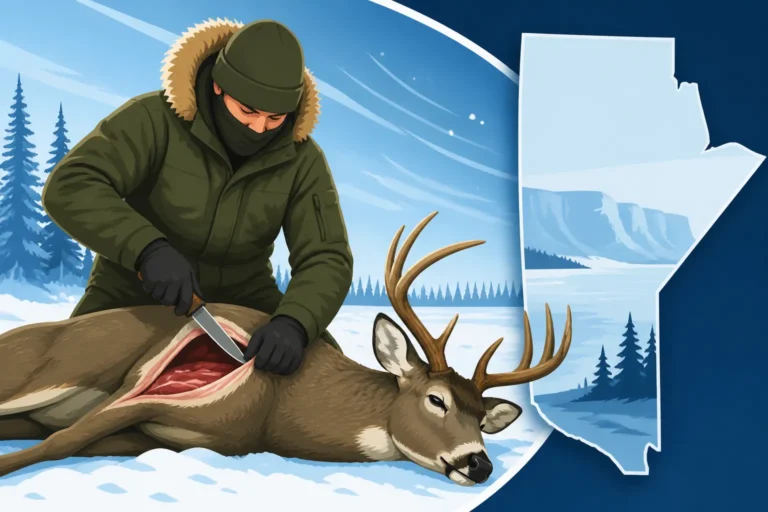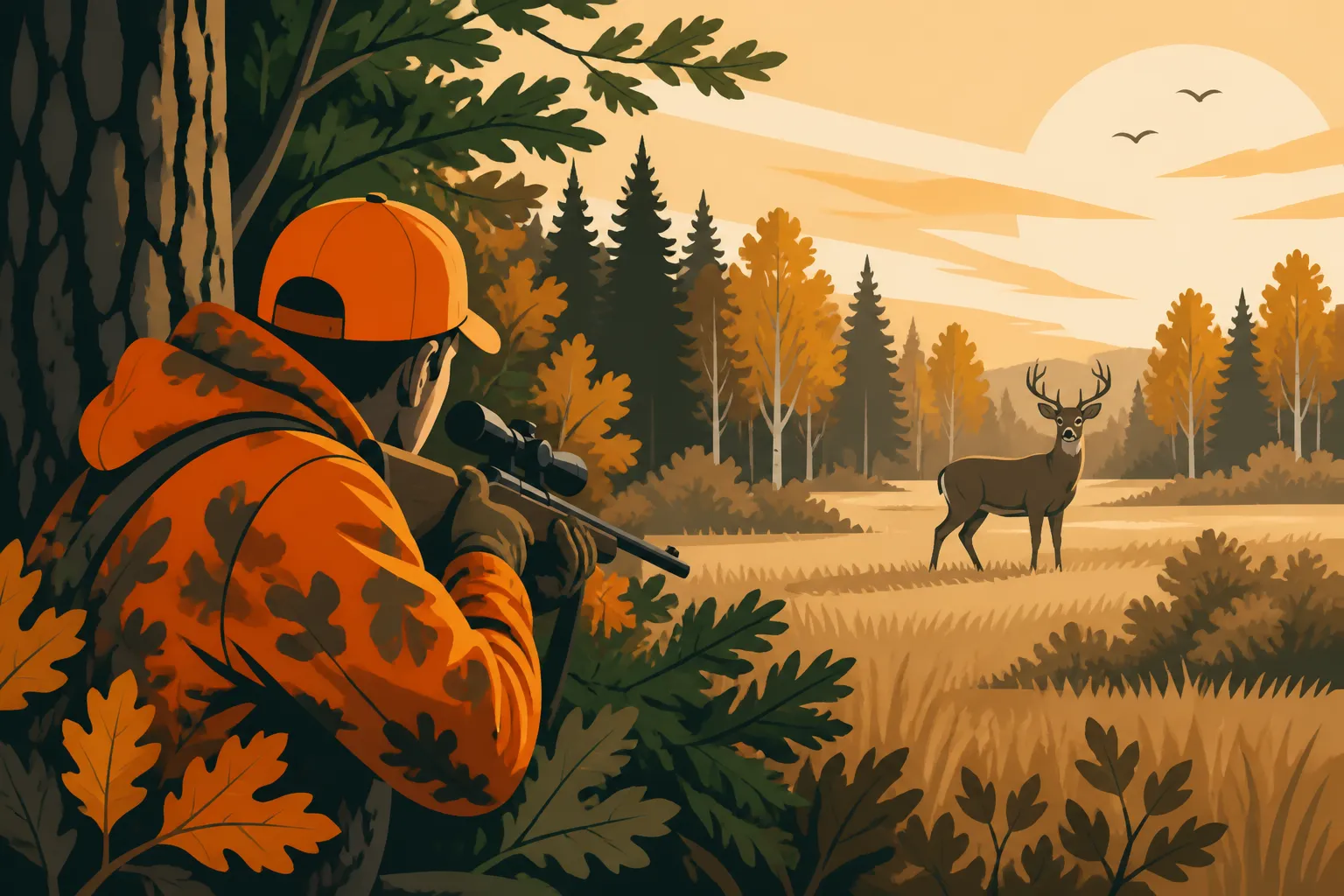
Hunting a Manitoba Bush Edge
Hunting along the edges of Manitoba's vast bush country can be one of the most productive, yet often misunderstood, strategies for finding big game. Many hunters get bogged down in the deep woods or focus solely on wide-open fields, missing the critical transition zones where animals feel safe but still have access to vital resources. This guide will walk you through everything you need to know to effectively hunt these crucial Manitoba bush edges, helping you decipher animal movement patterns and place yourself in the best possible position for success.
Understanding the Bush Edge Advantage for Manitoba Game
The term "bush edge" might sound simple, but it encapsulates a complex and dynamic habitat critical to a wide array of Manitoba's game species. This isn't just a line in the sand; it's often a vibrant transition zone where two distinct ecosystems meet, providing a smorgasbord of advantages for wildlife. Understanding why these edges are so attractive to animals is the first step in successfully hunting them.
Why Edges Are Crucial for Game
Animals, especially white-tailed deer, moose, and even black bears, are creatures of efficiency and security. They want to expend minimal energy to get what they need while remaining as safe as possible from predators, including us. Bush edges offer this perfect balance. Think about it: a mature whitetail buck isn't going to spend all day out in the middle of a wide-open wheat field where he's exposed, nor will he always stay in the densest, nastiest bush where travel is arduous and visibility is limited. Instead, he’ll often patrol the fringes, using the cover for concealment while still being able to observe his surroundings and access food.
These transitional areas provide immediate escape routes into thick cover when danger approaches. Simultaneously, they offer easy access to feeding areas like agricultural fields, clear-cuts, or natural browse lines. This "edge effect" creates a microhabitat that often boasts a greater diversity and abundance of food sources than either the deep forest or open field alone. You'll find a mix of woody browse, forbs, and sometimes even residual crops, all within a few steps of security. For deer, this means a smorgasbord of options, from aspen shoots to fallen acorns, depending on the season and specific location. Similarly, a black bear might use an edge to quickly move between a berry patch and its bedding area in the dense timber. Learning to read these subtle shifts in habitat is key to Scouting a Manitoba Game Hunting Area.
Types of Bush Edges in Manitoba
Manitoba's diverse landscape means that "bush edge" isn't a one-size-fits-all concept. You'll encounter several distinct types, each with its own characteristics and requiring slightly different hunting approaches. Recognizing these differences will significantly refine your strategy.
One common type is the forest-to-field edge. This is perhaps the most classic bush edge, where dense timber abuts an agricultural field, a pasture, or even a large food plot. These are hotspots, especially in the evening, as deer, elk, and sometimes moose emerge from the cover to feed. The specific crop in the field—whether it's standing corn, a swathed pea field, or alfalfa—will dictate how and when animals use it. For instance, deer might feel comfortable in the standing cover of corn earlier in the day than they would in a freshly cut stubble field. A great example of this is Hunting a Standing Canola Field Edge or a Hunting a Swathed Grain Field at Dusk.
Then there's the bush-to-wetland edge. Think about a dense spruce or willow thicket meeting a cattail marsh or a beaver pond. These edges are often defined by water features and can be incredible travel corridors, especially for moose and waterfowl, but also for whitetails seeking water or refuge. The dense vegetation associated with wetlands provides excellent bedding, and the aquatic plants can be a vital food source. These areas can be tricky to hunt due to muddy conditions or open water, but they offer unique opportunities if you know how to navigate them.
We also have bush-to-bush edges, which are internal edges within larger blocks of timber. These occur where different timber types meet (e.g., mature spruce forest meeting a young aspen regeneration) or where an old logging road or natural opening cuts through dense woods. These subtle edges might not have the dramatic contrast of a forest-to-field edge, but they are frequently used as travel routes, especially by mature animals seeking secluded pathways. They offer a slightly easier path through the dense bush while still providing overhead cover and concealment. Look for these internal edges when Hunting Whitetails in Manitoba's Bush Country.
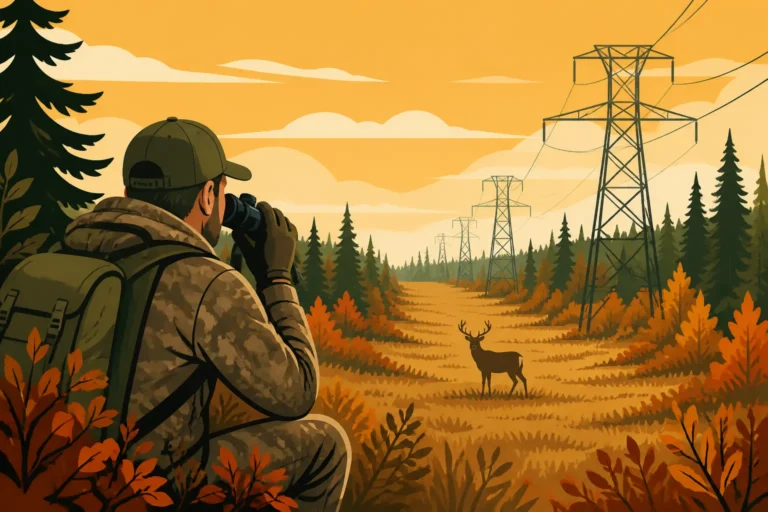
Finally, don't overlook bush-to-cutline/right-of-way edges. Manitoba's bush country is crisscrossed with old logging cutlines, seismic lines, or utility rights-of-way. These linear openings create edges that animals often follow, using the easier travel offered by the line itself, but always sticking close to the dense cover on either side. These can be prime ambush points, especially during the rut when bucks are actively cruising for does. Remember, regardless of the edge type, the key is to observe and understand how the animals are using it in relation to food, water, and bedding.
Scouting for Productive Edges
You can't just pick any bush edge and expect success. Effective scouting is paramount, transforming a generic edge into a targeted ambush point. This means getting boots on the ground, but also leveraging technology and understanding the subtle cues the animals leave behind.
Reading Sign Along the Edge
When you're walking an edge, whether it's early season or Reading Sign After a Fresh Snow, your eyes should be peeled for specific indicators of animal activity. This isn't just about finding a fresh track; it's about piecing together a story of daily life.
Start by looking for trails. Animals are creatures of habit, and they will create distinct pathways where they frequently enter and exit cover or travel along the edge. Pay attention to the size and freshness of tracks, distinguishing between deer, moose, or bear. Look for rubs and scrapes, particularly during the pre-rut and rut phases for deer. Rubs on trees along an edge indicate a buck’s presence and often mark a travel corridor or a transition point where he’s leaving cover. Scrapes, especially those with an overhanging branch, are vital communication hubs. A fresh scrape means a buck is actively working that area, and checking it regularly could pay off.
Beyond specific sign, observe the browse lines. Are certain plants along the edge heavily browsed? This tells you what animals are eating and where they are spending time. For deer, look for clipped branches on aspen, willow, or dogwood. For moose, higher browse lines on balsam fir or willow indicate their presence. Bear sign might include overturned rocks, claw marks on trees, or scattered berry bushes. Also, consider bedding areas. While deer prefer dense cover for bedding, they will often bed just inside the bush edge, especially on a south-facing slope that catches the sun on cold days, or on a slight rise that offers a vantage point. Fresh beds, coupled with other sign, can confirm that an edge is not just a travel route, but an area where animals feel secure enough to rest.
Don't forget droppings. The size, shape, and freshness of scat can tell you what animal has been there, and how recently. If you find a pile of fresh deer pellets loaded with corn kernels near a field edge, you know they're utilizing that food source. Reading Whitetail Sign in Manitoba Aspen is particularly important, as aspen stands often form common bush edges and understanding subtle deer sign in this habitat can be highly productive.
Leveraging Topography and Features
Manitoba's terrain, while often perceived as flat, has subtle topographical features that can significantly influence how animals use a bush edge. Learning to identify and interpret these features, often with the aid of mapping tools, is a game-changer.
Funnels and Pinch Points are your best friends. These are natural constrictions in the landscape that force animal movement into a smaller, more predictable area. A thick finger of bush extending into a field, a narrow strip of timber between two open areas, or even a small creek or slough that animals must navigate around can create a funnel. Use online mapping tools like GoHunt to identify these features from above. Look for points where a wide bush edge narrows, or where an animal moving along a field edge is forced to cross a specific gap. These are ideal locations for stand placement because they increase your odds of an encounter.
Elevation changes, even minor ones, can also be critical. A slight rise or knoll along a bush edge often provides a vantage point for animals, making them feel safer. Conversely, a low-lying ditch or ravine can offer hidden travel routes. In more rugged areas like the Pembina Valley or Duck Mountains, saddles in ridges or benches along a hillside can act as natural highways for game moving between different parts of their range. Understanding how wind currents interact with these topographical features is equally important. Wind will often swirl unpredictably in broken terrain, so observing actual wind direction on site, not just relying on a general forecast, is essential.
Finally, consider water sources and natural barriers. A small pond, creek, or even a low, wet area can dictate how and where animals travel along an edge. They will often stick to dry ground or cross at the narrowest, easiest points. Conversely, dense, impenetrable thickets of willow or dogwood can create natural barriers, forcing animals to travel around them, thus channeling them towards more open, huntable sections of the edge. By combining on-the-ground sign reading with detailed map study, you can turn seemingly random bush edges into predictable hot zones.
Strategic Stand Placement and Approach
Once you've identified a promising bush edge, the next critical step is positioning yourself effectively. This involves much more than just finding a tree; it's about meticulous planning to maximize your chances and minimize your impact.
Wind, Sun, and Scent Considerations
These three factors are arguably the most important elements in successful stand placement, especially when Hanging a Stand on a Manitoba Bush Edge. Ignore them at your peril, and you'll likely educate every animal in the area.
Wind is king. Deer, moose, and bears all rely heavily on their sense of smell to detect danger. Your stand must be positioned so that your scent cone is blown away from where you expect animals to approach or travel. This often means placing your stand on the downwind side of the expected animal movement, allowing the wind to carry your scent away from their approach. However, it's not always that simple. Wind direction can shift, especially in broken terrain or swirling bush country. Always check the actual wind direction on-site using a milkweed puff, powder bottle, or string. Have multiple stand locations ready for different wind directions, or be prepared to relocate if the wind changes unexpectedly. If you're planning on Sitting All Day in a Manitoba Blind, be extra mindful of how sun and wind might change throughout the day.
Sunlight plays a role, particularly during early morning and late evening hunts. Positioning your stand with the sun at your back, if possible, can make a huge difference in visibility. The glare in an animal's eyes can offer you a slight advantage in spotting them first, and it makes it easier to pick out details through your optics. Conversely, if you're looking directly into the sun, your vision will be impaired. Consider how shadows will move throughout the day; a morning stand might be perfect in the shade, but by afternoon, you could be silhouetted against a bright background.
Scent control goes hand-in-hand with wind. While no product can completely eliminate human scent, minimizing it is crucial. This includes using scent-free detergents for your hunting clothes, storing them in airtight bags, showering with scent-eliminating soap, and wearing rubber boots to the stand to avoid leaving a scent trail. More importantly, minimize perspiration on your walk in. Dress in layers, carry your outer layers to your stand, and put them on once you've cooled down. Remember, any lingering human odor can quickly alert game to your presence, making them skirt your location or avoid the area entirely. Using an app like GoHunt can help you predict wind direction and plan optimal stand access points based on the forecast, adding a layer of scientific precision to your scent management.
Entry and Exit Routes
Often overlooked, but just as vital as stand placement, are your entry and exit routes. A perfect stand can be ruined if you spook game getting in or out. The goal is to be completely undetected.
Your entry route should be chosen to minimize noise, visibility, and scent contamination. Whenever possible, approach your stand from a direction that keeps the wind in your face or quartering into it, carrying your scent away from the areas you expect animals to be. Use natural cover, such as ditches, treelines, or even field edges (if you can hug the bush side), to hide your approach. Avoid walking directly through known bedding areas or feeding zones. It might mean a longer walk, but a stealthy approach is worth the extra effort. For example, if you're Hunting a Poplar Bluff at First Light, you'll want to approach the bluff from the side opposite where deer are likely to be bedding or feeding.
Similarly, your exit strategy needs to be carefully considered. It's often best to wait until dark, or at least until animal activity has subsided, to leave your stand. Exiting too early can spook animals that are still moving or just beginning to feed, potentially ruining your hunt for future days. Just like your entry, choose a path that keeps your wind favorable and utilizes natural cover. If you harvest an animal, having a pre-planned route for game retrieval is crucial. This might involve a slightly different path or even calling for assistance if you're deep in the bush, keeping in mind the need for quiet extraction to avoid disturbing other game.
When hunting a bush edge adjacent to a field, consider a deep, covert approach through the bush, paralleling the edge, rather than walking directly along the field line. This keeps you hidden and reduces the chance of bumping animals already feeding or staging in the area. Planning these routes is especially important when Hunting the Parkland Fringe for Big Bucks, where mature animals are notoriously wary of human intrusion.
Tactics for Different Edge Scenarios
Manitoba's hunting seasons offer a variety of challenges and opportunities when hunting bush edges. Your tactics need to adapt to the specific behaviors of game animals during different times of the year, particularly influenced by the availability of food, the breeding cycle, and prevailing weather.
Hunting Early Season Movement
The early season, typically late August through September and into October, is characterized by fairly predictable animal patterns, largely driven by food and water. This is when animals are often still in their summer patterns, focusing on agricultural fields or abundant natural forage.
During these weeks, animals haven't yet faced significant hunting pressure, and their routines are often quite consistent. For deer, this means moving from dense bedding cover to available food sources like alfalfa, soybeans, or early-maturing grain fields. Bear activity can also be high as they try to put on weight for winter, often frequenting berry patches or grain fields, particularly oats. Your best bet is to focus your scouting on identifying these primary food sources and the most direct, secure travel corridors animals use to access them from the bush edge. Evening hunts are often most productive as animals emerge to feed. Consider setting up on trails just inside the bush, or along natural funnels where deer transition from thick cover to the field. Mornings can be slower, but animals will often feed for a while into legal light before heading back to bed.
Given the warmer temperatures of early season, scent control is even more critical, as humidity can make scent hang heavier. Additionally, bug pressure can be significant, so come prepared with appropriate repellents or bug suits. Knowing When Manitoba's Archery Season Opens can help you plan your early season hunts. Focus on identifying consistent patterns, as they will be the most reliable until the rut begins to shake things up.
The Rut on the Edge
Ah, the rut! For white-tailed deer hunters, this is the most anticipated time of year, and bush edges become absolute hotspots of activity. This period, roughly from late October through November, sees bucks abandoning their predictable feeding patterns in favour of seeking out does. Rifle Hunting Manitoba's Whitetail Rut requires a different set of tactics than the early season.
During the rut, bucks are constantly cruising, scent-checking areas, and responding to calls. Bush edges, especially those bordering open fields or clearings, become high-traffic zones because does frequently use these areas, and bucks know it. A buck might travel extensively along an edge, scent-checking scrapes, rubbing trees, and following doe trails. This is where those internal bush-to-bush edges or cutline edges become particularly potent, as bucks use them as discreet travel corridors.
This is the time to employ calling and rattling. Rattling and Calling Parkland Whitetails can be incredibly effective on a bush edge, as the sounds carry well into the timber, potentially drawing in curious or aggressive bucks. Grunt calls can also be productive, mimicking a buck trailing a doe or a younger buck challenging a dominant one. All-day sits become more viable during the rut because buck movement can occur at any time. A mature buck might push a doe out of the deep bush in the middle of the day, or simply be cruising for new receptive does. Positioning your stand where multiple trails converge on an edge, or where a key scrape line runs, offers the best chance.
Late Season Food Sources
As winter approaches and temperatures drop in late November and into December, animal behavior shifts dramatically. Food becomes the primary driver once again, but now the available options are more limited, and animals are looking for high-energy sources to fuel them through the cold. This is when Hunting the Late December Season becomes a game of finding reliable food.
Bush edges that border standing crops, like corn or sunflowers, become incredibly important. These crops provide both a consistent food source and crucial thermal cover from harsh Manitoba winds. Deer and elk will often yard up in or near these fields, bedding just inside the bush edge and only moving short distances to feed. Other reliable late-season food sources might include remaining alfalfa or even certain natural browse like red-osier dogwood or willow, especially if palatable.
Water sources, if not completely frozen, can also draw animals. On bitterly cold days, animals will seek out areas with maximum sun exposure and protection from the wind. This means focusing on south-facing bush edges that can absorb the sun's warmth. During late season, animals are often more concentrated due to limited resources, which can be an advantage if you locate their primary feeding and bedding areas. However, they are also warier due to sustained hunting pressure. Long-range glassing from a distance to observe patterns before moving in is often a smart strategy. Layered clothing for Dressing for Manitoba's November Cold and proper gear for Hunting Safely in Deep Winter Cold are essential, as sitting still for extended periods in Manitoba's winter can be brutal.
Essential Gear and Preparations
Hunting Manitoba's bush edges, especially as the seasons progress, demands the right gear and thorough preparation. The rugged terrain and often unpredictable weather require a thoughtful approach to what you carry and how you prepare yourself.
Clothing for Manitoba Conditions
Manitoba weather is notorious for its extremes, and being adequately dressed is not just about comfort; it's about safety and success. Hypothermia and frostbite are real risks, particularly during the late season.
Layering is non-negotiable. Start with a moisture-wicking base layer (merino wool or synthetic, never cotton) to pull sweat away from your skin. This is crucial because sweat turns cold quickly, chilling you to the bone. Next, add an insulating mid-layer, such as fleece or down, to trap warmth. For outer layers, you need something that is windproof and waterproof, capable of shedding snow and rain while keeping biting winds at bay. A good quality hunting parka and insulated pants are essential. Many hunters find that a quiet, brushed-tricot or wool outer shell works best for bowhunting, while rifle hunters might prioritize warmth and weather protection.
Footwear is equally critical. Invest in high-quality, insulated, waterproof boots. Depending on the season, you might need varying levels of insulation. For late-season sits, 800-1200 gram insulated boots are often recommended. Make sure they are broken in and comfortable for walking, even with thick socks. Bring spare socks! A fresh pair can make a world of difference. Don't forget head and hand protection. A warm toque or balaclava and insulated gloves or mittens (with finger access for shooting) are vital. Remember, you can always take layers off if you get too warm, but you can't add layers you didn't bring. Always check the forecast, but prepare for the worst.
Optics and Scent Control
Beyond clothing, your choice of optics and a diligent approach to scent control will significantly impact your effectiveness on the bush edge.
Optics are your eyes in the bush. A good pair of binoculars (8x or 10x magnification) is invaluable for glassing treelines, picking apart dense cover, and identifying game movements along the edge without giving away your position. Before legal shooting light or after sunset, quality optics with good light transmission can reveal an animal that would otherwise remain hidden in the gloom. A rangefinder is also essential for ethical shooting, especially if you're hunting with a rifle or bow, as it allows you to accurately gauge distances in varied terrain. For rifle hunters, a high-quality scope that performs well in low light is a definite advantage, as much of the activity along edges happens during twilight hours.
As discussed earlier, scent control is paramount, and it applies to more than just your clothing. Your body, your gear, and even your breath can give you away. Use scent-free soaps, deodorants, and shampoos. Store your hunting clothes separately from everyday clothes, ideally in a scent-free bag or tote. Avoid filling up your vehicle with gasoline or strong-smelling foods before your hunt, as these odors can easily transfer to your gear. When walking to your stand, avoid touching too many branches or brushing against vegetation, as this can leave a scent trail. A common mistake is using highly fragranced laundry detergent or fabric softener on your regular clothes, then putting on your hunting clothes, only to have the scent transfer. Be mindful of everything that comes into contact with your hunting gear.
Finally, while GoHunt is a fantastic tool for mapping and planning, remember that no app can replace boots-on-the-ground scouting and real-world experience. Use it to enhance your understanding of the landscape, pinpoint potential hot spots, and track your observations, but always combine it with your own keen sense of observation and woodsmanship.
| Aspect of Bush Edge Hunting | Early Season (Sept-Oct) | Rut (Late Oct-Nov) | Late Season (Nov-Dec) |
|---|---|---|---|
| Primary Animal Focus | Food & Water | Breeding | Calorie Intake & Shelter |
| Key Edge Location | Field-to-Bush, Wetland | Field-to-Bush, Internal Bush, Cutlines | Standing Crop-to-Bush, South-facing |
| Best Time of Day | Evening Feed, Early Morn | All Day Movement | Evening Feed, Mid-day Sun |
| Scouting Focus | Fresh Trails, Browse | Rubs, Scrapes, Doe Trails | Concentrated Droppings, Beds |
| Primary Tactic | Ambush, Still Hunting | Calling, Rattling, All-Day Sit | Ambush, Still Hunting Near Food |
| Scent Concern | High (humidity) | High | High (cold holds scent) |
| Clothing Needs | Layers, Bug Protection | Warm Layers, Rain Gear | Heavy Insulation, Wind/Waterproof |
Disclaimer
The information provided in this guide is for general informational purposes only and is not a substitute for official regulations. Hunting laws and regulations in Manitoba are subject to change. Always consult the most current Manitoba Hunting Guide and relevant government resources (e.g., Manitoba Sustainable Development) before planning or embarking on any hunting trip. Ensure you have the proper licenses, tags, and understand all rules pertaining to your specific Game Hunting Area (GHA) and species. Safety should always be your top priority.