When Caribou Reach Northern Manitoba
Trying to time a caribou hunt in Northern Manitoba can feel like trying to catch smoke. You’ve planned your trip, invested in gear, and mentally prepared for the rugged adventure, but the biggest variable remains: when will the caribou actually arrive? This guide is here to demystify the migration patterns of Manitoba’s barren-ground caribou, helping you understand the factors at play and increase your chances of being in the right place at the right time for this incredible hunting experience.
Understanding the Caribou Migration Cycle
Caribou are truly creatures of habit, yet their habits are deeply tied to the unpredictable rhythms of the northern wilderness. Unlike deer or moose that often stick to more localized ranges, barren-ground caribou undertake epic migrations spanning hundreds, sometimes thousands, of kilometres. Their movements are a testament to survival, driven by instinct and the constant search for food and relief from insects and predators. Understanding this cycle is the first step in successfully intercepting them for a hunt.
The Qamanirjuaq Herd and its Journey
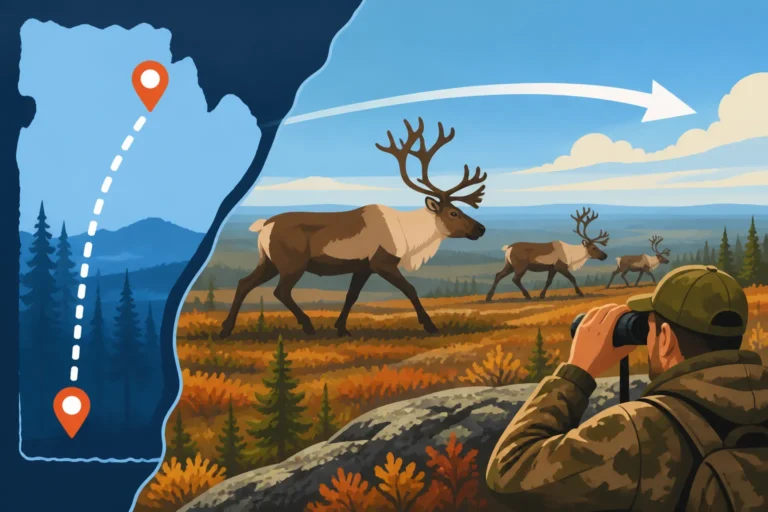
When we talk about caribou in Northern Manitoba, we're primarily referring to the Qamanirjuaq herd. This magnificent herd is one of the largest barren-ground caribou herds in the world, with a calving ground far to the north in Nunavut. As summer wanes and the first hints of autumn creep across the tundra, these animals begin their southward journey. Their migration path typically brings them into the extreme northeastern reaches of Manitoba, often passing through the vast wilderness east of Hudson Bay. This is a journey of survival, and they move with purpose, often in massive groups. Knowing this general trajectory is crucial for hunters aiming to intersect their path.
The Qamanirjuaq herd’s annual trek is not a straight line on a map; it's a fluid, dynamic movement. They spread out across vast areas of tundra and taiga, sometimes moving quickly, other times lingering in areas with good forage. Their southward migration pushes them towards the tree line, often reaching the northernmost parts of Manitoba where the open tundra transitions into sparse boreal forest. This convergence of landscapes provides critical wintering habitat and makes these areas prime hunting grounds when the caribou are present. It's truly a sight to behold when the migration is in full swing, with caribou stretching as far as the eye can see.
Factors Influencing Arrival Dates
The arrival of caribou in Northern Manitoba isn't dictated by a calendar date but by a complex interplay of environmental factors. Think of it less as a scheduled event and more as a reaction to their immediate world. Weather conditions are paramount. Early snowfalls further north can push them south faster in search of exposed forage, while a mild autumn might delay their arrival. Deep snow, especially crusty snow, makes it harder for them to access lichen, their primary winter food source, forcing them to move to areas where the snowpack is lighter or softer.
Temperature swings also play a significant role. Extreme cold can make them conserve energy and move less, while milder temperatures might keep them on the open tundra longer. Beyond weather, forage availability is a constant driver. If their summer range offers abundant food, they might linger longer, but if local forage becomes depleted, they'll instinctively push south. Predator pressure, though less predictable, can also influence their movements; a sudden increase in wolf activity might cause them to shift their routes. All these factors combine to create an annual variability that keeps caribou hunters on their toes, making each season unique.
Timing Your Hunt with the Caribou's Arrival
Given the variability of caribou migration, timing your hunt requires a flexible mindset and an understanding of the typical windows. It’s not about picking a single date, but rather anticipating a period when conditions are most likely to bring the caribou into accessible hunting zones within northern Manitoba. Successful hunters often plan trips that allow for a slight buffer on either side of the expected peak.
Early Season: What to Expect
If you're heading north for the early caribou season, typically starting in late August or early September, you're banking on an early push or catching lingering animals. At this time, the tundra can still be relatively mild, and the caribou might not yet be in their full winter coats. If they do arrive early, they are often in smaller, scattered groups, making them harder to locate. You might find more isolated bulls or small family groups rather than the massive herds that characterize peak migration.
Hunting in the early season often means relying more on aggressive scouting and covering vast areas, often on foot or by air, to find pockets of animals. You're looking for the vanguard of the migration, the first groups to venture south. This can be a challenging hunt, but it offers the advantage of milder weather and fewer hunters in the field. The caribou might also be more focused on feeding, making them potentially less wary if you can locate them quietly. Remember, at this time, their rut might also be approaching, influencing their behaviour.
Peak Migration: The Best Opportunity
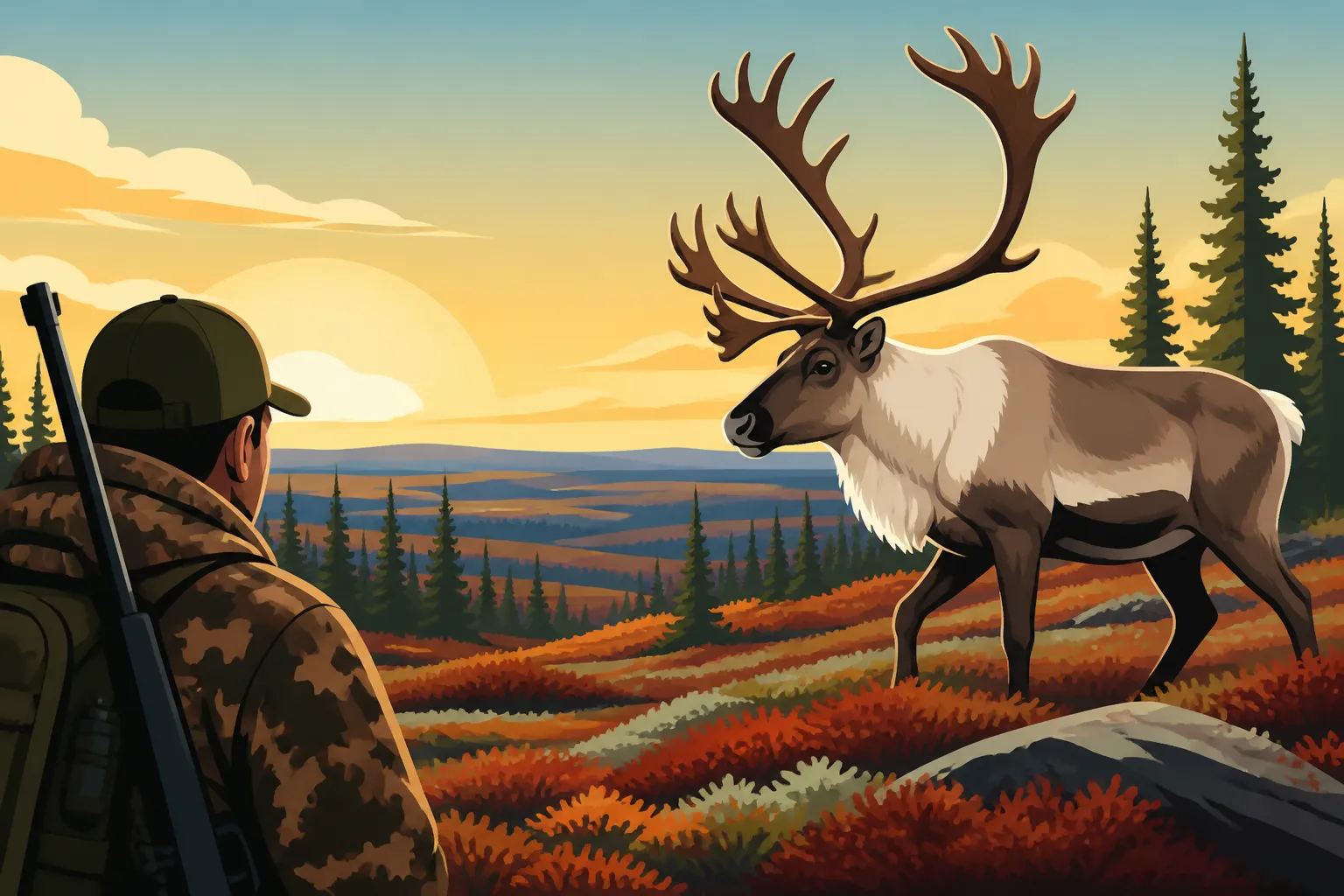
For most hunters, the sweet spot for caribou in Northern Manitoba is typically from late September through October. This is when the main push of the Qamanirjuaq herd traditionally moves south, often reaching the northern Manitoba regions. During peak migration, you're more likely to encounter larger numbers of caribou, sometimes in vast columns stretching for kilometres. The sheer volume of animals increases your odds of success and offers a truly unforgettable spectacle.
The conditions during peak migration can vary wildly, from crisp autumn days to biting winds and early blizzards. Caribou at this time are often more focused on covering ground, making them somewhat predictable in their general direction of travel. Hunters will often set up along known migration corridors, looking for natural pinch points or high ground where they can glass vast stretches of tundra. This is also when bulls are typically in their prime, sporting impressive hard antlers, making it an exciting time for trophy hunters. Success here often depends on resilience and being prepared for any weather the North can throw at you.
Late Season Considerations
As November approaches and deep winter truly sets in, the caribou migration usually settles into its wintering grounds. If caribou have been delayed in their southern movement, or if you're targeting animals that have already established their winter range, late season hunting can still be productive. However, it comes with its own set of challenges. The weather can be brutal, with extreme cold, heavy snow, and short daylight hours. Accessibility can also become an issue, as lakes and rivers freeze over, but snow accumulation might make travel by snowmobile more feasible.
Caribou in the late season might be more dispersed across their winter range, often in smaller groups, making them harder to find than during the massive migration. They'll be focused on conserving energy and feeding, often in sheltered areas or on ridges where snow is blown thin. Hunters venturing out at this time need to be exceptionally prepared for harsh conditions, with robust gear and a strong emphasis on safety. While tough, a successful late-season hunt often yields an animal with a thick winter coat, perfect for warmth and survival in the unforgiving northern landscape.
Signs of Incoming Caribou and Scouting Tips
Being successful in a caribou hunt, especially when trying to time their unpredictable movements, is less about luck and more about astute observation and good scouting. You need to become a detective of the tundra, looking for clues that indicate caribou are either present or on their way.
Reading the Landscape for Caribou Sign
Caribou leave distinct signs that can tell you a lot about their presence and recent movements. Tracks in snow or soft ground are a primary indicator; their large, splayed hooves are unmistakable. Look for fresh tracks heading in a general southward direction during the migration, or concentrated tracks if they're feeding in an area. Droppings are another clear sign; fresh droppings indicate recent presence. When you see these signs, it's a good indicator to slow down and glass more thoroughly.
Beyond tracks and droppings, caribou often rub their antlers on small trees, shrubs, or even rocks, particularly during the late summer and early fall as they shed velvet. While fewer trees exist on the open tundra, look for these signs where the treeline begins or near denser pockets of brush. Worn trails, even faint ones, can also indicate historic or current migration corridors. Over time, particularly in certain landscapes, these animals create discernible paths as they move through the same areas year after year. Learning to identify these subtle cues can save you countless hours of blind searching and put you closer to the action.
Using Technology to Track Movements
In today's world, technology has become an invaluable tool for northern hunters. While you won't find real-time caribou trackers freely available to the public, satellite imagery and advanced mapping applications can significantly aid your scouting efforts. Before you even set foot in the field, use platforms like GoHunt, which provide detailed satellite views of the landscape. Look for natural funnels, prominent ridges, and areas where open tundra transitions to sparse timber – these are often critical travel corridors or staging areas for caribou. You can mark potential glassing points and travel routes, creating a virtual map of your hunting strategy.
Downloading offline maps to your GPS device or smartphone is absolutely essential, as cell service is non-existent in much of Northern Manitoba's caribou country. These maps can help you navigate vast, featureless terrain and keep you oriented when visibility drops. Some hunters also monitor weather patterns further north, looking for early snowfalls or cold snaps that might trigger an earlier migration. While technology won't find the caribou for you, it certainly makes the search more efficient and safer. Checking publicly available information on herd health and broader migration trends, often released by provincial or territorial wildlife agencies, can also give you a valuable big-picture perspective.
Local Knowledge and Community Insights
Perhaps the most potent scouting tool you possess is the wisdom of those who live and work in the North. Local Indigenous communities, trappers, prospectors, and even experienced bush pilots have an intimate, generational understanding of caribou movements. They know the subtle nuances of the land and how environmental factors influence the herds. Striking up conversations, respectfully asking questions, and listening intently can provide invaluable, up-to-the-minute information that no map or satellite image can offer.
Outfitters who operate in these regions are another excellent source of information. They often have guides on the ground for extended periods and develop a deep understanding of local patterns. They might know certain drainages or plateaus where caribou tend to congregate or pass through consistently. While it's always good to verify information, combining this deep local knowledge with your own scouting and technological tools creates the most robust hunting plan. Remember, these northern communities are stewards of the land, and approaching them with respect and a genuine desire to learn will go a long way. This is especially true when it comes to understanding where caribou are likely to winter or if there have been any unusual shifts in their patterns.
Preparing for a Northern Manitoba Caribou Hunt
A caribou hunt in Northern Manitoba is a serious undertaking, far removed from the comforts of civilization. Success isn't just about finding the animals; it's about being thoroughly prepared for the extreme environment, the isolation, and the logistical challenges unique to fly-in wilderness trips. Barren-Ground Caribou Hunting in Northern Manitoba is truly an adventure.
Essential Gear for Remote Hunting
When you're hundreds of miles from the nearest road, every piece of gear has to earn its weight. First and foremost, a layered clothing system designed for extreme cold is non-negotiable, even in the early fall. Think high-quality base layers, insulating mid-layers like fleece or down, and a waterproof, windproof outer shell. Your hands and feet are particularly vulnerable; invest in expedition-grade gloves, mittens, and insulated boots rated for sub-zero temperatures. Staying warm and dry is paramount, as hypothermia is a constant threat.
Navigation tools are critical. A reliable GPS unit with pre-loaded maps, along with a compass and physical maps, serves as your lifeline in vast, featureless terrain. A satellite communication device (like a satellite phone or a two-way messenger) is not optional; it's a mandatory safety item for emergencies. Beyond personal gear, consider a durable, lightweight tent or robust camp setup that can withstand fierce northern winds, a reliable stove for cooking and melting snow, and enough food for your entire trip plus a few extra days in case of weather delays. Don't forget a comprehensive first-aid kit, game bags for meat, and all the necessary tools for field dressing your animal. Your rifle or bow should be sighted in and tested for reliability in cold conditions, and bring plenty of ammunition. Manitoba Caribou Licence Rules dictate what you can carry.
Logistics of a Fly-In Hunt
Most caribou hunts in Northern Manitoba are fly-in operations, meaning a float plane or wheeled aircraft will drop you off at a remote lake or airstrip. This introduces a whole new layer of logistical planning. Weight limits on these flights are strict, often around 70-100 pounds per person, including your firearm and personal gear. This means you need to pack strategically, prioritizing essential items and leaving anything non-critical behind. You’ll need to coordinate with your air charter service or outfitter well in advance to understand their specific limits and requirements.
Consider how you will handle your meat and trophy after a successful hunt. Packing Caribou Out to a Float Plane is a significant effort. Most planes can accommodate a quartered caribou, but you need to ensure you have the means to debone or quarter the animal in the field, along with sturdy game bags to protect the meat. Planning for potential flight delays due to weather is also crucial; always build in a buffer day or two at the beginning and end of your trip. Having a solid contingency plan for unexpected situations, from equipment malfunctions to medical emergencies, is a mark of a well-prepared northern hunter. Communication with your pilot or outfitter throughout the planning process will ensure a smoother, safer, and more enjoyable hunt.
Caribou Migration and Hunter Expectations
| Migration Phase | Typical Timing | Caribou Behavior | Hunter Expectations |
|---|---|---|---|
| Early Season | Late August – Mid-September | Smaller groups, scattered, feeding, pre-rut | Spot-and-stalk, cover vast ground, milder weather |
| Peak Migration | Late September – October | Large herds, moving with purpose, focused travel | Intercepting corridors, glassing, variable weather |
| Late Season | Early November – Mid-November | Dispersed, settling into winter range, conserving | Tougher conditions, very cold, snowmobile access, deep prep |
Disclaimer
This article is for general informational purposes only and does not constitute professional advice. Laws, prices and regulations vary by location and change over time. Consult a qualified professional for guidance on your specific situation.