Where the Highest Bear Densities Are
It’s a common frustration for hunters: you’ve got your licence, your gear is ready, but where do you actually go to maximize your chances of encountering black bears in Manitoba? It can feel like an overwhelming task to pinpoint those sweet spots where bear numbers are truly thriving. This guide is here to help you cut through the guesswork, breaking down the specific regions and ecological factors that contribute to the highest black bear densities across our beautiful province, so you can plan your next hunt with confidence.
Understanding Black Bear Habitat in Manitoba
Black bears are incredibly adaptable animals, but like all wildlife, they thrive where their core needs—food, water, and cover—are met in abundance. Manitoba offers a diverse landscape, from vast boreal forests to mixed woodlands and even agricultural fringes, and understanding how these environments cater to bears is the first step in finding those high-density pockets.
The Boreal Forest: A Bear's Paradise
When most of us think of prime bear country, our minds often drift to dense, untouched forests, and for good reason. Manitoba's expansive boreal forest is undeniably the heartland for black bears. These vast tracts of coniferous and deciduous trees provide everything a bear could want: endless cover for bedding and security, countless denning sites in rock crevices or under root wads, and a rich, diverse food pantry that changes with the seasons. From the rich berry crops in late summer to the plentiful small game and insect larvae, the boreal forest is a sustained buffet for these omnivores. It’s also where you’ll find some of the largest wilderness areas, meaning less human disturbance and more room for bear populations to flourish without constant pressure. If you're looking into something like Black Bear Hunting in Manitoba, the boreal forest is often where you'll focus.
The sheer scale of the boreal makes it ideal for bears to spread out and establish territories. While you might not see bears around every corner, their overall population here is robust. Think about the massive areas in northern and eastern Manitoba – these aren't just pretty landscapes; they're intricate ecosystems designed for animals like the black bear. The dense undergrowth provides excellent hiding spots for sows with cubs, keeping them safe from potential threats, and the mature timber offers vital resources for building dens for the long winter ahead. This consistent availability of resources supports healthy breeding populations, which in turn leads to higher overall densities in these regions.
Parkland and Fringe Areas
While the deep boreal forest is undeniably prime, don't overlook Manitoba's parkland and forest fringe areas. These regions, often characterized by a mosaic of aspen bluffs, oak ridges, wetlands, and agricultural fields, also hold significant bear populations, and sometimes even higher densities in localized pockets due to concentrated food sources. Here, bears often adapt to a more varied diet, supplementing natural foods with agricultural crops like oats, corn, or sunflowers, especially in the late summer and fall. These areas tend to have more "edge habitat," where different ecological zones meet, which is often incredibly productive for wildlife.
The challenge in these areas is often navigating private land. However, where blocks of Crown Land or larger woodlots connect, bears can thrive. They'll use the bush for cover and bedding, then venture out into fields under the cover of darkness to feed. The Interlake region, for instance, has a good mix of dense bush and agricultural land, creating excellent opportunities for bears. The key is to find those patches of undisturbed forest or heavy cover that are adjacent to active feeding grounds. These fringe areas can be surprisingly good, especially for hunters willing to do their homework and secure proper land access.
Water Sources and Food Availability
No matter the region, black bear densities are directly tied to consistent access to water and, critically, a reliable food supply. Bears need to drink, especially during warmer months, and water sources often correlate with lush vegetation and insect activity, which are all part of a bear's diet. Areas with numerous rivers, streams, lakes, and extensive wetlands inherently provide better habitat.
But it’s the food availability that truly drives densities. Bears are opportunistic omnivores, and their diet shifts dramatically throughout the year. In spring, they seek out tender new growth, winter-killed carcasses, and insect larvae after When Bears Leave the Den in Spring. As summer progresses, berries—like saskatoons, blueberries, and raspberries—become crucial. By fall, acorns, hazelnuts, and agricultural crops are vital for packing on the fat needed for hibernation. Areas that consistently provide these seasonal food sources will naturally support more bears per square mile than those with sparser offerings. Scouting for these food sources is just as important as scouting for bear sign itself.
Prime Regions for High Bear Densities
Now that we understand what makes good bear habitat, let’s pinpoint some of the regions in Manitoba where these conditions come together to create exceptionally high black bear densities. While bears are present across much of the forested parts of the province, certain areas consistently report higher numbers.
The Eastern and Northern Shield Country
When we talk about sheer wilderness and untamed bear country, Manitoba's Eastern and Northern Shield regions immediately come to mind. Areas like the Whiteshell, Nopiming, and Woodland Caribou Provincial Parks (though hunting within parks has specific regulations, the surrounding Crown Land and provincial forests are open) are perfect examples. This rugged landscape of Precambrian rock, countless lakes, and dense boreal forest offers an ideal environment for bears. These regions are less fragmented by agriculture and human development, allowing bear populations to expand naturally.
The abundance of water bodies means constant access to hydration and also provides a diverse aquatic ecosystem that contributes to the bear's diet, from fish to frogs and even specific aquatic plants. The thick forests provide exceptional cover and denning opportunities in rocky outcrops. Outfitters operating in this region consistently report high success rates for Black Bear Hunting in Manitoba, largely due to the sheer number of bears present. If you're looking for a truly wild experience with a high likelihood of bear encounters, heading to Manitoba's Eastern Shield Country or the more remote northern boreal zones is a solid bet. You'll find yourself truly immersed in their world here.
Western Parkland Forests
Moving west, the vast stretches of forest within the Western Parkland region, particularly those associated with the Duck Mountain and Porcupine Hills, are also significant strongholds for black bears. These areas feature a mix of mature deciduous and coniferous forests, often interspersed with pockets of agricultural land around the fringes. The forests themselves are extensive, providing crucial cover and denning sites, while the adjacent farmlands can offer a late-season buffet of crops, attracting bears out of the deep woods.
These regions are known not just for good bear numbers, but for producing some impressive animals. The mix of natural forage and agricultural supplements can contribute to What a Big Boreal Black Bear Weighs, with bears packing on serious pounds before winter. The terrain here can be hilly and broken, creating diverse habitats that hold game. Hunters pursuing Spring Bear Hunting in Manitoba or Hunting Manitoba's Fall Bear Season in these areas often find that understanding local food sources and travel corridors between the bush and fields is key to success. Access can be a mix of Crown and private land, so research and permission are paramount.
Interlake Region Hotspots
The Interlake region, nestled between Lake Manitoba and Lake Winnipeg, is another area often cited for its healthy black bear populations. This unique landscape is a mosaic of dense bush, marshlands, aspen parkland, and agricultural fields. The extensive wetlands and relatively undisturbed bush offer excellent breeding and denning habitat, while the surrounding farmlands provide ample food resources throughout the spring, summer, and fall.
Bears in the Interlake tend to utilize the dense, often swampy bush for security during the day, then move into the edges of fields or along bush lines to feed. This makes scouting crucial for finding their travel routes and preferred feeding spots. While some areas of the Interlake are more accessible, there are still vast tracts of rugged terrain, particularly in the northern reaches, that offer prime, undisturbed habitat. The combination of dense cover and abundant food sources makes for a thriving bear population, often leading to higher localized densities, especially where natural habitat meets agricultural opportunity.
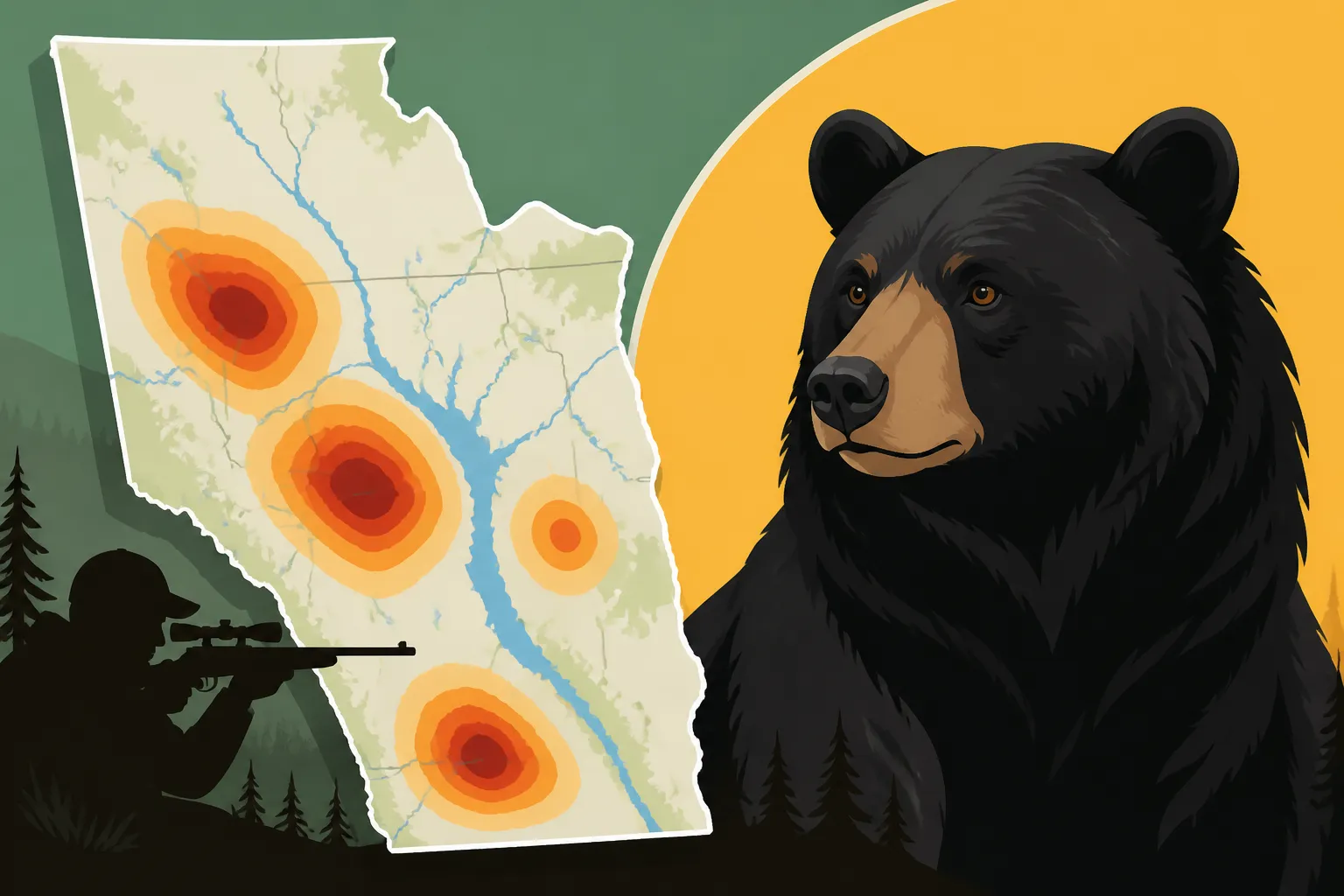
Here’s a quick overview of Manitoba's prime bear habitat characteristics:
| Region | Dominant Habitat Type | Key Food Sources | Typical Bear Density | Key Challenges for Hunters |
|---|---|---|---|---|
| Eastern & Northern Shield | Dense Boreal Forest, Rocky Outcrops, Lakes | Berries, Insects, Small Game, Aquatic Vegetation | High, wilderness-driven | Remote access, rugged terrain |
| Western Parkland Forests | Mixed Deciduous/Coniferous, Hilly Terrain | Berries, Nuts, Agricultural Crops, Deer Fawns | Moderate to High, localized | Private land access |
| Interlake Region | Mixed Bush, Wetlands, Parkland, Farmland | Agricultural Crops, Berries, Insects, Small Mammals | Moderate to High, localized | Swampy areas, insect pressure |
Factors Influencing Local Bear Concentrations
Even within high-density regions, specific local conditions can create micro-hotspots where bears are even more concentrated. Understanding these factors is crucial for hunters aiming to truly hone in on productive areas. It’s not just about being in the right GHA; it's about being in the right quarter section of that GHA.
Food Sources and Seasonal Shifts
As mentioned, food is king. Bears are constantly on the move, following seasonal food availability. In spring, after emerging from their dens, they're desperate to replenish lost weight. This means they'll seek out early green-ups, exposed south-facing slopes, and areas with winter-killed animals. For hunters considering Baiting Black Bear in Manitoba, understanding these natural food preferences can help you select a bait site that complements what's naturally available, making it more attractive.
By summer, berry patches become magnets. Think about areas with abundant saskatoon, blueberry, or raspberry bushes – these spots will see significant bear activity. As fall approaches, bears switch to high-calorie foods like acorns, hazelnuts, and agricultural crops. A standing corn or oat field adjacent to heavy cover will concentrate bears dramatically. Knowing the local flora and what’s fruiting or ripening at the time of your hunt can be your most powerful scouting tool. Areas with diverse, consistent food sources will always draw and hold higher numbers of bears.
Cover and Denning Sites
Bears need cover for security, especially sows with cubs, and for denning during the winter. Dense stands of spruce, thick willow bottoms, or large rock formations provide excellent hiding spots and escape routes. Areas with a good mix of mature forest and younger, thicker growth often support higher densities because they offer both food and sanctuary. This is particularly true for Colour Phase Black Bears in Manitoba or any bear needing to feel secure.
Denning sites are non-negotiable for bears. In the Shield country, rock crevices and caves are common. In the boreal and parkland, bears often den under large root systems of fallen trees, in hollow logs, or even dig into hillsides. Regions that offer an abundance of these natural denning opportunities will naturally have a higher resident bear population because they can successfully overwinter and reproduce. When you're scouting, look for features that would make excellent den sites – these indicate areas where bears likely live year-round.
Human Activity and Pressure
Black bears are generally wary of humans, and areas with high human activity, such as busy recreational trails, major roads, or extensive development, will typically have lower bear densities. Bears will naturally gravitate towards more secluded, undisturbed areas. However, this doesn't mean you have to go miles into the wilderness; even a relatively small block of dense bush that sees little human foot traffic can hold bears, especially if it's surrounded by good food sources.
Hunting pressure also plays a role. Heavily hunted areas might see bears become more nocturnal or move to less accessible cover. If you can find those "hidden" pockets of habitat that other hunters overlook – perhaps because they require a longer walk, involve crossing some challenging terrain, or are less obvious on a map – you might discover a higher concentration of bears who feel safer there. This is where tools like GoHunt can be invaluable for identifying remote access points or less-traveled areas on Crown land.
Scouting and Locating Bears in High-Density Areas
Even if you’re in a high-density area, you still need to actively scout to find where the bears are currently spending their time. Bears are constantly moving, and their routines can shift based on food availability, weather, and hunting pressure. Smart scouting is the bridge between being in bear country and actually finding bears.
Reading Bear Sign
One of the most rewarding aspects of hunting is learning to read the landscape. Bears leave a lot of sign if you know what to look for. Fresh tracks in muddy areas, scat piles indicating their recent diet, claw marks on trees (often rub trees or marking trees), and overturned rocks or logs where they've been foraging for insects are all indicators. Look for trails leading from dense cover to food sources, especially at dawn and dusk. The bigger the sign, the bigger the bear, and concentrations of fresh sign suggest higher local densities.
Pay close attention to berry patches or agricultural fields. Look for broken branches in berry bushes or flattened areas in fields where bears have been feeding. Around old logging roads or cutlines in the boreal forest, bears often travel and feed, making these excellent places to find fresh sign. The more consistent and fresh the sign, the more confident you can be that bears are actively using that specific area.
Utilizing Technology and Resources
In today's hunting world, technology can be a huge asset. Satellite imagery and topographical maps, like those available through platforms like GoHunt, allow you to scout from home, identifying potential travel corridors, dense cover, water sources, and possible food plots. You can mark potential bait sites or stand locations, and then verify them on the ground. These tools are fantastic for Scouting a Manitoba Game Hunting Area before you even set foot in the bush.
Government resources, such as wildlife population surveys or GHA descriptions, can also offer valuable insights into general bear numbers and trends in specific areas. While they might not pinpoint exact locations, they can help you narrow down the most promising GHAs to focus your efforts on. Don't be afraid to combine your old-school woodsman skills with modern technology; they complement each other beautifully.
Strategic Stand Placement
Once you've identified an area with high bear activity, the next step is strategic stand or blind placement. For still-hunting or sitting over a bait site, consider prevailing wind direction, sun position, and your approach and exit routes to minimize disturbance. Placing a stand overlooking a natural funnel, a well-used trail between bedding and feeding areas, or a productive berry patch can be incredibly effective.
When Baiting Black Bear in Manitoba, consider placing your bait along an old logging road or cutline, where bears are naturally traveling and where you can easily replenish it. Ensure your setup offers clear shooting lanes and a good view of the area. Remember that bears are incredibly intelligent; they’ll quickly learn patterns of human activity, so minimizing your presence and using scent control are critical, especially in areas with established bear populations. A thoughtful approach to stand placement is often the difference between seeing bears and tagging one.
Disclaimer
This article is for general informational purposes only and does not constitute professional advice. Laws, prices and regulations vary by location and change over time. Consult a qualified professional for guidance on your specific situation.