Manitoba’s Top Nontypical Whitetails
There's a special kind of excitement that ripples through the hunting community when a picture of a truly monstrous nontypical whitetail surfaces. These are the bucks that break the mold, sporting antler configurations that defy expectation with their wild points, drops, and kickers. Many of us dream of encountering such a majestic animal, a testament to age, genetics, and environment, and in Manitoba, the potential for these giants is very real. This guide will walk you through what defines a nontypical rack, the unique factors in Manitoba that contribute to their growth, and how you might approach hunting for one of these magnificent deer.
What Makes a Whitetail Nontypical?
When we talk about whitetail antlers, we usually have a fairly standard image in mind: a main beam sweeping forward and outward, with symmetrical tines (G-1s, G-2s, G-3s, etc.) rising from it. That's a typical rack. A nontypical rack, however, is anything but standard. It’s a celebration of asymmetry and unique growth patterns that make each one a true individual.
Defining Nontypical Antler Characteristics
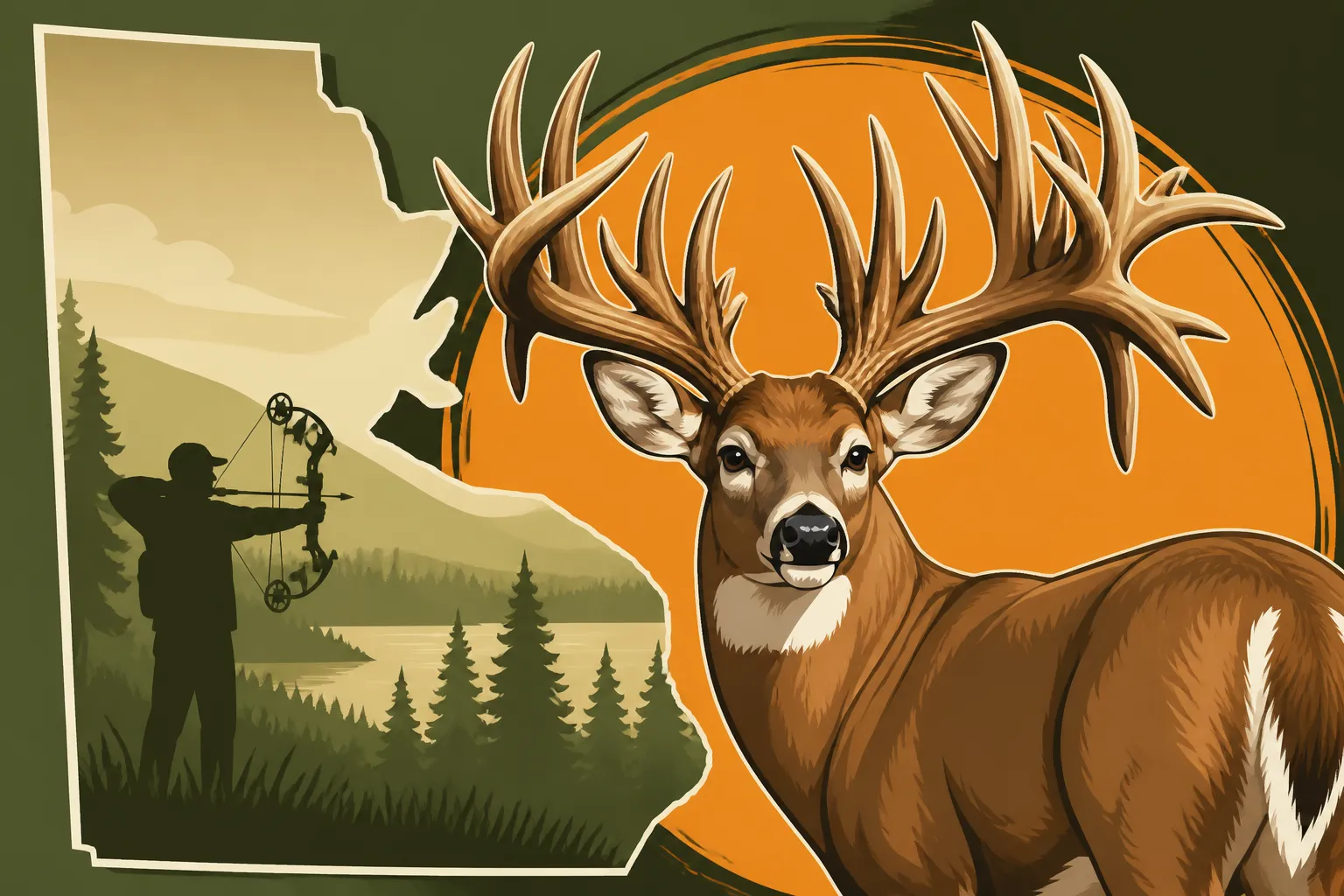
At its core, a nontypical antler is one that has abnormal points. These are points that do not conform to the standard typical frame of the antler. Think of them as wildcards that add character and often, significant mass, to the rack. These can manifest in several fascinating ways that really set a buck apart.
For instance, you might see "drop tines" that hang down below the main beam, defying gravity and adding an immediate wow factor. "Sticker points" or "kickers" are other common abnormal points, usually small, sharp projections that branch off existing tines or the main beam in unexpected directions. Sometimes, the main beam itself might take an unusual turn, or display irregular branching that doesn't mirror the opposite side. It's this deviation from symmetry and the proliferation of these extra, often gnarly, points that categorize a rack as nontypical. It’s these features that make hunting for a buck that breaks the mold so captivating for many of us.
The Genetic and Environmental Blend
The development of a nontypical rack isn't just random; it's a complex interplay of genetics, age, and environmental factors. Genetically, some bucks simply carry the genes that predispose them to growing abnormal points. It's like having a predisposition for curly hair versus straight hair – it's just in their DNA. This doesn't mean every buck from such a lineage will be a world-record nontypical, but the potential is certainly there.
Age plays a colossal role as well. Younger bucks, even with the genetic potential, usually don't have the physiological maturity or nutritional history to produce truly massive or complex nontypical racks. It's often the mature, older bucks – those who have survived multiple hunting seasons and harsh Manitoba winters – that really start to express these unique antler characteristics. A buck in his prime, say 4.5 years old or older, has had the time to accumulate the resources and hormonal cycles necessary for such impressive growth. Couple this with good nutrition and a relatively stress-free environment, and you're looking at the perfect storm for a magnificent nontypical.
The Factors Behind Manitoba's Nontypical Giants
Manitoba has earned a reputation for producing some truly incredible whitetails, and a significant part of that fame comes from the sheer number of heavy-bodied, unique-racked bucks that roam our diverse landscapes. It’s not just luck; there are very specific conditions here that nurture the growth of these nontypical giants.
Rich Forage and Nutrition for Growth
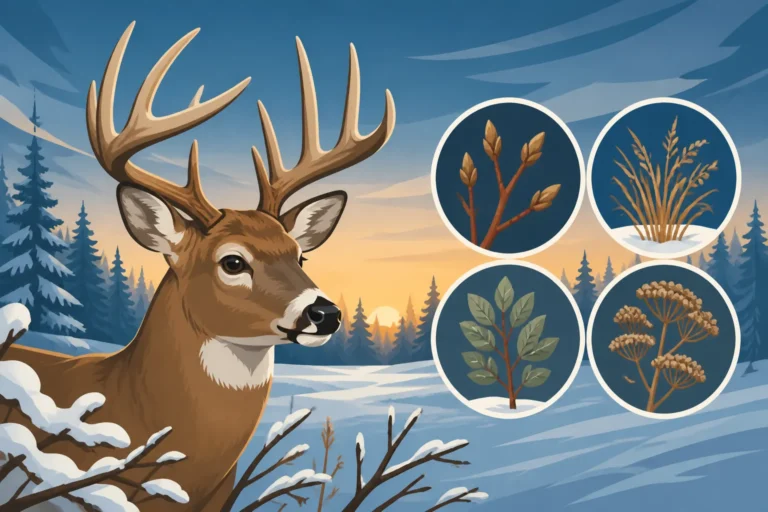
One of the primary drivers for exceptional antler growth, typical or nontypical, is superior nutrition. Manitoba is blessed with an abundance of high-quality forage across its varied ecosystems, from the lush agricultural fields of the south to the fertile bush country of the Parkland. Our whitetails have access to protein-rich crops like canola, alfalfa, and various grains, especially during critical antler growth periods in spring and summer. This sustained access to nutrient-dense food sources provides the building blocks for impressive bone growth.
A buck with consistent access to these kinds of calories and minerals can funnel more energy into antler development. This isn't just about making the rack bigger; it's about providing the resources for those extra points, the added mass, and the intricate details that distinguish a nontypical. When a buck doesn't have to struggle for food, his body can put more into horn, and that's where the magic really starts to happen in our province. It's why hunters often talk about how much these northern bucks weigh, a clear indicator of their robust health and access to good feed. If you're wondering Why Manitoba Bucks Grow Heavy Bodies, the nutrition available across the landscape is a huge part of the answer.
Age, Health, and Environment Specifics
Beyond just food, the specific environment and the age of the deer population play critical roles. Manitoba's expansive and often rugged terrain, especially in areas like the Interlake or the forested regions, provides ample cover where bucks can mature without excessive hunting pressure. When bucks are allowed to reach older age classes – 4.5, 5.5, or even 6.5 years old – their bodies have fully developed, and they have the hormonal cycles tuned to maximize antler potential. It's often in these later years that genetic predispositions for nontypical points really manifest themselves.
Furthermore, factors like injuries can also contribute to nontypical growth. A previous injury to an antler pedicle or to a leg can sometimes cause an antler on the opposite side to grow abnormally. While not always the case, these anomalies can sometimes result in truly unique and massive racks. The generally healthy deer population and strong genetics in Manitoba's various Manitoba's Game Hunting Areas further bolster the chances of these unique deer developing impressive, nontypical characteristics, offering an exciting challenge for hunters pursuing that once-in-a-lifetime buck. Many hunters also believe that a wet spring and summer can contribute to more impressive antler growth in general, as discussed in Reading Antler Growth After a Wet Year.
Why Manitoba Bucks Grow Nontypical
It's a combination of all these elements that creates the perfect storm for nontypical growth in Manitoba. You have a landscape that offers incredible nutrition, diverse habitats that allow bucks to age, and a strong genetic pool. When these factors align, you get deer that don't just grow large typical racks but sometimes explode with character and mass in the form of nontypical points.
For hunters, this means that even when scouting for a big typical buck, you might just stumble upon something far more unique. The thrill of the chase is amplified by the possibility of encountering a truly unique animal, one whose antlers tell a story of survival, rich resources, and a touch of genetic artistry. It’s part of what makes Why Some Manitoba Bucks Grow Nontypical such a fascinating topic for deer hunters in the province.
Hunting for Unique Racks in Manitoba's Diverse Landscape
Hunting for a nontypical whitetail isn't necessarily about employing entirely different tactics than you would for a large typical buck; rather, it's about refining your focus, prioritizing mature age, and understanding the specific habitats where these deer thrive. It requires patience, keen observation, and often, a little bit of luck, but you can certainly stack the odds in your favor.
Strategies for Targeting Mature Bucks
Since nontypical racks are most often found on older, more mature bucks, your hunting strategy should revolve around locating and targeting these older age classes. This means focusing on areas with less hunting pressure, where bucks can live long enough to express their full antler potential. In Manitoba, this might mean diving deeper into the bush country than most hunters venture, or finding those overlooked pockets of cover on the fringes of agricultural land. Think about remote bluffs, thick willow runs, or dense aspen stands that offer sanctuary.
Patience is paramount. Older bucks are wily survivors. They've learned to avoid detection, moving during low light or using dense cover to their advantage. Sitting for longer periods in a stand or blind, especially during the rut, can increase your odds. Employing strategies like still-hunting through thickets or using rattling and grunt calls, particularly during Hunting the Rut in Early to Mid November, can sometimes draw out a curious older buck looking for a fight. Remember, these bucks are often solitary outside the rut, so understanding their core areas and travel patterns is key.
Habitat and Movement Patterns of Older Deer
Nontypical bucks, being mature deer, will often utilize the densest cover available, especially in areas with significant human activity. In Manitoba's diverse landscape, this could mean the thick timber pockets within the Hunting Manitoba's Parkland Fringe for Big Bucks or the deeper, less accessible regions of the provincial forests. They'll gravitate towards areas that offer both sanctuary and easy access to prime food sources, often moving between thick bedding cover and feeding areas under the cloak of darkness.
Look for signs of heavy traffic in secluded areas: large tracks, heavily used trails, and rub lines on bigger trees. These telltale signs often indicate a mature buck is regularly using the area. Utilizing mapping applications like GoHunt can be invaluable here. You can pour over satellite imagery, identifying potential bedding thickets, travel corridors, and overlooked food plots or secluded fields. Use the tools to mark potential stand sites, track historical deer movements if you have past data, and analyze terrain features like subtle elevation changes or water sources that might funnel deer movement. This kind of diligent scouting, both digital and on the ground, is crucial for unraveling the puzzle of where a big nontypical might be lurking. Learning to truly interpret Reading Whitetail Sign in Manitoba Aspen can give you a significant edge in these areas.
The Role of Scouting and Persistence
Hunting for a trophy nontypical isn't a quick affair; it’s a marathon of scouting, patience, and persistence. Before the season, dedicate significant time to scouting. This isn't just about finding a buck, but about finding the signs of an older buck. Look for larger rubs, big tracks, and significant droppings. Set up trail cameras in key funnels and pinch points, especially near transition areas between bedding and feeding, to help identify specific bucks and their routines. Pay attention to how deer react to pressure and weather, adjusting your strategy accordingly.
Even after you've identified a promising area, you might need to hunt it repeatedly, often enduring long hours in cold weather, before that special buck makes an appearance. Remember, every time you’re in the woods, you’re learning more about the deer, their movements, and their preferences. Don't be discouraged by empty sits. The reward of encountering a magnificent nontypical, with its unique story etched in its antlers, is a testament to the dedication of the hunter. You might even find some valuable clues by looking for Where to Look for Sheds in Manitoba in the spring, which can confirm the presence of a unique buck in the area.
Understanding Nontypical Scoring and Manitoba's Legacy
When you finally harvest a buck with an exceptional nontypical rack, the next step for many hunters is often to consider getting it officially scored. This process allows its unique characteristics to be quantified and compared, giving the buck its rightful place in the record books and cementing Manitoba's reputation for producing world-class whitetails.
How Nontypical Antlers Are Scored
Scoring nontypical antlers follows a specific set of rules, often guided by organizations like Boone & Crockett or Pope & Young. Unlike typical racks, where symmetry and length are paramount, nontypical scoring embraces the wildness. The process involves measuring the main beam lengths, circumferences (mass), and the length of all typical points, just as you would for a typical rack.
However, the crucial difference for a nontypical is the addition of all "abnormal points." Every drop tine, sticker, or unique projection is carefully measured and added to the score. There are no deductions for asymmetry or differences between the left and right sides, as these are inherent to the nontypical nature. This comprehensive measurement often results in significantly higher scores for truly massive nontypical bucks, reflecting the incredible volume and unique growth patterns of these special animals. It's a fascinating contrast to Scoring a Typical Whitetail Rack, which heavily penalizes deviations from symmetry.
Manitoba's Reputation for Big Nontypicals
Manitoba has long been celebrated as a premier destination for big game hunting, and its reputation for producing gargantuan nontypical whitetails is well-deserved. Our province consistently ranks high in various record books, attracting hunters from all over North America who dream of taking one of these legendary deer. The combination of nutrient-rich agricultural land, vast expanses of wild bush, and cold, long winters that breed resilient, heavy-bodied deer creates the ideal conditions for record-book animals.
Over the years, numerous incredible nontypical bucks have been harvested across Manitoba, each with a unique story and an awe-inspiring set of antlers. These aren't just one-off occurrences; it's a consistent trend that speaks to the quality of our habitat and deer management practices. From the agricultural regions to the deeper bush pockets, the potential is there, and hunters who put in the effort are often rewarded with a trophy that will be talked about for generations. It’s a significant reason Why Manitoba Whitetails Score So Well in general.
The Legacy of a Nontypical Harvest
Harvesting a truly magnificent nontypical whitetail in Manitoba is more than just bagging a big buck; it's an achievement that becomes a part of your personal hunting legacy. These racks are conversation starters, works of art, and powerful reminders of an incredible experience in the wild. Each abnormal point, every twist and turn of the antler, tells a story of the buck's life, his environment, and the challenges he overcame to reach maturity.
For many, it's not just about the score, but the uniqueness of the animal. Displaying such a trophy is a constant source of pride and a testament to the rich hunting opportunities Manitoba offers. It speaks to the quality of our wild spaces and the health of our deer herds, inspiring new generations of hunters to explore our wilderness and perhaps, one day, encounter their own nontypical giant. The pursuit of these special animals is deeply ingrained in the hunting culture here, adding another layer of excitement to every season.
Comparing Typical vs. Nontypical Antler Growth
To really appreciate the unique nature of a nontypical rack, it's helpful to understand how it stands apart from a typical one. While both are impressive, their characteristics and the way they are scored differ significantly. This table summarizes some of the key distinctions.
| Feature | Typical Antlers | Nontypical Antlers |
|---|---|---|
| Symmetry | Highly sought-after, symmetrical on both sides. | Often asymmetrical, with unique, irregular growth. |
| Point Structure | Clearly defined main beam with distinct, upright tines (G1, G2, G3, etc.). | Includes typical points plus abnormal points (drop tines, kickers, stickers). |
| Scoring Focus | Gross score emphasizes length, mass, and symmetry. Net score heavily deducts for asymmetry. | Gross score emphasizes length, mass, and the length of all abnormal points. Deductions for asymmetry are minimal or non-existent for abnormal points. |
| Genetics | Strong genetic predisposition for symmetrical growth. | Genetic predisposition for unusual growth patterns. May also result from injury. |
| Rarity | Common form of antler growth. | Less common, often associated with older, mature bucks. |
| Visual Appeal | Classic, clean, aesthetically pleasing. | Wild, unique, often gnarly, very distinct and character-filled. |
Disclaimer
This article is for general informational purposes only and does not constitute professional advice. Laws, prices and regulations vary by location and change over time. Consult a qualified professional for guidance on your specific situation.