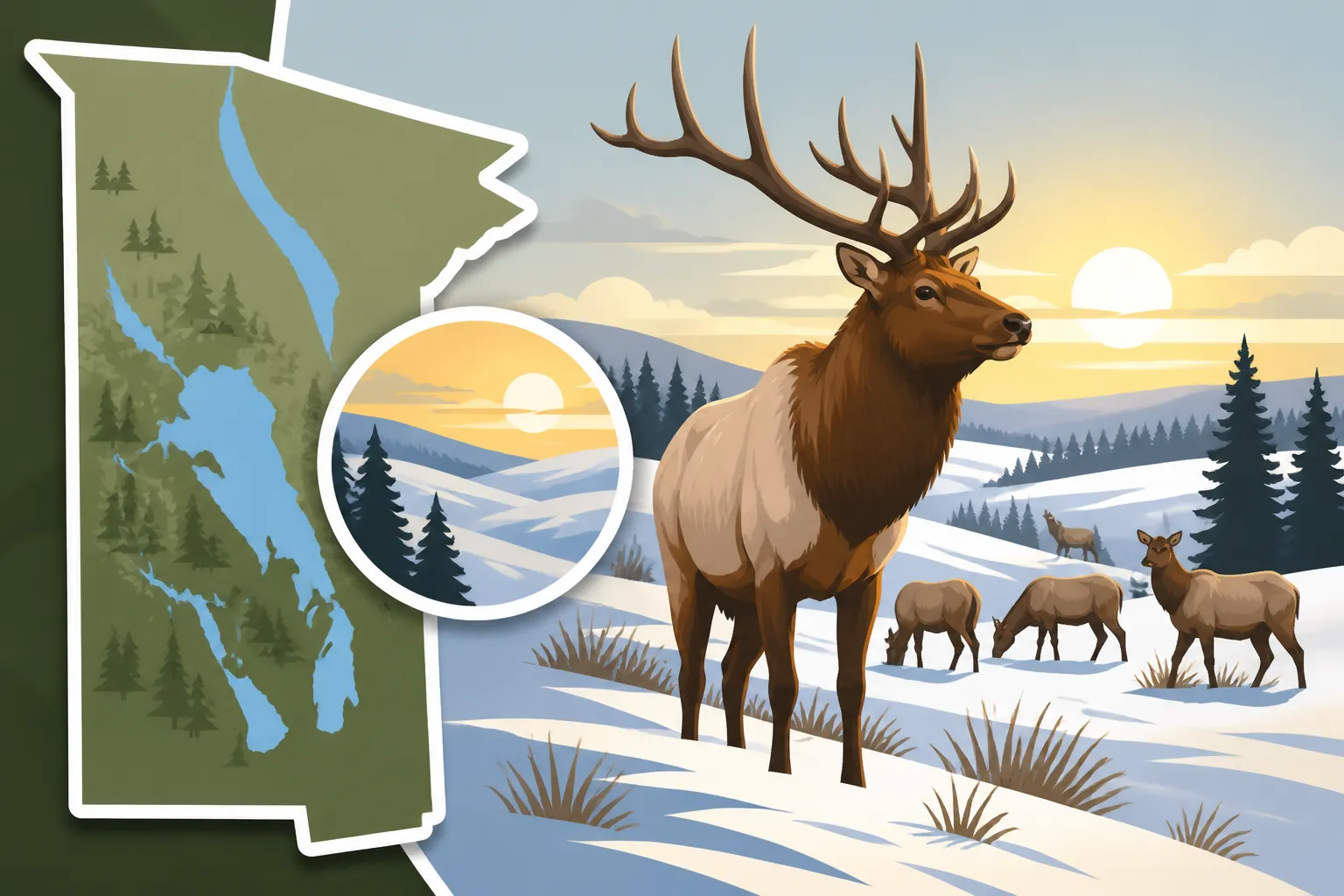
Where Manitoba’s Elk Herds Winter
Many Manitoba hunters spend countless hours trying to locate elk during the hunting season, often finding them elusive as these magnificent animals shift their patterns. Understanding where Manitoba's elk herds winter isn't just a fascinating piece of wildlife knowledge; it’s absolutely critical for comprehending their survival strategies and for increasing your chances of finding them when the deep snow hits and food becomes scarce. This guide will delve into the specific habitats and behaviours that define elk wintering grounds across our province.
Understanding Elk Winter Habitat Needs in Manitoba
Elk are adaptable, but when the cold winds blow and the snow piles up across Manitoba, their habitat needs become very specific. They're looking for a combination of food, cover from the elements and predators, and accessible terrain that doesn't sap all their energy. These needs drive their movements from summer range to the areas where they hope to survive the harshest months.
Food Sources and Nutritional Demands in Winter
Unlike whitetails that can often scrape by on browse and fallen agricultural crops, elk, being much larger animals, have significant nutritional demands, especially through winter. They're typically seeking out areas where food sources remain somewhat accessible, even under snow. This often means they'll gravitate towards stands of timber that provide diverse forage or areas where wind scour might expose grasses and forbs. Think about the high-calorie browse that can sustain a large ruminant, or residual crops if they're near agricultural zones. A hard winter can be particularly tough, making good forage critical. We're talking about everything from aspen buds and willow shoots to the persistent cured grasses found on south-facing slopes. These nutritional demands are a primary driver for where they decide to hunker down.
Shelter from the Elements and Predation
Winter in Manitoba is no joke. Sub-zero temperatures, howling winds, and deep snow can quickly become deadly. Elk instinctively seek shelter that can mitigate these extremes. Dense coniferous forests, especially those with thick understory, provide excellent thermal cover, buffering them from wind and trapping heat. Deep snow is also a major energy drain, so areas with shallower snow accumulation, often due to wind patterns or specific tree cover, are highly prized. Beyond just keeping warm, this cover also offers a crucial advantage against predators like wolves, making it harder for them to spot and pursue their prey. They need to conserve energy to survive, and good cover is paramount to that.
Accessibility and Terrain Considerations
The sheer size of an elk means that navigating deep snow can be incredibly draining. They prefer areas where travel is less arduous. This often includes ridges, south-facing slopes where snow melts faster or is shallower, and areas with natural windbreaks that prevent snow from piling up excessively. They’ll also use established game trails or even old logging roads if they offer easier passage. The terrain itself, whether it's rolling hills or flatter bush, plays a big role in how accessible vital resources remain through the winter months. A good scouting app like GoHunt can really help you identify these topographical features and potential travel corridors from your couch before you even set foot in the field.
Key Wintering Grounds for Elk in Manitoba
Manitoba's elk populations are primarily concentrated in a few distinct regions, and their wintering habits in each area are heavily influenced by the local geography and available resources. We're not talking about elk all over the province; they stick to their established territories.
The Parkland Region: Riding Mountain and Duck Mountain Country
The Parkland region is arguably the heartland of Manitoba's elk hunting, and for good reason. Areas like the fringes of Riding Mountain National Park and the Duck Mountain Country are prime elk habitat year-round, but especially in winter.
Riding Mountain National Park Fringe
Around Riding Mountain, elk often utilize the vast timber pockets and agricultural lands that border the park. The park itself provides a massive refuge, and as winter deepens, elk will often filter out of the park's interior into the surrounding provincial forests and private lands. They're drawn to the mixed forest types, including aspen parkland and conifer stands, which provide both food and thermal cover. The deep ravines and dense bush found in areas like the Pembina Valley Slopes also serve as excellent winter havens, offering shelter from the wind and often having shallower snow. On the private land side, they're looking for residual forage in fields, but they'll always be close to thick cover for security. If you're Hunting Around Riding Mountain National Park, knowing these movements is key.
Duck Mountain Provincial Forest
Further north, the Duck Mountain Provincial Forest is another stronghold. This rugged terrain, with its mix of deciduous and coniferous forests, offers ideal wintering conditions. Elk here will often move into the denser conifer stands – spruce, pine, and fir – which provide critical thermal cover during severe cold. The steep slopes and varied topography can also create microclimates with less snow accumulation, making foraging easier. They’ll concentrate in specific valleys and south-facing ridges, often in areas that are harder for hunters to access, which helps them survive the winter. For those serious about Hunting Elk in the Duck Mountain Country, understanding these winter sanctuaries is paramount.
Western Manitoba: Spruce Woods and Porcupine Hills
While perhaps not as well-known for elk as the Parkland, Western Manitoba still holds significant herds, particularly in the Spruce Woods and Porcupine Hills regions. These areas present a different set of wintering challenges and opportunities.
Spruce Woods Provincial Park and Forest
The Spruce Woods area, with its unique sand hills topography and mixed forest, draws elk to specific wintering locations. Here, the open grassland interspersed with aspen and spruce bluffs means elk have to be more deliberate about where they choose to spend the winter. They'll often seek out the shelter of the spruce forests along the Assiniboine River corridor or within the deep ravines and coulees that cut through the sandy terrain. The sandier soil often means less persistent snow depth in certain areas, providing easier access to dried grasses and browse. While perhaps not as numerous as the Parkland herds, the elk here are hardy and utilize every scrap of cover and forage available. For hunters interested in Hunting the Spruce Woods Sand Country, winter scouting for these specific pockets of cover can be highly rewarding.
Porcupine Provincial Forest
The Porcupine Hills Uplands, stretching into Saskatchewan, offer vast, continuous forest cover. Similar to the Duck Mountains, elk here lean heavily on the dense conifer stands for winter survival. They are often found in the higher elevations or along sheltered slopes, benefiting from the extensive timber to break the wind and reduce snow load. These are truly wild, remote areas where elk can disperse and find ample food and security. The challenge for hunters is often access, as these are some of Manitoba’s more remote and rugged hunting grounds. You can really dive into Hunting the Porcupine Provincial Forest if you're prepared for a true backcountry experience.
Central and Eastern Fringe Areas
While the bulk of Manitoba's elk reside in the western and parkland regions, smaller, more localized herds can be found in central and even eastern fringe areas, adapting to the unique winter conditions there.
Interlake Region Pockets
In the Interlake region, elk populations are generally smaller and more scattered, but they exist. These elk will winter in the dense bush pockets and larger timber stands that dot the landscape between the lakes. They rely heavily on the relatively undisturbed cover provided by these areas, particularly where there's a good mix of deciduous and coniferous growth. The mosaic of bush and marshland means they can often find pockets of sheltered browse. Areas with natural spring seeps or shallow water that doesn't freeze solid can also be crucial, providing year-round access to water. Hunting the Interlake Between Two Lakes can be a unique challenge, as elk sign can be very localized.
Eastern Shield Country Remnants
Even in the rugged Eastern Shield Country, some small, isolated elk herds persist. These elk are true survivors, wintering in the dense, rocky, boreal forests that characterize the region. They will seek out deep valleys, sheltered rock outcrops, and mature timber stands to escape the cold. Food sources might be scarcer here, making the selection of wintering grounds even more critical. They’ll adapt to what's available, often feeding on lichen, moss, and the hardy browse found in these tougher environments. This is truly where you see the resilience of Manitoba's elk.
Factors Influencing Elk Winter Movement and Survival
Elk aren't just static residents; their winter movements are dynamic and influenced by a variety of environmental pressures. Understanding these factors can help hunters predict their behaviour and ultimately improve their chances of a successful hunt.
Snow Depth and Hardness
The most obvious factor influencing where elk winter is snow. Deep, fluffy snow requires an immense amount of energy to push through, making travel and foraging incredibly difficult. As a result, elk will actively seek out areas with shallower snow, or where the snow is crusted and can support their weight, minimizing energy expenditure. Wind-swept ridges, south-facing slopes, and dense timber that intercepts snow can all offer relief. This constant calculation of energy expenditure versus forage availability drives many of their winter moves. A tough winter with relentless deep snow can push elk into areas they might not normally frequent, sometimes closer to human settlements in search of accessible food. When you're Hunting Safely in Deep Winter Cold, knowing where the elk will be trying to conserve energy is vital.
Available Forage and Browse Quality
Winter forage quality is critical for elk to maintain their body condition and survive the lean months. They need browse and persistent grasses that offer sufficient calories and nutrients. If their primary wintering grounds become depleted, or if the snow cover makes the existing food inaccessible, elk will move. They have an incredible ability to sniff out food beneath the snow, but there’s a limit to how deep they’ll crater. This often means moving from higher elevations to lower ones, or from dense forests to more open areas where wind might expose vegetation. Understanding what elk eat through the year can really help you pinpoint these areas.
Predation Pressure and Security
Predators like wolves, bears (though most are denning), and even coyotes can exert significant pressure on wintering elk. Elk need areas where they feel secure, where they can spot predators approaching or quickly find cover. This often means wintering in dense timber with good visibility, or in areas with broken terrain that offers escape routes. A particularly active wolf pack in one area might push elk to another, highlighting the dynamic nature of their winter survival strategy. Being aware of Wolf Pack Size in the Boreal Forest can give you an edge in understanding elk movements.
Human Activity and Disturbance
Human activity, including hunting pressure, logging, and recreational use, can significantly impact where elk choose to winter. Areas with high human traffic or consistent disturbance may see elk move to more remote, secluded locations, even if the forage or cover isn't ideal. Responsible hunting practices and being mindful of wildlife corridors are crucial to minimizing this impact. Outfitters like those found on GoHunt often know which areas receive less pressure and where elk can find peace. It's important for us as hunters to understand how our presence affects these animals, especially during their most vulnerable season.
Hunter Considerations for Wintering Elk
Hunting elk in Manitoba's winter requires a specific approach. Knowing where they winter is just the first step; understanding how to effectively hunt them, while being respectful of their critical survival needs, is the next.
Scouting Wintering Areas
Winter scouting can be incredibly effective for elk. With snow on the ground, tracks and other signs become much more apparent. Look for heavily used trails, cratered feeding areas, and beds in sheltered locations. Focus your efforts on the fringes of national parks, provincial forests, and areas with dense conifer stands, especially those with south-facing slopes. Satellite imagery and topographical maps can be invaluable for identifying potential wintering zones even before you leave home. Tools like GoHunt can help overlay different land classifications and features, making your pre-season scouting much more efficient. Pay attention to how the terrain offers wind protection and easy travel.
Understanding Elk Behaviour in Cold Weather
Elk behaviour changes dramatically in cold weather. They become more focused on conserving energy, feeding less frequently but more intensely, and spending more time bedded down in sheltered areas. Their movements will be slower and more deliberate. They might not cover as much ground as they would in the fall, often sticking to tighter areas. Learning to Reading Sign After a Fresh Snow can tell you a lot about their recent movements and current habits. They will typically be more active during the warmest parts of the day, often mid-morning and late afternoon, but can be found feeding at any time if conditions allow.
Ethical Hunting Practices in Winter
Hunting wintering elk comes with a great responsibility to ensure ethical practices. It's crucial to make clean, quick kills to minimize suffering, especially when conditions are tough. Avoid pushing elk unnecessarily, as chasing them through deep snow can expend critical energy they need for survival. Be mindful of their escape routes and never hunt in a way that risks leaving wounded animals to suffer. Pay extra attention to Meat Care in Manitoba's Cold Snaps, as cold weather can be both a blessing and a curse for processing game. Always be prepared for cold weather emergencies yourself, as winter hunts can quickly turn dangerous.
Leveraging Winter Access Challenges
Many of the prime wintering grounds for elk are in remote areas, and deep snow can make access challenging, if not impossible, for vehicles. This can actually work to your advantage as a hunter. Areas that are difficult to reach by truck or ATV often hold less hunting pressure. Be prepared to hike, snowshoe, or use skis to get into these backcountry spots. Consider a snowmobile for covering longer distances to reach your hunting area, but always respect local regulations for their use on Crown land. Being willing to put in the physical effort can open up untouched areas where wintering elk feel secure.
Comparing Elk Wintering Regions
To give you a clearer picture, here's a brief comparison of how elk might winter in different regions of Manitoba:
| Region | Primary Habitat Type | Typical Winter Cover | Forage Availability & Strategy | Hunter Access & Pressure |
|---|---|---|---|---|
| Riding Mountain Fringe | Mixed forest, agricultural edge | Dense aspen, spruce bluffs, ravines | Residual crops, varied browse, exposed grasses | Moderate to High, road access |
| Duck Mountain Country | Rugged mixed forest, boreal | Thick conifer stands (spruce, fir), sheltered valleys | Varied browse, some exposed grasses, lichen | Moderate, harder access |
| Spruce Woods Sand Hills | Sand hills, mixed forest, prairie | Spruce bluffs, river corridors, coulees | Persistent grasses, aspen/willow browse | Moderate, sandy terrain |
| Porcupine Hills Uplands | Vast boreal forest | Extensive dense conifers, high elevation timber | Conifer browse, lichen, moss, varied browse | Low to Moderate, remote access |
| Interlake Pockets | Bush pockets, marshland fringe | Dense bush, mixed wood stands | Bush browse, some persistent grasses | Moderate, localized |
Disclaimer
This article is for general informational purposes only and does not constitute professional advice. Laws, prices and regulations vary by location and change over time. Consult a qualified professional for guidance on your specific situation.