Setting a Bear Bait Site in Manitoba
So, you've decided to tackle a Manitoba bear hunt, and you're thinking about setting up a bait site. It's an exciting prospect, but if you've ever tried it without a solid plan, you know it can quickly turn into a frustrating game of feeding raccoons or worse, attracting nothing at all. It's more than just dumping a pail of scraps; there’s a real method to ensuring your bait is effective, legal, and ultimately, helps you punch that bear tag. This guide is going to break down every step, from understanding the local rules to the nitty-gritty of bait choice and site maintenance, giving you the best shot at bringing home a Manitoba black bear.
Understanding Manitoba's Baiting Rules and Regulations
Before you even think about buying a single donut, the most critical first step is to familiarize yourself with Manitoba's hunting regulations regarding baiting. Ignorance of the law is never an excuse, and game wardens here take these rules seriously for good reason: safety, fair chase, and wildlife management. These aren't just suggestions; they're the foundation of a legal and ethical hunt.
Where You Can and Cannot Bait
Manitoba has specific regulations about where baiting is permitted. Generally, baiting for black bear is allowed on most Crown land that is open to hunting, but there are significant exclusions. You absolutely cannot bait within Wildlife Management Areas (WMAs) in Manitoba. These areas are often managed for specific conservation goals, and baiting is typically prohibited to prevent concentration of animals and potential human-wildlife conflicts. Also, certain provincial parks or areas around populated zones will have strict no-baiting rules. It’s your responsibility to know the boundaries of your chosen Game Hunting Area (GHA) and ensure it’s an approved baiting zone. Relying on digital tools like GoHunt can be a real game-changer here, as their mapping features often show WMA boundaries and Crown land. Always double-check with the official Manitoba hunting guide and GHA maps. Failing to do so could lead to a hefty fine and loss of hunting privileges.
You also need to be mindful of private land. While baiting might be permissible on private land with the landowner's explicit permission, you still need to adhere to all provincial baiting regulations. Never assume. Always ask the landowner for specific permission, not just to hunt, but specifically to establish a bait site. Remember, the goal is to build good relationships with landowners, and respecting their property and wishes is paramount. If you're looking for public land options, our guide on Manitoba's Crown Land Access can offer some great insights.
Permits, Signage, and Season Specifics
In Manitoba, there isn't a separate "baiting permit" you apply for beyond your regular hunting licence and black bear tag. However, there are requirements regarding how your bait site must be marked. Each bait site must have signage that clearly states your name, address, and hunting licence number. This isn't just a suggestion; it’s a legal requirement that helps conservation officers identify who is responsible for the bait and ensures accountability. This signage needs to be visible and durable, capable of withstanding the elements for the entire baiting period.
The timing of your baiting is also crucial. You cannot establish a bear bait site indefinitely. Baiting for bears is typically restricted to specific periods correlating with the spring and fall bear seasons. For example, you usually can't put out bait more than 14 days before the season opens, and all bait must be removed within a certain period after the season closes. This ensures ethical hunting practices and prevents bears from becoming overly habituated to human-provided food sources outside of hunting seasons, which can lead to nuisance issues. Consult the latest Manitoba Bear Season Dates for the exact periods in your GHA. Understanding these specifics is key to a legal and responsible hunt.
Shared Management and Respecting Others
Manitoba prides itself on shared management of its wildlife resources, which means hunters also have a role to play in respecting other outdoor enthusiasts and fellow hunters. When you set up a bait site, consider its proximity to hiking trails, cabins, or other areas where people might recreate. While you might be on Crown land, placing a bear bait near a popular portage route or an unmaintained but frequently used backcountry trail could lead to unintended encounters and potentially create negative perceptions of hunting.
Furthermore, there’s an unspoken code of ethics among bear hunters when it comes to bait sites. You don't want to set up your bait too close to another hunter's established site. This creates competition, can confuse bears, and often leads to bad blood. Good practice is to scout an area thoroughly, and if you suspect another bait site is nearby, give it a wide berth. A respectful distance ensures everyone has a fair chance and maintains good relations in the hunting community. For those thinking of a specific time of year, consider checking out our piece on Spring Bear Hunting in Manitoba or Hunting Manitoba's Fall Bear Season for season-specific advice.
Choosing the Perfect Location for Your Bait Site
Once you're clear on the regulations, the real work of finding a prime location begins. This isn't just about finding a spot in the bush; it's about understanding bear behaviour, anticipating their movements, and ensuring the site is both effective for attracting bears and practical for your hunting setup.
Scouting for Prime Bear Habitat and Travel Routes
Bears are creatures of habit, often utilizing the same travel corridors and feeding areas year after year. Your goal is to intercept them along these routes or draw them out of their bedding areas. Look for signs of bear activity: tracks, scat, overturned rocks or logs, claw marks on trees, and rubbed-down saplings. These are all clues indicating bears are in the vicinity. Areas rich in natural food sources like berry patches, chokecherry thickets, or oak stands (where acorns might be present) are excellent starting points, as bears are already predisposed to foraging there.
Dense cover is a bear's best friend, especially during the day. Think about thick spruce and pine stands, alder thickets, or areas with dense regenerating timber. Bears will often bed in these areas and move out to feed in more open cover at dawn and dusk. Setting your bait on the edge of such heavy cover, or along a natural funnel leading from it, can be incredibly effective. Consider pinch points, old logging roads, creek bottoms, or beaver dam crossings where bears are likely to travel. Topographical maps and satellite imagery (many hunters find GoHunt satellite imagery and topographical maps indispensable for this kind of remote scouting) can help you identify these features from afar, allowing you to narrow down your on-the-ground scouting efforts. Our guide on Scouting a Manitoba Game Hunting Area can provide additional tips for identifying promising locations.
Safety First: Proximity to Roads, Trails, and Homes
While the regulations address where you can't bait, common sense and safety should guide where you shouldn't bait. Avoid setting up a bait site too close to main roads, well-used trails, or any residences, even if they're seasonal cabins. Bears that become habituated to human-provided food can lose their natural fear of people, leading to dangerous encounters. You don't want to create a nuisance bear that could eventually be put down because it became a public safety risk.
A good rule of thumb is to be at least a few hundred yards, preferably further, from any established human thoroughfare or dwelling. This not only minimizes human-bear conflicts but also keeps your bait site more discreet, reducing the chances of attracting unwanted human attention, such as theft or disturbance. Think about where you will be shooting from your stand – is there a safe backstop? Is there any chance of a bullet travelling beyond your intended target zone and endangering property or people? Always consider the full context of your surroundings.
Accessibility and Stealth for Long-Term Success
You'll be visiting your bait site regularly, especially in the initial stages. Choose a location that is reasonably accessible, but also allows for stealthy approaches. A site that requires a long, arduous hike through thick bush might seem appealing for its remoteness, but if it means you're struggling to carry heavy bait in and out, or making excessive noise, it could hinder your success. Old logging roads, ATV trails, or even just a well-worn game trail can provide good access.
However, once you get close to the bait, you need to be able to approach quietly and downwind. Bears have an incredible sense of smell and hearing. If they consistently smell or hear you coming, they will become nocturnal or abandon the bait altogether. Plan your approach route to minimize disturbance. Park your vehicle well away and walk in, paying attention to wind direction. Using GoHunt to mark your parking spot, walking route, and stand locations can help you navigate silently and consistently, ensuring you always take the most stealthy path to your bait. Knowing Where Manitoba Whitetails Bed in Deep Snow might give you an idea of the types of cover bears also seek, offering clues for similar stealthy approaches.
Crafting the Ultimate Bear Buffet: What to Use
Now for the fun part: deciding what goes into your bear bait. It’s not just about filling a barrel; it’s about creating an irresistible aroma and a calorie-dense meal that will keep bears coming back for more. Consistency and variety are key here.
The Allure of Sweet and Greasy Delights
Bears have an incredible sense of smell, and they are hard-wired to seek out high-calorie foods. This makes sweet and greasy items absolute gold for baiting. Think about baked goods that are past their prime: donuts, pastries, day-old bread soaked in cooking oil or rendered fat. The high sugar content provides quick energy, and the fat offers sustained calories, both of which bears crave, especially in spring after emerging from hibernation or in fall when they're packing on weight.
Many hunters swear by the "grease barrel" method. This involves drilling small holes in a barrel and filling it with cooking oil, bacon grease, or restaurant fryer waste. Over time, this grease will slowly seep out, creating a long-lasting scent trail and coating nearby vegetation, drawing bears in from a considerable distance. You can also mix a bit of vanilla extract or anise oil into the grease to enhance the smell. The smell of rich, sweet fat disperses incredibly well, especially on warm days, acting as a beacon for hungry bears.
High-Energy Staples for Consistent Attraction
While sweet treats are great for initial attraction, you need something substantial to keep them coming back day after day. This is where high-energy staples come into play. Old dog food, oats, corn, or even outdated granola bars are excellent choices. These provide a sustained energy source and bulk that fills a bear's belly, encouraging repeated visits.
Mixing these staples with some of your greasier ingredients can create an even more appealing concoction. For example, a base of old dog food with a generous pour of used cooking oil, topped with some sweet pastries, offers a balanced meal that addresses both immediate cravings and long-term nutritional needs. The key is to provide enough quantity that a bear can get a good meal, but not so much that they clean it out in one sitting and then disappear for days. A steady supply creates a reliable food source in their minds. For more details on bear behaviour, checking out What Bears Eat in a Boreal Spring can give you insight into their natural diet.
Scent Trail Strategies to Draw Them In
Beyond the bait itself, creating an effective scent trail is crucial for drawing bears into your site. This is often the first thing that brings them into the general area. Many hunters use "stink baits" or pure scent attractants. Anise oil, vanilla extract, and even concentrated fish oil are popular choices. You can hang rags soaked in these powerful scents from trees near your bait site, especially those upwind or along suspected travel corridors. The higher you hang them, the further the scent will travel on the breeze.
Another effective strategy is to create a "scent drag." Before you place your main bait, drag a burlap sack soaked in grease and strong attractants (like bacon grease and vanilla) from your vehicle or access point directly to your bait site. This leaves a pungent trail that a curious bear can follow right to the buffet. Refreshing this drag line periodically, especially if you haven't had much activity, can help re-energize your site. Remember, bears are driven by their noses, so make it impossible for them to miss your invitation.
Here's a quick comparison of common bait types:
| Bait Type | Attraction Level | Calorie Content | Cost-Effectiveness | Dispersal | Notes |
|---|---|---|---|---|---|
| Donuts/Pastries | Very High | High | Medium | High | Excellent initial draw; short-term. |
| Rendered Grease | High | Very High | Low | Very High | Best for scent and long-term draw, especially in barrels. |
| Old Dog Food | Medium | High | High | Low | Excellent staple for consistent feeding. |
| Corn/Oats | Medium | Medium | Very High | Low | Good bulk, affordable, but less attractive on its own. |
| Meat Scraps | High | High | Varies | Medium | Can attract scavengers; check regulations. |
| Anise/Vanilla Oil | Very High | N/A | Medium | Very High | Pure scent attractant, use sparingly. |
Setting Up and Maintaining Your Bait Station
Getting bears to your site is one thing; keeping them there, and ready for your hunt, is another. The setup and consistent maintenance of your bait station are paramount.
Essential Equipment for a Durable Bait Site
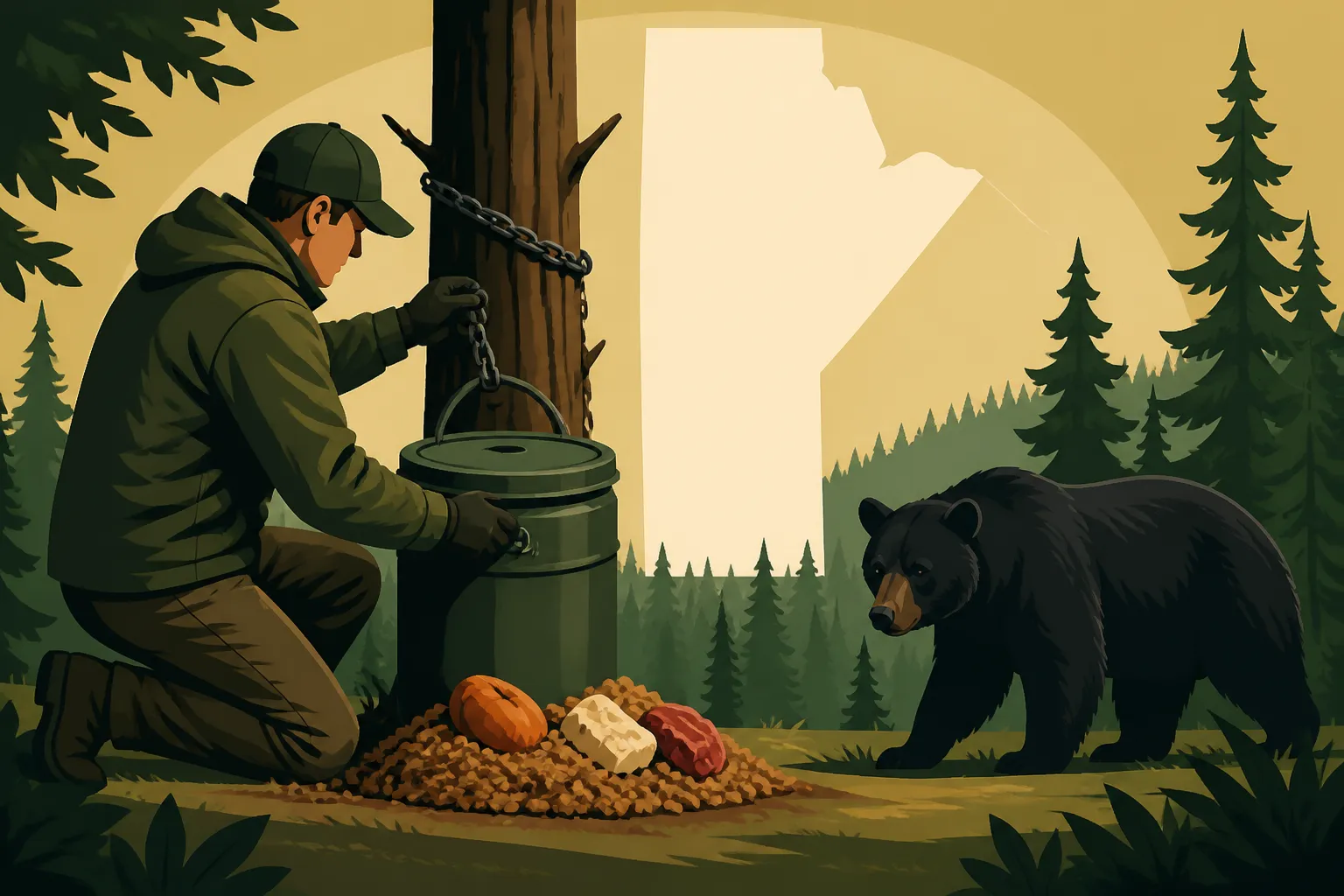
A sturdy container is key for your main bait. A 55-gallon steel barrel is the gold standard. Bears are incredibly strong and destructive, so this barrel needs to be secured. Burying half of it, or chaining it securely to a large tree or stump, will prevent a bear from dragging it off or completely destroying it in one visit. Use heavy-duty chains and lag bolts. Drill a few drainage holes in the bottom to prevent water from pooling and spoiling the bait.
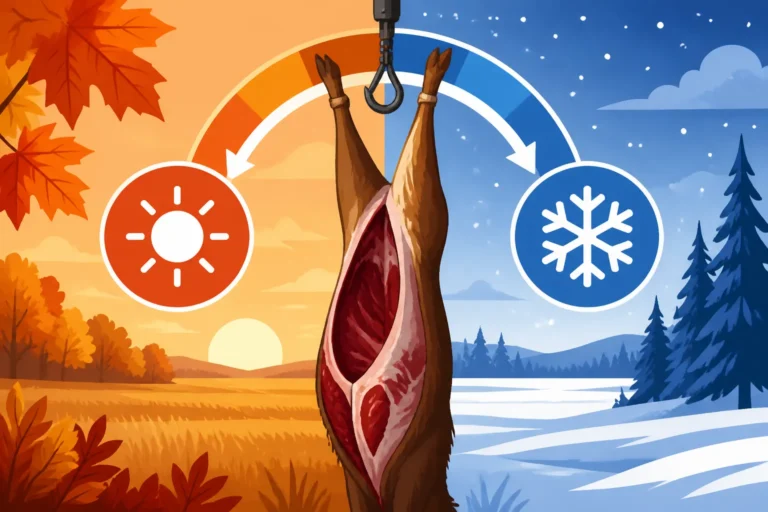
Around the barrel, consider placing heavy logs or rocks. These serve a couple of purposes: they give the bear something to work on, making them stay longer at the site, and they can encourage the bear to approach the bait from specific angles, which can be useful for shot placement from your stand. You might also want to set up some sturdy logs for rubbing posts; bears love to rub against trees, and these can encourage them to stick around. Don't forget a shovel for clearing the immediate area and a sturdy pair of gloves for handling bait. For information on securing your harvest after the shot, our article on Meat Care in Manitoba's Cold Snaps might be helpful.
The Art of the Initial Set and Follow-Up Visits
When you first set out your bait, you want to make it as appealing as possible. Don't just dump everything in the barrel. Scatter some highly aromatic, sweet items around the perimeter of the bait site and along your scent drag line. This creates an immediate reward for bears investigating the area. The "stinkier" the better for the initial setup.
Consistency is the single most important factor in baiting success. Bears are creatures of habit. If they discover a reliable food source, they will keep coming back. This means you need to visit your bait site regularly, typically every 2-3 days, to replenish the bait. If you let it go empty, a bear might move on to find a more consistent food source elsewhere. During these visits, replenish the sweet and greasy components, as well as the high-energy staples. If you're not seeing much activity, try switching up the bait components or adding new scent attractants.
Always be mindful of your presence. Approach quietly, check your trail camera (more on that next), replenish bait quickly, and get out. Minimize the amount of human scent you leave behind. This might mean wearing clean clothes dedicated only to baiting or using scent-eliminating sprays. The less a bear associates the bait with humans, the more comfortable and consistent their visits will be.
Monitoring and Replenishment Strategies
Trail cameras are an absolute game-changer for bear baiting. They provide invaluable intelligence without requiring your physical presence, minimizing disturbance. Place your camera strategically to get clear pictures of the bears visiting your site. This allows you to:
- Identify individual bears: Are you seeing the same bear repeatedly? Is it a sow with cubs (which are off-limits for hunting in Manitoba)? Is it a large boar? Learning to recognize individual bears is part of the art of bear hunting, and can help with Judging a Boar From a Sow With Cubs.
- Track visitation patterns: Are bears visiting mostly at night, or are there daytime visitors? This helps you determine the best times to hunt.
- Monitor bait levels: You'll know exactly when the bait needs replenishing, rather than guessing.
- Assess overall activity: If activity drops off, it might indicate a problem, like another food source becoming available, or a larger bear dominating the site.
When you go to replenish your bait, always check the camera first. This will tell you what you're dealing with. If you have a dominant, large boar visiting consistently in daylight, you know you're in a good spot. If you're only seeing small bears or sows with cubs, you might need to adjust your strategy or look for a different site. For remote areas without cell service, a traditional SD card camera works great, but in areas with service, cellular trail cameras can provide real-time updates directly to your phone.
Common Challenges and Troubleshooting
Baiting isn't always smooth sailing. You'll inevitably face challenges, from other animals to weather, and even other people. Knowing how to troubleshoot these issues can save your hunt.
Dealing with Unwanted Guests
It's almost guaranteed that bears won't be the only critters visiting your bait. Raccoons are notorious bait thieves, capable of cleaning out a significant amount of bait in a single night. Smaller bears might also dominate the site, keeping larger, more desirable bears away. Even wolves and coyotes might show up, especially in more remote areas.
If raccoons are a major problem, try securing the bait more tightly within the barrel. Some hunters construct a smaller, raccoon-proof cage within the barrel that only bears can manipulate to get at the food. You can also try adding less palatable items for raccoons, or simply increasing the volume of bait so that there's always enough left for the bears. For smaller bears, patience is often key. A dominant boar will usually run off smaller bears eventually. However, if a particular smaller bear or persistent raccoon is truly ruining your site, you might need to try to encourage them to move on through non-lethal means, or even temporarily remove the bait for a few days to disrupt their pattern. Remember to check Manitoba Rules on Baiting Big Game for any restrictions on dealing with non-target species.
Weather Impacts on Baiting
Manitoba weather can be fickle, and it certainly affects your bait site.
- Rain: Heavy rains can wash away scent, spoil certain types of bait, and make travel to your site difficult. Ensure your barrel has drainage holes, and replenish scent attractants after a good downpour.
- Heat: Warm weather can cause bait to spoil faster, especially meat-based products. This can make bears sick and deter them. In hot weather, focus on dry baits like dog food and grains, and use plenty of grease for scent, as it holds up better.
- Freezing Temperatures: In the fall, freezing temperatures can make bait hard to access for bears. If your bait freezes solid, a bear might move on. To combat this, ensure some bait is always loose on the top, or use a mixture of bait that doesn't freeze into a solid block. You could also try placing a small amount of fresh, unfrozen bait on top during each visit. Hunting in Manitoba's early fall can be relatively warm, so Hunting Manitoba's September Archery Opener might require different baiting considerations than later seasons.
Maintaining Secrecy and Security
While we hope for the best in the hunting community, unfortunately, bait site theft or disturbance can occur. Maintaining some level of secrecy about your bait site location is wise. Avoid discussing its exact location with too many people, and try to make your tracks to the site as discreet as possible. Using trail cameras with security features, like a locked housing, can deter theft of the camera itself.
If you find your bait site has been tampered with or stolen, report it to a conservation officer. They are there to help protect lawful hunting activities. While frustrating, it's important not to let it derail your entire season. Sometimes, moving to a new, less obvious location is the best course of action. Always keep in mind that baiting is a privilege, and ethical behaviour from all hunters helps maintain that privilege.
Maximizing Your Success: When and How to Hunt Your Bait
You've put in the hard work, the bears are coming in regularly, and you've got a good handle on their patterns. Now it's time to capitalize on all that effort and make the shot count.
Timing Your Hunt: The Best Windows for Action
Your trail camera intel is paramount here. Analyze the timestamps on your photos and videos. Are bears mostly coming in at last light, in the middle of the night, or are you seeing consistent daytime activity? You want to hunt when bears are most active during legal shooting hours. In Manitoba, legal shooting hours for big game extend from one half-hour before sunrise to one half-hour after sunset.
Often, the best windows are the last few hours before dark and the first few hours after first light. Bears tend to be more comfortable moving during these periods. If your camera shows a particular bear coming in consistently at 7 PM, plan to be in your stand by 4 PM to ensure you're settled and quiet long before their arrival. Patience is a virtue in bear hunting; sitting for extended periods, even when it feels cold or slow, is often what pays off. Our article on Timing a Manitoba Spring Bear Hunt offers more specific advice on seasonal timing.
Stand Placement and Wind Considerations
Your stand placement is crucial. You want to be close enough for an ethical shot, but far enough away not to spook the bear with your scent or movement. Typically, 20-30 yards from the bait is an ideal distance for a bowhunter, and 50-75 yards for a rifle hunter, though this can vary with cover and personal comfort levels.
- Wind: This is arguably the most critical factor. Bears have an incredible sense of smell, far superior to deer. You must hunt with the wind in your favour, blowing your scent away from the bait site. Check the wind direction religiously before every hunt. If the wind isn't right for your primary stand location, you either need a secondary stand setup for different wind directions or, honestly, you should consider not hunting that day. Blowing your scent to the bait will almost guarantee a no-show.
- Background: Consider your background from the bear's perspective. Can you silhouette yourself against the sky? Choose a stand location that offers a natural backdrop, like a dense tree line, to break up your outline.
- Shooting Lanes: Clear shooting lanes to the bait barrel. Trim branches that might deflect an arrow or bullet. Ensure you have clear lines of sight to the bear's likely approach paths and, crucially, to the vitals of a bear standing at the bait.
Whether you're using a treestand or a ground blind, ensure it's comfortable and provides good concealment. You'll be sitting for hours, so comfort helps you remain still and focused.
Ethical Hunting Practices and Shot Placement
When a bear finally steps out, take a deep breath and focus. This is where all your preparation culminates.
- Positive Identification: Always positively identify your target. Is it a legal bear? Is it a sow with cubs (which are protected)? Take your time.
- Shot Placement: For bears, the kill zone is relatively small and located just behind the shoulder, slightly lower than on a deer. A broadside or slightly quartering-away shot offers the best opportunity to hit the vitals (lungs and heart). Avoid straight-on or quartering-to shots, as these dramatically reduce your chances of a clean kill. Wait for the bear to present the best angle. This might mean waiting for it to turn and feed, rather than rushing a shot. Our Black Bear Hunting in Manitoba guide can provide more insights into shot placement.
- Follow-Up: After the shot, give the bear time. Unlike deer, bears often don't show dramatic signs of being hit immediately. Sit quietly for at least 30-60 minutes, longer if you have any doubt about the shot placement. This allows the bear to expire without being pushed further into heavy cover. Only then should you begin tracking. Bears are incredibly tough animals, and a wounded bear in thick cover can be a dangerous recovery.
Successfully baiting for bear in Manitoba is a rewarding endeavour, combining knowledge, patience, and ethical practice. By understanding the rules, choosing your site wisely, and consistently providing a tantalizing meal, you’ll significantly increase your odds of a successful and memorable hunt.
Disclaimer
The information provided in this guide is for informational purposes only and is not a substitute for official regulations. Always consult the current Manitoba Hunting Guide and relevant provincial laws before planning any hunting activity. Hunting regulations can change, and it is the hunter's responsibility to stay informed and adhere to all legal requirements.