What a Hard Manitoba Winter Culls
Manitoba winters are legendary for their bite, and for the province's wildlife, these harsh conditions aren't just an inconvenience—they're a brutal test of survival. Every year, a hard Manitoba winter naturally culls game populations, a process that, while seemingly stark, plays a crucial role in maintaining healthy herds and ecosystems. This guide delves into the realities of winter kill, exploring which species are most affected, the mechanisms at play, and what these tough seasons mean for the overall health of Manitoba's diverse game animals.
The Silent Scythe: How Winter Culls Game Populations
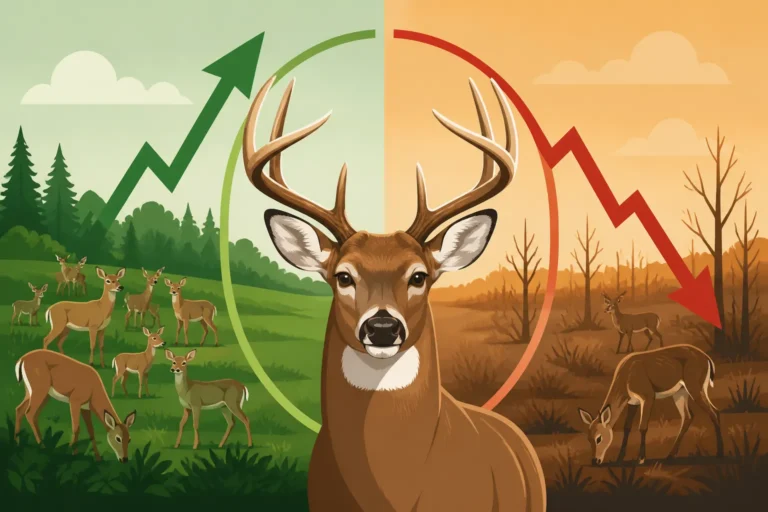
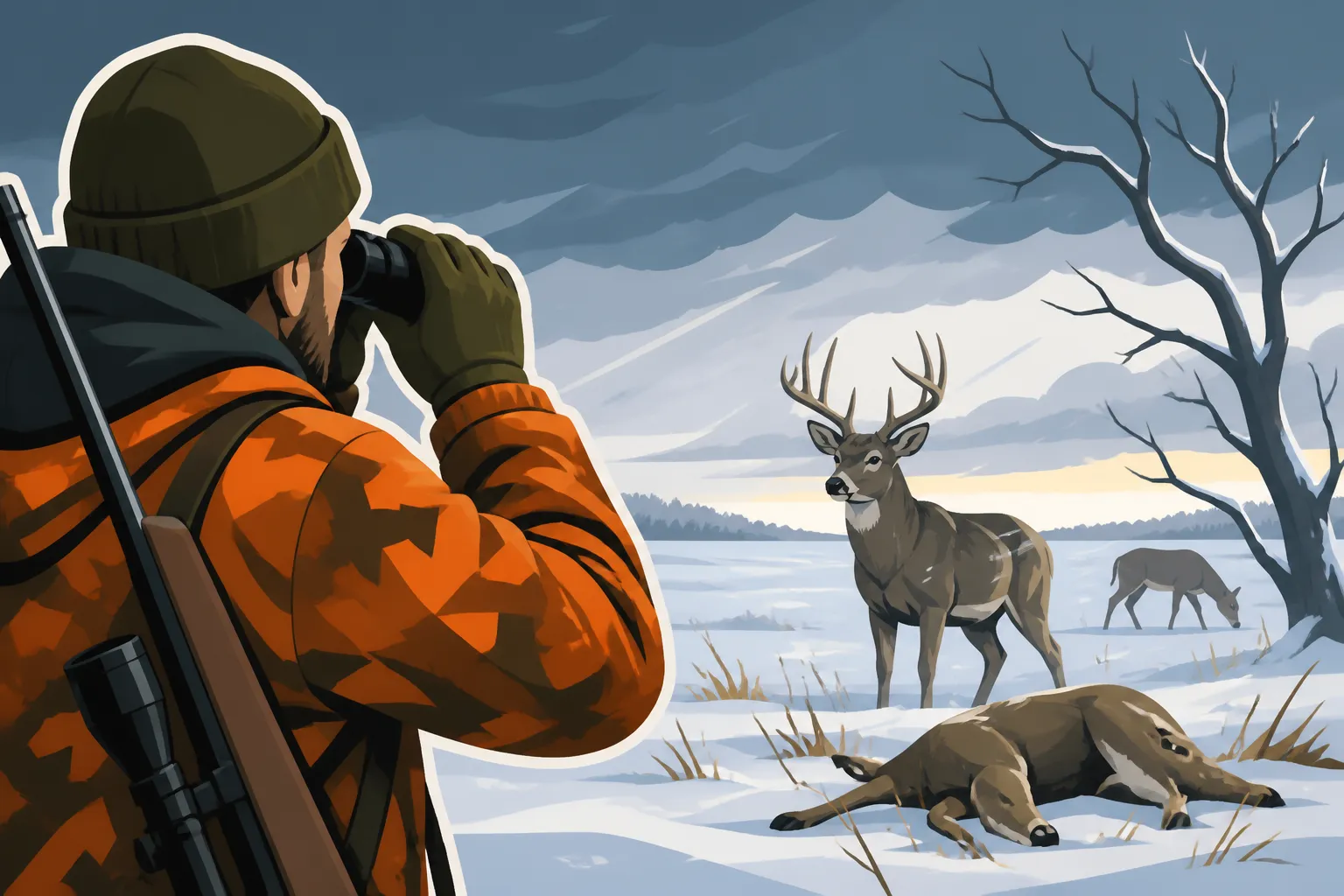
When the temperatures plummet and the snow piles up, Manitoba's wilderness transforms into a formidable adversary for its inhabitants. A "hard winter" isn't just about cold; it's a combination of prolonged severe cold, deep snow that persists for months, and a scarcity of accessible food. These factors conspire to put immense pressure on game animals, leading to what wildlife biologists grimly but accurately call "winter kill." It's a natural, albeit often dramatic, form of population control that selects against the weak, the old, and the sick, leaving the strongest individuals to continue the lineage.
Starvation and Depletion of Resources
The most common and often devastating mechanism of winter kill is starvation. As the snow deepens, it covers critical food sources, making browse, forbs, and residual crops inaccessible. Deer, for instance, rely heavily on woody browse in winter, but if snow depths exceed their chest height for extended periods, even prime browse areas become feeding traps. They simply can't move efficiently to reach new areas or paw through the snow effectively. This forces them to expend more energy to find less food, creating a downward spiral. Imagine trying to wade through waist-deep snow for hours every day just to find a few twigs to nibble on; the energy deficit quickly becomes insurmountable.
Beyond the physical barrier of snow, the nutritional quality of available forage also declines significantly by late winter. What was once rich, energy-dense browse in the fall becomes depleted and less palatable. Animals, especially those that entered winter already stressed from the rut or a poor summer, quickly burn through their fat reserves. Once those reserves are gone, their bodies begin to break down muscle tissue, leading to extreme emaciation and, eventually, death. It's a slow, agonizing process that often goes unnoticed by human eyes until spring reveals the grim evidence.
Increased Predation Pressure
While starvation weakens animals, deep snow simultaneously makes them more vulnerable to predators. Whitetail deer, in particular, struggle to escape through heavy snow. Their relatively small hooves sink, slowing them down significantly, while predators like wolves and coyotes, with their larger paws and often superior stamina, can travel more efficiently, almost "snowshoeing" across the drifts. This imbalance turns otherwise healthy deer into easy targets. The deep snow acts like a giant net, funneling and slowing prey, giving predators a distinct advantage.
This increased vulnerability means that a hard winter can also lead to a temporary surge in predator success rates. Animals that might normally escape a chase during milder conditions become exhausted quickly in deep snow. For instance, a pack of wolves might struggle to bring down a healthy, unencumbered moose on firm ground, but a moose weakened by cold and struggling through shoulder-deep drifts becomes a much more viable meal. Do Wolves Affect Manitoba Moose Numbers? is a question often tied to these conditions. This is why you often see predator populations closely linked to the health and numbers of their primary prey species.
Disease and Weakened Immunity
A body stressed by cold and hunger is a body with a compromised immune system. Just like humans during flu season, game animals are more susceptible to disease when their energy reserves are low. Respiratory infections, parasites, and other ailments that might be minor nuisances during milder times can become fatal in a hard winter. A deer already struggling with a heavy parasite load, for example, might tip over the edge when faced with extreme cold and a lack of food. The compounding factors create a perfect storm.
One of the most concerning diseases in Manitoba, Chronic Wasting Disease (CWD), further complicates the picture. While CWD itself isn't directly caused by winter, deer infected with CWD often show signs of emaciation and abnormal behaviour, making them even more susceptible to winter's toll. A hard winter could potentially accelerate the culling of CWD-positive animals, or conversely, make it harder for wildlife managers to differentiate between CWD mortality and simple starvation, complicating monitoring efforts. This interconnectedness of environmental stress and disease makes understanding winter kill even more complex for wildlife management.
Direct Exposure and Extreme Cold
While starvation and predation are major players, direct exposure to extreme cold can also be a killer, especially for younger or already weakened animals. Sustained temperatures well below -30°C (-22°F), coupled with biting winds, can overwhelm an animal's ability to maintain its core body temperature, even with thick fur. Hypothermia can set in, leading to organ failure. This is particularly true if an animal is wet, perhaps from falling through ice or getting caught in freezing rain, or if it has lost its insulating fat layer.
Animals attempt to mitigate this by seeking shelter in dense cover, under conifer stands, or in sheltered coulees where snow often accumulates but the wind is buffered. Where Manitoba Whitetails Bed in Deep Snow is critical knowledge for survival. However, these thermal cover areas might not always coincide with accessible food sources, forcing a trade-off. A furbearer like a muskrat might suffer if its lodge freezes solid, while a deer caught out in the open during a blizzard has little chance of making it through the night. The combination of intense cold and wind chill can strip away warmth faster than any animal can generate it, leading to a quick demise for the most vulnerable.
Species-Specific Vulnerabilities: Who Suffers Most?
Different game species in Manitoba have evolved various strategies to cope with winter, but some are inherently more vulnerable than others to a truly hard season. Understanding these vulnerabilities is key to appreciating the impact of winter kill across the landscape.
Whitetail Deer: The Most Affected
Without a doubt, white-tailed deer are often the hardest hit by severe Manitoba winters. Their preferred winter browse often includes young aspen, willow, and red osier dogwood, but these can become buried under deep snow. Unlike moose, deer don't have the long legs to easily wade through chest-deep drifts, nor the sheer body mass to efficiently break through ice crusts. This significantly restricts their movement, making it difficult to access food and escape predators. How Deep Snow Moves Deer Into Cover is a prime example of their challenge.
Furthermore, deer tend to "yard up" in winter, concentrating in areas with dense cover and some available browse. While this provides some thermal protection and can consolidate food resources, it also concentrates animals, potentially exhausting localized food supplies quickly and making them more susceptible to disease transmission and predator pressure. If the winter is long and brutal, these yarding areas can become zones of significant mortality. Wildlife managers watch deer populations closely after severe winters, as significant declines can occur, affecting future hunting opportunities. Why Manitoba Deer Numbers Swing often correlates directly to winter severity.
Moose and Elk: Different Challenges
Moose, with their impressive height and long legs, are better equipped to handle deep snow than deer. They can wade through deeper drifts and reach browse that is higher off the ground, such as the twigs and buds of balsam fir, willow, and aspen. However, moose face their own unique winter challenges, most notably the scourge of winter ticks. A mild fall followed by a quick freeze can allow winter tick populations to explode. These parasites latch on in the thousands, causing severe blood loss, constant itching that leads to hair loss, and extreme stress. A moose weakened by a heavy tick load going into a hard winter is at a severe disadvantage. How Winter Ticks Affect Boreal Moose is a major concern for this species.
Elk, typically found in areas like the Duck Mountain and Riding Mountain regions, are often more resilient to heavy snow than deer due to their larger size and more generalist diet. They can paw through snow to access ground forage if necessary, and their longer legs aid in mobility. However, sustained deep snow can still limit their movements and access to key forage areas, leading to nutritional stress. Young elk calves are particularly vulnerable to a combination of deep snow and predation. If a herd is already struggling due to habitat loss or other pressures, a harsh winter can set back their recovery significantly. What Caused the Duck Mountain Moose Decline is a case study where multiple factors, including winter severity, played a role in population health.
Upland Birds and Small Game: Surviving Under Snow
Upland birds like Ruffed Grouse and Sharp-tailed Grouse have fascinating adaptations for winter. Ruffed grouse, for instance, are masters of "snow roosting," burrowing into soft, powdery snow to create an insulating chamber that can be 20-30 degrees warmer than the outside air. However, this strategy relies on specific snow conditions—light, fluffy snow, not a hard crust that prevents burrowing. If a hard winter brings heavy, crusty snow or persistent freezing rain, these birds lose their vital thermal shelter and are much more exposed to the cold and predators. Food sources like aspen buds also become critical, and if these are scarce, starvation can set in. Why Sharptail Numbers Rise and Fall is often a direct result of these winter conditions.
Small game like snowshoe hare also face a difficult time in hard winters. While their diet of woody browse is typically available, deep snow can concentrate them in smaller areas, making them easier targets for predators like lynx, coyotes, and owls. The hare's famous camouflage also relies on snow, but if a mid-winter thaw leaves bare patches, they can be highly conspicuous targets. Ultimately, for all these species, a truly hard Manitoba winter applies intense natural selection, shaping the populations that emerge in the spring.
The Aftermath: Observing Winter Kill and Its Long-Term Effects
The impact of a severe winter isn't immediately obvious. It often takes until the spring thaw to truly gauge the extent of the winter kill. This observation and subsequent analysis are vital for wildlife managers and hunters alike, informing everything from hunting regulations to habitat improvement projects.
Monitoring Winter Kill: What Wildlife Managers Look For
Wildlife biologists and conservation officers are on the front lines of assessing winter kill. Once the snow begins to recede, they conduct surveys, often on foot or by air, looking for carcasses in areas known as wintering grounds or deer yards. They record species, age class (calves and fawns are typically the first to succumb), and condition, trying to determine if starvation, predation, or a combination of factors was the cause. These ground surveys, sometimes augmented by aerial counts in specific areas, provide critical data points on population health and trend.
Carcasses also undergo necropsies when possible, to check for signs of disease, parasite load, and nutritional status. For instance, the presence or absence of bone marrow fat can be a strong indicator of an animal's struggle with starvation. They also monitor predator activity, looking for signs of increased kills in specific areas. All this data contributes to a comprehensive picture of how well a particular species or herd weathered the season. Agencies might use tools like GoHunt to cross-reference historical winter severity data with reported observations, helping to predict future impacts.
Impacts on Hunter Success and Regulations
The immediate effect of significant winter kill is often felt by hunters in subsequent seasons. If fawn and calf survival is low, it means fewer young animals recruiting into the population, leading to fewer deer, moose, or elk available in the coming years. This can translate to reduced bag limits, shorter seasons, or even temporary closures in specific Game Hunting Areas (GHAs) to allow populations to rebound. For hunters, it’s a direct reminder that wildlife populations are cyclical and highly sensitive to environmental factors.
It's not uncommon for hunters to notice fewer animals or smaller deer next fall after a brutal winter. Bucks, especially, might prioritize survival over antler growth, leading to smaller racks. For those planning a hunt, checking wildlife reports and understanding population trends is crucial. Tools like GoHunt can provide insights into specific GHA conditions, but local conservation offices are always the best source for regulatory changes stemming from winter kill. Adjustments to hunting opportunities, such as special antlerless draws or second deer licences, can be directly influenced by these population dynamics.
Natural Recovery and Population Resilience
Despite the somber reality of winter kill, wildlife populations are incredibly resilient. Nature has an amazing capacity for recovery, and the culling effect of winter, while harsh, is ultimately part of a healthy ecosystem. By removing the weakest individuals, winter kill helps ensure that the remaining population is composed of robust animals, better able to reproduce and pass on strong genetics. This natural selection process strengthens the herd.
When a series of mild winters follows a severe one, populations can bounce back remarkably quickly, particularly for species with high reproductive rates like white-tailed deer. Habitat management, which includes ensuring sufficient winter range and browse availability, plays a critical role in this recovery. By ensuring that prime wintering areas are protected and enhanced, wildlife managers help give animals the best chance to survive these natural challenges. Hunters, through their licence fees and conservation efforts, contribute directly to these habitat initiatives, helping Manitoba's game continue to thrive despite the occasional deep freeze.
Adapting to the Cold: What Survives and Why
While winter kill is a reality, it's important to remember that many animals do survive the toughest Manitoba winters. Their survival is a testament to incredible adaptations, smart behavioural choices, and, sometimes, sheer luck. Understanding these survival mechanisms offers a deeper appreciation for the resilience of Manitoba's wildlife.
Genetic Hardiness and Physical Adaptations
The animals that survive hard winters are often those with superior genetics for cold tolerance, efficient metabolism, and strong disease resistance. Natural selection ensures that over generations, the traits that aid winter survival become more prevalent in the population. For instance, animals with denser winter coats, a more efficient metabolism for converting scarce food into energy, or a natural tendency to store more fat in the fall are more likely to make it through.
Consider the physiological changes that occur: deer grow a thick, hollow-haired winter coat that provides incredible insulation. Moose develop a shaggy, dense fur designed to shed snow and ice. These aren't minor changes; they are profound adaptations. What a Big Manitoba Whitetail Weighs is often tied to its ability to store fat reserves to endure these conditions. Their bodies are built for this, but even the best adaptations have their limits when conditions become truly extreme and prolonged.
Behavioural Strategies for Survival
Beyond physical traits, behavioural adaptations are crucial. Seeking shelter is paramount. Animals learn to find thermal cover in dense conifer stands, in the lee of bluffs, or within deep snow banks. These microclimates offer significant protection from wind chill and direct exposure. Deer, in particular, will minimize movement during extreme cold spells, conserving precious energy. Hunting Whitetails at Thirty Below means understanding how little deer move in those conditions.
Food-finding strategies also adapt. Deer might switch to less palatable but more abundant browse if their preferred foods are buried. Coyotes and wolves, as opportunists, will shift their focus to weakened or vulnerable prey. For many species, simply entering winter in peak physical condition – having a good fat layer from a successful feeding season – is the single most important behavioural adaptation to maximize their chances of survival. This is why a good summer and fall can often mitigate some of the damage from a hard winter. If you're using an app like GoHunt for scouting, paying attention to areas with good thermal cover and potential late-season food sources can give you clues about where deer might congregate during harsh conditions.
The Role of Habitat and Landscape Features
The landscape itself plays a massive role in winter survival. Areas with diverse habitat, offering a mix of dense thermal cover and accessible food sources, will always fare better than monoculture landscapes. Mature forests, especially those with a good understory, provide more thermal protection and a greater variety of browse. River valleys and coulees can offer sheltered pockets where snow depths are less extreme or where wind is buffered.
Human activities can also unintentionally impact winter survival. Clearcutting, for example, can remove critical thermal cover, forcing animals into less suitable areas. Conversely, responsible forest management that creates diverse age classes of trees can sometimes enhance browse availability. The presence of standing agricultural crops, like corn or sunflowers, can also provide a vital late-season food source, often concentrating deer in these areas. Hunting a Field of Standing Corn can highlight how these agricultural features become critical survival zones. Ultimately, a balanced landscape provides the best buffer against the inevitable severity of a Manitoba winter.
| Game Species | Key Survival Strategies | Vulnerability Level | Notes on Survival |
|---|---|---|---|
| White-tailed Deer | Yarding, dense thermal cover, minimal movement, fat reserves | High | Reliant on accessible browse, vulnerable to deep snow |
| Moose | Long legs for deep snow, tall browse, fat reserves | Moderate to High | Vulnerable to winter ticks, calves struggle with cold |
| Elk | Larger body mass, pawing for food, herd safety | Moderate | Can move to more open areas, requires good forage |
| Black Bear | Hibernation (denning) | Low | Survival dependent on denning success, good fall feed |
| Ruffed/Sharp-tailed Grouse | Snow roosting, budding (ruffed), grit for digestion | Moderate | Specific snow quality needed, vulnerable to crusty snow |
| Coyote/Wolf | Efficient travel on snow, opportunistic hunting, pack dynamics | Low | Adaptable, thrive on weakened prey, good winter hunters |
Disclaimer
This article is for general informational purposes only and does not constitute professional advice. Laws, prices and regulations vary by location and change over time. Consult a qualified professional for guidance on your specific situation.