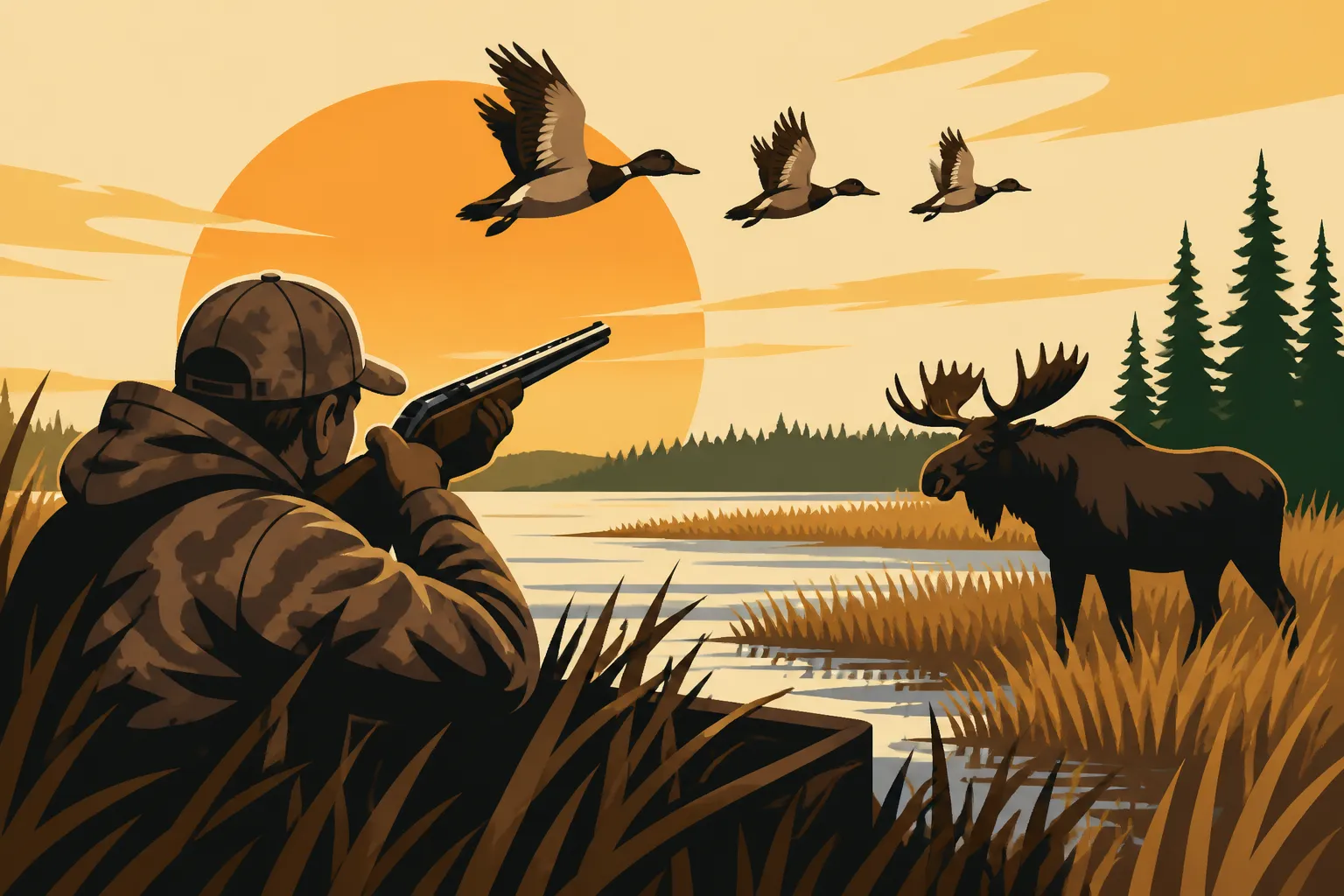
Hunting the Lake Francis Wildlife Area
Hunting a Wildlife Management Area (WMA) like Lake Francis can feel like a fantastic opportunity, but it often comes with a unique set of challenges compared to hunting vast Crown land or private fields. You're dealing with specific boundaries, potentially higher pressure, and regulations tailored to that particular area. This guide is designed to walk you through everything you need to know to successfully hunt the Lake Francis Wildlife Area, helping you understand its unique landscape, target species, and the best strategies to make your hunt rewarding.
Getting to Know Lake Francis Wildlife Area
The Lake Francis Wildlife Area is a gem nestled within Manitoba's Interlake region, offering a diverse landscape that attracts a variety of game. Understanding this unique environment is the first step to a successful hunt.
Location and Landscape
Lake Francis WMA is situated, as its name suggests, right around Lake Francis, a relatively shallow lake in the heart of the Interlake. This region, often characterized as a transition zone, blends rich agricultural land with expansive wetlands, aspen parkland, and pockets of dense bush. The WMA itself primarily encompasses the lake's shoreline, associated marshes, and the immediate surrounding uplands, which often feature willow thickets, trembling aspen bluffs, and some cultivated fields or hayland on its fringes.
Picture yourself driving through the area: one moment you're passing by a golden stubble field, the next you're navigating a gravel road flanked by dense cattail marsh on one side and a thick aspen bluff on the other. This mosaic of habitats is what makes Lake Francis so appealing, but it also demands a versatile hunting approach. The terrain can be quite wet, especially in spring and during heavy rains, so footwear is paramount. This area really exemplifies what makes Hunting the Interlake Between the Lakes so unique for hunters.
Key Game Species
Lake Francis WMA is perhaps best known for its incredible waterfowl hunting opportunities, but it also holds a healthy population of white-tailed deer and some upland birds.
- Waterfowl: This WMA is a magnet for ducks and geese. The shallow lake and vast surrounding marshes provide ideal staging and feeding grounds for a multitude of species. You'll find puddle ducks like mallards, pintails, and wigeon, along with divers like canvasbacks and redheads. Geese, particularly Canada geese and sometimes snow geese, will use the nearby agricultural fields for feeding and roost in the safety of the lake and marsh. The sheer volume of birds during migration can be astounding, making it a prime destination for waterfowlers.
- White-tailed Deer: While the dense marsh might seem inhospitable, the fringes of the WMA, especially where the bush meets the marsh or agricultural land, provide excellent habitat for whitetails. These deer thrive in the cover offered by aspen bluffs and willow runs, using the dense marsh for bedding and escape cover. Bucks often grow quite large in the Interlake due to abundant feed and the protection offered by thick cover, making it a challenging but rewarding whitetail hunt.
- Upland Birds: Sharp-tailed grouse can often be found in the more open, grassy or brushy uplands around the WMA, particularly along field edges or where brush is interspersed with native grasses. While not the primary draw, they offer an exciting bonus opportunity for hunters carrying a scattergun.
Navigating Regulations and Access
Hunting a Wildlife Management Area means adhering to specific regulations that can differ from general provincial rules. Knowing these inside and out is crucial for a lawful and enjoyable experience.
WMA Specific Rules
Wildlife Management Areas like Lake Francis are designated for wildlife conservation and public recreation, with hunting being a key component. However, this often means there are supplementary rules in place beyond the standard Manitoba Big Game Season Dates or Manitoba Game Bird Seasons and Limits. For instance, certain areas within the WMA might be designated as no-hunting zones or have restrictions on specific types of firearms or hunting methods. Vehicle access is a common point of regulation in WMAs; while some main trails might be open, many areas might be walk-in only to minimize disturbance and habitat damage.
It's absolutely critical to consult the most current Manitoba Hunting Guide or the provincial government's website for any specific regulations pertaining to the Lake Francis WMA before you even pack your truck. These rules can change from year to year, so don't rely on old information. Pay close attention to rules regarding Vehicle Rules on Manitoba Crown Land within WMAs, as ATVs and other off-road vehicles might have restricted access on certain trails or during specific times of the year. This ensures you're not inadvertently trespassing or damaging sensitive habitat, which can lead to hefty fines and damage your reputation as a responsible hunter.
Understanding Boundaries and Zones
One of the biggest challenges, and opportunities, in hunting a WMA is knowing precisely where the boundaries lie. Unlike some vast tracts of Crown land, WMAs often have irregular shapes, sometimes bordering private land or even areas where hunting is prohibited. This is where modern mapping tools become indispensable.
Before you head out, spend considerable time with a detailed map of the Lake Francis WMA. Tools like onX Hunt are invaluable here, as they often have WMA boundaries clearly marked, along with private land ownership layers. This allows you to differentiate public hunting land from private property at a glance, helping you avoid accidental trespass. You can also layer in satellite imagery to scout potential bedding areas, travel corridors, or ideal waterfowl setups from the comfort of your home. Familiarize yourself with the exact coordinates and natural features that define the WMA's perimeter. It's not uncommon for a deer to cross an invisible boundary in pursuit of a doe or a goose to land just outside the designated hunting zone, so having that boundary etched into your mind, and your GPS, is vital. Remember, ignorance of the law is not an excuse when you're caught on the wrong side of a fence. Checking Finding Manitoba Public Land Boundaries before your trip is a game-changer.
Strategies for a Successful Hunt in Lake Francis
Success in Lake Francis WMA hinges on understanding the local game behavior and adapting your hunting techniques to the unique environment. It's a place that rewards patience, stealth, and a keen eye for reading the landscape.
Waterfowl Tactics
If waterfowl is your game, Lake Francis WMA truly shines. The vast marsh, combined with nearby agricultural fields, creates a dynamic environment for ducks and geese. Your primary strategy will revolve around scouting and setting up where the birds want to be.
- Marsh Edge Hunting: For ducks, focus on the edges of the main lake and smaller potholes within the marsh. Early morning flights will often see ducks moving from roosting areas to feeding grounds. Setting up a blind made from natural cover (like cattails or willow) along these edges can be incredibly effective. Consider using a small boat or canoe to access more remote spots within the marsh, but always prioritize safety, especially in shallow, reedy water. Decoy spreads, featuring a mix of mallards, pintails, and divers, can draw birds in close. Understanding which species are present and mimicking their calls will increase your chances. This is classic Marsh Hunting Ducks in the Interlake territory.
- Field Hunting Geese: While ducks prefer the water, geese are often found feeding in surrounding grain fields. Field Hunting Geese in Manitoba Stubble is a highly effective strategy. This requires permission if you're on private land adjacent to the WMA. Scouting prior to your hunt is essential to locate active feeding fields. Geese are creatures of habit, often using the same fields day after day until the food source is depleted. A large spread of full-body goose decoys, combined with well-camouflaged blinds (layout blinds or pit blinds if feasible), can lead to exhilarating hunts. Always check Manitoba Migratory Bird Permits requirements and federal regulations before pursuing waterfowl.
Whitetail Strategies
Hunting whitetails in Lake Francis WMA demands a different approach than typical open farmland or dense boreal forest. The mix of marsh, bush, and agricultural edges dictates specific tactics.
- Hunting the Bush-to-Marsh Transition: Whitetails absolutely love the thick cover provided by the willow and aspen bluffs that meet the marsh. These areas offer both bedding sanctuary and travel corridors. Focus on scouting for rubs, scrapes, and well-used trails along these transitions. A stand placed overlooking such an edge can be deadly, especially during the rut when bucks are cruising for does. Consider a Hanging a Stand on a Manitoba Bush Edge strategy.
- Willow Runs and Isolated Bluffs: Within the WMA, you'll find numerous willow runs and isolated aspen bluffs that provide fantastic cover. Deer will use these to travel between feeding areas (often adjacent fields) and deeper bedding cover in the marsh or denser bush. Hunting a Willow Run for Whitetails can be productive, particularly in the later parts of the season when deer seek thermal cover. During periods of heavy snow, deer might also yard up in these thicker pockets. Patience is key, as deer might move slowly through these areas.
- Reading Sign and Patience: Due to the varied cover, deer in Lake Francis WMA can be elusive. Dedicate time to reading sign—tracks, droppings, browse lines—to understand their movement patterns. Early morning and late evening hunts are typically most productive when deer are moving from bedding to feeding. Sitting still and observing for long periods, especially from an elevated position, can pay dividends. Consider setting up near a Hunting a Slough Edge for Whitetails or even a Hunting a Dugout in Dry Country if water is scarce, as deer will often visit these for a drink.
Scouting and Preparation
Regardless of your target species, thorough scouting and meticulous preparation are the cornerstones of a successful hunt in Lake Francis. This WMA rewards those who put in the effort before the season even begins.
- Pre-Season Reconnaissance: If possible, visit the WMA in the off-season. Walk the trails, identify key features, and look for game sign. Understand the lay of the land without the pressure of a hunt. Note where the thickest cover is, where water sources are, and how the terrain changes. This helps you develop a mental map and identify potential ambush points or blind locations. This is an excellent time to use GoHunt's mapping tools or onX Hunt to drop pins for observations, create routes, and measure distances.
- Satellite Imagery and Topo Maps: Even if you can't be on the ground, use satellite imagery and topographic maps to scout remotely. Look for subtle elevation changes, variations in vegetation, and potential pinch points or funnels that deer might use. Identify open water, dense marsh, and timbered areas. Scouting With Satellite Imagery in Manitoba is a powerful tool. Pay attention to how adjacent private lands are used – often, game will funnel from private agricultural land into the safety of the WMA, or vice versa.
- Weather and Water Levels: Waterfowl hunting is heavily influenced by weather and water levels. Keep an eye on long-range forecasts, especially for migration patterns. For deer, a fresh snow can reveal fresh tracks and give you an edge in tracking. Be aware that marsh conditions can change rapidly with rainfall, impacting access and bird movement. Always pack for unpredictable Manitoba weather.
Essential Gear and Safety Considerations
Hunting in the Lake Francis Wildlife Area presents unique challenges that require specific gear and a heightened awareness of safety. The combination of dense bush and expansive wetlands demands careful planning.
Equipment for Varied Terrain
The diverse habitat of Lake Francis WMA means you'll need gear that can handle anything from muddy marsh to dense bush. Don't skimp on quality, especially when it comes to footwear and layering.
- Footwear: For waterfowl, a good pair of chest waders is non-negotiable. The marsh can be surprisingly deep and muddy. Ensure they are comfortable for walking and offer good insulation if hunting in colder weather. For deer hunting in the bush, waterproof, sturdy hiking boots with good ankle support are essential. You'll be traversing uneven terrain, possibly wet ground, and thick underbrush.
- Clothing: Layering is always key in Manitoba. You'll likely experience significant temperature swings, especially during fall hunts. For waterfowl, waterproof outer layers are paramount. For deer, quiet, durable camouflage that blends with the aspen and willow environment is ideal. Don't forget your How Much Blaze Orange Manitoba Requires during big game seasons, especially if you're hunting with a rifle.
- Navigation Tools: A reliable GPS unit or a smartphone with a robust mapping app like onX Hunt is absolutely critical. Service can be spotty, so ensure you have downloaded offline maps of the area. A compass and paper map are also wise backups. It's easy to get disoriented in dense bush or seemingly endless marsh, so knowing your exact location and having a way to navigate back to your vehicle is paramount.
- Waterfowl Specific Gear: Beyond waders and decoys, consider a sturdy blind bag to keep calls, ammunition, and other essentials dry. A comfortable blind seat is a luxury you'll appreciate during long waits. For a successful marsh hunt, a reliable retriever dog can be an incredible asset, but ensure they are well-trained and capable of handling cold water.
Safety in the Marsh and Bush
Hunting in any wilderness area carries inherent risks, and Lake Francis WMA is no exception. Prioritizing safety will ensure your hunt is memorable for all the right reasons.
- Water Safety: If you're using a boat or canoe for waterfowl hunting, always wear a PFD (personal flotation device). Water in the marsh can be cold, and getting wet in freezing temperatures can quickly lead to hypothermia. Be aware of changing weather conditions that can churn up the lake, making small craft navigation hazardous. Let someone know your float plan and expected return time.
- Getting Lost: As mentioned, it's easy to become disoriented. Carry a whistle to signal for help, and always have a fully charged phone (and a power bank) for emergencies, though cell service can be unreliable in parts of the WMA. If you do get lost, stay calm, use your GPS, and if necessary, stay put and signal for help. Understanding how to use natural landmarks and your compass to navigate can be a literal lifesaver.
- Wildlife Awareness: While black bears are not as prevalent in this part of the Interlake as further north, they are present. Be bear-aware, especially during spring and fall hunts. Know how to react to a bear encounter and consider carrying bear spray. Additionally, the WMA is home to other wildlife, so give all animals their space.
- Firearm Safety: Always follow the fundamental rules of firearm safety. Be absolutely certain of your target and what lies beyond it, especially when hunting in areas with varied terrain and potentially other users. Wear blaze orange as required during big game seasons to maximize your visibility to other hunters. Always check Manitoba Shooting Hours for Big Game to ensure you're hunting during legal times.
Planning Your Hunt and Access
Successfully hunting Lake Francis WMA isn't just about what you do in the field; it's about the planning that happens long before you arrive. Good preparation can make all the difference.
Mapping Out Access Points
Lake Francis WMA, while open to the public, has specific access points that you'll need to locate and understand. Not all roads leading into the area are suitable for all vehicles, especially after rain or snow.
Many of the access points will be gravel roads or trails off provincial highways, such as Highway 6 or 17, that skirt the edge of the lake and marsh. Some of these might be seasonal, closing during wet periods to prevent road damage or habitat disturbance. Using onX Hunt or similar mapping apps will allow you to identify these roads, gauge their suitability based on satellite imagery, and even note potential parking areas. Look for designated parking or areas where you can safely pull off the main road without impeding traffic or blocking access points. Remember, you might need to walk a considerable distance from your vehicle to reach prime hunting spots, so factor that into your planning and gear choices. Understanding Where Manitoba Hunters Park and Walk In can save you a lot of frustration.
Best Times to Hunt Lake Francis
Timing your hunt correctly can dramatically increase your chances of success, as different species and conditions peak at various times of the season.
- Early Fall (September – Early October): This is prime time for migratory waterfowl. Ducks and geese begin to stage in large numbers as they prepare for their southward journey. The weather is often pleasant, and birds are generally less wary. For deer, early season archery can be productive, as bucks are still in summer patterns and less pressured.
- Mid-Fall (Mid-October – Mid-November): Waterfowl hunting remains strong, though colder temperatures can push birds further south. For deer, this period often includes the pre-rut and early rut phases. Bucks become more active, moving more during daylight hours in search of does. This can be an excellent time to target a mature whitetail, particularly in the bush edges. Hunting the Rut in Early to Mid November is a highly anticipated time for many hunters.
- Late Fall/Early Winter (Late November – December): Waterfowl seasons often wind down, but late-season goose hunting can still be excellent, especially for snow geese. For whitetails, this is when cold weather pushes deer into heavier cover, and they become more reliant on specific food sources. If snow arrives, tracking becomes an option. Hunting during this time can be challenging due to cold weather, but it can also be incredibly rewarding for those willing to brave the elements.
| Species | Primary Season Focus | Typical Habitat | Key Strategy |
|---|---|---|---|
| Ducks | September – Mid-October | Marsh, Lake Edges, Potholes | Decoys, Natural Blinds, Early Morning Flights |
| Geese | September – November | Agricultural Fields, Marsh | Field Spreads, Layout Blinds, Scouting |
| Whitetail Deer | October – December | Bush Edges, Willow Runs | Stand Hunting, Still Hunting, Reading Sign |
| Sharp-tailed Grouse | September – October | Grassy Uplands, Field Edges | Walking Up, Flushing Dogs |
Respecting the Environment and Other Users
As a public hunting area, Lake Francis WMA is used by a variety of outdoor enthusiasts, including bird watchers, hikers, and trappers. Practicing good outdoor etiquette is paramount to ensuring harmonious use and maintaining public access for hunting.
Always clean up after yourself, leaving no trace of your presence. Pack out everything you pack in, including spent shell casings and any garbage. Be mindful of noise, especially early in the morning, to avoid disturbing other users or game. If you encounter other hunters or outdoor enthusiasts, be courteous and respectful. Share information if appropriate, and maintain a safe distance. Remember that hunters are ambassadors for our sport, and our actions directly influence public perception. By respecting the land, the wildlife, and our fellow outdoor enthusiasts, we help preserve hunting opportunities for generations to come.
Disclaimer
This article is for general informational purposes only and does not constitute professional advice. Laws, prices and regulations vary by location and change over time. Consult a qualified professional for guidance on your specific situation.