Where Hunting Is Prohibited in Manitoba
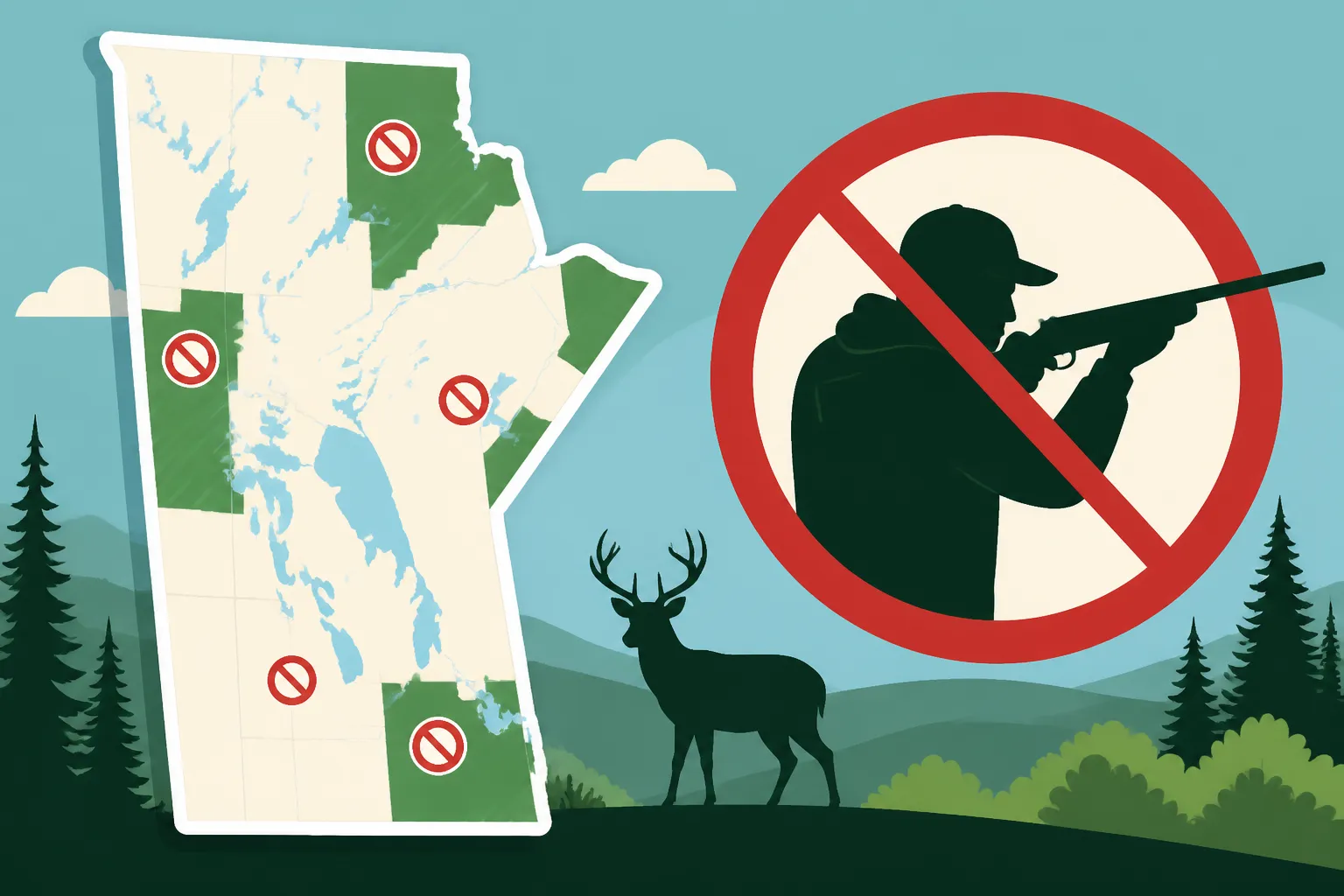
Few things are more frustrating for a hunter than scouting a perfect piece of land, dreaming of that big buck or a flock of geese, only to discover it's off-limits. It's a common headache, especially in a diverse province like Manitoba, where regulations can shift from one quarter section to the next. This guide aims to clear up the confusion, helping you understand precisely where hunting is prohibited, why these rules exist, and how to confidently identify those no-go zones before you ever step afield.
The Core Reasons Behind Hunting Prohibitions
It might seem like a barrier to your passion, but the truth is, most hunting prohibitions are put in place for really solid, understandable reasons. It's not about making things difficult; it's about balance—balancing wildlife populations, conservation efforts, and the safety of everyone, including the animals themselves and the people who live, work, and recreate in our wild spaces. When you understand the "why," it helps to accept the "where."
Ecological Preservation and Species Protection
Manitoba is a rich tapestry of ecosystems, from the vast boreal forest to the sweeping prairies and the unique interlake region. Each of these areas hosts a delicate balance of plant and animal life. Sometimes, certain areas are designated as off-limits to hunting specifically to protect vulnerable species, allow populations to recover, or preserve critical habitat. Think of it as a nursery for nature, giving wildlife a safe haven where they can thrive without human interference. This might include areas vital for nesting, calving, or wintering, especially for species that are particularly sensitive to disturbance. These conservation zones act as crucial building blocks for healthy wildlife populations across the entire province, benefiting hunters in surrounding areas in the long run. It's about ensuring future generations have robust wildlife to pursue, not just today.
Ensuring Public Safety and Community Well-being
Beyond wildlife, public safety is paramount. Hunting is a powerful pursuit, and with that power comes a huge responsibility. Prohibitions around populated areas, specific types of land, or during certain times are primarily designed to prevent accidents and ensure that non-hunters can enjoy the outdoors without fear. This means keeping firearms and archery equipment a safe distance from homes, schools, parks, and other places where people gather or simply exist. Nobody wants a stray bullet or arrow near their home, and these rules are crucial for maintaining the social licence that allows hunting to continue in Manitoba. It’s also about respect for other land users, whether they are hikers, birdwatchers, or simply folks out for a quiet walk in the woods. The regulations are there to draw clear lines in the sand, protecting everyone involved.
Key Categories of No-Hunting Zones in Manitoba
Manitoba has various designations for land, and it can be a bit of a labyrinth to figure out what's what. But generally, the areas where hunting is explicitly prohibited fall into a few clear categories. Knowing these categories is the first step in avoiding an accidental violation and ensures you're always hunting ethically and legally.
National Parks and Designated Provincial Parks
This is probably one of the most straightforward rules: you cannot hunt in National Parks or most designated Provincial Parks in Manitoba. Parks Canada, which manages Riding Mountain National Park, for instance, has a strict mandate for conservation and recreation that does not include hunting. Similarly, many of Manitoba's Provincial Parks, such as Whiteshell Provincial Park or Spruce Woods Provincial Park, are primarily set aside for recreational use and the preservation of natural landscapes, not for hunting. While you might see abundant wildlife within these parks, they are intended as sanctuaries from hunting pressure.
It's absolutely critical to understand that even the boundaries of these parks are no-go zones for hunting within the park. You need to be extremely careful when hunting adjacent to park lands. Always know your precise location and ensure your shots are directed away from park boundaries. Sometimes, specific management areas around parks might have special rules or draw opportunities, but the park itself remains off-limits. Always check the official Manitoba Provincial Park Hunting Rules to be certain about the specific park you're near, as there can occasionally be exceptions for very specific, tightly controlled aboriginal or management hunts, but for the general licensed hunter, these are typically prohibited.
Wildlife Refuges and Special Conservation Areas
Manitoba is home to numerous Wildlife Management Areas (WMAs), but within some of these, or as entirely separate entities, you'll find designated wildlife refuges, sanctuaries, or special conservation areas where hunting is either entirely prohibited or extremely restricted. These are critical areas for breeding, staging, or wintering, particularly for waterfowl and other migratory birds. For example, the world-renowned Delta Marsh, while part of a larger WMA, has portions that are explicitly closed to all hunting to protect sensitive wetland habitat and the countless birds that rely on it.
It's vital to consult your current year's hunting guide and detailed maps because the specific boundaries and restrictions for these refuges can change, and they are often marked with special signage on the ground. These areas are established to give wildlife a peaceful haven from human disturbance, allowing them to carry out crucial life cycles without pressure. Misinterpreting a WMA boundary or a refuge within it could lead to significant penalties. While some WMAs are prime hunting grounds, it's the specific refuge designation that indicates a prohibited area. This also includes certain ecological reserves or critical habitat areas identified by conservation groups, often signed and clearly delineated.
Urban Centers, Residential Zones, and Safety Buffers
This category is probably the most intuitive for most hunters, yet it's where accidental infringions can still occur due to lack of local knowledge. Hunting is strictly prohibited within the boundaries of cities, towns, villages, and most organized residential subdivisions. Common sense dictates that discharging a firearm or even a bow in a densely populated area is incredibly dangerous. The danger isn't just to people; it's also to property and domestic animals. This prohibition extends beyond the immediate houses to buffer zones around these developed areas, often defined by municipal bylaws or provincial regulations for safety.
Even if you find a seemingly wild patch of bush right on the edge of town, it's highly likely to be within a prohibited zone. This includes areas like golf courses, public parks within towns, cemeteries, and school grounds, regardless of whether they are fenced or not. The concept of a "safety buffer" is key here; you must be a certain distance from occupied dwellings, public roads, and other structures before you can legally discharge a weapon. Always check municipal bylaws in addition to provincial regulations, as local jurisdictions can add further restrictions. Rules on Shooting Across a Road are also important to remember in these fringe areas, as even if you're clear of residences, you can't just shoot indiscriminately across public thoroughfares.
Understanding and Locating Prohibited Areas
Knowing that certain areas are off-limits is one thing, but knowing exactly where they are on the ground is another challenge entirely. With all the different land designations, maps, and rules, it can feel like you need a law degree just to figure out where you can legally put your boots. But don't despair! There are excellent resources available to help you navigate this complexity.
Decoding Official Hunting Guides and GHA Maps
Your first and most important resource for identifying prohibited areas is always the official Manitoba Hunter's Guide. This document, updated annually, contains all the current regulations, season dates, bag limits, and, critically, maps and descriptions of Game Hunting Areas (GHAs). These GHAs are the backbone of Manitoba's hunting zones, and within their descriptions, you'll find notes about specific closures or special rules. For example, a GHA description might clearly state that a certain lake or a portion of a river valley within its boundaries is a no-hunting zone for specific species or entirely.
Beyond the text, pay close attention to the GHA maps themselves. These maps often use specific shading, cross-hatching, or boundary lines to indicate provincial parks, wildlife refuges, and other areas where hunting is not permitted. Sometimes these are subtle, so you need to scrutinize them carefully. Always carry a physical copy or have access to a digital version on your phone, and make a habit of reviewing the GHA you plan to hunt well in advance. Remember, these maps are your primary legal reference when it comes to identifying where you can and cannot hunt. Reading a Manitoba GHA Map Before You Go is not just good advice; it's essential for legal compliance and successful hunting.
Leveraging Modern Mapping Technology
While the official guide is critical, modern technology has made identifying prohibited areas much easier than it used to be. Apps like onX Hunt and GoHunt have revolutionized how hunters approach scouting and navigation. These digital platforms overlay land ownership, public land boundaries, and—most importantly for our discussion—designated no-hunting zones directly onto detailed satellite imagery. Imagine having the boundaries of a Provincial Park, a wildlife refuge, or even specific municipal no-discharge zones highlighted right on your phone screen as you walk through the bush.
These apps often have specific layers you can turn on that show different land classifications. You can see Crown land, private land, and critical conservation areas. For example, with onX Hunt, you can typically see areas marked as "No Hunting" or "Conservation Area" which directly correspond to the prohibitions listed in the official guide. This real-time, GPS-enabled information can prevent you from accidentally stepping into an off-limits zone. While these apps are incredibly useful, remember they are tools to assist you; they don't replace the need to understand the official regulations from the Manitoba Hunter's Guide. Always cross-reference, especially if you see conflicting information, but generally, these tools are highly accurate and an indispensable part of a modern hunter's kit. Scouting With Satellite Imagery in Manitoba is a fantastic way to identify these areas before you even leave home.
Navigating Tricky Boundaries and Common Mistakes
Even with all the maps and guides, some areas just feel… complicated. Boundaries can be fuzzy, and interpretations can differ. It's in these "grey areas" that hunters often inadvertently make mistakes, which can lead to serious consequences. Being extra diligent and understanding the nuances of these trickier situations will keep you on the right side of the law and ensure an ethical hunt.
Respecting Private Land and Posted Restrictions
This might seem obvious, but private land is absolutely a prohibited area for hunting without explicit permission. In Manitoba, if land is privately owned, you must have permission from the landowner to hunt or even retrieve game. The frustrating part is that not all private land is clearly posted or fenced, especially in more remote agricultural or mixed-use areas. This often leads to confusion, where hunters might assume an unposted field or woodlot is fair game. It's not.
The onus is entirely on the hunter to know who owns the land and to secure permission. A good rule of thumb: if you don't know for sure, assume it's private and seek permission. Digital mapping tools like onX Hunt can show land ownership boundaries, which is a game-changer for identifying private parcels. Always knock on doors, be polite, and get written permission if possible. Trespassing, even accidentally, is a serious offense that damages the reputation of all hunters. Even if you're retrieving a downed animal, you need permission to enter private land. Manitoba Trespass Law for Hunters is very clear on this, and adhering to it is crucial for maintaining good landowner-hunter relations across the province.
Rules Around Roads, Trails, and Infrastructure
Another frequent source of confusion and accidental violations comes from hunting near roads, railways, and various utility corridors like hydro lines or pipelines. While these might seem like natural access points or prime hunting pathways, there are often strict regulations governing hunting activities in or near them. For instance, there are typically regulations regarding discharging a firearm or bow across or from a public road or highway. These rules are in place for obvious safety reasons, protecting motorists, pedestrians, and anyone working on or near these infrastructure elements.
The specific distances can vary, so always consult the current Hunter's Guide. Some roads might be Crown land right-of-ways, which can be tempting, but the rules about discharge distances from the road surface still apply. Similarly, railway lines and utility corridors often have their own rules regarding access and firearm discharge, dictated by the operating companies or specific government regulations. While some of these areas might seem like good travel corridors for game, they also bring heightened risks and specific legal restrictions. Treat them with respect and err on the side of caution. Remember, you're responsible for every arrow and every bullet, and that responsibility extends to avoiding these sensitive areas.
The Serious Ramifications of Non-Compliance
Hunting in a prohibited area isn't just a minor infraction; it carries significant consequences that can impact your wallet, your hunting privileges, and even your freedom. Beyond the legal side, there's also the profound ethical responsibility we carry as hunters to respect the land, the wildlife, and the non-hunting public. Violations erode the trust and social license that allows us to pursue our passion.
Legal Penalties and Licence Implications
Make no mistake, hunting in a prohibited area is a serious offense in Manitoba. If you're caught, you could be facing substantial fines, ranging from hundreds to potentially thousands of dollars, depending on the severity and nature of the violation. These aren't just minor tickets; they can hit your bank account hard. But the financial penalty is often just the beginning.
Beyond fines, you could have your hunting license suspended or even permanently revoked. Imagine losing the privilege to hunt in Manitoba, or even across Canada, because of an oversight or a careless decision. This also impacts your ability to obtain licenses and tags in future seasons. In some cases, particularly with repeat offenses or gross negligence, you could even face imprisonment. Your equipment, including firearms, bows, vehicles, and even harvested game, could be seized. The conservation officers in Manitoba take these infractions very seriously, and they have the authority to impose significant penalties. It's a stark reminder that ignorance of the law is not an excuse. Manitoba Penalties for Hunting Violations can be severe, so it's always worth double-checking your location.
Upholding Hunter Ethics and Conservation
Beyond the black-and-white legal penalties, there's a deeper, more profound impact when hunters violate prohibited area rules: the damage to the reputation of all hunters. Every time a hunter is caught trespassing or discharging a weapon unsafely near a residential area, it fuels negative stereotypes and strengthens arguments against hunting as a whole. It makes it harder for the rest of us to gain access to private land and maintain public support for responsible wildlife management.
Ethical hunting is about more than just following the letter of the law; it's about respecting the spirit of conservation and responsible stewardship. Hunting in a wildlife refuge, for instance, not only breaks the law but undermines the very purpose of that refuge: to protect vulnerable populations. As hunters, we are often our own best advocates, and every action we take in the field reflects on the entire hunting community. By diligently avoiding prohibited areas, we demonstrate respect, responsibility, and a genuine commitment to conservation. It preserves our hunting heritage and ensures that the public continues to view us as responsible participants in the landscape. If you ever witness someone hunting in a clearly prohibited area, it's your responsibility as a conservationist to consider Reporting a Poacher in Manitoba to maintain the integrity of our sport.
Navigating the landscape of prohibited hunting areas in Manitoba requires diligence, attention to detail, and a deep respect for the rules designed to protect both wildlife and people. By understanding the reasons behind these prohibitions, utilizing available resources like official guides and modern mapping apps, and always erring on the side of caution, you can ensure your hunting experiences remain safe, legal, and truly enjoyable. Responsible hunting isn't just about the harvest; it's about honouring the privilege.
| Type of Prohibited Area | General Purpose | Key Identification Methods | Potential Legal Impact of Violation |
|---|---|---|---|
| National & Provincial Parks | Ecosystem preservation, public recreation (non-hunting) | Official maps, park signage, specific GHA notes | Fines, licence suspension, equipment seizure |
| Wildlife Refuges/Sanctuaries | Critical habitat protection, species recovery | Official maps, specific GHA descriptions, field signage | Fines, licence suspension, equipment seizure |
| Urban/Residential Zones | Public safety, property protection | Municipal bylaws, common sense, proximity to structures | Fines, licence suspension, potential charges |
| Private Land (without permission) | Landowner rights, property use | Land ownership maps (e.g., onX Hunt), lack of signage | Trespassing charges, fines, licence suspension |
| Safety Buffer Zones (roads, etc.) | Public safety, preventing accidental harm | Hunter's Guide regulations, specific distance rules | Fines, licence suspension, equipment seizure |
Disclaimer
This article is for general informational purposes only and does not constitute professional advice. Laws, prices and regulations vary by location and change over time. Consult a qualified professional for guidance on your specific situation.