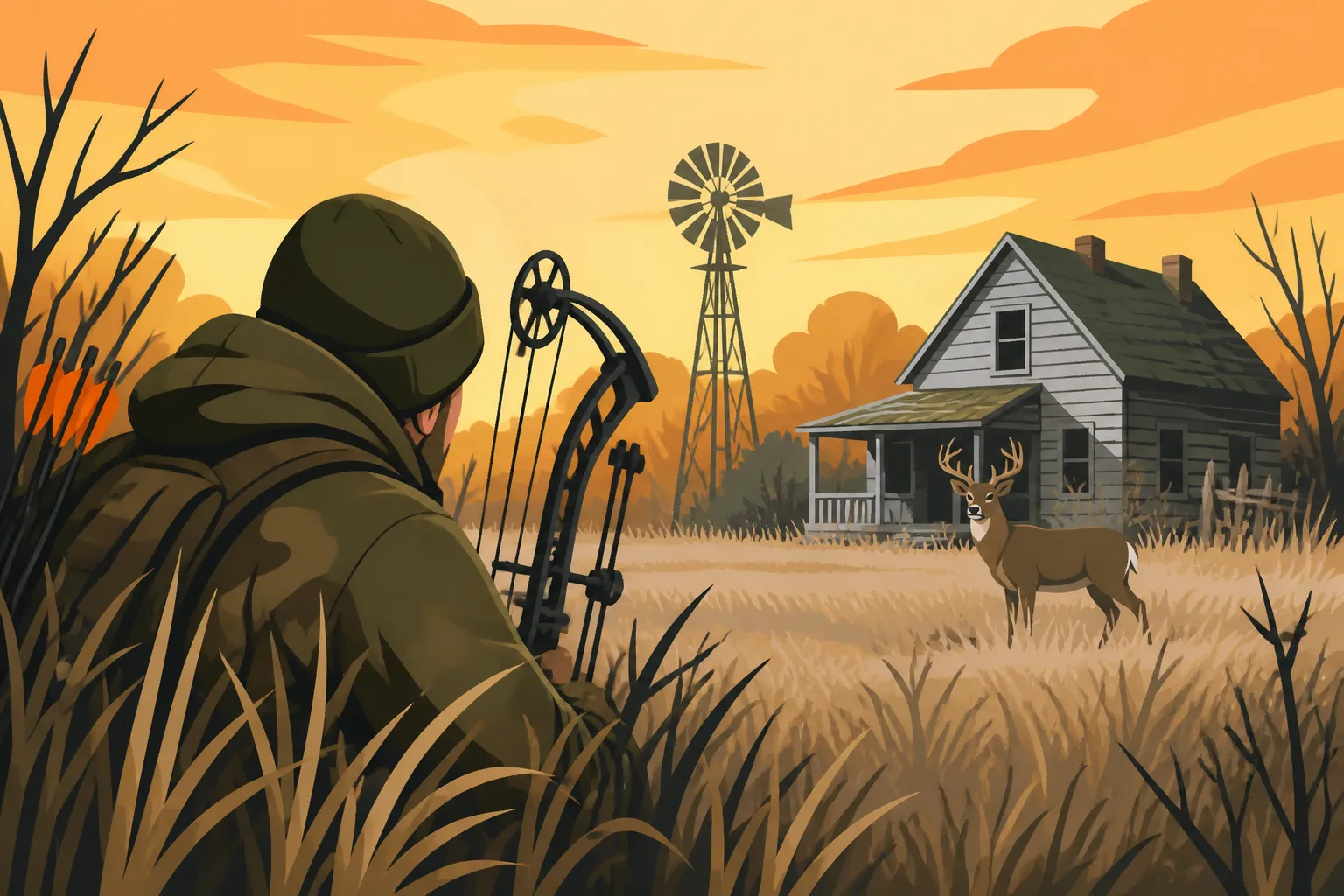
Hunting an Abandoned Homestead Yard
It's easy to overlook those old, forgotten homesteads scattered across the Manitoba landscape. You know the ones – a cluster of overgrown trees, maybe a leaning shed, a hint of an old driveway disappearing into tall grass, nestled between active fields or tucked into a bush edge. They often look like nothing more than a historical footnote, a memory of lives once lived. But for the savvy hunter, these abandoned yards are not just relics; they're incredibly productive pockets of habitat that game animals, especially whitetails, black bears, and even various bird species, absolutely gravitate toward. This guide will walk you through why these unique spots are goldmines, how to find and access them, and the best strategies to make your hunt successful, all while keeping safety and respect for the land paramount.
Why Abandoned Homestead Yards Are Magnets for Manitoba Wildlife
These seemingly insignificant patches of land hold a disproportionate amount of allure for wildlife, often far more than the surrounding homogenous landscape. It’s a combination of natural features and the lingering effects of human habitation that creates an irresistible draw.
Natural Cover and Edge Habitat
Think about it: an old homestead yard often features a dense mix of elements that create prime habitat. You'll find shelterbelts of mature trees – usually hardy species like caragana, elm, and poplar – that were planted to protect the farm from wind. These now provide excellent thermal cover and visual screening, especially in an otherwise open agricultural area. Beyond the trees, there might be overgrown gardens, patches of dense shrubs, and thickets of brush that have taken over former lawns or pastures.
This creates an incredible "edge effect." An edge is where two or more distinct habitats meet, and these junctions are notoriously productive for wildlife. Deer, for example, love to bed down in the thick cover of an old shelterbelt, knowing they're only a few steps from a food source in an adjacent field. The dilapidated buildings themselves, or even just their stone foundations, offer unique nooks and crannies for small game like rabbits and squirrels, which in turn attract predators like coyotes and foxes. The sheer variety of plant life and structural elements provides security, shelter from the elements, and escape routes. It’s a natural fortress in many ways. You'll often see well-worn game trails leading directly into these pockets of cover, clearly illustrating their importance to local wildlife populations. Hunting a Manitoba Bush Edge
Persistent Food Sources
Even decades after people have moved on, an abandoned homestead often continues to provide consistent food sources for wildlife. Consider the legacy of an old apple tree, a pear tree, or even wild plum and chokecherry bushes that were once part of an orchard or garden. These fruit trees, now untended, drop their bounty year after year, creating a natural feast for deer, bears, and various bird species like ruffed grouse and sharp-tailed grouse. Bears, in particular, will seek out these easy calorie sources during late summer and fall.
Beyond the obvious fruit, old garden plots can revert to producing certain annual weeds and grasses that are palatable to deer. Sometimes you'll find lingering patches of alfalfa or clover from an old pasture. Rodents, attracted to the remnants of human activity or the shelter of old foundations, become a food source for predators. Even forgotten root cellars or storage sheds can attract pests, which contribute to the food chain. It’s not just about what grows there; it's also about the ecosystem that has developed around the remnants of a farmstead, creating a diverse and reliable smorgasbord for game.
Water Access and Seclusion
Many homesteads were strategically located near reliable water sources. Even if the original hand-dug well is long gone or covered, there might be depressions or old dugouts that still collect rainwater or retain moisture longer than the surrounding landscape. In dry years, these spots can become critical watering holes.
Perhaps even more importantly, abandoned homesteads often offer a level of seclusion that makes them incredibly attractive to game. They are typically off the beaten path, away from the most heavily traveled roads and active farm machinery. While they might be on private land, they often represent property that is no longer actively managed or frequently visited, especially if the current landowner uses the surrounding land for large-scale agriculture. This relative lack of human disturbance creates an undisturbed sanctuary where animals feel safe to bed, feed, and travel. It's this combination of shelter, food, water, and low pressure that makes these forgotten places truly stand out. Animals learn these safe zones and utilize them year after year, making them reliable locations to find game. Hunting a Manitoba Dugout at Dusk
Scouting and Gaining Access to an Abandoned Homestead
Finding these hidden gems and, more importantly, securing permission to hunt them, requires a methodical approach. It’s a blend of modern technology and good old-fashioned legwork and communication.
Digital Scouting for Forgotten Gems
Before you even step foot out your door, the digital world can be your best friend. Satellite imagery, readily available through tools like onX Hunt or even standard mapping applications, is invaluable for identifying potential homesteads. You're looking for subtle clues that stand out in the landscape. Keep an eye out for:
- Distinct Tree Patterns: A square or rectangular cluster of mature trees in an otherwise open field, or a linear band of trees forming a shelterbelt where none otherwise exists, is a huge indicator.
- Old Road Grades or Driveways: Faint lines or elevated pathways leading from a main road into a bush patch often betray an old access route.
- Faded Clearings: Sometimes you can see the outline of a former yard site, a lighter patch of vegetation where a house or outbuildings once stood, now overgrown but still discernible.
- Geometric Shapes: Look for perfectly straight lines or square formations in the vegetation that suggest human planning rather than natural growth.
These visual cues, especially when examined with a keen eye, can quickly pinpoint potential locations. Tools like GoHunt can layer property boundaries over satellite imagery, which starts to give you an idea of who owns the land even before you leave your armchair. It saves you countless hours of driving around aimlessly and helps you narrow down promising areas to investigate further on the ground. Scouting With Satellite Imagery in Manitoba
Ground Reconnaissance and Reading Sign
Once you've identified a few promising spots digitally, it’s time for some boots-on-the-ground reconnaissance. This is where you confirm your suspicions and gather crucial intel. Don't be afraid to walk the perimeter (from public access, if necessary) or even cautiously enter the property if you’ve already secured permission.
What are you looking for?
- Physical Remnants: Old fence lines, collapsed buildings (be very careful around these, they're unstable!), discarded machinery, and even old junk piles can confirm it was indeed a homestead. These also create unique cover and travel impediments that can funnel game.
- Game Trails: Look for well-worn paths through the grass and brush. These indicate regular animal movement and can tell you where deer are entering and exiting the homestead area, where they're bedding, and where they're feeding.
- Direct Sign: Fresh deer droppings, rubs on trees (especially on the edge of the shelterbelt), scrapes in the fall, and bedding areas (flattened grass or leaves) will tell you if deer are actively using the spot. For bears, look for overturned rocks, torn-up logs, claw marks on fruit trees, or scat. Look for signs that coyotes or foxes are hunting small game here too, like tracks around old foundations. Reading Whitetail Sign in Manitoba Aspen
- Food Sources: Confirm the presence of fruit trees, berry bushes, or other attractive browse. Is there water available?
This legwork allows you to create a mental map of how game animals are using the old yard site, which is vital for planning your hunt.
The Critical Step: Gaining Permission
This cannot be stressed enough: almost all abandoned homesteads in Manitoba are on private land. Even if they appear long-forgotten and unmaintained, they are still someone's property. Hunting without explicit permission is trespassing, illegal, and will quickly sour relationships with landowners, jeopardizing future hunting opportunities for everyone. Manitoba Landowner Permission Law
Here’s how to approach it:
- Identify the Landowner: Use online resources like municipal property maps or land title information (available through government offices) to find out who owns the parcel. The onX Hunt app can be a massive help here, often showing property lines and landowner names directly on its map.
- Make a Respectful Approach: Once you have a name, try to find contact information. A face-to-face visit is often best, but a polite phone call or letter can work too. Dress presentably, be courteous, and introduce yourself.
- State Your Intent Clearly: Explain that you noticed the old homestead and its potential for wildlife, and you'd be grateful for the opportunity to hunt it. Be clear about what species you're interested in and when you plan to hunt.
- Offer to Help: Many landowners appreciate offers to help with small tasks, fix a fence, or even keep an eye on the property. Offering to share meat (if successful) can also go a long way.
- Be Prepared for "No": Not every landowner will grant permission, and that's okay. Thank them for their time and move on. Burning bridges by arguing or being disrespectful is never the answer.
- Get it in Writing (Optional but Recommended): For extended access, a simple written agreement can clarify expectations for both parties, though a handshake and mutual understanding are often sufficient in rural Manitoba.
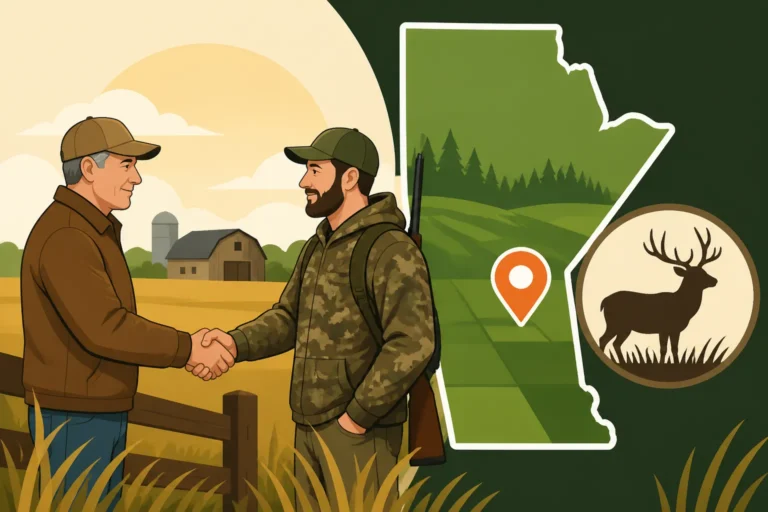
This step is foundational. Without permission, all your scouting and planning is for naught. Respecting private property is crucial for maintaining a positive image of hunters in the province. Asking a Manitoba Landowner for Permission
Hunting Strategies for Homestead Yards
Once you've done your homework and secured permission, it's time to devise your hunting strategy. These unique environments call for tactics that leverage their specific characteristics.
Stand Placement and Wind Considerations
The dense cover and fragmented nature of an old homestead yard means that careful stand placement is critical. You're looking for natural pinch points, travel corridors, and vantage points that allow you to observe game movement without being detected.
- Pinch Points: These are narrow areas where natural or artificial features funnel game into a smaller space. An old fence line, a gap between buildings, or a dense thicket might create a perfect pinch point. A stand overlooking one of these can be incredibly effective.
- Travel Corridors: Game animals, particularly deer, will establish regular routes for moving between bedding areas (often the densest cover within the homestead) and feeding areas (the fruit trees, overgrown patches, or adjacent agricultural fields). Identify these well-worn trails and place your stand where you can intercept them.
- Overlooking Food Sources: If there are active fruit trees or specific browse patches, a stand positioned downwind, offering a clear shot, can be lethal during prime feeding times (early morning and late evening).
- Wind is King: No matter where you set up, always, always, always play the wind. Scent control is vital, but hunting with the wind in your favor, blowing your scent away from where you expect game to appear, is your best defense. A well-chosen tree on the downwind edge of a travel corridor or food source will give you the advantage. Consider how thermals might shift in the morning and evening, especially if the terrain has subtle changes around the old buildings. Hanging a Stand on a Manitoba Bush Edge
Still-Hunting and Stalking Tactics
For those who prefer a more active approach, still-hunting or stalking can be incredibly effective in the broken terrain of an old homestead. The varied cover and structures lend themselves well to this style of hunting.
- Slow and Deliberate: Move at a snail's pace, taking only a few steps before pausing to scan and listen for several minutes. Use your binoculars to pick apart every shadow, every cluster of brush.
- Utilize Cover: The old buildings, junk piles, and dense thickets offer fantastic opportunities to break up your silhouette and move undetected. Use every bit of available cover to conceal your approach.
- Listen Actively: Old homesteads can be surprisingly noisy with rustling leaves, creaking wood, or the sounds of small animals. Learn to distinguish these ambient sounds from the footsteps or movements of larger game. The unique acoustics of old buildings can also carry sound surprisingly far, so be extra quiet.
- Vary Your Pace: Don't fall into a predictable rhythm. Sometimes a long pause, even sitting for 10-15 minutes, can allow an unseen animal to reveal itself, or for new animals to enter the area, believing the coast is clear.
Stalking takes patience and keen observation, but the close quarters and abundant cover of an old homestead make it an exciting and often rewarding method.
Understanding Game Movement within the Yard
To effectively hunt a homestead, you need to think like the animals that use it. How do they move through this unique environment?
- Deer Staging: Whitetails often use the dense cover of an old yard as a staging area before moving out into open agricultural fields at dusk, or as a secure bedding location during the day. They might spend hours browsing on lingering fruit or weeds within the thickets.
- Bear Patterns: Black bears will visit fruit trees regularly, sometimes hitting the same trees day after day until the fruit is gone. Look for patterns in their feeding times, often early morning or late evening, though they can be unpredictable.
- Predator Patrols: Coyotes and foxes will regularly patrol these areas, especially if there's a good population of rabbits, mice, or voles seeking shelter in the old structures and dense brush. You might find active dens in overgrown banks or under old outbuildings. Calling Coyotes at First Light
- Bird Activity: Upland birds like ruffed grouse might feed on berries or buds in the overgrown areas, while sharp-tailed grouse might use open clearings within the yard for dusting or sunning. Waterfowl might visit old dugouts if they hold water.
By observing sign, understanding the natural habits of the game you're pursuing, and considering the unique layout of the homestead, you can anticipate their movements and position yourself for success. Hunting a Shelterbelt Between Two Fields
| Feature | Pros for Hunting Abandoned Homesteads | Cons/Challenges for Hunting Abandoned Homesteads |
|---|---|---|
| Cover | Dense brush, shelterbelts, old buildings offer excellent concealment. | Can be difficult to navigate quietly, limited sight lines in thick areas. |
| Food Sources | Lingering fruit trees, berry bushes, old garden plots attract game. | Food sources can be seasonal; may not be productive all year. |
| Water | Old dugouts or depressions can hold water, especially in dry periods. | Water sources can be unreliable or dry up completely. |
| Seclusion | Often less human disturbance, creating a sanctuary for wildlife. | May require more effort to find and access if truly remote. |
| Edge Effect | Meeting of multiple habitat types concentrates wildlife activity. | High animal movement makes it harder to pattern specific individuals. |
| Private Land | Exclusive access once permission is granted, less hunting pressure. | Requires significant effort to identify landowner and secure permission. |
| Hazards | Historical significance, potential for unique finds. | Unstable structures, hidden wells, rusty debris, broken glass. |
| Game Diversity | Attracts deer, bear, small game, and various bird species. | Success can vary greatly based on the specific homestead and its features. |
Safety and Ethical Considerations in Old Homesteads
Hunting in an abandoned homestead yard presents unique challenges and responsibilities beyond standard bush or field hunting. Prioritizing safety and upholding ethical standards are paramount.
Navigating Hazards and Old Structures
These places are often full of hidden dangers. What was once a sturdy family home is now a crumbling relic, and what was once a neatly kept yard is now a wild tangle.
- Unstable Buildings: Never, ever enter old, abandoned structures. Walls can collapse, floors can give way, and roofs can cave in without warning. Even standing near them can be risky. Assume everything is structurally unsound.
- Hidden Wells and Cisterns: Many old homesteads had hand-dug wells or underground cisterns, which might be uncovered, partially covered, or simply marked by a slight depression that could give way. These are incredibly dangerous, especially if obscured by brush or snow. Scan carefully and use a walking stick to probe uncertain ground.
- Rusty Metal and Debris: Old farm equipment, scrap metal, broken glass, and sharp lumber can be hidden under vegetation or snow. Wear sturdy, puncture-resistant boots and be constantly aware of your footing. A tetanus shot is always a good idea for anyone venturing into such environments.
- Uneven Terrain: Overgrown paths, collapsed foundations, and burrowing animal activity can create ankle-twisting hazards. Take your time, especially in low light conditions. Your safety and the safety of anyone with you should always be your top priority.
Respecting History and Property
When you step onto an old homestead, you're not just entering a hunting ground; you're entering a piece of history. These were once vibrant places where families lived and worked. Treat the property with the utmost respect.
- Leave No Trace: Pack out everything you pack in, and if you see any trash from others, consider packing that out too. Leave the land cleaner than you found it.
- Do Not Disturb Artifacts: Resist the urge to collect old bottles, tools, or other relics you might find. These are part of the property's history and should be left undisturbed. Moving or taking them without explicit permission from the landowner could constitute theft and violate the trust you've built.
- Be Mindful of the Past: Understand that the landowner might have a personal connection to the property, even if it's abandoned. Your actions reflect not just on you, but on all hunters. Acting respectfully ensures that these opportunities might remain available to others in the future. Remember that your permission is a privilege, not a right.
Specific Game Considerations and Regulations
While the focus here is on the homestead itself, all standard Manitoba hunting regulations apply.
- Know Your Target: Be absolutely sure of your target and what's beyond it, especially in areas with potential hidden hazards or limited sight lines.
- Valid Licences and Tags: Always ensure you have all the necessary licences and tags for the species you are pursuing. This includes your general hunting licence and any specific tags for big game like deer or bear. Manitoba Hunting Licences and What They Cost
- Season Dates: Confirm that the season for your target species is open in that particular Game Hunting Area (GHA). Seasons can vary by GHA, even for the same species. Manitoba Big Game Season Dates
- Carcass Handling: If you harvest an animal, especially a deer, be aware of any Chronic Wasting Disease (CWD) sampling requirements for that GHA. This is a crucial step in monitoring wildlife health. Manitoba's CWD Sampling Requirements
- Landowner Rules: Always adhere to any specific rules or requests the landowner might have, such as restrictions on vehicle access, areas off-limits, or reporting requirements after a successful hunt.
By combining thorough scouting, respectful access, smart hunting strategies, and a strong commitment to safety and ethics, hunting an abandoned homestead yard in Manitoba can be an incredibly rewarding and unique experience. These forgotten places truly offer a glimpse into both the wild and the past.
Disclaimer
This article is for general informational purposes only and does not constitute professional advice. Laws, prices and regulations vary by location and change over time. Consult a qualified professional for guidance on your specific situation.