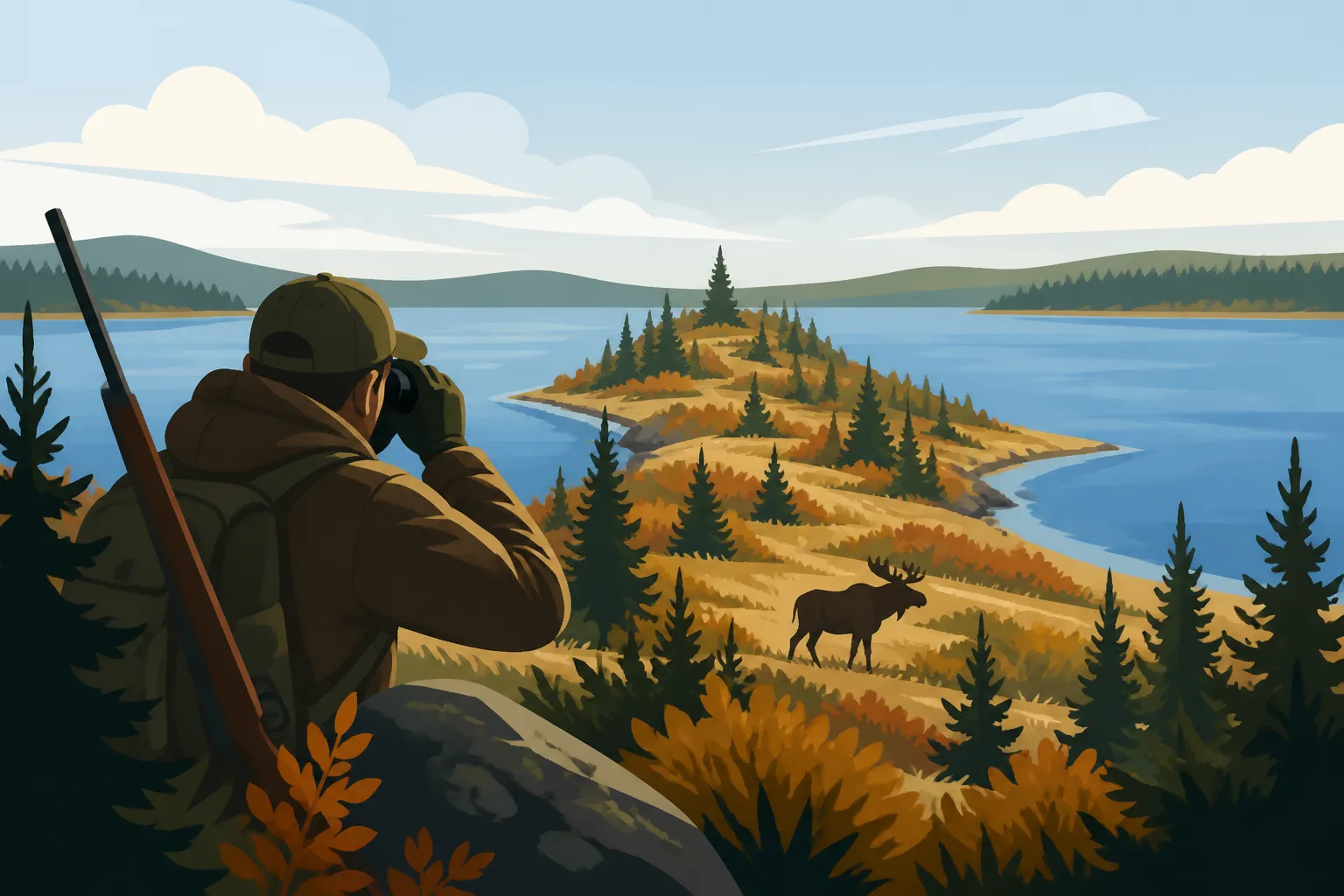
Hunting the Interlake Between Two Lakes
Oh, the Interlake! If you've ever felt that pull to hunt a region that truly embodies the wild heart of Manitoba, yet offers a surprising blend of diverse landscapes, you've probably thought about this unique stretch of land. It's that beautiful, often challenging, corridor nestled right between the two massive freshwater giants: Lake Winnipeg and Lake Manitoba. Many hunters find themselves scratching their heads, wondering how to best approach an area so defined by its watery borders and mosaic of habitats. This guide is here to unravel the complexities and share some seasoned wisdom on successfully hunting the Interlake, from understanding its unique terrain to effective strategies for its most sought-after game.
Understanding Manitoba's Interlake Region: A Hunter's Perspective
The Interlake is not just a geographic term; it's a hunting experience all its own. This vast area, stretching from just north of Winnipeg up towards the narrows that divide Lake Winnipeg, is a fascinating mix of agricultural fields, dense aspen and poplar bluffs, expansive marshes, willow-choked sloughs, and even some rocky ridges and boreal fringes as you push further north. For hunters, this translates into an incredibly varied landscape that demands adaptability and a keen understanding of how game moves within it.
The Unique Geography and Habitat Mosaic
Imagine a tapestry woven from diverse threads: open prairie giving way to pockets of heavy bush, then suddenly transitioning into sprawling wetlands. That's the Interlake. On the eastern side, closer to Lake Winnipeg, you'll find more agricultural land, especially around communities like Arborg and Gimli. This fertile ground provides abundant food sources for deer and geese. As you move west, towards Lake Manitoba, the landscape often becomes wilder, with larger tracts of unbroken bush, numerous potholes, and significant marsh systems like the famous Delta Marsh, though that specific area has its own unique rules and conservation status. The central spine of the Interlake is characterized by a mix of farming and treed areas, with countless small lakes and drainage systems creating natural funnels and bedding cover.
This "in-between" nature means animals here often have access to the best of both worlds: the high-protein forage of agricultural fields for rapid growth, and the dense, protective cover of the bush and wetlands for bedding, escape, and winter survival. It's this very blend that can make hunting the Interlake so rewarding, but also so demanding. Hunters often face conditions ranging from dry, dusty fields to knee-deep muck, sometimes all within a single morning's walk. Understanding these micro-habitats is crucial for predicting where game will be.
Key Game Hunting Areas within the Interlake
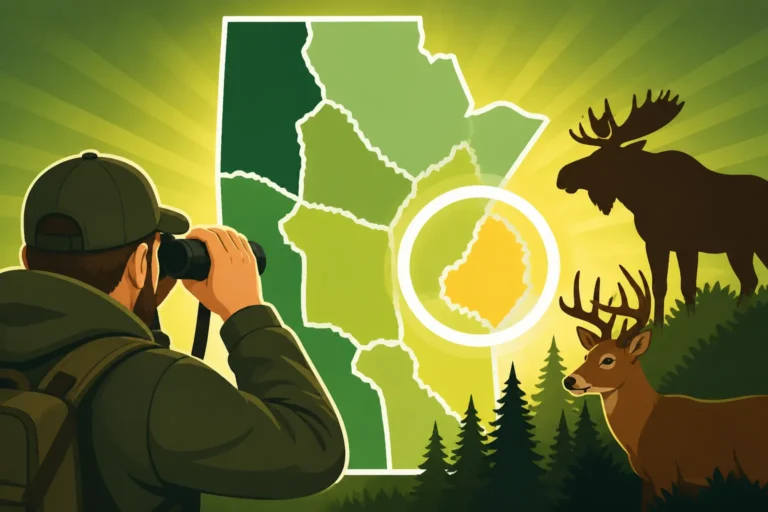
The Interlake region is covered by several Game Hunting Areas (GHAs), each with its own nuances. While it would be impossible to list every single GHA, generally speaking, the GHAs covering the southern and central Interlake are known for their strong whitetail populations, often benefiting from the agricultural bounty. As you venture further north into the Interlake, towards areas like Ashern and beyond, the landscape shifts to heavier bush, and the opportunities for moose and black bear increase, alongside the ever-present whitetail.
Wildlife Management Areas (WMAs) are also significant features of the Interlake. These protected areas are specifically managed for wildlife habitat and offer public hunting opportunities. While they often see more pressure, they can be phenomenal spots, especially for waterfowl and some upland bird hunting. Hunters need to pay close attention to the specific rules for each WMA, as regulations can vary. You might find certain WMAs are ideal for Hunting the Lake Francis Wildlife Area or Hunting the Alonsa Wildlife Area, each offering a slightly different blend of habitat and species potential. The sheer number of lakes, large and small, in the Interlake also means that many GHAs will include extensive shoreline, which can be critical for understanding how animals move and access water sources.
Prime Game Species and What Makes Them Thrive Here
The Interlake truly shines when it comes to diversity. While some regions might specialize in one or two species, this area offers a smorgasbord for the dedicated hunter. The mix of cover, water, and food sources creates a robust ecosystem supporting a variety of game animals.
Whitetail Deer: The Interlake's Crown Jewel
Without a doubt, whitetail deer are the kings of the Interlake. The abundance of agricultural fields provides a fantastic food source, leading to deer that often exhibit impressive body size and antler growth. These deer are savvy, however, using the dense willow and aspen bluffs for bedding and escaping pressure. You'll find them holding tight in thick cover during the day, only to emerge into fields at dusk and dawn. This means hunters need to be patient, understand deer movement patterns, and often be prepared for close-quarters encounters in the bush, or long-range shots across a field.
The numerous sloughs and pothole edges are also vital for whitetails, providing both water and excellent escape cover. Bucks will often travel along these natural corridors, especially during the rut, making them prime ambush points. If you're looking for a challenging but rewarding whitetail hunt, understanding how these animals utilize the varied Interlake habitat, from Hunting a Slough Edge for Whitetails to Hunting a Poplar Bluff at First Light, is absolutely essential. The relatively mild winters (compared to some northern regions) and abundant food often contribute to healthy herd numbers.
Waterfowl and Upland Birds: A Hunter's Paradise
The Interlake's very name, "between the lakes," tells you a lot about its waterfowl potential. The countless potholes, marshes, and proximity to two massive lakes make it a critical staging and nesting ground for a huge variety of ducks and geese. You'll find everything from mallards, pintails, and gadwalls to Canada geese, snow geese, and even specklebellies. Hunting these birds often involves scouting fields for feeding patterns or setting up in marshy areas over decoys. Marsh Hunting Ducks in the Interlake is a classic pursuit here, with many areas offering incredible action.
Beyond the web-footed brigade, the Interlake also boasts strong populations of upland birds. Sharp-tailed grouse thrive in the prairie fringes and mixed grass cover, often found in the same areas as whitetails, flushing explosively from cover. Ruffed grouse, on the other hand, prefer the thicker aspen and poplar woods, providing excellent opportunities for those who enjoy walking the trails and bush edges. Hunting Ruffed Grouse Hunting Manitoba's Bush Trails can be a great way to explore the region's diverse cover. Hungarian partridge are also found in the agricultural zones, often hunkering down in shelterbelts and field edges.
Opportunistic Hunts for Bear and Predators
While not as renowned as some of Manitoba's dedicated bear country, the Interlake does offer black bear hunting opportunities, particularly in the larger, more contiguous blocks of bush as you move away from heavily farmed areas. These bears benefit from the varied food sources, from berries in the summer to agricultural crops in the fall. Hunters often employ baiting strategies where permitted, or still-hunt remote areas. If you're considering a spring hunt, Spring Bear Hunting in Manitoba can be a fantastic way to experience the Interlake before the fall rush.
Predators, especially coyotes, are abundant throughout the Interlake, offering year-round hunting opportunities. Their numbers often track with the deer population, as they rely on fawns and sick or injured adults. Calling coyotes in the open parkland or along the bush edges is a popular pursuit, providing an exciting challenge. In the northern reaches of the Interlake, where the bush becomes denser and less interrupted, wolves can also be present, although they are far more elusive.
Navigating Land Access in the Interlake
One of the biggest hurdles and sometimes the biggest rewards in hunting the Interlake is figuring out where you can actually hunt. The patchwork of Crown land, Wildlife Management Areas, and private property means a little homework goes a long way.
Cracking the Code of Crown Land and WMAs
Manitoba has a good amount of Crown land, and a significant portion of it lies within the Interlake. This public land is open for hunting, offering fantastic opportunities for those willing to do their homework. However, not all Crown land is easily accessible, and some of it can be quite marshy or featureless. This is where tools like onX Hunt truly shine. Using a reliable mapping app like onX Hunt can help you visualize Reading Manitoba Crown Land Layers on onX, clearly delineate public from private boundaries, identify access points, and scout terrain features like old trails, treed islands in sloughs, or hidden bluffs. This kind of detailed satellite imagery can save you countless hours of driving and knocking on doors.
Wildlife Management Areas (WMAs) are another excellent public hunting resource. These are managed specifically for wildlife and often have habitat improvements that concentrate game. However, because they are well-known, they can also experience higher hunting pressure, especially on opening weekends. It's crucial to consult the provincial hunting regulations for each specific WMA you plan to visit, as they might have unique rules regarding vehicle access, camping, or even specific species seasons. Scouting these areas during the off-season can reveal hidden corners or less-pressured sections that others overlook. Hunting a Manitoba Wildlife Management Area requires this careful attention to detail.
The Critical Role of Private Land Permission
Given the significant agricultural presence in the southern and central Interlake, securing private land permission is often key to unlocking some of the best hunting opportunities, especially for whitetails and waterfowl. Many of the biggest bucks and most concentrated waterfowl flocks will be found on private farmland. The challenge, of course, is getting that coveted "yes" from a landowner.
It all boils down to respectful communication. Approach landowners well in advance of the season, ideally in person. Dress neatly, introduce yourself, explain your intentions clearly, and always be prepared for a "no." Offer to share meat, help with chores, or assist with crop damage issues if applicable. Respecting their property, closing gates, picking up any garbage, and driving slowly on access roads are non-negotiable. Building a relationship with a landowner over time is far more valuable than a one-off request. Remember, Asking a Manitoba Landowner for Permission is a privilege, not a right, and your actions reflect on all hunters. Carrying liability insurance can also be a good talking point, as it shows you're responsible.
Effective Hunting Strategies for Interlake Terrain
Hunting the Interlake isn't a one-size-fits-all endeavor. The diverse landscape demands a flexible approach, adapting your tactics to the specific habitat and species you're pursuing.
Still-Hunting the Bush Edges and Willow Rings
For whitetails, especially in the central and northern Interlake, still-hunting the edges of the bush country, particularly where it transitions into more open fields or willow-choked sloughs, can be incredibly effective. Deer often use these edges as travel corridors between bedding and feeding areas. Move slowly, quietly, stopping frequently to glass ahead and listen. Pay close attention to subtle deer sign: rubs, scrapes, and fresh tracks.
The ubiquitous willow rings around potholes and low spots are natural magnets for deer. They offer dense cover, water, and can create fantastic funnels. Hunting a Willow Run for Whitetails means working these areas carefully, often pushing through the thick stuff or setting up a stand where deer are forced to bottleneck. Remember that Manitoba bucks, especially in the bush country, often hold incredibly tight, relying on their camouflage and the dense cover to avoid detection. Patience is paramount.
Setting Up for Success in Farmland Transitions
In the more agricultural parts of the Interlake, successful deer hunting often revolves around understanding how deer utilize the interface between fields and cover. Look for shelterbelts, small bluffs, or creek bottoms that cut through farmland. Deer will often bed in these covers during the day and move out into fields to feed in the evening.
Stand hunting, whether from a treestand or a ground blind, is a common and effective tactic here. Identify major deer trails leading into standing corn, pea, or alfalfa fields. Funnels created by changes in topography, fence lines, or small blocks of trees are also prime locations. Hunting a Standing Canola Field Edge at dusk can offer spectacular action, but be prepared for deer to enter the field from unexpected angles. Don't forget that deer will often stage just inside the treeline before committing to the open field, so positioning your stand for those transition zones is critical. GoHunt's resources on deer movement patterns can also provide valuable insights into these farmland habits.
Waterfowl Tactics for Potholes and Field Edges
Waterfowl hunting in the Interlake offers a classic prairie experience. For ducks, focus on the countless potholes and smaller sloughs scattered across the landscape. Jump-shooting smaller potholes can be exciting, but setting up a spread of decoys on a larger, actively used pothole can yield incredible results. Early mornings, especially after a cold front, can concentrate birds on these smaller water bodies. Jump-Shooting a Manitoba Prairie Pothole requires stealth and quick reflexes.
For geese, it's all about finding the fields they're actively feeding in. Extensive scouting is non-negotiable. Drive the back roads, especially in the afternoons, looking for large concentrations of birds. Once you locate a hot field, secure permission from the landowner (if private) and set up a spread of decoys, mimicking the feeding birds. Blinds are essential to remain hidden from the keen eyes of geese. Field Hunting Geese in Manitoba Stubble is a quintessential Interlake experience, and with the right setup, it can be unforgettable.
Planning and Preparation for Your Interlake Adventure
Like any hunting trip, success in the Interlake hinges on thoughtful planning and being prepared for whatever Mother Nature throws your way.
Essential Gear for Diverse Conditions
The Interlake's diverse habitat means you need versatile gear. Expect variable conditions: muddy trails, dense bush, open fields, and potentially frigid temperatures depending on the season. Layered clothing is a must. Waterproof, breathable outerwear is essential for dealing with dew, rain, or snow. Sturdy, waterproof boots are critical, as you'll likely encounter wet ground, especially around sloughs and marshes.
Beyond clothing, a good quality GPS unit or a reliable mapping app like onX Hunt loaded on your phone is invaluable. Signal can be spotty in some remote bush areas, so a downloaded map and external battery pack are wise precautions. Binoculars are essential for scouting fields and glassing distant game. A solid first-aid kit, emergency shelter, and sufficient food and water are always recommended, as you might find yourself further from immediate help than you anticipate. For waterfowl hunters, waders and quality decoys are obvious necessities.
Utilizing Modern Scouting Tools
In today's hunting world, technology can be a huge asset, and the Interlake is no exception. While nothing replaces boots on the ground, modern scouting tools can significantly narrow down your search. As mentioned, onX Hunt is fantastic for identifying land ownership, topo maps, and satellite imagery that reveals key habitat features. You can pre-scout potential bottlenecks, dense bedding areas, and travel corridors from the comfort of your home.
Beyond mapping, trail cameras can be incredibly effective, especially on private land where you have permission. Placing cameras on known travel routes or near food sources can help you understand deer movement patterns, identify specific bucks, and determine optimal hunting times. Weather apps and general hunting intelligence resources, like those found on GoHunt, can also help you track fronts that might push birds or influence deer activity. Combining these tools with historical knowledge and your own in-field observations creates a powerful advantage. Scouting With Satellite Imagery in Manitoba is a game-changer for many hunters here.
In the end, hunting the Interlake is an experience rich with possibility, demanding a hunter who appreciates its unique blend of wilderness and agricultural bounty. It's a place where careful planning, respectful access, and adaptable strategies truly pay off, delivering memorable hunts across its diverse and challenging landscape.
Disclaimer
This article is for general informational purposes only and does not constitute professional advice. Laws, prices and regulations vary by location and change over time. Consult a qualified professional for guidance on your specific situation.