Hunting Around Swan River
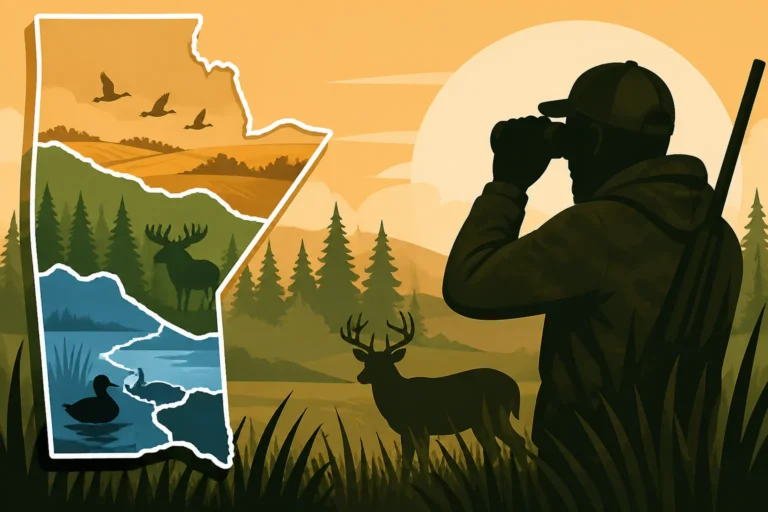
Hunting around Swan River presents a fascinating challenge for any outdoors enthusiast. It’s a region where the vast, open agricultural fields of the prairies meet the dense, whispering boreal forest, creating a dynamic mosaic that can be both incredibly rewarding and, at times, a bit overwhelming to navigate. Many hunters feel a little lost trying to figure out where to start, balancing the lure of big bucks in the bush with the promise of game moving through farmland. This guide aims to help you unravel the secrets of hunting this diverse and beautiful valley, giving you actionable insights into understanding its unique landscape, the species that call it home, and the best ways to approach your next hunting adventure.
Understanding the Swan Valley's Unique Landscape for Hunting
The Swan River Valley isn't just one type of hunting ground; it's a rich tapestry woven from several distinct habitats. This incredible diversity is precisely what makes it such a special place, but it also means you can't just apply a single hunting strategy across the board. You really need to understand the nuances of the terrain to find consistent success, whether you're chasing whitetails or searching for a moose.
The Interplay of Farmland and Forest
Driving through the Swan Valley, you'll immediately notice the dramatic shift from wide-open agricultural fields to heavy timber. One minute you're passing endless stretches of wheat, canola, or oats, and the next, you're enveloped by dense stands of aspen, poplar, spruce, and willow. This isn't just a scenic change; it's a critical factor in how game animals live and move here. The fields provide an abundant food source for deer and elk, especially after harvest, drawing them out of the safety of the bush. But that thick cover is where they retreat to bed, seek shelter from the elements, and escape pressure.
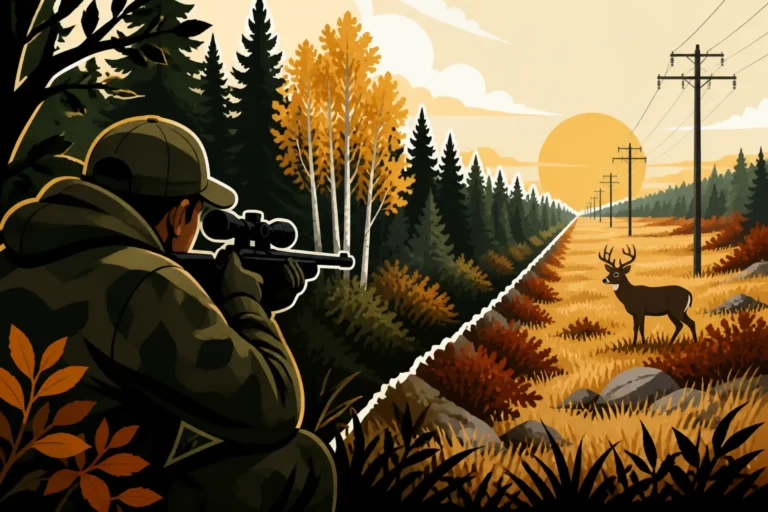
This transition zone, often called the "bush edge," is where a lot of the magic happens. It’s a frustrating spot for hunters who only know one type of terrain. If you only hunt thick bush, you might miss the deer feeding in the fields. If you only hunt open fields, you'll struggle to find them during the day. The key is to think about these areas as interconnected—the fields are the cafeteria, and the forest is the bedroom and highway. Understanding how game animals transition between these two worlds is paramount to your success, as they rarely stay put in just one or the other.
River Systems and Their Influence on Game Movement
The Swan River itself, along with its numerous tributaries and smaller creeks, carves its way through the valley, acting as a natural artery for wildlife. These riparian corridors are much more than just sources of water; they are vital travel routes and pinch points, especially for larger game like deer and moose. Animals will often follow these drainages, using the cover and consistency of the terrain to move unseen from one area to another.
In a dry fall, these water sources become even more critical, concentrating animals as other potholes and sloughs dry up. Knowing where to find consistent water can give you a significant advantage. Look for natural crossings along these waterways, particularly where banks are less steep, or where beaver activity has created dams that funnel animals. These are prime locations for setting up a stand or planning an ambush. The bends in the river, or where smaller creeks feed in, can also create natural funnels that force game through predictable areas.
Accessing Public and Private Lands Around Swan River
One of the biggest headaches for any hunter in a mixed-use landscape like the Swan Valley is figuring out where you can legally hunt. It's not always obvious, and the lines between Crown Land and private property can be blurry, leading to a lot of frustration. Nobody wants to accidentally trespass or waste valuable hunting time wondering if they're in the right spot.
Thankfully, there's a good amount of public land, including provincial forests like the Porcupine Provincial Forest, that offer excellent hunting opportunities. However, these areas can often require a bit more legwork to access and can see more hunting pressure. This is where tools like onX Hunt or GoHunt really shine. They provide invaluable mapping overlays that clearly delineate land ownership, helping you identify Crown Land parcels, provincial forests, and Wildlife Management Areas, as well as the boundaries of private property. For private land, remember that permission is always required, and building relationships with landowners is the best long-term strategy. It's often overlooked, but Getting Private Land Permission in Manitoba can unlock some incredible hunting spots that see far less pressure than the public ground. Always double-check your maps and respect posted signage.
Key Species and Their Habits in the Swan River Region
The Swan Valley boasts a healthy population of several big game species, each with its own preferred habitat and movement patterns. Knowing what to expect from each animal will help you tailor your scouting and hunting efforts for maximum effectiveness. You're not going to find moose in the same exact spots as whitetails, and bears have their own specific seasonal movements.
Whitetail Deer: Adapting to Diverse Cover
Whitetail deer are, without a doubt, the most popular big game animal in the Swan Valley, and for good reason. This region consistently produces heavy-bodied deer with impressive antlers, making it a dream destination for many hunters. They absolutely thrive in the bush-edge environment we just talked about. These deer are masters of using both the abundant agricultural fields for their primary feeding grounds and the dense, often impenetrable, forest cover for bedding and security. You'll find them hitting the fields hard at dawn and dusk, but retreating deep into the timber during the mid-day hours.
Effective whitetail hunting here often means focusing on those transition areas. Think about Hunting a Shelterbelt Between Two Fields where deer feel comfortable slipping out of the bush into the crops. Or consider a Hunting a Bluff Between Two Fields that offers a higher vantage point for bedding deer while still being close to food. These deer are incredibly adaptable; they’ll use willow runs, aspen thickets, small woodlots, and even standing cornfields for cover. Understanding their daily patterns—from feeding to bedding—is far more important than just blindly walking through the bush.
Moose: Finding Them in the Forested Backcountry
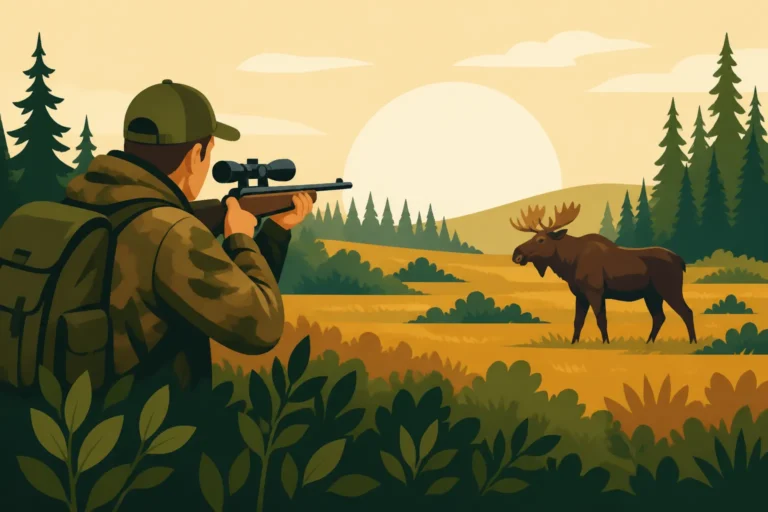
While whitetails dominate the agricultural fringe, moose tend to prefer the deeper, more remote forested areas around the Swan Valley. You're much more likely to encounter moose in the provincial forests and less pressured backcountry, particularly within the Porcupine Provincial Forest or similar extensive timber tracts. These giants favour swampy areas, boreal forest, and areas with plenty of browse, like willow and young aspen regrowth. They're often found along old cutlines, near beaver ponds, or in areas regenerating after a wildfire, where new growth provides ample food.
Hunting moose here requires a different approach than deer. It's typically a much more physically demanding hunt, often involving longer treks into remote areas. Calling can be incredibly effective during the rut, especially if you understand Calling a Bull Moose in the Rut. Look for fresh rubs on trees, large tracks, and heavily browsed vegetation. Moose are more solitary than deer, and while they might use river corridors, they'll usually stick to the heavier cover and wetland areas that provide both food and protection from insects and heat.
Black Bear: Opportunity in the Mixed Forest
The mixed forests surrounding the Swan River Valley also support a healthy population of black bears, offering fantastic opportunities for spring and fall hunters. Bears are omnivores, and this region provides them with a diverse diet of berries, nuts, agricultural crops, and carrion. You'll find them ranging widely, but they tend to concentrate in areas of dense cover interspersed with good food sources. Early in the spring, bears are often found seeking out fresh green growth on south-facing slopes or scavenging after the winter. As summer progresses, they shift to berry patches, and in the fall, they'll heavily utilize oat fields, canola fields, and standing corn to fatten up for winter.
Many hunters choose to utilize baiting for black bears in Manitoba, which can be an incredibly effective method. If you're considering Baiting Black Bear in Manitoba, proper setup and consistent maintenance are key. Otherwise, still-hunting through known travel corridors or glassing agricultural fields at dawn and dusk can also be productive. Look for overturned logs, scat, and claw marks on trees as signs of bear activity. The opportunity to harvest a colour-phase bear, which are common in Manitoba, adds another exciting dimension to a Swan Valley bear hunt.
Practical Hunting Strategies for the Swan River Valley
Successfully hunting the Swan River Valley isn't just about knowing where the animals live; it's about employing smart strategies that adapt to the varied terrain and the specific habits of the game you're after. No matter how much time you have, making the most of it requires a thoughtful approach, from pre-season scouting to adjusting to real-time conditions.
Scouting Techniques for Mixed Terrain
Effective scouting is the bedrock of any successful hunt, and in the Swan Valley's mixed terrain, it's absolutely essential. You can't just drive around and expect to find trophy animals. You need to put in the time, both physically and digitally. Start with detailed maps, either paper topographical maps or digital tools like onX Hunt or GoHunt. These allow you to identify key features such as elevation changes, creek bottoms, dense timber pockets, and field edges before you even set foot in the woods. Pay close attention to pinch points—places where terrain features like a river, a dense thicket, or a sudden change in elevation funnel animals into a predictable path.
Year-round scouting is ideal. In the spring, look for deer and moose tracks in soft ground, shed antlers, and browse lines. In late summer and early fall, identify primary food sources—which fields are drawing deer, where are the berry patches bears are hitting, and where are moose browsing on new growth. Use satellite imagery to identify bedding cover and travel corridors. Once on the ground, walk potential routes, look for rubs, scrapes, and droppings. Reading fresh sign after a light rain or a fresh snow is incredibly telling, as it reveals recent activity. Remember, the Swan Valley is large, so focus your efforts on smaller, manageable zones first.
Stand Placement and Hunting Methods
Given the diverse landscape, your choice of hunting method and stand placement will vary greatly. For whitetails, stand hunting from a treestand or ground blind is often very effective, especially during the rut or in late season. When choosing a location, think about wind direction and animal travel patterns. A treestand overlooking a well-used trail between a bedding area and a feeding field, or along a river break, can be dynamite. Ground blinds are excellent for field edges, especially if you're hunting crops like standing corn or a swathed grain field where natural cover is sparse. Hanging a Stand on a Manitoba Bush Edge can provide a perfect vantage point for deer transitioning between cover and food.
For moose, still-hunting or spot-and-stalk can be more productive, particularly when combined with calling. Stealthily moving through the bush, pausing frequently to listen and glass, can bring you into close range. During the rut, Calling a Bull Moose in the Rut can entice a bull to come looking for a rival. For bears, especially if you're not baiting, finding natural food sources and setting up a quiet ambush point can work well. The key is adapting to the animal and the specific micro-habitat you're in. Don't be afraid to change your tactics if what you're doing isn't producing results.
Dealing with Hunting Pressure and Weather
The Swan River Valley, while expansive, isn't immune to hunting pressure, particularly in easily accessible areas of Crown Land or popular provincial forests. It's a common frustration to scout a perfect spot only to find another truck parked there on opening morning. To mitigate this, consider walking further than most hunters are willing to go. Often, just a few hundred extra yards from a road can put you into less disturbed areas. Hunting a Manitoba Quarter Section that requires a bit more effort can often pay off with less pressured game. Look for less obvious access points, or utilize a quad if permitted to get deeper into the bush.
Manitoba weather is famously unpredictable, and the Swan Valley is no exception. A beautiful fall day can quickly turn into a raging snowstorm or a frigid cold snap. Being prepared for Hunting Safely in Deep Winter Cold is crucial, especially if you're hunting the later seasons. Layer your clothing, carry emergency supplies, and always tell someone where you're going and when you expect to return. Cold weather also significantly impacts game movement and meat care. Understanding Meat Care in Manitoba's Cold Snaps is vital to preserving your harvest. Don't let rapidly changing temperatures ruin your hard-earned venison or bear meat.
Planning Your Hunt and Navigating Regulations
A successful hunt in the Swan River Valley isn't just about woodsmanship; it's also about thorough planning and understanding the rules. Manitoba has specific regulations that hunters need to be aware of, and neglecting these details can lead to disappointment or, worse, legal trouble.
Understanding Manitoba's Game Hunting Areas (GHAs)
Manitoba is divided into numerous Game Hunting Areas (GHAs), and the Swan River Valley encompasses several of them, each with potentially different season dates, bag limits, and specific regulations. It's not a "one size fits all" situation. Before you even start scouting, you absolutely must know which GHA you plan to hunt in. This dictates everything from when you can hunt, to what species you can pursue, and even what weapon types are allowed.
You can find detailed maps and descriptions of Manitoba's Game Hunting Areas on the provincial government's hunting guide website. Pay close attention to GHA boundaries, as they often follow roads, rivers, or other geographical features. Don't assume that just because you can hunt deer in one GHA, the season dates are identical in an adjacent one. Cross-referencing your chosen hunting spot with the official GHA maps is a non-negotiable step in your planning process.
Licensing and Permitting Considerations
Once you know your GHA and target species, the next step is securing the appropriate licences and permits. Manitoba offers various resident and non-resident options, and the cost and availability can differ depending on what you're after. Manitoba Hunting Licences and What They Cost will vary, and some species, like moose or elk, may require participation in a draw system, which has its own deadlines and application process.
Always purchase your licences and tags well in advance. Read the current year's hunting guide cover to cover. It's packed with crucial information on season dates, bag limits, blaze orange requirements, legal firearms, and much more. It's your responsibility to be informed. Carrying your licence and tags with you in the field, properly validated after a harvest, is not just a good idea—it's the law.
Respecting Landowners and Local Community
This cannot be stressed enough: in a region like the Swan Valley, where private agricultural land is interspersed with public bush, landowner relations are paramount. The vast majority of prime hunting spots on private property are accessed through the goodwill of farmers and ranchers. Always, always ask for permission before stepping foot on private land. This simple act of courtesy builds trust and maintains positive relationships between hunters and landowners.
Approaching landowners respectfully, explaining your intentions, and offering to share some of your harvest can go a long way. Knocking on Doors in Manitoba Farm Country might feel intimidating, but it's often the best way to secure access to prime hunting ground that sees little pressure. Remember that landowners have the right to deny access, and if they do, respect their decision without argument. Maintaining a good reputation for hunters in the Swan Valley means everyone benefits in the long run.
Swan Valley Hunting Tips At A Glance
| Area Type | Primary Species | Key Strategy | Important Considerations |
|---|---|---|---|
| Farmland Edge | Whitetail, Bear | Treestand/Blind on transition zones | Wind direction, feeding patterns, landowner perm |
| Dense Bush | Whitetail, Moose, Bear | Still-hunting, calling, deep penetration | Quiet movement, identifying browse/bedding |
| River/Creek Bottoms | Whitetail, Moose, Bear | Ambush points on crossings/funnels | Prevailing winds, water access, security cover |
| Provincial Forest | Moose, Bear, Whitetail | Scouting deep, tracking, remote access | GHA regulations, physical endurance, safety |
| Old Cutlines/Burns | Moose, Whitetail | Spot & stalk, glassing new growth | Vehicle access rules, visibility |
Disclaimer
This article is for general informational purposes only and does not constitute professional advice. Laws, prices and regulations vary by location and change over time. Consult a qualified professional for guidance on your specific situation.