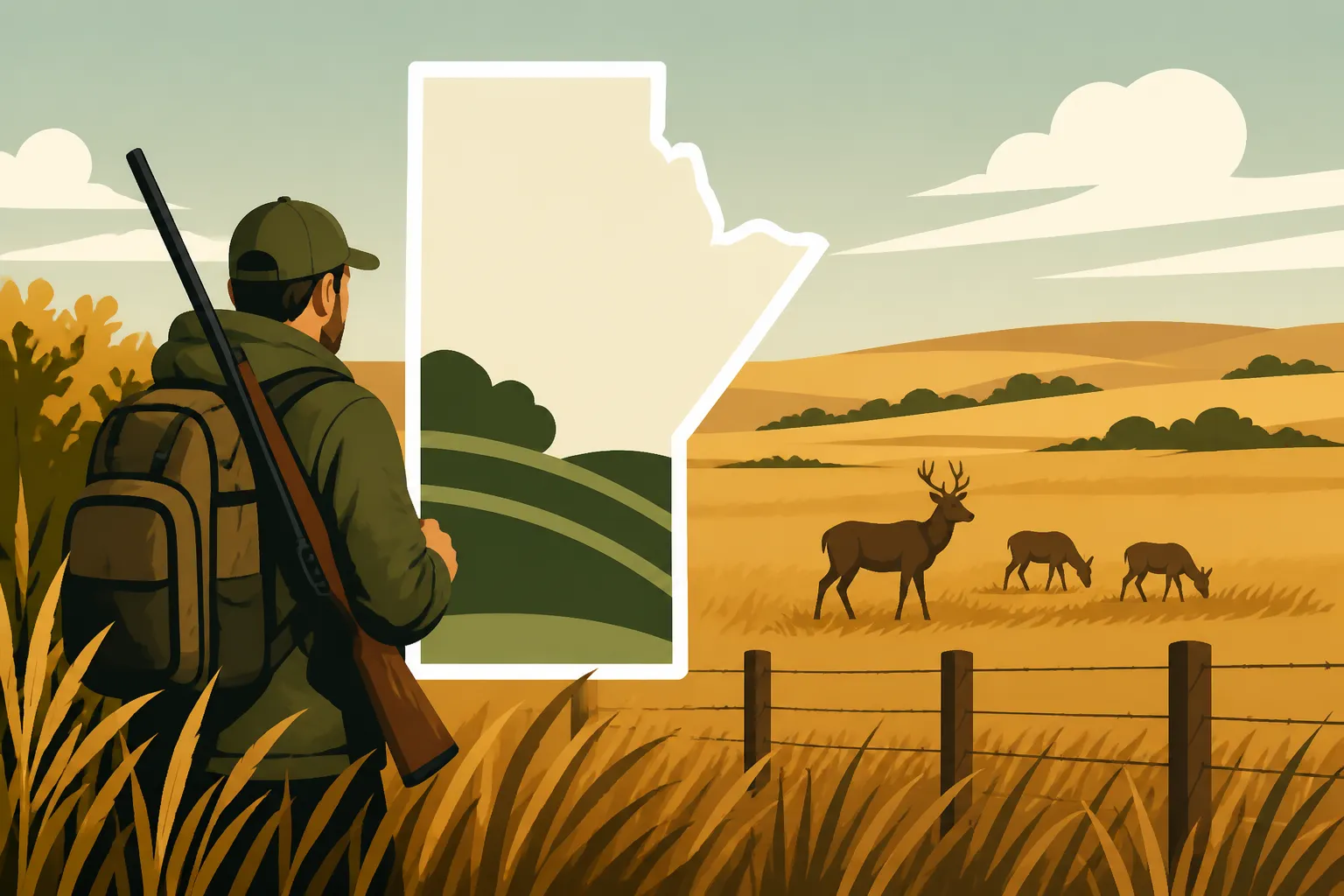
Manitoba’s Community Pastures and Access
Finding good hunting ground can feel like a never-ending quest, especially with so much land being private or subject to complex access rules. It's a common frustration to spend hours scouting only to hit a "No Trespassing" sign or a locked gate. But what if I told you there are vast tracts of land in Manitoba that offer unique hunting opportunities, often overlooked by those who don't know where to look or how to gain access? This guide is going to walk you through everything you need to know about Manitoba's community pastures and how you can unlock their potential for your next hunting adventure.
What Exactly Are Manitoba's Community Pastures?
When you hear "community pasture," your mind might immediately go to cows, and you wouldn't be wrong. These lands are indeed primarily for grazing livestock, but they are also much more than that. Understanding their origin, purpose, and management is key to appreciating their role in Manitoba's landscape and, more importantly, for hunters seeking new grounds.
Their Historical Roots and Purpose
Manitoba's community pastures have a rich history, deeply tied to the agricultural development of the province. Many of these pastures were initially established in the early to mid-20th century, largely as part of government programs aimed at rehabilitating marginal farmland that had suffered from erosion and degradation, particularly during the Dust Bowl era. The idea was to convert these lands, often unsuitable for continuous crop production, into productive grazing areas for local farmers and ranchers. This offered an economic benefit to the agricultural community, allowing them to pool resources for managing herds and maintaining pasture quality. It was a forward-thinking approach to land stewardship, creating large, contiguous blocks of grasslands and treed areas that could support both livestock and, as we've come to appreciate, a surprising amount of wildlife.
These lands were designed to serve the community, hence the name. They weren't just private leases for a single rancher, but rather shared resources managed for the collective good of livestock producers in a given area. This communal aspect is what makes them so interesting for hunters, as it inherently implies a certain level of public benefit and, often, a pathway to access that differs from strictly private holdings. They represent a legacy of cooperative land use, a concept that sometimes feels lost in our increasingly privatized world.
How They Are Managed Today
While the historical context is important, how these pastures are managed today is crucial for hunters. Initially, many community pastures were federal entities, but over time, management responsibilities have shifted. Now, many of Manitoba's community pastures are provincially managed or operated by local patron groups, often under lease agreements. This means that while they still serve their primary purpose of livestock grazing, the day-to-day operations and specific access protocols can vary depending on who is at the helm.
Typically, these lands are managed by a local board or an appointed manager who oversees everything from fence maintenance and water sources to grass health and cattle rotations. Their main goal is to ensure sustainable grazing practices for the livestock patrons. This management structure is important for hunters to grasp because it means there's a specific person or group in charge that you'll need to communicate with regarding access. They are not simply open-access Crown land, nor are they strictly private land with a single owner. They exist in a unique middle ground. You can't just wander onto them; you need to understand the system.
Geographic Distribution Across the Province
Manitoba is a big province, and community pastures are spread throughout, though they tend to be concentrated in certain regions. You'll find them particularly prevalent in the southern and central parts of the province, often bordering or interspersed with agricultural landscapes, but also extending into more mixed forest and grassland environments. They frequently occupy areas that serve as transition zones between open farmland and more extensive bush or parkland.
For example, many exist in the southwestern part of the province, areas known for their mixed agriculture and rolling terrain. You might also find them in the Interlake region, where large tracts of native prairie and aspen parkland meet. This widespread distribution means that no matter where you are in Manitoba, there's a good chance a community pasture isn't too far away. The sheer scale of some of these pastures can be impressive, encompassing thousands of acres of diverse habitat. This vastness, often with minimal internal fencing beyond perimeter boundaries, creates significant blocks of habitat that can be incredibly appealing to a wide range of game species. Knowing their general distribution can help you narrow down your search for potential hunting spots, especially if you're exploring Manitoba's Game Hunting Areas for specific species.
Hunting Opportunities and Challenges on Community Pastures
So, you've identified a community pasture on the map. Great! But what can you actually expect when you get there, and what unique aspects do these areas present for hunters? It’s not quite like hunting a provincial park or simply asking a farmer for permission on a quarter section. These areas have their own rhythm and set of considerations.
Species You'll Encounter
Community pastures, with their mosaic of grasslands, riparian areas, aspen bluffs, and sometimes even dense bush, provide fantastic habitat for a variety of game species. Whitetail deer are, without a doubt, a primary draw. These pastures offer excellent cover for bedding, abundant forage from native grasses and shrubs, and proximity to agricultural fields, which can be a huge attractant. You'll often find strong deer populations thriving in these environments, especially where there's good edge cover between open grazing areas and denser woods. The limited human encroachment compared to purely agricultural lands also gives deer a sense of security. Hunters often report seeing mature bucks using these pastures as core home ranges.
Beyond whitetails, depending on the region, you might also encounter moose and elk, particularly in pastures that border larger forested tracts or known game corridors. Wild turkeys can be found where there's suitable roosting habitat and food sources. Upland birds like sharp-tailed grouse and Hungarian partridge frequently utilize the grasslands and brushy edges. And, of course, coyotes and other furbearers are often present, following the deer and small game populations. The diversity of habitat within a single pasture can be truly remarkable, offering opportunities for multiple species. For those interested in Predator Hunting Across Manitoba, these areas can be quite productive.
Navigating Livestock and Infrastructure
One of the most significant differences when hunting community pastures versus other public lands is the presence of livestock – usually cattle. This isn't just a minor detail; it's a fundamental aspect of these lands. You will encounter cows, calves, and bulls. This means you need to be acutely aware of your surroundings, your shooting lanes, and the safety of both the animals and yourself. Always identify your target clearly and ensure there are no livestock in the background or foreground. A missed shot or an errant projectile can have serious consequences. Hunters should also be prepared for the noise and scent of cattle, which can sometimes influence game movement.
Beyond the livestock, community pastures typically have infrastructure associated with ranching operations. This includes extensive fencing, water troughs, corrals, and sometimes even manager's residences or outbuildings. You must respect all infrastructure. Do not cut fences, leave gates open (always close gates behind you, even if they appear open), or disturb any equipment. Remember, this is a working landscape, and your presence as a hunter is a privilege, not an inherent right. Understanding Hunting a Pasture With Cattle On It is critical for a safe and successful experience.
Understanding Hunter Pressure and Etiquette
While community pastures can offer excellent hunting, they are rarely secret. Savvy local hunters often know about them, and depending on the GHA, they can experience moderate to high hunter pressure, especially during peak seasons like the whitetail rut. This means you might not be the only one out there. Proper hunter etiquette is paramount. Be courteous to other hunters, give them plenty of space, and communicate if you encounter each other. Avoid setting up too close to another hunter's vehicle or known stand location.
It's also important to remember that the primary users of these lands are often the cattle patrons and the pasture managers. Their operations take precedence. If a manager asks you to avoid a certain area due to cattle movement or other activities, you must comply. Being respectful, responsible, and understanding of the multi-use nature of these lands goes a long way in ensuring continued access for all hunters. Treating the land and its primary users with respect is critical for Manitoba Landowner Relations for Hunters, even when dealing with public-access lands that function like private ones.
Navigating Access and Regulations
This is where the rubber meets the road. Unlike wide-open Crown land, accessing community pastures usually requires a specific step, often a permit or direct communication. Don't assume anything; always do your homework before heading out.
Permit Requirements and Contacting Managers
This is perhaps the most important piece of information for hunting community pastures: you generally need permission, and often a specific permit, to hunt them. These aren't simply "open to all" public lands. The exact process can vary slightly depending on whether the pasture is federally or provincially managed, or run by a local association. Typically, you'll need to contact the specific community pasture manager. This isn't usually a provincial department, but an individual or a local board responsible for that particular pasture.
They will usually have a system for issuing hunting permits. These permits might involve a small fee, specific dates, or designated areas. The fee, if any, often goes towards pasture maintenance, indirectly supporting the very habitat you're hunting. The key is making that initial contact. Look up the specific pasture you're interested in and find their contact information. A quick phone call can save you a lot of grief and ensure you're hunting legally and ethically. They can also inform you of any active cattle movements or special restrictions. This direct communication is a crucial bridge that helps maintain good relations between hunters and pasture management.
Specific Rules and Restrictions to Be Aware Of
Beyond the general requirement for a permit, community pastures often come with their own unique set of rules and restrictions that you won't find on regular Crown land. These are put in place to ensure the safety of livestock, the integrity of the infrastructure, and the sustainability of the pasture's primary agricultural use.
Common restrictions might include:
- No hunting during active cattle round-ups or movements: This is for obvious safety reasons.
- Specific firearm restrictions: While less common, some pastures might have rules about certain calibres or hunting methods to protect livestock.
- Vehicle access limitations: Many pastures have strict rules about where you can drive, often restricting vehicles to designated trails or requiring ATVs/UTVs to stay on main access routes. This protects the grass and prevents damage during wet conditions. Vehicle Rules on Manitoba Crown Land might give you some context, but pasture rules can be even more restrictive.
- Gate protocols: As mentioned, always close gates. Some pastures might have combination locks; the manager will provide the code if access is granted.
- No littering: This seems obvious, but leaving trash, especially anything that could harm livestock like plastic or wire, is absolutely prohibited and highly detrimental to continued access.
- Specific hunting zones: Some managers might designate certain sections of the pasture for hunting, while others are off-limits, perhaps due to heavy cattle concentrations or proximity to residences.
It is your responsibility to understand and adhere to every single rule provided by the pasture manager. Disregarding these rules jeopardizes not only your hunt but also the future access for all hunters.
Using Mapping Tools for Planning
Once you've secured permission and understood the rules, mapping tools become your best friend for community pastures. These areas can be vast, and understanding the topography, cover, and potential pinch points is critical. Digital mapping platforms are invaluable here. Tools like onX Hunt are fantastic for overlaying property boundaries directly onto satellite imagery. This allows you to clearly see the outline of the community pasture, identify its borders with private or other public lands, and understand the terrain. You can mark potential bedding areas, water sources, and travel corridors, all from the comfort of your home.
Before you even step foot on the pasture, you can use these maps to identify areas of denser timber, creek bottoms, or sloughs that might hold game. You can also pinpoint where the pasture manager might have mentioned cattle concentrations, helping you plan your approach accordingly. Another great resource for information, especially about specific GHA features and species distribution, could be GoHunt. While these tools don't negate the need for boots on the ground, they drastically improve your efficiency and help you develop a solid game plan. Remember, even with these tools, ground-truthing is always essential. For a deeper dive into preparation, consider Scouting With Satellite Imagery in Manitoba.
Making the Most of Your Hunt
Hunting community pastures successfully requires a blend of traditional hunting skills, respect for the land's primary use, and a bit of strategic thinking. It’s about adapting your approach to a working landscape.
Effective Scouting Strategies
Scouting is always crucial, but on community pastures, it takes on a slightly different flavour. Pre-season digital scouting with onX Hunt or similar tools is a great starting point, as discussed. Identify those pinch points, the isolated bluffs, the creek bottoms, and the heavy cover that might hold deer. Look for areas away from obvious cattle concentrations and infrastructure, which can sometimes be less disturbed by human activity and machinery.
When you hit the ground, look for classic game sign: rubs, scrapes, tracks, and droppings. Pay close attention to travel corridors between dense cover and feeding areas, especially those leading towards adjacent agricultural fields. Deer will often utilize the cover of the pasture during the day and venture out to feed in nearby crops under the cover of darkness. Don't overlook the impact of cattle on game movement; deer will often use trails created by livestock, but they also might avoid areas where cattle are actively grazing heavily. Focus on edges where different habitat types meet – where the open grass transitions to brush or timber. The size of these pastures often means you might need to cover a lot of ground, so be prepared for some walking. For a general scouting refresher, check out Scouting a Manitoba Game Hunting Area.
Hunting Tactics Tailored to Pasture Landscapes
Given the unique characteristics of community pastures, specific hunting tactics tend to be more effective. Still hunting or slowly still hunting the edges of cover can be highly productive, especially during the rut when bucks are on the move. Focus on those transitions from open grassland to the aspen pockets or willow runs. Blinds, either ground blinds or elevated stands, can be effective in areas with good cover and clear shooting lanes, especially if you've identified a consistent travel route. Just be sure to get permission from the pasture manager before erecting any permanent structures.
Calling and rattling can also be effective, particularly for whitetails during the peak of the rut. The relatively open nature of some pasture areas means calls can carry further, and visibility can be good, allowing you to spot deer responding from a distance. However, be mindful of wind direction and the presence of livestock, which might also be drawn to curiosity. If you're hunting upland birds, walking the brushy draws and grassland edges with a good flushing dog can be incredibly rewarding. Remember that patience is key. These animals are used to vast open spaces and subtle movements. You may also find success by identifying natural funnels or crossings, such as where a bush edge meets a field or a frozen slough provides a travel route. Hunting a Bluff Between Two Fields or Hunting a Frozen Slough Crossing might offer relevant insights.
Respecting the Land and Other Users
Hunting on community pastures is a privilege that comes with significant responsibility. Beyond strictly following the rules and regulations, it's crucial to embody a spirit of respect for the land and all its users. This means leaving no trace behind – pack out everything you pack in, and then some. Pick up any litter you find. Avoid damaging fences, gates, or other infrastructure. If you encounter livestock, give them a wide berth and move slowly and calmly to avoid stressing them.
Furthermore, remember that other people might be using the pasture for recreational purposes like hiking or birdwatching, or for work-related activities. Be courteous, communicate your presence, and always prioritize safety. Good landowner relations (even with "public" land managers) are built on trust and respect, and your actions as a hunter directly impact the future of hunting access for everyone. By being a responsible and considerate hunter, you not only enhance your own experience but also help to ensure these valuable hunting grounds remain accessible for generations to come. This also aligns with principles discussed in Manitoba Hunter Education Requirements, which emphasize ethical conduct.
Comparing Community Pastures to Other Public Lands
Manitoba offers a range of public land options for hunters, and community pastures fit into a unique niche. It's helpful to understand how they stack up against other categories like Wildlife Management Areas (WMAs) and general Crown Land.
Differences from Wildlife Management Areas (WMAs)
Wildlife Management Areas (WMAs) in Manitoba are specifically designated for wildlife conservation and public use, including hunting. Their primary purpose revolves around enhancing wildlife habitat and providing recreational opportunities. As such, they often have specific habitat management plans in place, such as controlled burns or planting food plots, directly aimed at benefiting game species. The rules for WMAs are usually set by Manitoba Conservation and Climate, and access is generally more straightforward, often not requiring individual permits beyond your standard hunting licence and tags. Manitoba Wildlife Management Area Rules will detail this further.
Community pastures, on the other hand, while offering excellent wildlife habitat, have livestock grazing as their primary purpose. Wildlife benefits are often a secondary, albeit significant, outcome of maintaining large, undeveloped tracts of land. This means management decisions on a community pasture will always prioritize the health of the pasture for cattle over specific wildlife enhancement projects. Hunter access, as we've discussed, is typically managed by a local manager and requires specific permission. While WMAs are explicitly for wildlife and recreation, community pastures are for agriculture first, with hunting as a permitted secondary use.
Similarities to Crown Land Access
Manitoba has vast amounts of Crown land, much of which is open to hunting. Generally, if Crown land isn't specifically closed to hunting or designated for another use, it's accessible. This can feel like a "free-for-all" in comparison to the more structured access of community pastures. Hunters typically don't need to ask permission to hunt general Crown land, beyond holding valid licences and adhering to GHA-specific regulations. Manitoba's Crown Land Access provides more details on this.
However, community pastures share some similarities with Crown land in that they are publicly owned or managed for public benefit (albeit agricultural public benefit). They are not private property in the traditional sense, where a single individual owns the deed and can dictate access at their sole discretion. Both offer extensive landscapes, often with minimal development, allowing for a more immersive hunting experience than a small, fragmented private parcel. But the presence of active agricultural operations (livestock) and the requirement for a permit fundamentally differentiate community pastures from the vast majority of Manitoba's "open access" Crown land.
The Unique Appeal and Limitations
The unique appeal of hunting community pastures lies in their blend of extensive, often high-quality habitat with a degree of managed access. For hunters who might be intimidated by the seemingly endless and often featureless nature of some Crown land, or who struggle to gain permission on strictly private agricultural land, community pastures offer a middle ground. They are large enough to hold significant game populations, often less fragmented than private farm country, and the access, though requiring a permit, is typically available if you follow the proper channels. They can be less pressured than the most popular WMAs simply because of the extra step involved in gaining access, deterring some casual hunters.
However, the limitations are clear: livestock management always comes first. This can mean specific dates when hunting is not allowed, or areas that are temporarily off-limits. The presence of cattle means hunters must exercise extreme caution and be extra mindful of shot placement and surroundings. The "permission needed" aspect means you can't just spontaneously decide to hunt one; planning ahead is essential. But for those willing to put in the effort to understand the system and respect the rules, community pastures can be a truly rewarding and often overlooked resource for hunting in Manitoba.
| Feature | Community Pastures | Wildlife Management Areas (WMAs) | General Crown Land (Open) |
|---|---|---|---|
| Primary Purpose | Livestock grazing, land rehabilitation | Wildlife conservation, public recreation | Various (forestry, mining, recreation, etc.) |
| Ownership/Mgt. | Provincially managed or local patron groups | Provincially managed (Manitoba Conservation) | Provincially owned |
| Hunting Access | Requires specific permit/permission from manager | Generally open, follow GHA rules | Generally open, follow GHA rules |
| Livestock Present | Yes, primary use | Rarely, unless bordering active pastures | Sometimes, if leased for grazing |
| Infrastructure | Fences, corrals, water troughs, some residences | Signage, trails, sometimes wildlife structures | Minimal, old roads, cutlines, cabins |
| Habitat Focus | Mixed grasslands, aspen parkland, riparian areas | Diverse, actively managed for specific wildlife | Highly variable (forest, swamp, rock, tundra) |
| Hunter Pressure | Moderate to High (varies by GHA & permit system) | Moderate to High (especially popular WMAs) | Low to Moderate (can be remote) |
| Key Pre-Hunt Step | Contact pasture manager for permit & rules | Review WMA rules and GHA regulations | Consult GHA map, identify boundaries |
Manitoba's community pastures are truly a hidden gem for hunters, offering fantastic opportunities if you approach them with the right mindset and preparation. It's all about understanding their unique nature, respecting their primary purpose, and following the clear steps for access. Don't let the thought of navigating "another set of rules" deter you. The reward of hunting these rich, diverse landscapes is well worth the effort.
Disclaimer
This article is for general informational purposes only and does not constitute professional advice. Laws, prices and regulations vary by location and change over time. Consult a qualified professional for guidance on your specific situation.