Hunting an Extended Deer Season GHA
It's incredibly frustrating when the main whitetail rut winds down, and suddenly, those big bucks seem to vanish into thin air, leaving you wondering if your season is effectively over. Many hunters feel this annual pinch, especially after weeks of intense activity, but in Manitoba, the season often offers a second, quieter chance: hunting an extended deer season GHA. This guide will walk you through understanding these unique opportunities, adapting your tactics, and ensuring you're fully prepared for the challenges and rewards of late-season deer hunting.
Understanding Manitoba's Extended Deer Seasons
Manitoba's hunting regulations are designed to offer diverse opportunities while managing wildlife populations responsibly. When it comes to deer, specifically whitetails, there are designated Game Hunting Areas (GHAs) where the season extends beyond the general rifle season closure. These extended seasons aren't just an arbitrary bonus; they're a strategic tool for wildlife management, often targeting specific population goals or providing additional harvest opportunity in areas with healthy deer numbers or unique access challenges. For the astute hunter, they represent a fantastic chance to fill a tag when most others have packed it in.
What Defines an "Extended Season" GHA?
An extended deer season GHA typically means the hunting period for whitetail deer continues past the usual mid-November rifle season closure. This extension can range from a few extra days to several weeks, sometimes stretching into December. The specific dates, allowed weapon types (archery, muzzleloader, or general rifle), and even the species (antlered vs. antlerless) can vary significantly from one GHA to another. It's absolutely crucial to consult the annual Manitoba Hunting Guide for the most up-to-date information, as these regulations can change year to year based on population surveys and management objectives.
For instance, some GHAs might offer an extended archery-only season, allowing bowhunters extra time to pursue deer, often into milder late November conditions or even early December. Others might open for muzzleloader, which can be a real test of skill and patience in colder weather. There are also GHAs that permit a general rifle season extension, which can be a game-changer for those who prefer the reach and power of a modern firearm. The key takeaway is that "extended" doesn't mean "universal"; you must confirm the specific rules for the GHA you intend to hunt. Areas like the Pembina Valley Slopes or certain parts of the Interlake are sometimes known for offering these extended opportunities, often due to robust local deer populations.
Why These Seasons Offer Unique Opportunities
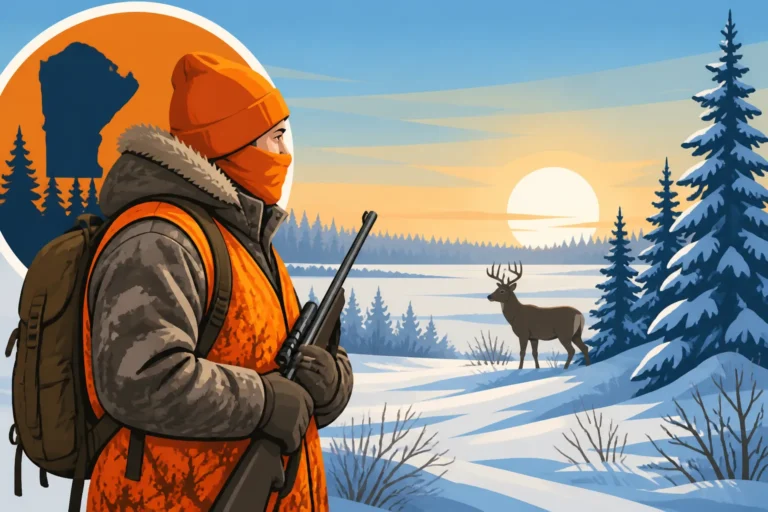
The primary appeal of an extended deer season is, quite simply, more time in the field. But it's more than just extra days; it's a completely different hunting experience. By late November and December, most of the hunting pressure from the general rifle season has dissipated. This means deer are often less jumpy, more settled into their winter patterns, and the woods feel quieter, more pristine. The rut, that chaotic period of chasing and breeding, has usually wound down, shifting deer focus from procreation to survival.
This shift means bucks are less reckless, and all deer are intensely focused on two things: food and thermal cover. This predictability, while requiring different tactics, can actually make them easier to pattern if you understand their winter needs. Snow on the ground is also a huge advantage, providing excellent tracking opportunities and making deer stand out against the white landscape. Furthermore, these seasons are often less crowded. You're less likely to bump into other hunters, giving you a greater sense of solitude and a better chance to work an area undisturbed. It's a fantastic time for hunters who cherish a more solitary, strategic approach to their pursuit.
Late-Season Whitetail Behavior and Tactics
Hunting whitetails in an extended season GHA requires a fundamental shift in strategy. The deer you're pursuing are no longer distracted by the rut; their primary drivers are now calories and comfort. The weather plays an enormous role, often dictating their daily movements more than anything else. Understanding these changes is paramount to success.
Finding Food Sources in Winter
When the landscape is blanketed in snow and temperatures plummet, available food sources become scarce and highly concentrated. Deer will focus almost exclusively on high-calorie, easily accessible forage. This means you need to re-evaluate your scouting. Those acorns or lush green plots that were irresistible in October are now likely covered or depleted. Your focus should shift to areas offering persistent food.
- Standing Crops: Unharvested corn, soybeans, or even sunflower fields are absolute magnets for late-season deer. These crops offer both vital nutrition and crucial cover, especially if snow is deep. Deer will literally live in these fields, venturing out only short distances to bed down in nearby thermal cover. Learning how to identify and get access to these fields is critical for your success. Look for a Hunting a Standing Canola Field Edge or a field of standing corn.
- Browse: While less caloric, woody browse like dogwood, sumac, and young aspen sprouts become important, particularly in areas without extensive agriculture. Deer will strip bark and nibble on buds. Focus on south-facing slopes where snow might be thinner and sunlight promotes growth.
- Food Plots: If you're hunting private land or a GHA with managed food plots, those brassicas, winter rye, or chicory plots that hold up well in the cold will be key. Deer will hit these religiously, often at dawn and dusk.
- Natural Forage: Areas with oak trees can still provide acorns if they haven't been completely consumed or buried too deeply. Look for small pockets of these.
Using tools like GoHunt can be invaluable for identifying these areas. Their satellite imagery often allows you to pinpoint remaining standing crops or dense thermal cover, helping you narrow down your search even before you put boots on the ground.
Bedding and Movement Patterns in Cold Weather
Cold weather significantly alters deer movement. During brutally cold snaps, deer prioritize conserving energy. This means shorter, less frequent movements, often focused on the shortest distance between food and thermal cover.
- Thermal Cover: Dense evergreens (spruce, pine), thick willow swamps, or even incredibly dense stands of young aspen offer protection from wind and insulate deer from the cold. These spots will be their daytime sanctuaries. Look for areas described in Where Manitoba Whitetails Bed in Deep Snow.
- Sun Exposure: On sunny days, deer will seek out south-facing slopes or the south side of dense cover to soak up warmth from the sun. This can be a prime ambush spot.
- Wind Breaks: Deer will always try to get out of the wind. Scout for natural windbreaks created by terrain features, bluffs, or dense tree lines.
- Morning and Evening: While deer might move throughout the day in milder conditions, expect concentrated movement during the golden hours around sunrise and sunset, as they head to and from primary food sources. During extreme cold, mid-day movement can occur if they need to feed more frequently.
Consider Reading Whitetail Sign in Manitoba Aspen to understand how deer utilize specific habitats in these colder months. Look for trails that lead directly from dense bedding areas to feeding grounds. These trails will be heavily used, especially after fresh snow.
Low-Impact Hunting Strategies
With deer hyper-sensitive to disturbance, a low-impact approach is crucial in the late season. Blowing deer out of a prime area can ruin your chances for days.
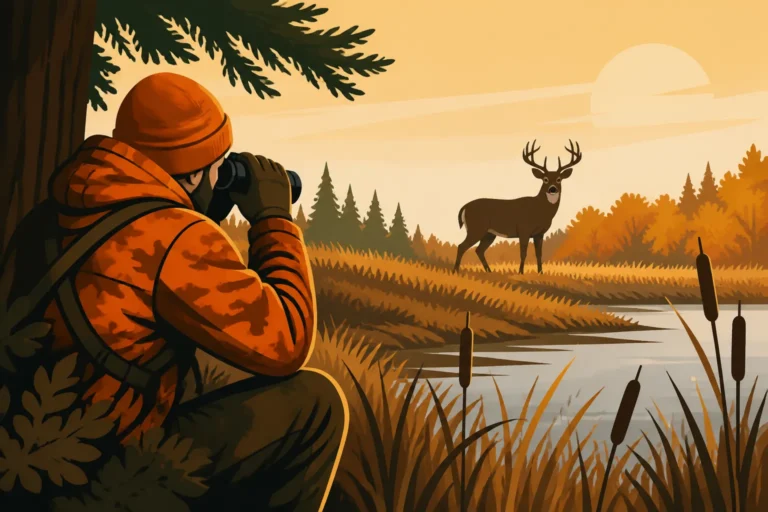
- Still Hunting: This is an incredibly effective tactic when snow cover allows for quiet movement. Move slowly, literally taking one step at a time, pausing frequently to glass ahead. Use binoculars constantly to pick apart cover. Focus on edges of dense cover, creek bottoms, and transitions between different habitat types.
- Stand Hunting: If you've identified a consistent food source or a well-used travel corridor between bedding and feeding, a ground blind or treestand can be highly effective. The key is to get in well before daylight and stay until well after dark. This is often an exercise in patience and endurance, as explored in Sitting All Day in a Manitoba Blind. You might only get one chance, so you need to be ready.
- Small Drives (Carefully): In some situations, a small, quiet drive with 2-3 hunters can work. The key is quiet and slow. The drivers should move just fast enough to encourage deer to walk, not run, towards strategically placed standers. This is best done in smaller, isolated cover pockets.
- Scouting Smart: Use GoHunt to do your initial scouting remotely. Identify potential food and cover areas, then use optics to confirm fresh sign from a distance. Minimize walking through bedding areas or directly on main travel routes if you're not actively hunting them. Less disturbance means deer stay put.
Navigating Regulations and Access
Even in extended seasons, compliance with regulations and respectful land access are non-negotiable. Knowing the specific rules for your chosen GHA is not just about avoiding fines; it's about being a responsible steward of the resource and maintaining a positive image for hunters.
Checking Specific GHA Rules and Dates
As mentioned earlier, extended seasons are not uniform. You absolutely must verify the dates, weapon restrictions, and tag validity for the specific Game Hunting Area you plan to hunt. The Manitoba Sustainable Development website is your official source for the annual hunting guide. Pay close attention to sections on Manitoba Whitetail Season Dates by GHA and look for any special draw requirements or restrictions on antlered vs. antlerless deer.
For example, some GHAs might only allow archery for the extended period, while others might permit muzzleloader. There are also specific regulations around Manitoba's Second Deer Licence Rules which can be very beneficial for extended season opportunities if you have a valid second tag. It's a common frustration to travel to a GHA only to find you've misread the dates or weapon rules, so double-check before you leave!
Land Access and Permission in Late Season
Even with fewer hunters out, securing land access remains crucial. Much of Manitoba's prime whitetail habitat is on private land. While farmers might be less busy after harvest, it's never an excuse to neglect asking for permission.
- Knocking on Doors: This is still the best way. Dress respectfully, be polite, and be prepared to explain exactly where and how you intend to hunt. Offer to share meat or help with chores.
- Crown Land Opportunities: Manitoba does have significant tracts of Crown Land available for hunting, which can be an excellent option for extended seasons. However, these areas often require more effort to scout and access, and might hold lower deer densities. For more information, refer to Hunting Whitetails on Manitoba Crown Land. Use mapping apps like GoHunt to clearly delineate Crown Land boundaries.
- Community Pastures: Some community pastures allow hunting, but often require specific permits or contact with the pasture manager. Research these options well in advance.
- Respect Boundaries: Always know where property lines are, whether on private or Crown land. Modern GPS apps on your phone or devices can be incredibly helpful for this. Avoid trespassing at all costs, as it harms the reputation of all hunters.
CWD Sampling and Carcass Transport
Chronic Wasting Disease (CWD) is a serious concern in Manitoba. For certain GHAs, mandatory CWD sampling may be required. This is especially true for specific regions of the province that have had CWD detected.
- Mandatory Sampling GHAs: Be aware if your extended season GHA falls within a CWD sampling zone. You are legally required to submit specific samples (usually the head) from any deer harvested in these areas. You can find details on Manitoba's CWD Sampling Requirements.
- Sample Submission: There are designated drop-off locations throughout the province. Make sure you know where the nearest one is and understand the deadline for submission.
- Carcass Transport Rules: If you harvest a deer in a CWD-designated area, there are strict rules about transporting the carcass out of that area. Generally, only boned-out meat, hide, antlers, and skull plate (with brain matter removed) can leave the zone. This is to prevent the spread of the prion. Plan ahead for field dressing and processing. Understanding Moving a Carcass Out of a Sampling Area is vital.
| GHA Name (Example) | Extended Dates (Example) | Allowed Weapons | Specific Notes |
|---|---|---|---|
| GHA 25A | Nov 28 – Dec 10 | Archery/Muzzleloader | Antlered deer only |
| GHA 20A | Nov 28 – Dec 17 | General Rifle | Antlered/Antlerless with valid tag |
| GHA 31 | Dec 1 – Dec 24 | Archery | Antlerless only |
| GHA 36 | Nov 28 – Dec 5 | General Rifle | Antlered deer only, CWD sampling required |
Note: The dates and specific rules in this table are illustrative examples. Always consult the current Manitoba Hunting Guide for precise and up-to-date regulations.
Maximizing Your Success in Extended Seasons
Hunting in the late season isn't just about finding deer; it's about preparing yourself for the elements and having the mental fortitude to endure challenging conditions. Success often comes down to meticulous preparation and a persistent attitude.
Essential Cold Weather Gear
Manitoba winters can be unforgiving. Your gear choice isn't just about comfort; it's about safety. Hypothermia is a real risk when you're sitting still in freezing temperatures.
- Layering: This is the golden rule. Start with a moisture-wicking base layer (merino wool or synthetic, never cotton). Add insulating mid-layers (fleece, down, or synthetic puffies). Top it off with a windproof and waterproof outer shell. You want to be able to add or remove layers to regulate your temperature.
- Insulated Boots: This is non-negotiable. Invest in high-quality, heavily insulated, waterproof boots. Your feet are often the first thing to get cold. Consider boots rated for -40°C or colder if you plan to Hunting Safely in Deep Winter Cold. Pair them with good wool socks.
- Hand Protection: Multiple layers here too: thin liners, insulated mittens, and hand warmers. Mittens are generally warmer than gloves for sitting still.
- Head and Neck: A warm toque (beanie), balaclava, and neck gaiter are crucial. You lose a significant amount of heat through your head and neck.
- Heated Gear: Battery-powered heated vests, socks, or hand muffs can be game-changers for extended sits in a blind. Brands like Sitka or First Lite offer excellent cold-weather options that stand up to Manitoba's extremes.
Remember, staying warm isn't about one super-thick layer; it's about trapping warm air between multiple layers and protecting against wind and moisture.
Maintaining Your Equipment
Cold weather impacts more than just your body; it affects your gear too.
- Firearms: If hunting with a rifle, keep it protected from snow and moisture. Ensure lubricants are cold-weather rated. A sling makes carrying easier. When moving from a warm vehicle to cold air, condensation can form inside your barrel or on optics. Avoid bringing your rifle inside heated spaces unnecessarily during the day.
- Optics: Binoculars and scopes can fog up or get moisture inside. Keep them protected, perhaps in a chest harness. Anti-fog treatments can help.
- Bows: If archery hunting, ensure your bowstring is waxed and maintain your release aid. Cold can make some plastics brittle.
- Batteries: Cold zaps battery life. Keep spare batteries for your GPS, headlamp, and heated gear in an inside pocket to keep them warm.
Physical and Mental Preparedness
Late season hunting is as much a mental game as it is physical.
- Stay Hydrated and Fed: Even in the cold, it's easy to get dehydrated. Bring plenty of water (keep it insulated so it doesn't freeze) and high-energy snacks like nuts, trail mix, or chocolate bars.
- Patience and Persistence: Deer movement can be sporadic. You might sit for hours without seeing anything. The biggest mistake is giving up too early. The deer you're after knows how to avoid pressure; you need to be more patient. This is especially true for Hunting the Parkland Fringe for Big Bucks.
- Be Prepared for the Unexpected: Deep snow can make travel difficult. Always have a winter truck kit, as highlighted in Winter Truck Kit for a Manitoba Hunt, including extra warm clothes, food, water, a shovel, and recovery gear. Cell service can be spotty in many GHAs, so a satellite messenger or two-way radio is a wise investment.
- Meat Care: Once you've harvested a deer, the cold can be your friend, acting as a natural refrigerator. However, proper field dressing and handling are still essential. Learn about Meat Care in Manitoba's Cold Snaps to ensure your hard-earned venison is perfectly preserved. The cold can make skinning and quartering difficult, so be prepared with sharp knives and potentially a small, portable propane heater if working in the open.
Hunting an extended deer season GHA in Manitoba is a unique and rewarding experience. It demands adaptability, resilience, and a deep understanding of deer behavior in winter. By embracing these challenges, you'll not only increase your chances of success but also create unforgettable memories in Manitoba's beautiful, frozen landscape.
Disclaimer
The information provided in this guide is for general informational purposes only and does not constitute legal advice. Hunting regulations in Manitoba can change annually. Always consult the most current Manitoba Hunting Guide and relevant provincial legislation before planning any hunting activity. It is the individual hunter's responsibility to know and follow all applicable laws and regulations.